In recent months, the historical preservation community has celebrated remarkable rediscoveries of physical media artifacts. A notable example occurred when F. Holland Day’s 1898 photographic series The Seven Words resurfaced after sitting untouched for well over a century. Shortly thereafter, archivists uncovered a long-lost cache of photographs documenting the production of the 1926 silent film classic Faust. Both collections of physical media spent roughly one hundred years tucked away in storage, untouched by modern technology, yet when finally brought to light, they remained immediately viewable, intact, and preserved.
This enduring physical legacy invites a sobering thought experiment for contemporary digital creators. Anyone who produced digital work two decades ago—whether designing early websites, authoring assets for CD-ROMs, crafting vector illustrations, or editing digital photographs—faces a difficult question: can those files still be located, accessed, and opened today? For many creative professionals, the honest answer is no.
There is a distinct irony in how society views modern creative work. Because digital files lack physical form, it is easy to assume they possess a kind of default immortality. Unlike paper prints or physical film, digital data does not tear, yellow, or physically decay in plain sight. Yet, despite this illusion of permanence, digital media is fundamentally ephemeral—far more fragile over extended periods than the physical media of previous centuries. Without deliberate and continuous maintenance, vast amounts of modern creative work risk dissolving into unrecoverable data loss.
Why your files are in danger
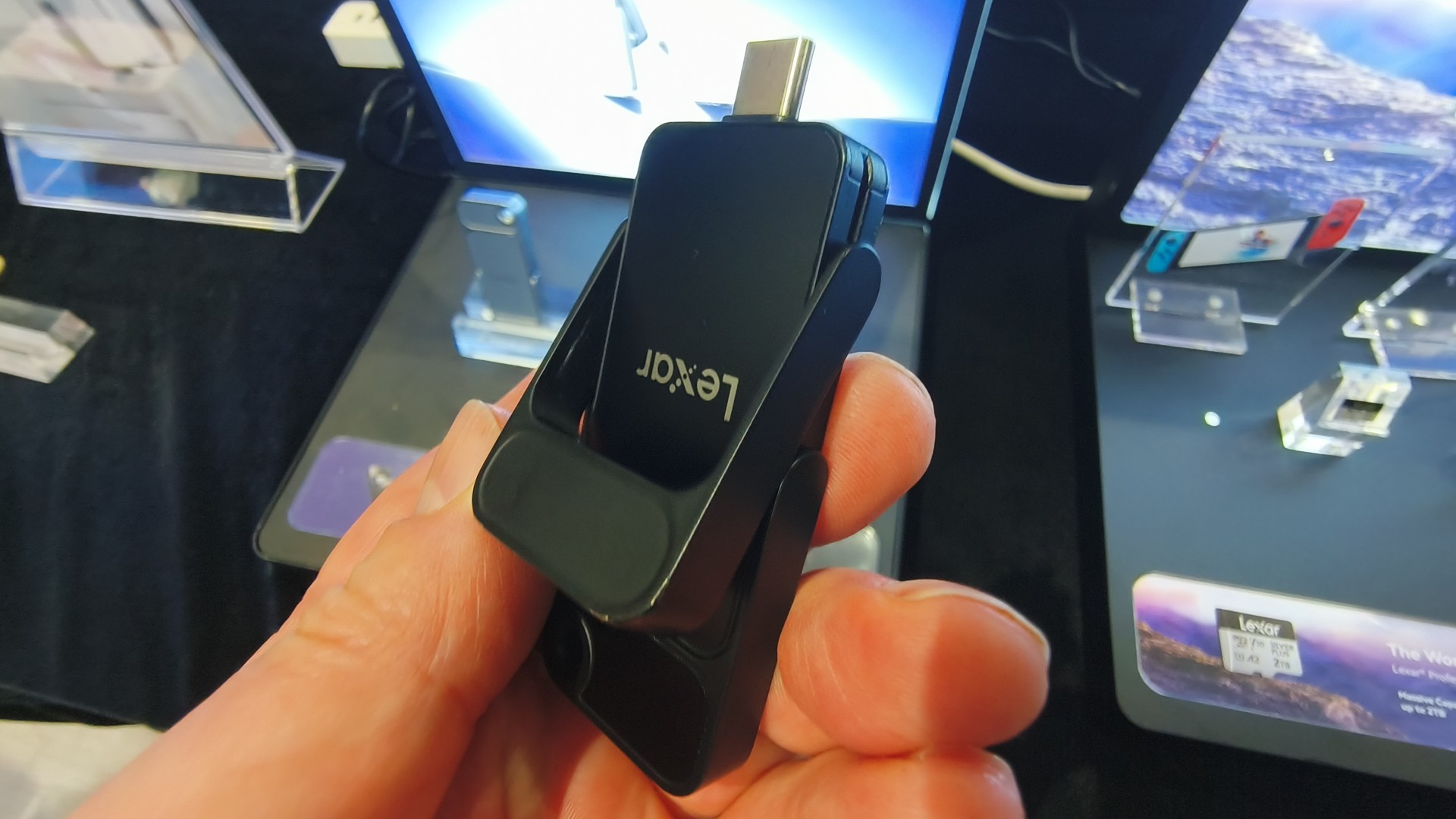
The physical realities of modern computer storage highlight just how fragile digital media can be. During a visit to memory card manufacturer Lexar’s engineering and manufacturing facilities in Shenzhen, China, the hardware limitations of solid-state storage were brought into sharp focus. During a press conference at the facility, a company representative detailed a technical reality that catches many users off guard: the flash memory used in everyday consumer SD cards, MicroSD cards, and Solid-State Drives (SSDs) can begin losing stored data in as little as twelve months if left unpowered in a drawer.
Unlike traditional mechanical hard drives or physical paper prints, solid-state flash memory stores data by trapping minute electrical charges inside tiny microscopic memory cells. When an SSD or flash card remains disconnected from a power source for extended periods, these electrical charges slowly leak away over time—a process known as charge degradation or bit rot. Without regular electrical power to allow the drive’s internal controller firmware to manage cell voltages and perform routine error correction, stored files gradually degrade. A drive stored safely in a desk drawer for a year or two may fail to mount entirely or reveal corrupted files upon its next use.
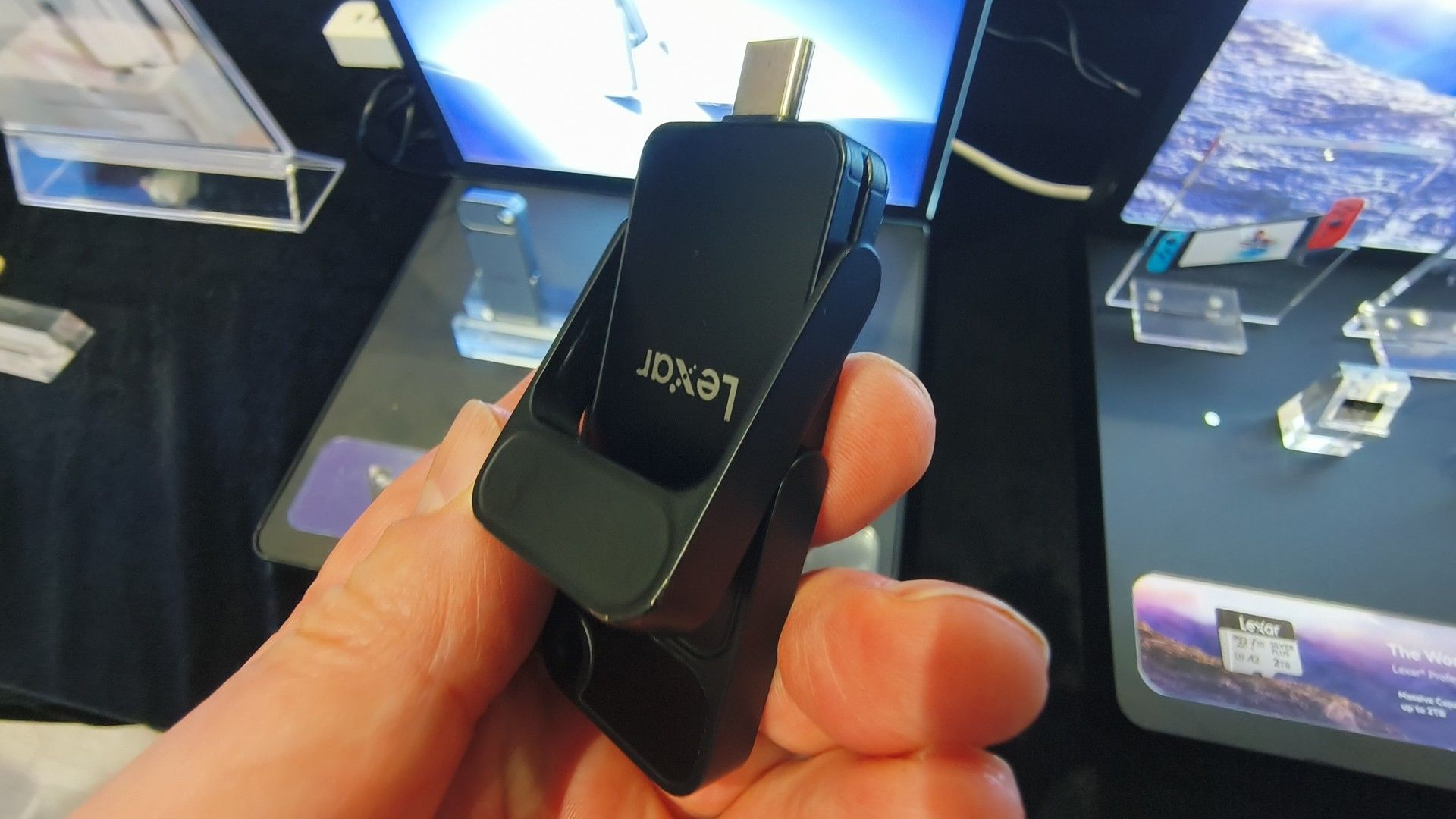
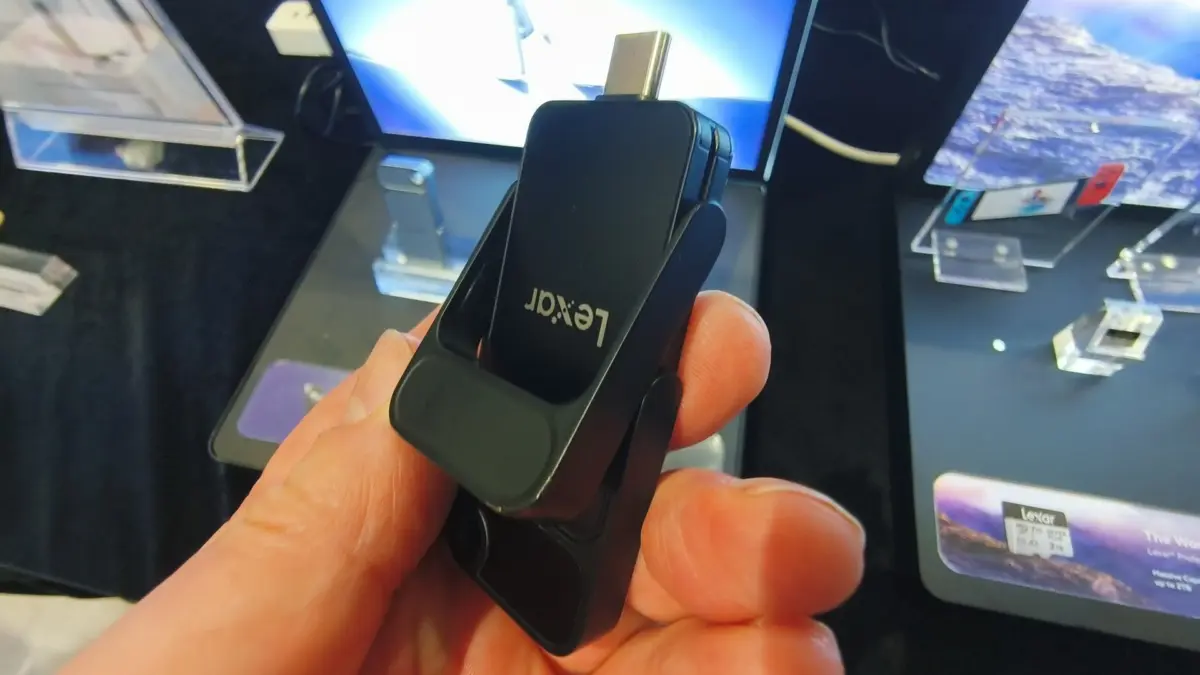
Lexar noted that it is actively developing a dedicated hardware device designed to address long-term unpowered storage degradation. However, company representatives emphasized that the technology remains in its early stages of development. In contrast, a physical photograph simply exists on paper, retaining its image without requiring electricity, firmware routines, or technical maintenance.
For creators who rely on internet infrastructure as an alternative to physical hardware, the broader digital landscape presents equal cause for concern. Preserving work online provides no absolute safety guarantee. A comprehensive study conducted by the Pew Research Center revealed that 38 percent of all webpages that existed in 2013 had completely vanished from the internet a decade later. This widespread digital decay illustrates how quickly online content disappears as domain registrations expire, hosting agreements end, and corporate servers are decommissioned.
Centralized media platforms have proven similarly vulnerable. The instability of cloud-based storage was highlighted in 2019, when social networking pioneer MySpace admitted to a massive data loss event. During a routine server migration, the platform permanently lost all music, video files, and photos uploaded to its servers between 2003 and 2015. In a single technical error, an estimated 50 million songs created by 14 million independent artists were erased. MySpace’s ultimate advice to affected creators was simply a reminder that users should maintain their own offline backups.
Relying on commercial cloud platforms also exposes creative work to financial and structural instability. Sudden shutdowns across the technology sector—such as the unexpected closure of OpenAI’s Sora video platform—underscore that commercial services operate under corporate and venture capital priorities. Investors and tech companies prioritize financial return and operational efficiency over the permanent archival of user content. When a platform or product loses commercial viability, user archives are routinely shut down or discarded.
Beyond hardware decay and platform volatility, creators face the ongoing challenge of format obsolescence. Even when raw data physically survives on a functional drive for twenty years, modern software may no longer be able to open or render it. Adobe Flash offers a clear example: for over a decade, it served as the dominant authoring environment for interactive web design, digital animation, and web games. When Adobe officially retired Flash at the end of 2020, decades of rich, interactive media were rendered unplayable on standard modern web browsers and operating systems. Without active conversion efforts, work stored in deprecated formats quickly becomes inaccessible.
How to keep them safe
Protecting digital files against hardware failure, online decay, and software obsolescence requires active, structured archiving habits. Relying on a single storage drive or a single online account introduces severe points of failure. To ensure that digital work remains readable ten, twenty, or fifty years into the future, creators must follow established archival strategies.
The primary safeguard for critical digital data remains the standard 3-2-1 backup strategy. This framework requires keeping three total copies of any important file: the master working copy and two separate backups. These files should be stored across at least two different types of storage media—such as a combination of local solid-state drives, external magnetic hard drives, or local optical storage—to prevent a single hardware flaw from destroying every copy. Additionally, at least one of these three copies should be kept offsite or backed up to a secure cloud service. While the 3-2-1 strategy cannot eliminate every risk, it drastically reduces the likelihood of total data loss.
To address the specific risk of charge leakage in unpowered solid-state drives and memory cards, hardware requires regular physical maintenance. Every few months, stored SSDs, flash drives, and memory cards should be plugged into a powered computer or active USB hub. Allowing these drives to receive power for a short period enables their internal memory controllers to execute background cleanup, re-energize memory cells, and run firmware maintenance tasks that prevent cell degradation.
Preventing software obsolescence requires creators to evaluate how they store finished projects. While working files—such as native project files from proprietary software—are necessary during active development, long-term preservation requires exporting completed work into open, standardized file formats. Formats including TIFF for high-resolution images, PNG for web graphics, SVG for vector art, and PDF/A (an ISO-standardized version of PDF designed specifically for long-term archiving) rely on open, documented specifications. Open formats are far more likely to remain compatible with future software applications than proprietary formats locked to specific software vendors.
Additionally, creators must reframe how they view third-party internet services. Online platforms, social networks, and portfolio services should be treated strictly as public shop windows rather than long-term file vaults. Displaying work online should never replace keeping locally controlled, archived master files.

Finally, physical printing remains one of the most reliable methods for preserving visual media. When produced on archival-quality paper using permanent inks, physical prints have a proven track record of surviving for generations. Provided they are protected from physical hazards such as water, fire, and direct sunlight, paper-based records bypass issues of hardware compatibility, software updates, and electrical maintenance entirely.
Maintaining an accessible digital archive demands ongoing discipline, technical awareness, and deliberate effort. Yet, failing to take these precautions presents a silent threat to modern cultural history. If future generations end up knowing more about the creative output of 1926 than of 2026, it will not be due to a lack of artistic creation or technological progress, but simply because the digital records of the modern era were allowed to fade away.