A decade ago, the idea of a major fast-food chain releasing one of the most talked-about indie role-playing games of the year would have sounded like a punchline. Yet that is precisely the reality unfolding in the gaming landscape, as the world’s third-largest hamburger chain steps directly into the indie development space with an ambitious turn-based adventure.
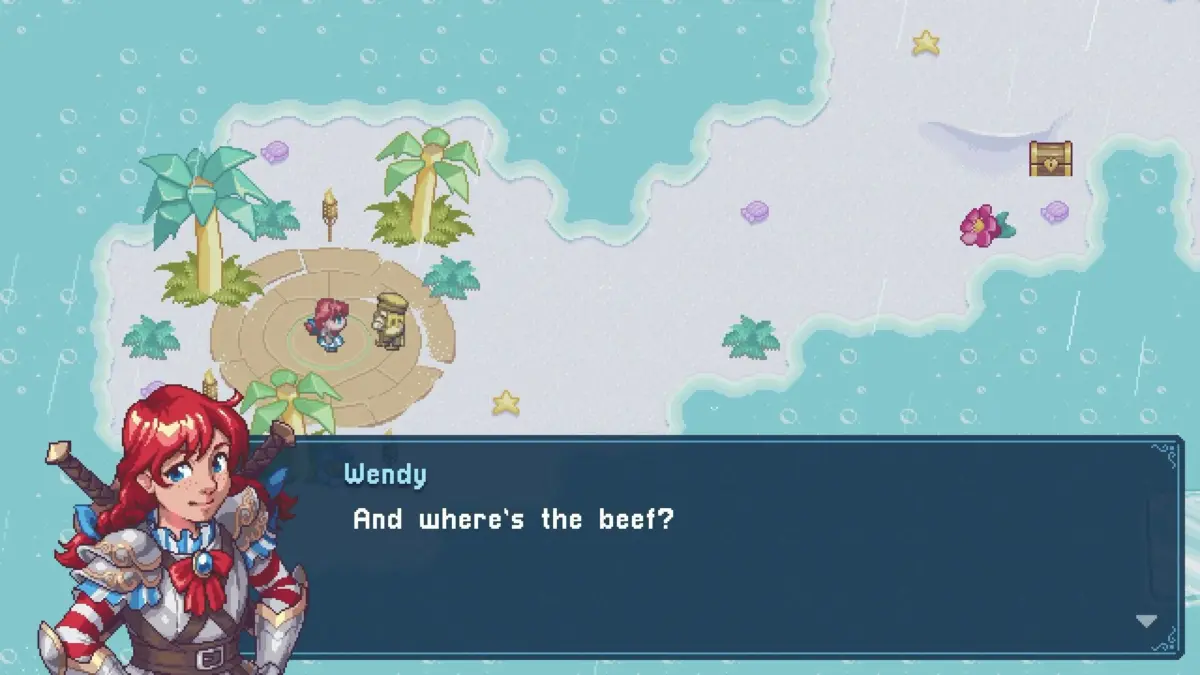
The project is titled WendyQuest: Legend of the Four Corner Stones, a pixel-art RPG featuring the brand’s iconic red-haired mascot leading a party of fast-food heroes across a fantasy kingdom under siege. Far from a quick promotional gimmick or a digital parody, the title is a fully fledged, playable adventure headed to Steam. Developed by 81monkeys, an independent studio based in Port Moody, British Columbia, the game is scheduled for release in 2026.
Rather than being met with skepticism or dismissive social media commentary, WendyQuest has sparked widespread intrigue across the gaming community, with players and critics alike expressing surprise at the title’s visual polish, retro design sensibilities, and core mechanical depth.
The game relies heavily on tongue-in-cheek humor and self-referential marketing, blending fantasy role-playing tropes with fast-food iconography. The corporate branding goes beyond simply celebrating Wendy’s own menu items; it actively targets key industry competitors. Players will encounter foes such as "Frydusa"—a Medusa-inspired monster fashioned out of a cardboard carton with snake-like French fries—and battle a rival faction known as the "Golden Archers," taking an unmistakable jab at McDonald’s.
In-game dialogue and combat encounters lean into classic brand lore. In screenshot reveals, Wendy appears in armored attire asking the legendary question, "Where’s the beef?"—a direct homage to the company’s famous 1984 advertising campaign. Combat screens showcase classic turn-based mechanics complete with tactical command menus featuring options like "Bag," "Special," and "Attack," alongside spatula-wielding hero sprites facing off against food-themed monstrosities. Elsewhere, environmental puzzles require Wendy and her party to navigate hazardous terrain, including rivers of glowing orange dip on a quest to reach the "Spicy Stone."

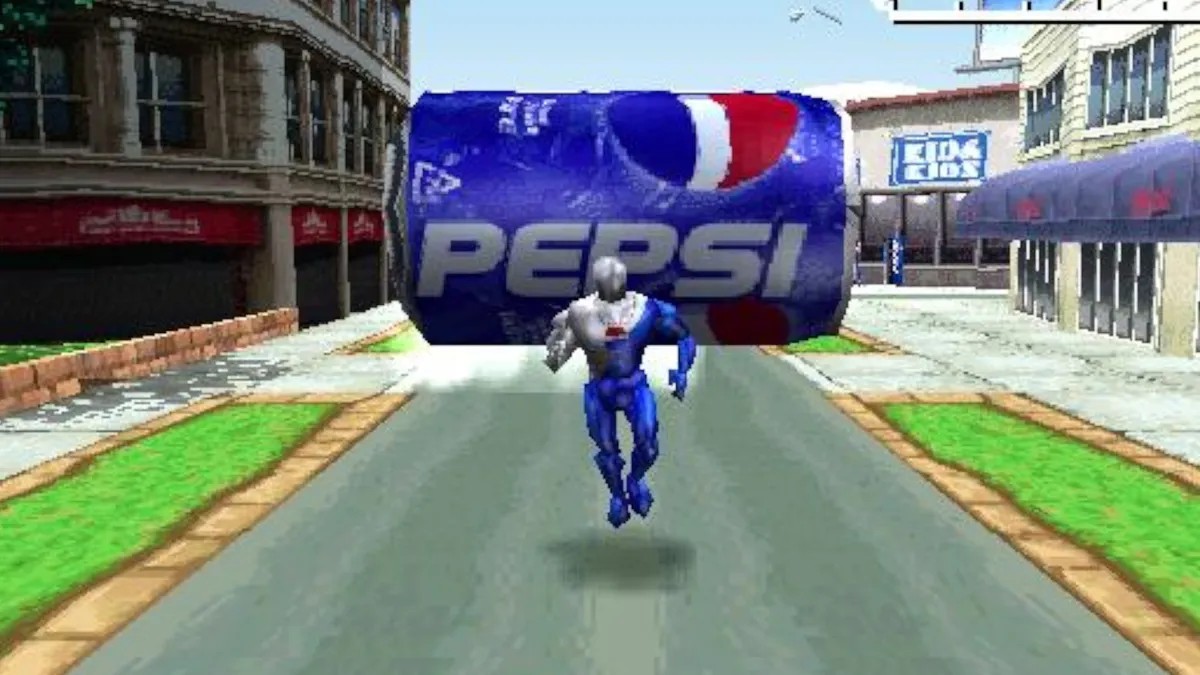
The announcement comes during a broader period of nostalgia-driven brand experimentation in interactive media. Last summer, soft-drink giant Pepsi took to social media to casually query followers about whether it should produce a video game. The post was quickly flooded with responses pointing out that the brand had already created one of the most memorable corporate titles in gaming history: 1999’s Pepsiman for the original PlayStation.
Among those responding to Pepsi’s post was Kotaro Uchikoshi, now a celebrated visual-novel director, who had worked on the original late-90s project. Uchikoshi publicly offered to reconnect the beverage company with members of the original development team, highlighting the enduring legacy of branded interactive media.
Branded Games Have a Long Tradition
While WendyQuest represents a modern take on the genre, branded video games—often referred to historically as "advergames"—have a rich and surprisingly successful lineage stretching back over three decades.
Domino’s Pizza is widely credited with kickstarting the trend in 1989 with Avoid the Noid, a computer game built around the company’s claymation mascot. McDonald’s quickly expanded on the concept during the 16-bit console era with titles like Global Gladiators, a platformer released for systems like the Sega Genesis that earned genuine praise for its smooth controls, impressive fluid animations, and solid level design.
In 1993, 7 Up released Cool Spot on the Super Nintendo and Sega Genesis. Centered around the red spot from the brand’s North American logo, the title was widely recognized not just as a competent commercial vehicle, but as an objectively brilliant 2D platformer that stood shoulder-to-shoulder with non-branded contemporary games of the era.

However, the undisputed cult king of the genre remains Pepsiman. Released exclusively in Japan in 1999 for the Sony PlayStation, the high-speed action game tasked an athletic corporate superhero with sprinting through hyper-stylized city streets to deliver soft drink cans to thirsty citizens. Its quirky aesthetic, driving soundtrack, and region-locked obscurity transformed it into a holy grail for game collectors. Today, original physical copies of Pepsiman routinely command hundreds of dollars on secondary marketplace sites like eBay.
As hardware evolved, marketing strategies shifted. In 2006, Burger King launched an unprecedented physical distribution experiment in partnership with Microsoft for the Xbox and Xbox 360 platforms. Rather than releasing games through standard retail outlets, the chain sold three distinct, self-produced titles—including the stealth-comedy title Sneak King, alongside Big Bumpin’ and PocketBike Racer—for $3.99 each with the purchase of a value meal. The strategy proved to be a massive commercial success, with Burger King ultimately selling more than 3.2 million copies combined.
More recently, Kentucky Fried Chicken entered the arena in 2019 with I Love You, Colonel Sanders! A Finger Lickin’ Good Dating Simulator. Developed as a tongue-in-cheek parody of anime romance novels, the game initially faced harsh criticism from traditional media outlets who dismissed it as a cynical PR exercise. However, digital players embraced the absurd humor, eventually pushing the game to a 91 percent positive user rating on Steam.
What unifies these historical highlights is that they were not merely static banner advertisements wrapped in basic code; they were real, playable titles that captured consumer attention through distinct gameplay hooks and humor. The resurgence of the format raises questions about why major food and beverage corporations are returning to full-scale game development today.
Several market forces appear to be driving this dynamic. First, the generational cohort that grew up playing titles like Cool Spot, Global Gladiators, or Sneak King has matured into an adult demographic with disposable income and a strong affinity for retro aesthetics. Nostalgia remains a powerful cultural driver, making pixel-art aesthetics and classic RPG structures an effective way to connect with gamers aged 25 to 44.
Second, the structural logistics of modern game distribution have changed dramatically. Where Burger King once had to manufacture millions of physical DVD-ROM discs, package them, and ship them to physical restaurant storefronts worldwide, modern publishers can bypass physical supply chains entirely. Today, a company like Wendy’s simply needs to partner with an independent developer like 81monkeys and establish a digital storefront on platforms like Steam.
Third, traditional digital advertising mediums are facing unprecedented friction. Between the widespread adoption of ad-blocking software, the rise of ad-free premium streaming tiers, and general consumer fatigue toward intrusive pop-ups and TV spots, brands are finding it increasingly difficult to capture sustained consumer attention. Interactive video games offer an appealing alternative: a medium where consumers voluntarily opt in to engage with a brand’s intellectual property for hours at a time.
Additionally, current industry dynamics around visual art style play a distinct role. As modern media faces pushback against generative art and automated content slop, visual authenticity has become a key selling point. Wendy’s has leaned into this sentiment directly, prominently featuring the claim that WendyQuest is "100% fresh and 100% human-made" on its official Steam store page—a clear parallel to its long-standing marketing claims regarding its beef patties. By commissioning hand-crafted pixel art from an established indie developer, the company attempts to align its brand values with consumer preferences for human artistic craft.
Will the Strategy Deliver Results?
Despite the positive early buzz surrounding WendyQuest: Legend of the Four Corner Stones, commercial and critical success in the gaming industry is far from guaranteed. History shows that for every genuinely beloved title like Global Gladiators or Cool Spot, the industry produces commercial oddities like Sneak King—games that achieve brief viral fame as pop-culture novelties, but offer limited long-term gameplay value.
The ultimate factor separating successful branded games from forgotten promotional shovelware lies in execution. The brands that historically succeeded in this space were those that respected the medium, treating audience members primarily as video game players rather than passive advertising targets.

Whether WendyQuest will ultimately achieve the lasting cult status of Pepsiman or end up as a minor footnote in digital storefront history remains to be seen ahead of its planned 2026 launch. However, the project demonstrates that corporate brand integration in video games is evolving beyond basic product placement into dedicated indie game development.