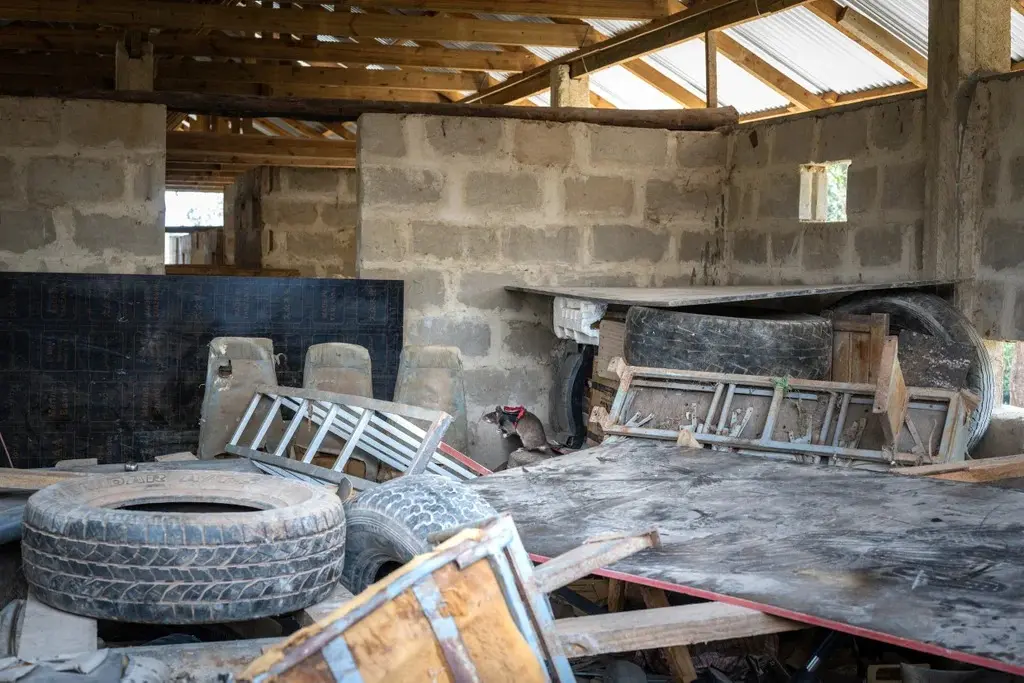
All too often, rats get a remarkably bad reputation. In urban centers across the globe—from the bustling streets of New York to dense metropolitan areas worldwide—these rodents are frequently viewed simply as vectors of disease and urban nuisance. Major cities invest heavily in continuous eradication efforts, waging ongoing, high-budget wars against urban rat populations in an attempt to keep them out of subways, alleyways, and residential buildings. Yet, this persistent cultural stigma often blinds society to their true capabilities and hidden potential. When properly trained and equipped with custom technology, specialized rodents can transcend their common pest status to become genuine lifesavers.
At the forefront of this unlikely paradigm shift is APOPO, a unique nonprofit organization dedicated to harnessing the remarkable biological traits of African giant pouched rats for humanitarian purposes. While the organization is widely recognized for its pioneering work in detecting landmines in post-conflict regions, it has also turned its attention toward disaster recovery and urban search-and-rescue operations. By training these intelligent animals to navigate disaster zones like collapsed buildings, earthquakes, and structural failures, APOPO has developed a specialized workforce affectionately known as "RescueRATs." These animals are capable of squeezing into tight, unstable spaces that are entirely inaccessible to human first responders and often too delicate or complex for traditional robotic search mechanisms.
To bridge the gap between rodent agility and emergency rescue technology, these specialized animals are outfitted with custom-designed backpacks. These compact, wearable units are packed with high-tech features tailored specifically for search-and-rescue missions, including real-time audio and video streaming capabilities. Furthermore, the backpacks feature two-way communication systems that allow rescue workers on the outside to speak directly with trapped survivors, offering reassurance and assessing their condition before heavy machinery or physical extraction teams are deployed.
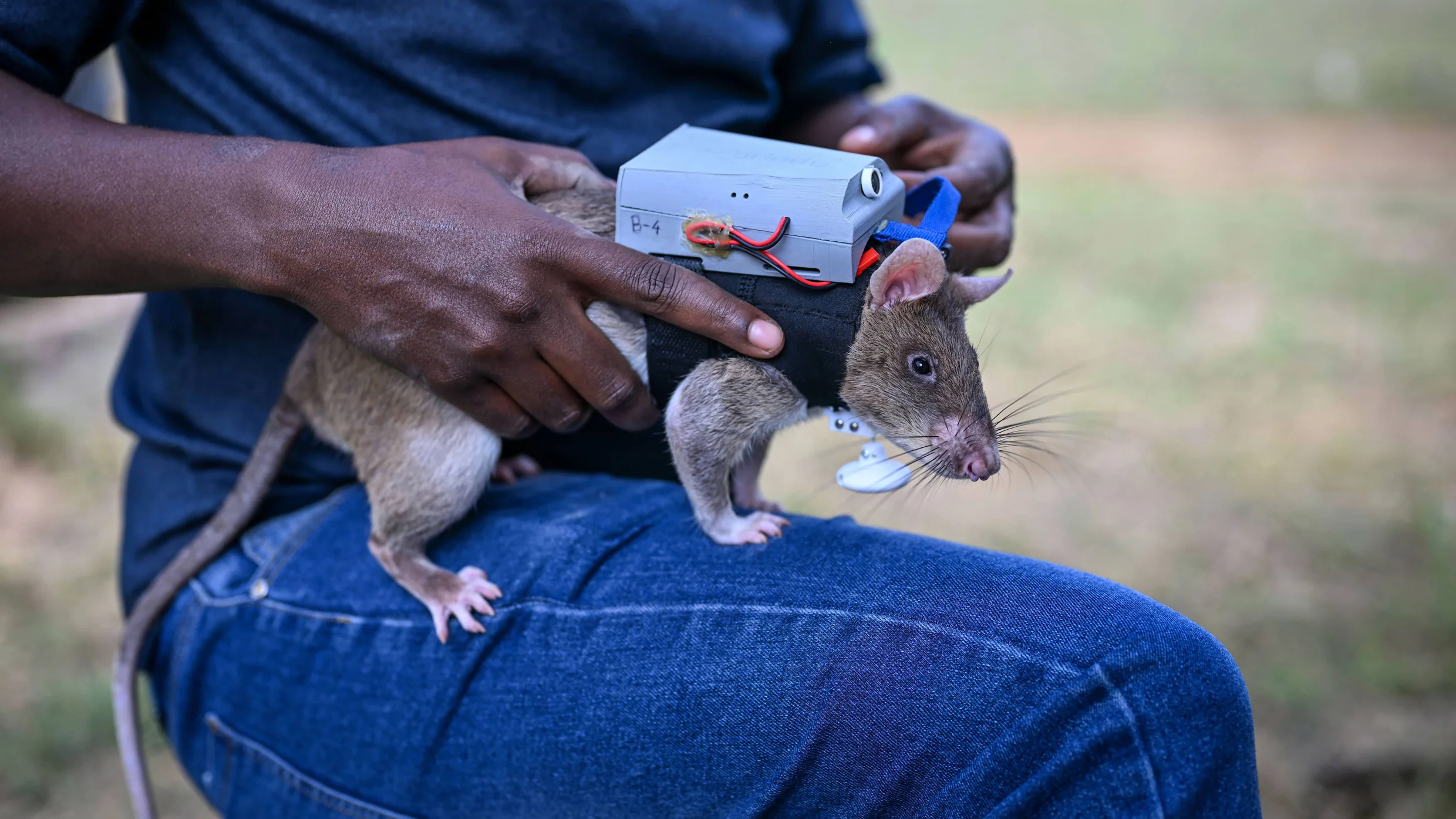
The physical attributes of the African giant pouched rat make them uniquely suited for this high-stakes environment. According to Lily Shallom, communications manager at APOPO, these animals possess a combination of size, weight, and sensory acuities that human engineers struggle to replicate in machines. "African giant pouched rats are small and light, so they can move across unstable debris and through narrow gaps without disturbing it," Shallom explains, highlighting the delicate balance required when navigating precarious piles of rubble where shifting debris can easily endanger trapped victims.
Furthermore, their natural behavioral traits complement their physical lightness. As Shallom notes, these animals are exceptionally agile and quick, possessing an acute sense of smell and hearing that makes them ideally suited for scanning hard-to-reach spaces at a rapid pace. Where heavy urban search-and-rescue dogs might struggle to fit into narrow structural voids, and where wheeled or tracked robots might get stuck on jagged concrete or tangled rebar, the RescueRATs can slip effortlessly through microscopic entry points to survey the interior of a collapsed structure.
The journey from wild rodent to high-tech rescue worker begins far from disaster zones, taking place at APOPO’s specialized training center located in Morogoro, Tanzania. Here, trainers employ rigorous positive reinforcement techniques to prepare the animals for the psychological and physical demands of fieldwork. Using standard clicker training methods paired with food rewards, handlers guide the rats through a progressive curriculum. The training regimen teaches the animals how to work in tandem with a human handler, navigate complex rubble-like obstacle courses designed to simulate real-world earthquake conditions, comfortably wear their high-tech backpacks, and finally, execute a specific signaling behavior upon locating a human being.
Rats are notoriously intelligent creatures, and their natural motivation for food makes them exceptionally eager learners. "They learn quickly and enjoy the work," Shallom says, emphasizing that the positive reinforcement framework keeps the animals engaged and responsive throughout the learning process and subsequent deployment simulations.
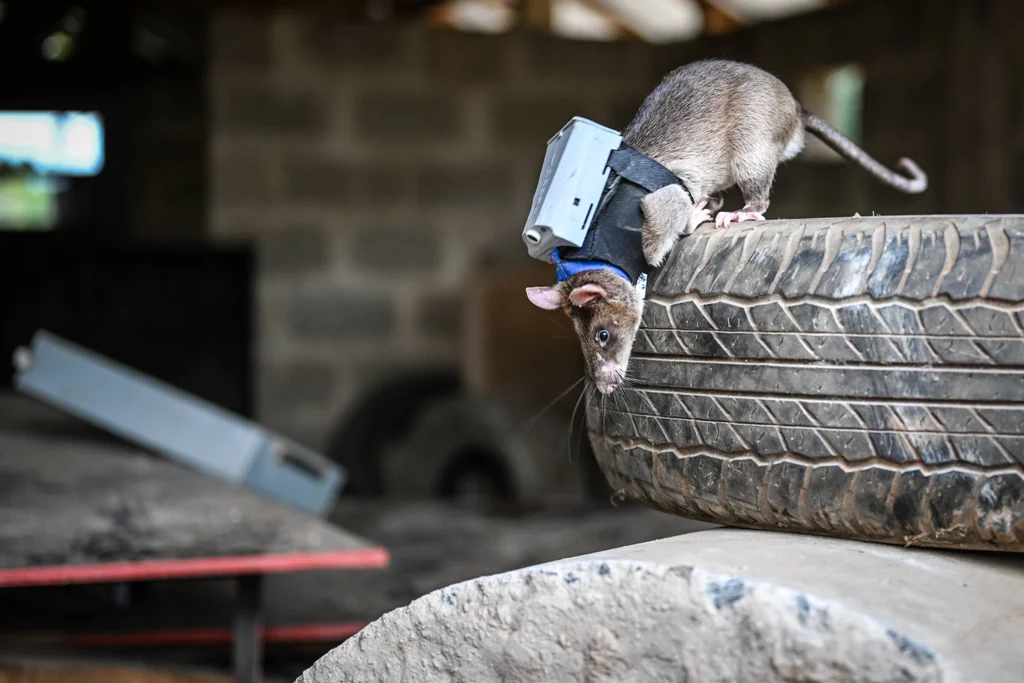
Developing the technology that these animals wear into the field has been an iterative, multi-year engineering challenge for APOPO. Since creating their very first prototype backpack in 2019, the organization’s designers have gone through multiple iterations to ensure the equipment is both effective for rescuers and comfortable for the animals. Early prototypes presented distinct mechanical hurdles; for instance, initial designs featured a camera that protruded significantly from the unit, which engineers quickly realized could easily catch or snag on jagged debris inside a collapsed building.
Subsequent prototypes revealed additional design flaws, such as an early configuration that placed the battery pack directly on top of the unit. This placement created a high center of gravity, making it difficult for the rats to maintain their balance while scurrying across unstable surfaces. Through continuous refinement, engineers streamlined the backpacks, balancing the weight distribution and housing the technology securely to ensure the animals can move with maximum freedom and stability.
Once deployed in a disaster scenario, the RescueRATs rely primarily on their extraordinary sense of smell to locate people trapped beneath the rubble. Their olfactory capabilities are so refined that they can effortlessly differentiate between the actual scent of a living human being and residual human scents left behind on inanimate items such as clothing, shoes, or personal belongings. This discrimination is critical in disaster zones, where personal items are often scattered widely across debris fields, ensuring that the rats signal only when an actual survivor is present.
Upon successfully locating a person, the rats are trained to execute a specific mechanical response to notify their handlers. They are taught to pull on a small pendant attached directly to the vest of the backpack, which triggers an alert on the monitoring equipment held by the rescue team outside, pinpointing the location of the survivor and activating the audio-visual feed.
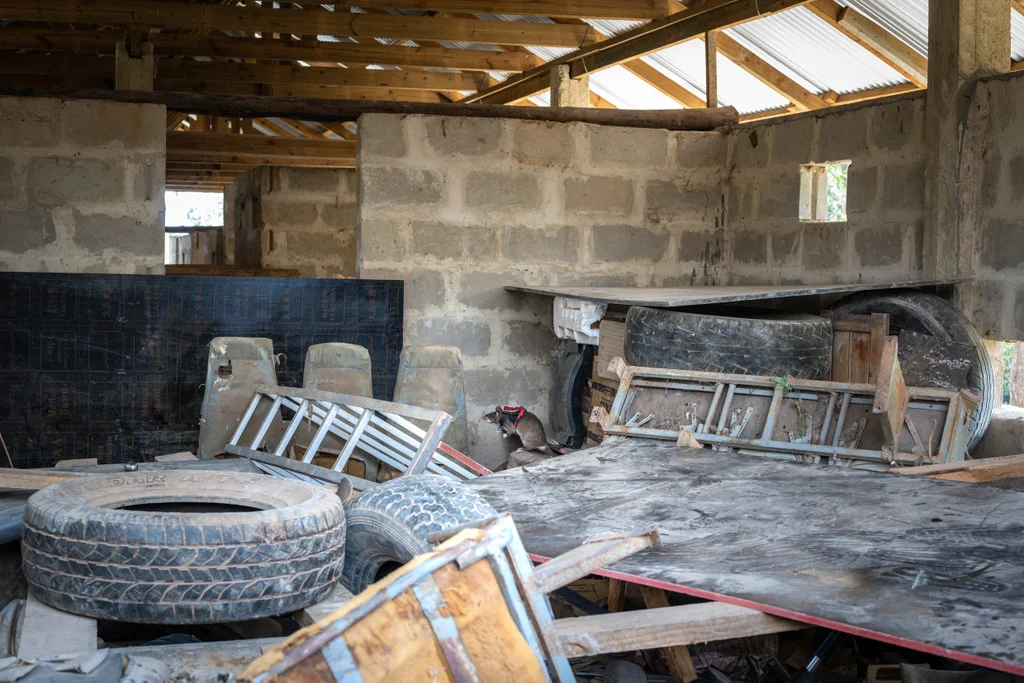
Despite their impressive capabilities, APOPO is quick to emphasize that these animals are not intended to replace human search-and-rescue personnel or advanced technological tools like drones and seismic sensors. Instead, the RescueRATs are viewed as a valuable complementary asset within a broader emergency response framework. "They are not a replacement for human rescuers or technology," Shallom notes. "They are an additional tool that can help rescue teams find survivors sooner and decide where to focus their efforts."
As urban centers continue to grapple with the unpredictable realities of natural disasters, the integration of unexpected allies like the RescueRATs demonstrates the power of innovation in humanitarian work. By bridging the gap between animal instinct and modern technology, these remarkable rodents are helping redefine what is possible in emergency response, proving that even the most misunderstood creatures can play a vital role in saving human lives.