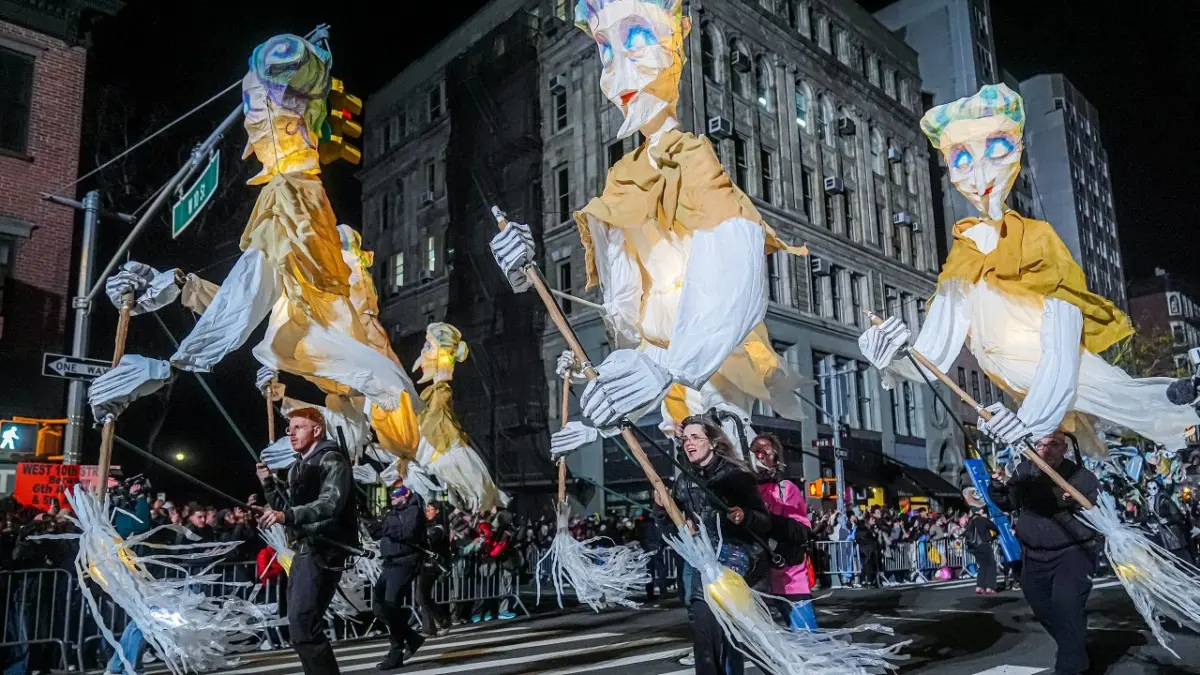
New York City is preparing itself for another monumental weekend that will test the logistical endurance of the municipal workforce, as just eight hours separate the final moments of the city’s iconic Halloween celebrations from the official start of the TCS New York City Marathon. The upcoming weekend promises a staggering convergence of millions of residents and visitors across the five boroughs, creating a unique urban challenge for city agencies tasked with keeping the metropolis safe, moving, and clean.
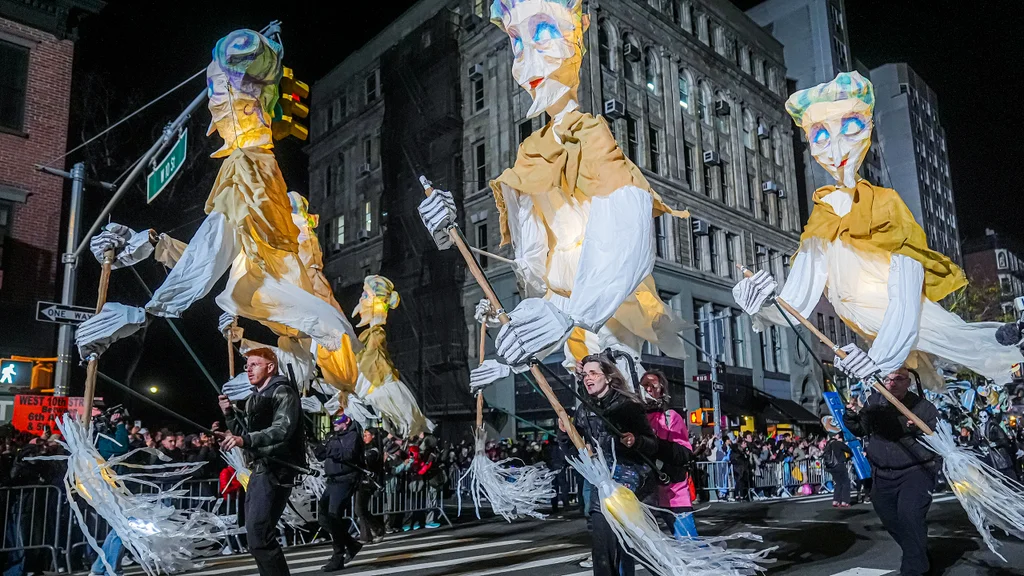
Organizers of the massive Halloween festivities expect roughly 80,000 participants dressed in elaborate costumes alongside an estimated two million spectators lining the streets to take in the spectacle. Meanwhile, the world-renowned marathon will host approximately 60,000 runners tackling the famous 26.2-mile course, supported by an overwhelming turnout of 2.5 million fans cheering them on from the sidelines. While the distinct routes for these two massive events do not directly intersect, the sheer volume of people will render the city’s streets unusually busy, vibrant, and congested. Preparing the urban landscape for these immense crowds—and managing the inevitable debris left in their wake—will require a massive mobilization involving an army of hundreds of sanitation trucks and dedicated workers operating around the clock.
Gregory Anderson, the commissioner of the New York City Department of Sanitation, emphasizes that the city’s perpetual motion is both its greatest attribute and its most demanding logistical puzzle. Speaking with Fast Company, Anderson reflects on the relentless rhythm of the nation’s largest city. "I think the great thing about New York City is that there’s something going on every single day of the year," Anderson says. He notes that while having Halloween fall on a Saturday and lead directly into marathon Sunday is an unusual calendar pairing—particularly when combined with a recent streak of favorable weather that practically guarantees record-breaking crowds for both events—the department is well-accustomed to managing multiple high-profile spectacles simultaneously.
To illustrate the scale of operations the agency routinely handles, Anderson points to earlier in the year when the municipal machinery was pushed to similar limits. "This summer, for example, the July Fourth holiday weekend overlapped with World Cup watch parties, Knicks’ NBA Finals games, and Taylor Swift and Travis Kelce’s wedding," Anderson adds. Drawing on these past experiences, the commissioner expresses absolute confidence in his personnel. "So we’re used to it, we’re ready for it, and we’re just excited to be there alongside New Yorkers as they’re celebrating whatever it is they’re celebrating," he notes.
For the sanitation agency, this weekend’s monumental undertaking is broadly divided into two critical operational phases: public safety and post-event cleanup. In reality, the intricate process is already well underway. For the past week, the Department of Sanitation has been collaborating closely with the city Department of Transportation to meticulously sweep the extensive marathon course. The legendary route begins in Staten Island before winding its way across Brooklyn, Queens, Manhattan, the Bronx, and ultimately finishing back in Manhattan. This sweeping and preparation process is scheduled to continue uninterrupted through Saturday night, ensuring the pavement is as pristine as possible for the tens of thousands of endurance athletes.
As the start times for each event draw near, operational priorities shift to include robust physical security measures. Sanitation workers will strategically park heavy municipal vehicles—including salt spreaders filled with sand to substantially increase their weight and stability—along key access points to serve as impenetrable blockades. Specifically, crews will position 40 heavy trucks to secure critical intersections surrounding the Halloween parade route, while an impressive 158 trucks will be deployed along the 26.2-mile marathon course. "Our trucks, they’re big, they’re heavy, they don’t move," Anderson explains, highlighting the dual purpose of these vehicles in crowd protection and traffic management.
Once the crowds disperse and the celebrations wind down, the agency shifts its operational posture into high gear to restore the city to order. Commissioner Anderson points out that every major municipal event brings its own distinct environmental footprint, ranging from the colorful confetti of ticker-tape parades to the diverse mix of food and beverage packaging left behind after the Halloween revelry, contrasted with the specific types of refuse generated by long-distance runners, such as paper water cups, discarded banana peels, and sticky energy gel packs.
For the Halloween parade, the cleanup operation cannot begin until law enforcement has completely cleared the thoroughfares of costumed and celebratory participants. Once the New York Police Department gives the green light, a targeted strike force consisting of 189 sanitation workers and 17 supervisors will immediately swoop in to restore the avenue. However, because the calendar falls differently this year, sanitation officials anticipate that the cleanup window will open significantly later than it typically would during a mid-week event.
"When we have the parade on a Monday or a Tuesday, sometimes we are able to get in there earlier, sometimes even before midnight to start cleaning up," Anderson explains. "But this year we’re expecting we may not be able to start cleaning until after midnight, maybe even 1:00, 2:00 in the morning because we do want to wait until NYPD has safely moved folks off the parade route so that we can get in there with our equipment. We don’t want people hanging around and having a good time while our heavy equipment is in there."