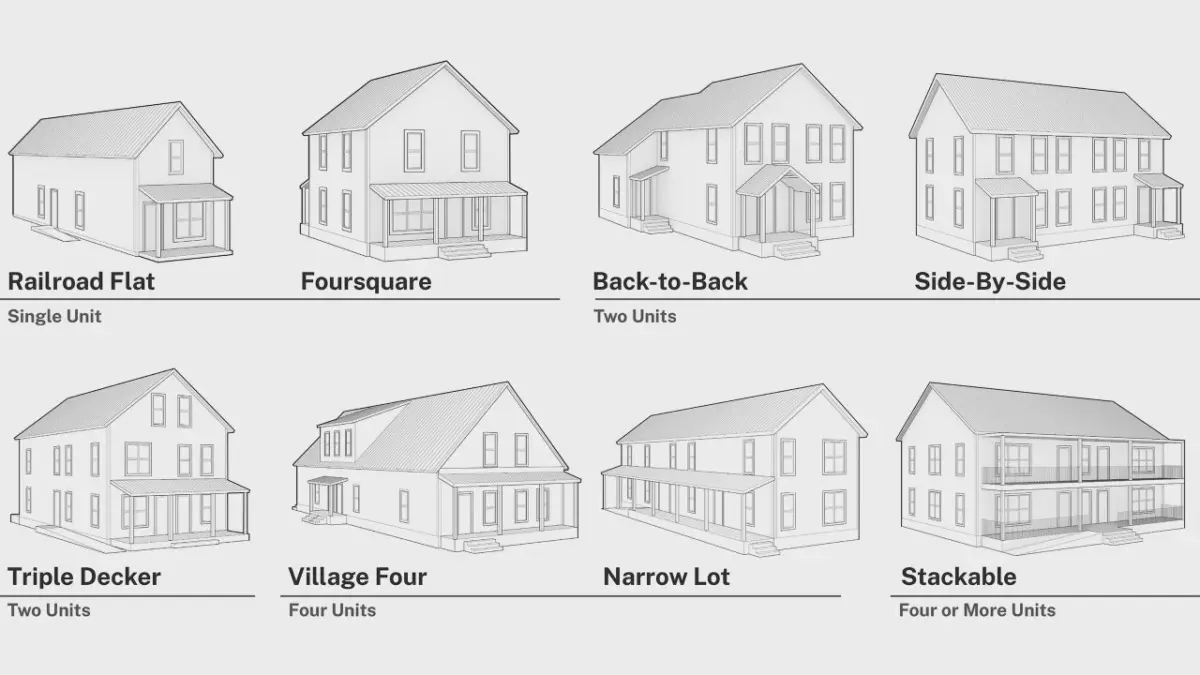
In Vermont, state officials are currently finalizing a 10-home catalog titled 802 Homes, named appropriately after the state’s sole area code. The catalog is scheduled for release early next year. Once published, the blueprints included in the collection will be made entirely free for home builders and developers to use. Because these architectural designs have already cleared state-level regulatory hurdles, developers utilizing them can expect to bypass lengthy delays and zip straight through local zoning and approval processes.
The initiative comes at a critical time for the national housing market. According to White House estimates released in April, the United States faces a staggering shortage of 10 million homes, with a particularly acute deficit in starter homes. To help fill this massive gap, a growing number of local governments have turned to preapproving building plans as a direct strategy to get construction moving and reduce overall development costs. Vermont stands out as one of the very first states to launch its own comprehensive, statewide preapproved housing program, a model that officials in other states are now closely watching and considering for their own jurisdictions.
Jeff Dube, community planning and project manager at the Vermont Department of Housing and Community Development, explained the strategic vision behind the catalog in an interview with Fast Company. The state needs attainable housing that precisely matches the specific housing types Vermonters want and need. This includes homes designed to allow older residents to age in place or downsize comfortably, as well as starter options that enable young families to finally get their foot in the door of the property market. Furthermore, Dube emphasized the importance of locating this new housing in areas that naturally support walkable communities, historic downtowns, and established village centers. These areas tend to be well-served by existing infrastructure, which ultimately helps to drive down overall development costs.

The strategy being adopted in Vermont aligns with a broader national movement. Approximately 40 jurisdictions across the United States have established some form of a preapproved building plan program, according to research from the Pew charitable trusts. Cities that have implemented these programs are already seeing tangible results on the ground.
In South Bend, Indiana, for instance, more than 90 housing units have either been built or approved as of June, following the city’s approval of an initial seven plans in 2022. Similarly, in Kalamazoo, Michigan, construction crews managed to build nearly 50 units by 2025, just one year after the city introduced eight preapproved architectural plans of its own. Meanwhile, Hawaii County on the Big Island of Hawaii has been utilizing this approach for a much longer period. Having launched its program earlier, the county has successfully overseen the construction of 225 units since 2012, drawing from a library of 56 preapproved plans.
The momentum behind preapproved housing continues to accelerate nationwide. Officials in cities stretching from Helena, Montana, to Washington, D.C., have proposed their own preapproved housing plan programs over the course of the year. Meanwhile, in California, state law mandates that cities offer preapproved plans specifically for accessory dwelling units—a regulatory route that various other municipalities throughout the country have also chosen to pursue. According to Pew, offering preapproved housing plans either for free or for a nominal fee significantly shortens preconstruction approval timelines, thereby cutting down on costly delays and reducing the financial burden on developers and homebuyers alike.
The specific houses featured in Vermont’s upcoming 802 Homes catalog were deliberately designed to be both affordable and highly versatile. Crucially, they are engineered to meet Vermont’s pressing housing needs for smaller households—a demographic segment frequently referred to in urban planning circles as the "missing middle" of housing. At the same time, the designs have been crafted to ensure they retain a distinct architectural aesthetic that feels right at home in Vermont.