Walk around any modern urban center anywhere in the world today, stand on a busy street corner, and try to actually tell the passing cars apart. Go ahead, just try. They are all smooth, rounded, anonymous blobs, shaped by the exact same computerized wind tunnels and the exact same corporate cost spreadsheets. Decades of strict safety regulations, pedestrian-impact mandates, and relentless aerodynamic optimization for fuel efficiency and electric vehicle range have conspired to iron out the distinct character of the automobile. The resulting landscape is a sea of homogenized crossovers and indistinguishable sedans that look as though they were all poured from the very same plastic mold.
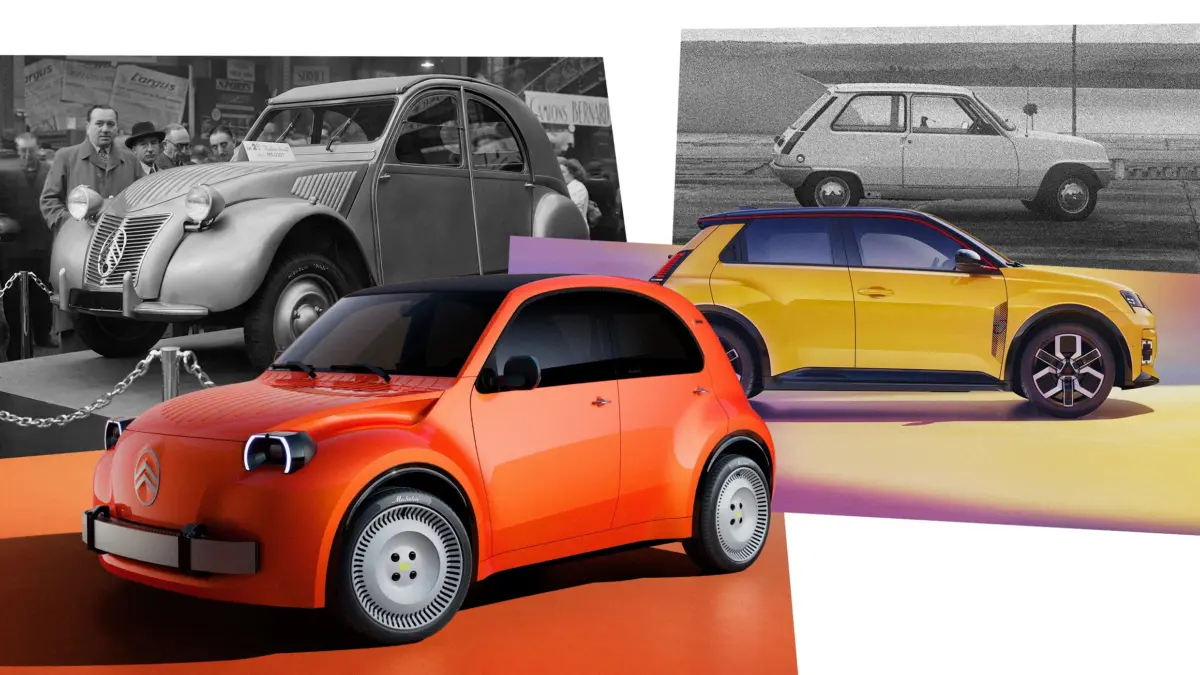
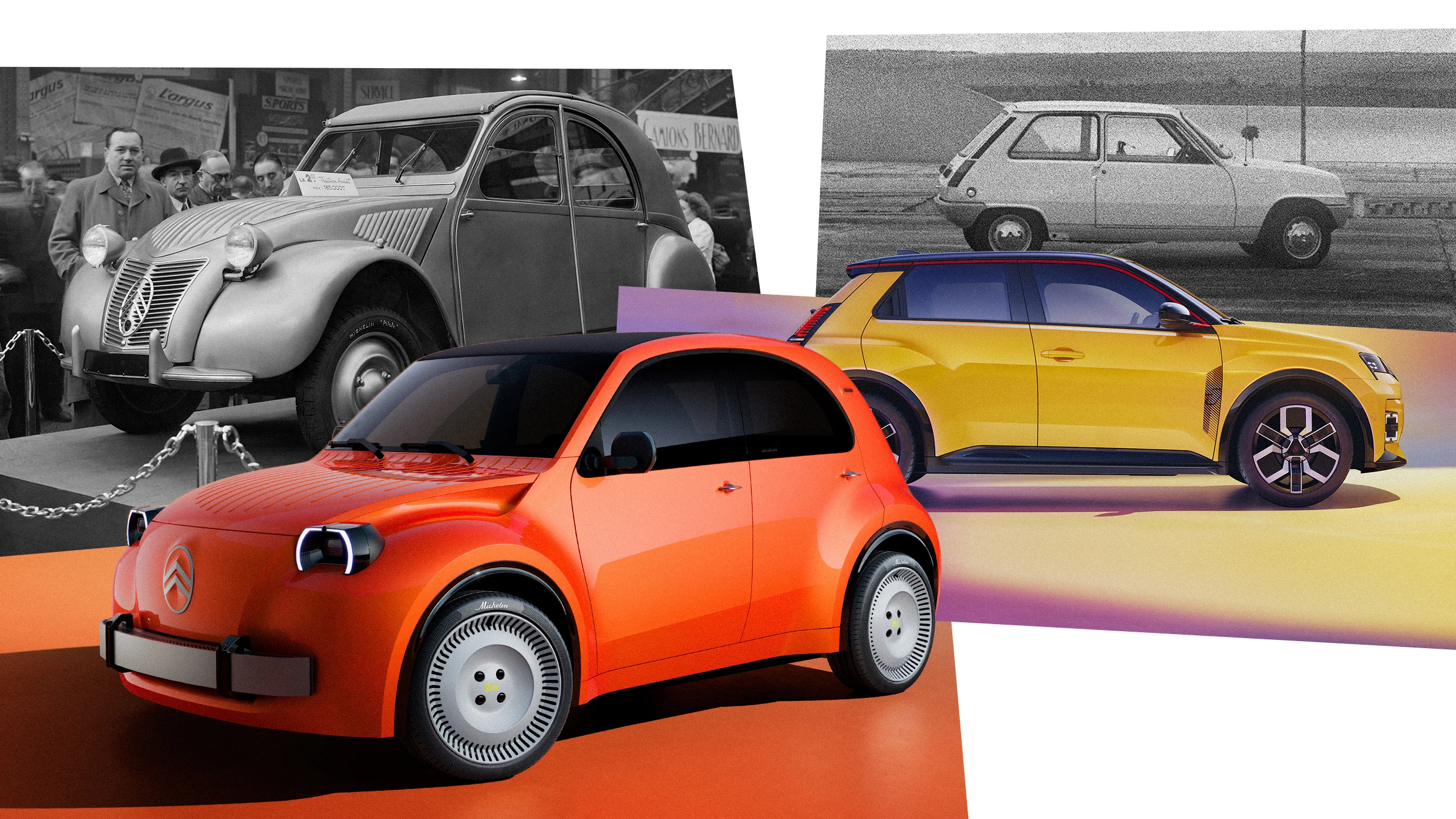
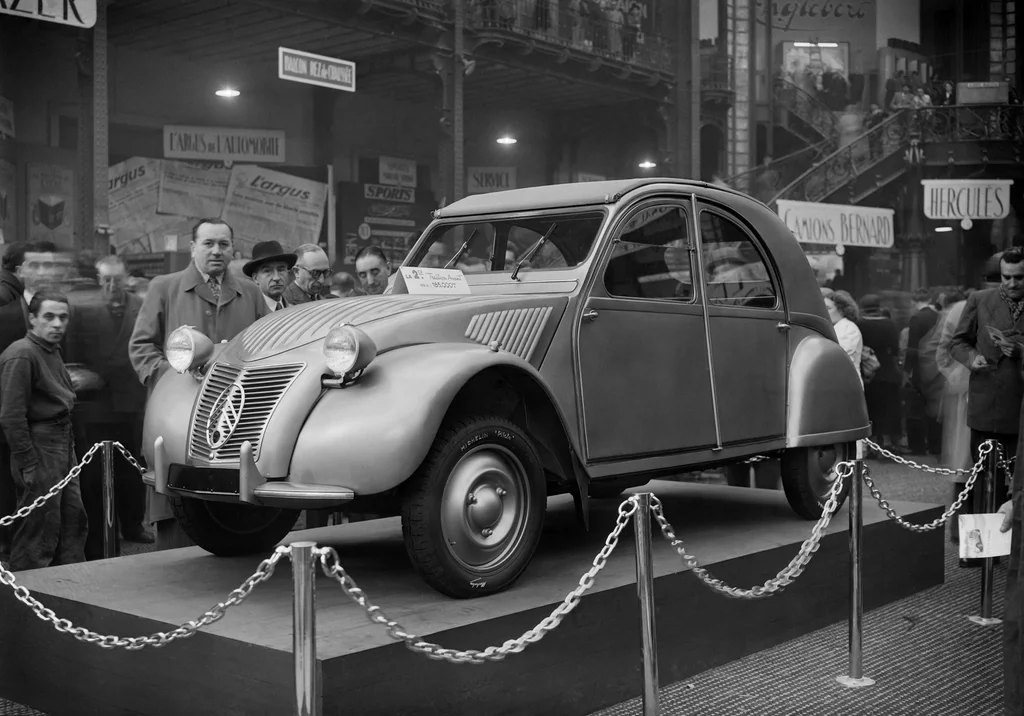
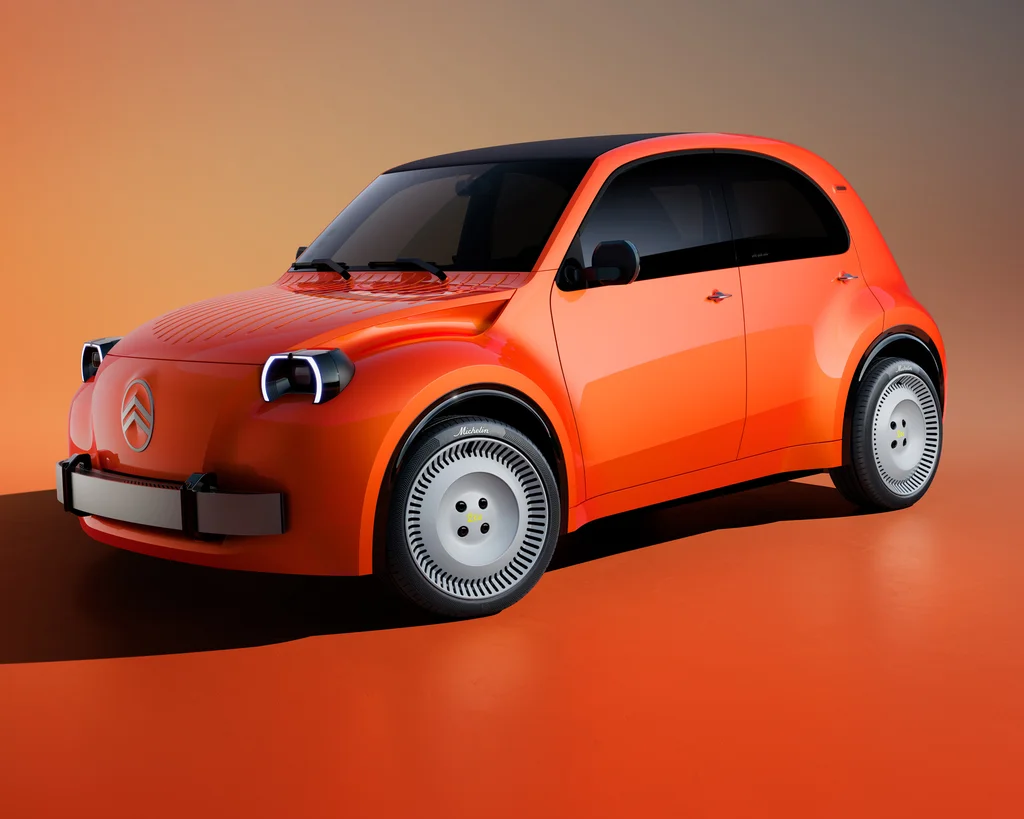
Yet, amid this sea of sameness, something remarkably different is happening across Europe. Legacy automakers such as Renault and Citroën are digging deep into their historical archives and rolling out striking new vehicle designs explicitly modeled after their most iconic, beloved historical silhouettes. At the Paris Motor Show, Citroën captured the imagination of the automotive press and public alike by unveiling a fully electric 2 CV Concept alongside a charming little matching delivery van. Not to be outdone, Renault showcased a reborn R8 Gordini and an E-Space concept, adding them to the growing stable of retro-inspired electric vehicles that already includes modern reinventions of the R5, the R4, and the Twingo.
Consumers are responding with intense enthusiasm, actively lusting after these vehicles. The appeal spans multiple generations, captivating Gen Xers who grew up when those original cars populated the streets during their golden era, as well as younger generations who are thoroughly fed up with the blandness of modern car design and are actively hunting for fresh, expressive aesthetics. For many buyers, these are not merely appliances for commuting; they are cars with rich history and a magnetic design personality. They feel undeniably loaded with a certain kind of design affection and emotional resonance that has been entirely missing from the automotive marketplace for decades.
Adrian Clarke, a car designer turned critic who writes perceptively about industrial design for The Autopian and Hagerty, the prominent classic auto insurer, views these strategic retro revivals as a powerful competitive weapon that exclusively legacy original equipment manufacturers (OEMs)—in industry parlance—get to wield.
"Legacy OEMs now know that heritage and their brands are very powerful in creating emotional appeal for customers—and it’s something that newer brands like Tesla or Rivian and especially the Chinese OEMs don’t have," Clarke observes, highlighting the structural advantages of history. "Heritage and brand DNA become a key differentiator."
This sentiment is shared by the upper echelons of European automotive styling departments, though leadership urges a measured and thoughtful approach rather than uncritical pandering to the past. Alexandre Malval, vice president of Renault brand design, acknowledges the potency of corporate archives while offering a crucial caveat to Fast Company.
"This heritage is an asset, but it must be handled with care," Malval says. "The goal is not to reproduce cars from the past out of nostalgia, but to reinvent them so they are perfectly suited to our times."
Raiding the Attic
Nobody is raiding the corporate attic and rummaging through the back catalog with more enthusiasm, or commercial success, than Renault. The French manufacturer has made heritage-driven electrification the cornerstone of its modern product strategy, turning historical affection into robust sales figures across the continent.
The Renault 5 E-Tech, a battery-powered contemporary remake of the iconic 1972 hatchback that defined an era of European mobility, quickly established itself as a powerhouse in the marketplace. It secured its position as Europe’s best-selling small electric car in the first half of the year. Starting at an accessible 24,990 euros, which translates to roughly $28,000 in France, Renault managed to move more than 100,000 units of the retro hatchback across Europe, according to data published by the French automotive magazine Auto Plus.
Building on that momentum, its stablemate, the Renault 4 E-Tech, has received continuous technical and aesthetic improvements. The utility-focused electric vehicle now boasts an impressive driving range of up to 258 miles on Europe’s official test cycle, alongside plans for an even more affordable trim level scheduled to hit dealership floors before the end of the year. Meanwhile, the newly introduced Twingo E-Tech channels the cheerful, friendly spirit of the beloved 1992 city car, offering urban commuters an entry point starting at 19,490 euros, or approximately $21,800.
By grounding cutting-edge electric powertrains and modern digital interfaces within instantly recognizable, emotionally resonant shapes, these legacy automakers are proving that the future of automotive design does not have to abandon its past. Instead, by carefully translating historical character into contemporary language, European brands are offering drivers an antidote to the anonymous blobs currently dominating global streets.