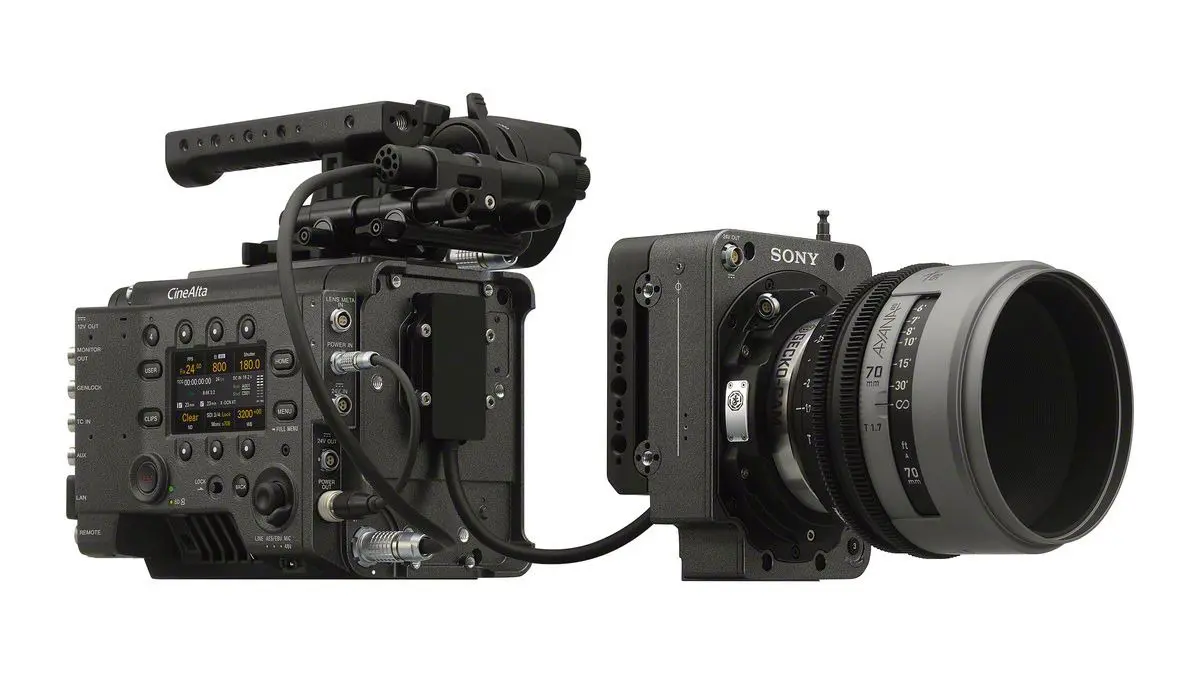
Sony has provided the motion picture industry with its first substantial look at the extraordinary capability of the upcoming Rialto 65 cinema camera system. Initially teased by the imaging giant back in July, the new system introduces a massive sensor that measures a staggering 53.75mm wide and 35.83mm high. Measuring approximately 2.2 times larger than a standard full-frame sensor, the Rialto 65 places Sony squarely in the high-end medium-format territory, making it one of the largest commercially available sensor modules ever engineered specifically for professional cinema production.
Alongside the release of breathtaking test footage showcasing the module’s unprecedented depth of field and remarkable low-light handling, Sony has finally attached a definitive price tag to the ambitious hardware. Expected to hit the market in the first half of 2027—though the company notes this timeline remains tentative—the Rialto 65 is slated to retail for an imposing $80,000, roughly translating to CA$113,800, £59,811, or AU$113,658 based on current exchange rates.
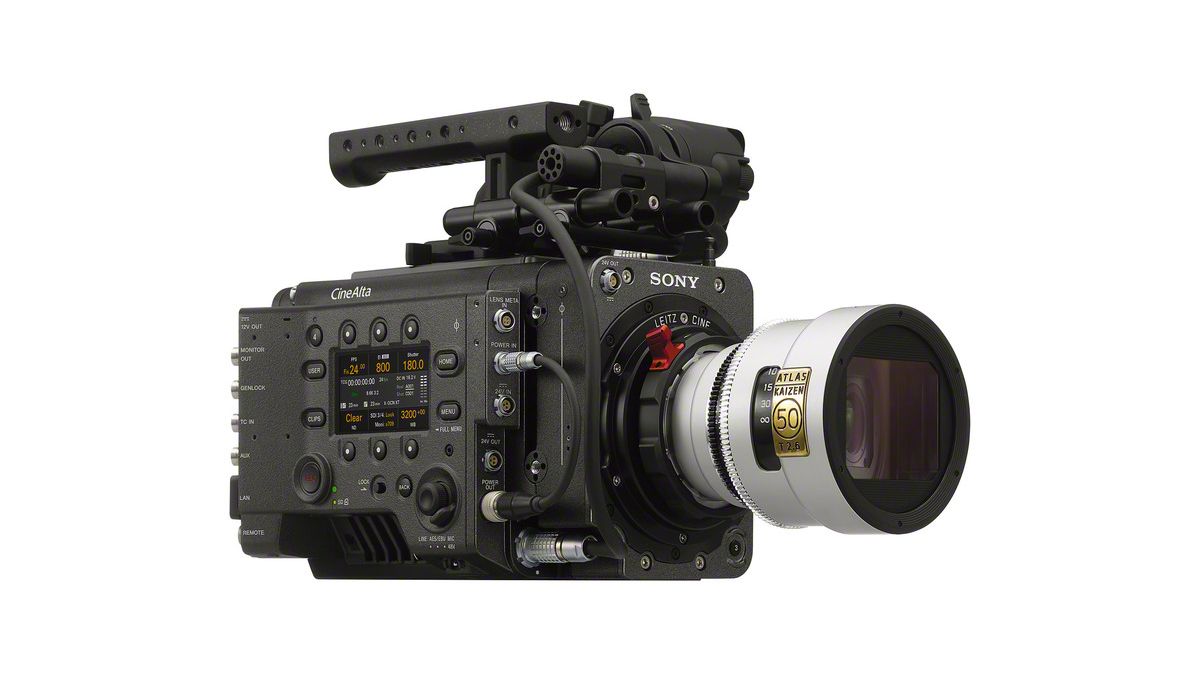
Rather than functioning as a standalone, ground-up cinema camera, the Rialto 65 is meticulously designed as an advanced, ultra-large sensor module built to integrate directly with Sony’s existing, highly regarded Venice 2 camera ecosystem. By anchoring itself to the Venice 2, the Rialto 65 inherits the cinema system’s celebrated color science, robust 16-bit X-OCN recording capabilities, and overall workflow ecosystem. While the current Venice 2 offers cinematographers a choice of two full-frame sensor options—an 8.6K resolution variant and a 6K resolution variant—this forthcoming medium-format addition expands the platform’s optical potential significantly, offering dedicated support for specialized 65mm format lenses.
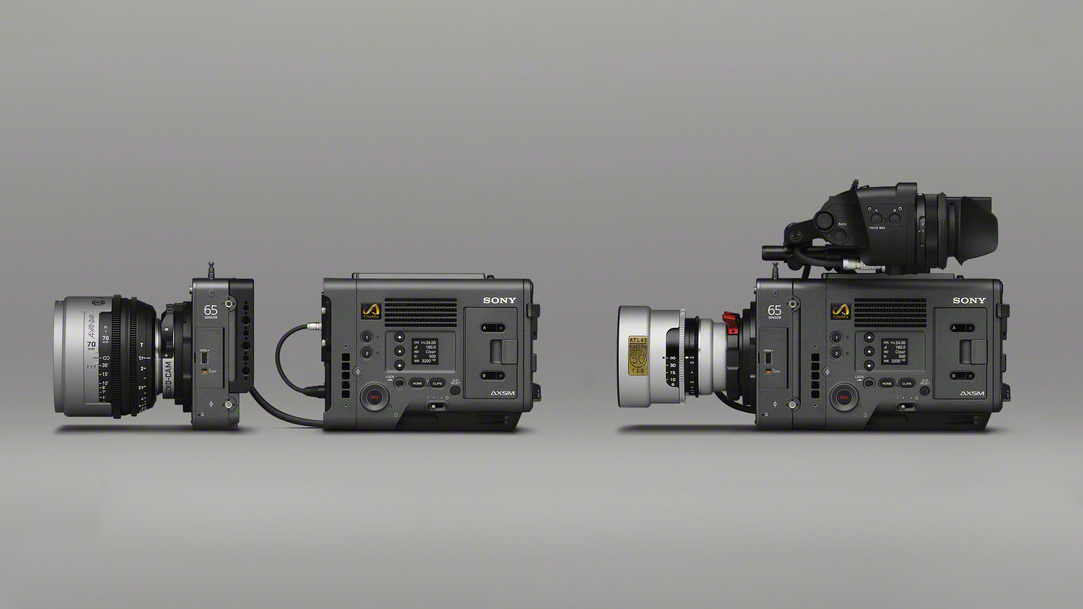
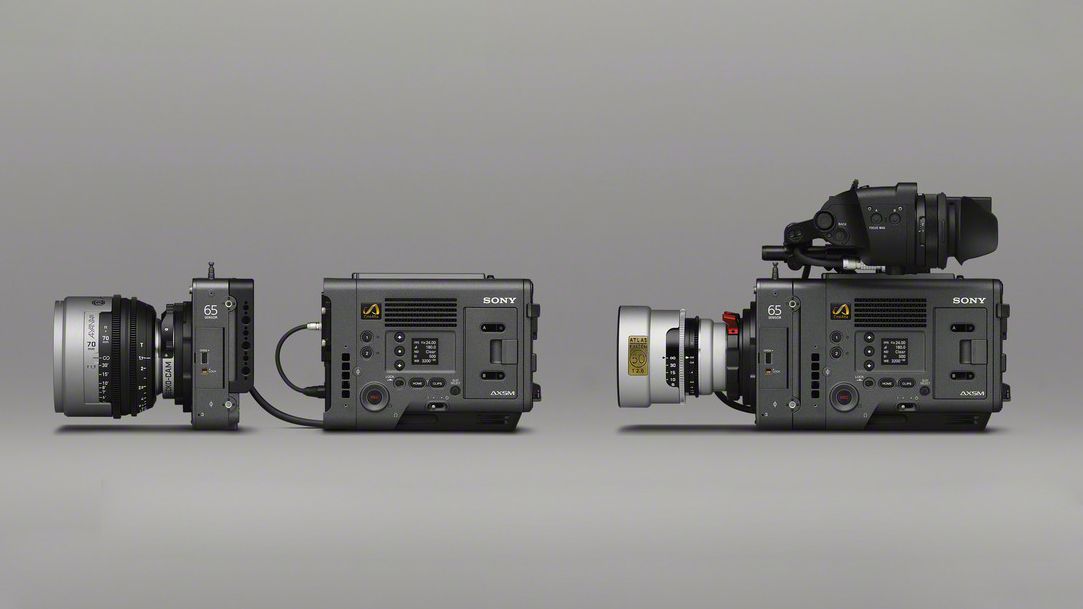
The engineering behind the Rialto concept focuses heavily on versatility in physical placement on set. While the sensor module can attach directly to the main camera body for traditional configurations, it also retains the signature flexibility of Sony’s extension systems. This means the heavy camera body and the delicate optical head can be completely separated, allowing camera operators to maneuver the lens and sensor module into tight, confined, or awkward spaces where a traditional camera build simply could not fit. This design philosophy gives directors of photography an extraordinary degree of freedom, combining the massive aesthetic benefits of a giant medium-format look with the agility required for complex blocking and dynamic camera movements.
To demonstrate the real-world cinematic potential of the hardware, Sony released official sample footage captured with the Rialto 65. Among these is a poignant short piece titled "Local People," directed and shot by acclaimed cinematographer Łukasz Żal, PSC. The footage offers industry professionals a revealing glimpse into how the oversized sensor handles subtle tonal graduations, skin tones, and challenging low-light environments. Because current streaming platforms such as YouTube do not support native resolutions exceeding 9K, the test videos are presented in 4K resolution; nevertheless, they provide ample evidence of the unique, three-dimensional falloff and shallow depth of field inherent to a sensor of this physical magnitude.
The announcement of the $80,000 price point completes the picture for an industry that has been buzzing with speculation since the hardware was first previewed over the summer. While a price tag of this scale firmly restricts the Rialto 65 to top-tier Hollywood productions, high-end commercial houses, and luxury rental inventories, it underscores Sony’s ongoing commitment to pushing the boundaries of digital cinematography. For productions operating on more modest scales, the market continues to offer a wide array of alternative options, ranging from versatile professional cinema cameras to compact setups optimized for modern vlogging and independent storytelling. As the industry looks ahead to the anticipated 2027 release window, the Rialto 65 stands as a bold statement on the future of ultra-large-format filmmaking.