Apple has made a massive splash in the personal computing market with the announcement of five new Mac computers, delivering a wave of hardware updates that will immediately capture the attention of creative professionals, video editors, and photographers alike. Headlining this major hardware drop is the introduction of the long-rumored and highly anticipated Apple MacBook Pro featuring a revolutionary PROLED XDR display, marking a historic milestone as the very first Apple laptop to incorporate touchscreen functionality. Alongside this flagship machine, Apple has expanded its ecosystem with two new traditional MacBooks and an all-in-one iMac desktop computer, all powered by the cutting-edge M6 chip that initially debuted inside the Mac Mini earlier in the year.

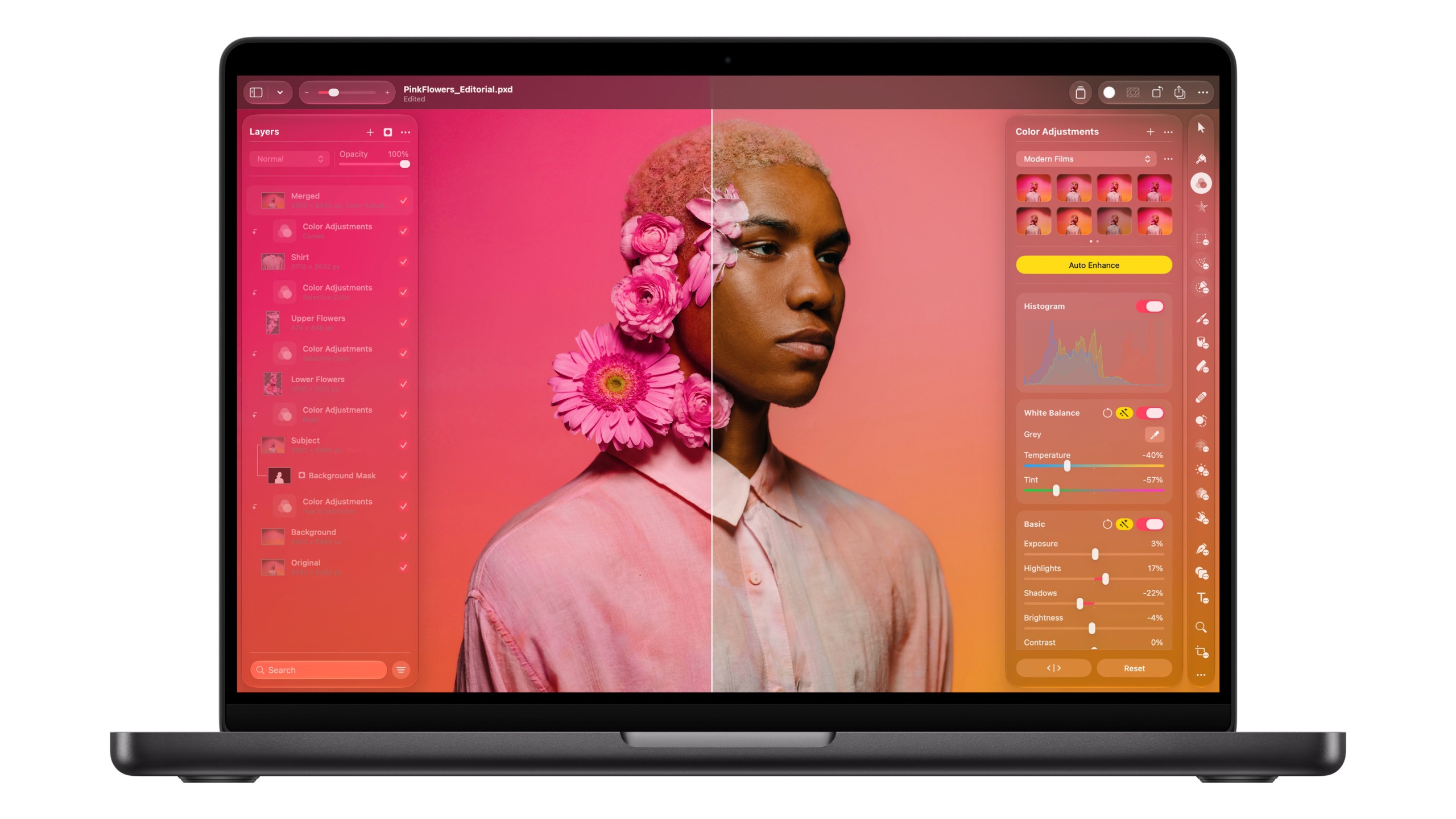
The crown jewel of this latest hardware announcement is undoubtedly the MacBook Pro equipped with the PROLED XDR display. Apple is billing the new device as "the world’s best pro laptop," and the specifications certainly back up the ambitious claim. Utilizing advanced tandem OLED technology, the new PROLED XDR MacBook achieves up to an astonishing 2,000 nits of peak brightness for both HDR and SDR content, complemented by an industry-leading contrast ratio of 10,000,000 to 1. This technological leap ensures that professional photo and video editors working in high-end production environments will experience unprecedented color accuracy, deep blacks, and brilliant highlights.
More transformative, however, is the introduction of touch capabilities to the MacBook Pro line. For years, Apple resisted bringing touchscreens to its macOS ecosystem, arguing that traditional laptop form factors did not lend themselves well to vertical touch displays. With this new release, the company appears to have changed its approach, introducing a thin touch-enabled display that is designed to open up an entirely new dimension for creative professionals to interact with their content. According to Apple, the new interface allows for fluid physical interactions, ranging from the intricate manipulation of 3D computer-generated models to playing virtual musical instruments directly on the screen.

The MacBook Pro with PROLED XDR display will be available in two distinct sizes: a 14-inch model weighing approximately three pounds and a 16-inch model weighing around four pounds. Both sizes maintain remarkably slim profiles despite housing the advanced tandem OLED hardware. Under the hood, users can configure these machines with a choice of either M5 Pro or M5 Max chips, offering extreme processing and graphical power tailored for heavy workloads. Furthermore, Apple is catering to professionals with massive data storage needs by offering onboard storage configurations of up to 16 terabytes. Despite the immense power and high-brightness displays, both models boast an impressive battery life of up to 24 hours on a single charge.
Pricing for the flagship MacBook Pro with PROLED XDR reflects its high-end positioning. The 14-inch version starts at $2,899, while the larger 16-inch model starts at $4,499. These figures position the new laptops firmly at the top tier of the professional market, targeting working professionals, studios, and enterprise users who require absolute peak performance and display fidelity.
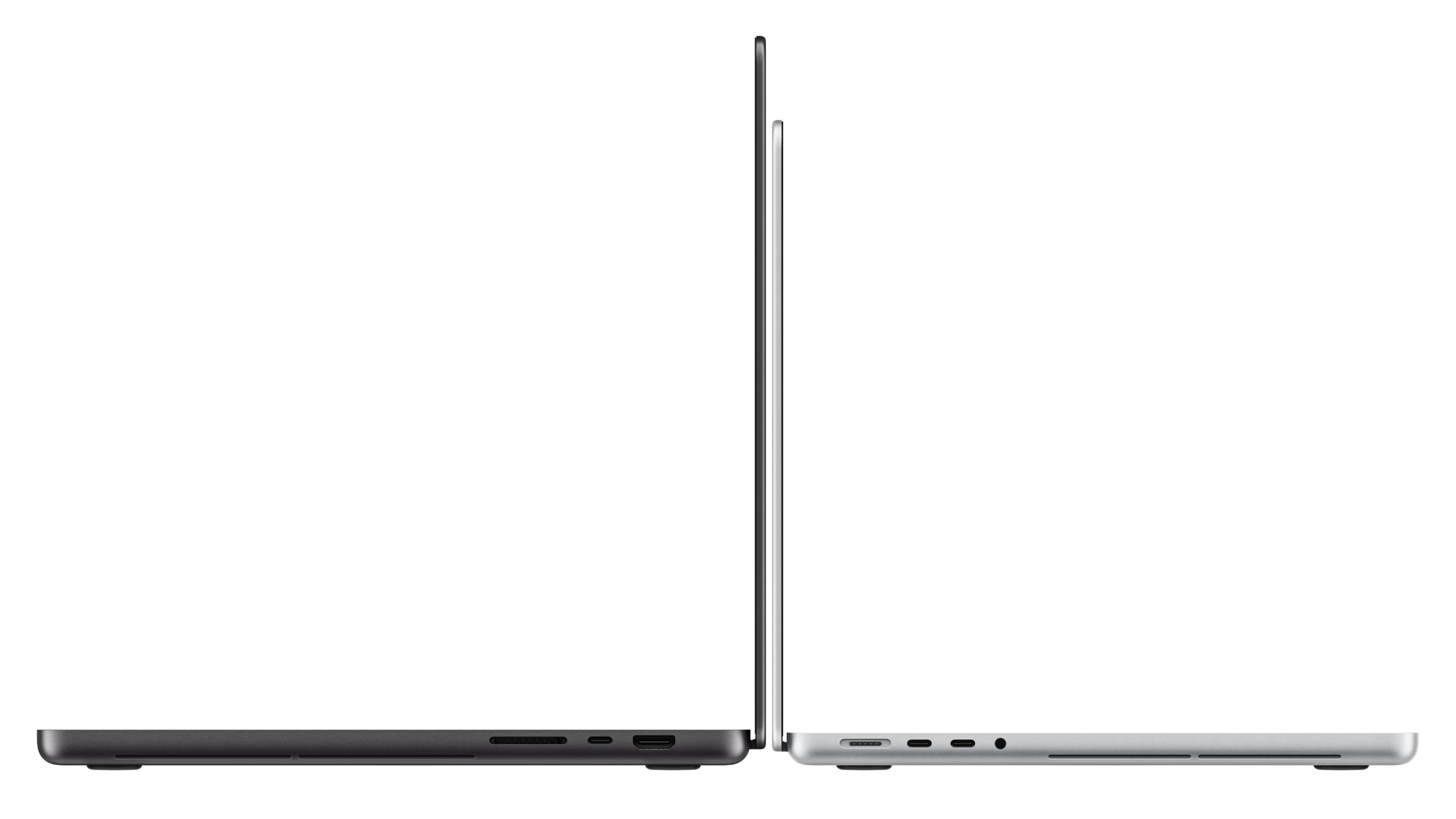
For users who prefer a traditional laptop experience without the touchscreen overlay, Apple is also releasing two additional MacBook variants featuring non-touchscreen Liquid Retina XDR displays. The 14-inch model in this secondary lineup benefits from the integration of the newest generation M6 processor, bringing the latest architectural improvements from the Mac Mini directly to a portable form factor. Prices for this 14-inch non-touch model will start at $1,999. Meanwhile, the larger 16-inch version of the traditional MacBook line will not feature the M6 chip at launch; instead, it will rely on the M5 Pro or M5 Max chips, with a starting price of $2,999.
Rounding out the hardware announcements is the latest iteration of Apple’s iconic all-in-one desktop computer, the iMac M6. The new desktop features an integrated 24-inch 4.5K Retina display and will be available in a vibrant choice of seven distinct colors, maintaining the playful yet sophisticated aesthetic that has defined the modern iMac line. The inclusion of the M6 chip brings substantial performance gains to the desktop space, with Apple claiming that the new iMac M6 is up to 12 times faster than the original iMac M1 model that was launched five years ago. This massive performance jump promises to make legacy upgrades exceptionally compelling for creative workers still relying on first-generation Apple Silicon hardware.
The iMac M6 is scheduled to officially go on sale starting on November 6, with a starting price of $1,499.