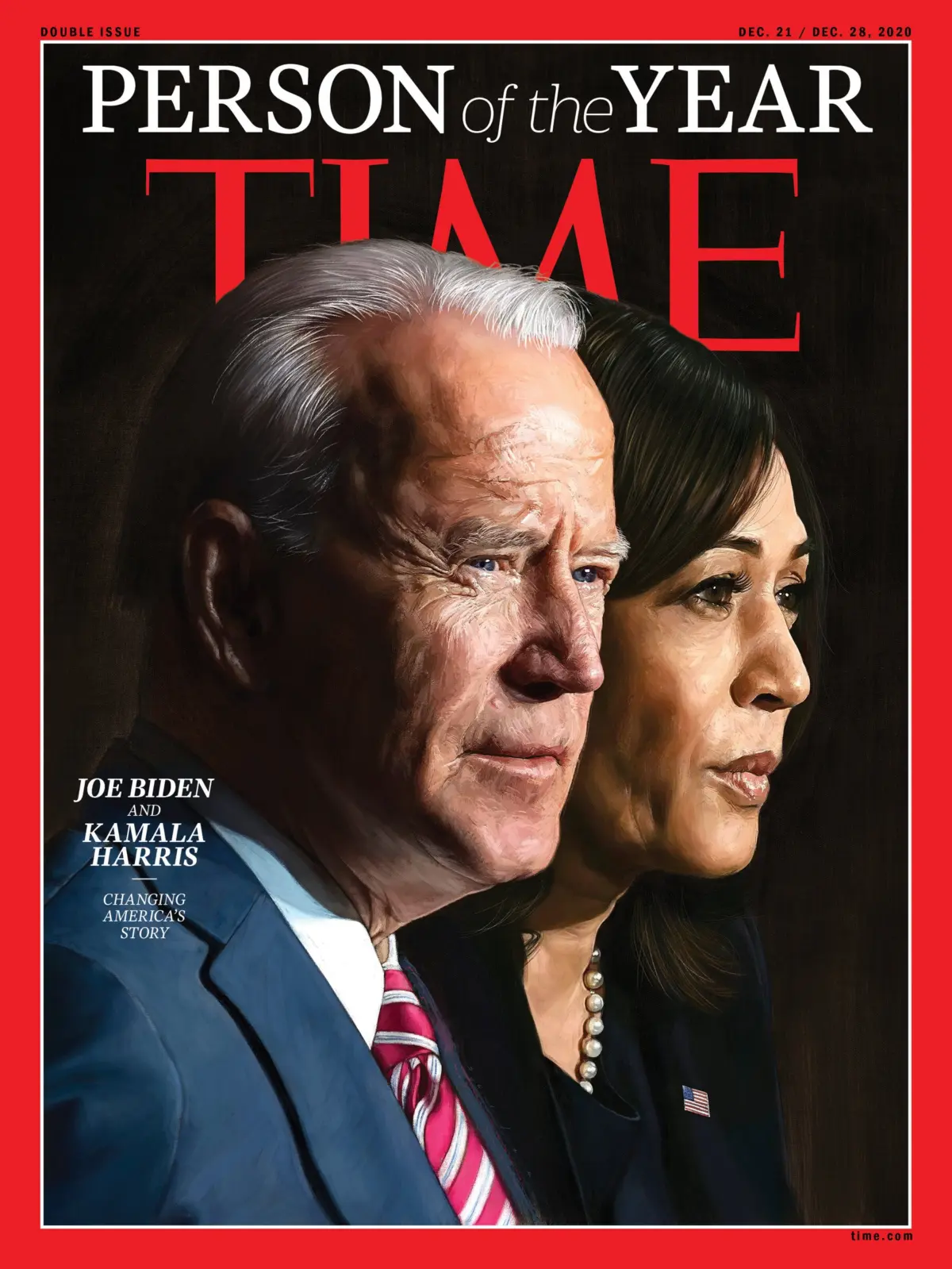
The annual unveiling of TIME magazine’s Person of the Year issue has long been a fixture of the cultural and political calendar, carrying with it a distinct aura of mystery, high-stakes drama, and intense public intrigue. Every year, as the editorial staff at the prestigious periodical prepares to crown the individual who has most influenced the news and our lives for better or worse over the preceding twelve months, a secretive creative process unfolds behind the scenes. Long before the final choice is locked in and sent to print, the magazine commissions various artists, illustrators, and photographers to depict a wide range of potential candidates. This meticulous, multilayered approach ensures that TIME is ready to roll out a compelling visual narrative the moment the decision is finalized. However, this cloak-and-dagger methodology means that the artists themselves are often kept entirely in the dark. The exact choice of who will grace the cover is never officially known by the hired creators until the magazine is ready to hit newsstands and drop into mailboxes worldwide, making the assignment both a thrilling honor and a high-pressure exercise in creative suspense.
For the historic Person of the Year issue following the turbulent 2020 election cycle, the magazine tapped acclaimed Chicago-based illustrator Jason Seiler to capture the spirit of the moment. Landing a TIME cover is a monumental achievement for any visual artist, but this assignment marked a particularly notable milestone for Seiler, as it was his second time being selected to paint the coveted Person of the Year cover. Known for his sharp, expressive caricature work and his ability to distill complex personalities and political moments into striking visual statements, Seiler brought his signature depth and texture to the assignment. To dive deeper into the experience of creating such high-profile artwork, Illustration Age’s Sam Gallant recently sat down with Seiler for an extensive discussion. In their conversation, which is now available to viewers in a newly shared video feature, the artist and the interviewer explore the fascinating intersections of art and politics, discussing what it is truly like to draw the leaders of the free world, how his background as a musician and a drummer influences his visual rhythm and creative workflow, and a whole lot more about the demanding realities of commercial illustration at the highest level.

The process of painting political figures of global importance is fraught with unique challenges, particularly when those figures are sitting at the absolute center of the world stage during a time of immense social and political division. When Seiler was approached to create the artwork for the magazine, the political landscape in the United States was shifting dramatically, and the anticipation surrounding the incoming administration was palpable. Artists tasked with these assignments must navigate not only the tight deadlines imposed by a weekly news publication but also the immense scrutiny that comes with depicting public figures who evoke strong emotions from millions of people. For Seiler, whose career has spanned numerous iconic magazine covers, album art, and digital illustrations, the key lies in looking past the surface caricature to find the human element beneath the public persona. His previous work for the magazine had already established him as a trusted hand capable of handling sensitive and high-stakes visual commentary, and this second opportunity allowed him to further refine his approach to capturing modern political history through paint and digital mediums.
Beyond the world of political portraiture and high-profile magazine commissions, the conversation between Sam Gallant and Jason Seiler also sheds light on the broader creative philosophy and personal life of the artist. One of the more surprising and engaging aspects of the discussion is the exploration of Seiler’s passion for music, specifically his experience as a drummer. While drumming and visual art might at first glance appear to be entirely separate disciplines, Seiler discusses the deep parallels between the two creative outlets. Both require an acute sense of timing, rhythm, composition, and energy. Just as a drummer must maintain a steady beat while adding dynamic fills to drive a song forward, an illustrator must balance structural accuracy with expressive brushstrokes and visual cadence to make a portrait come alive. This rhythmic sensibility is evident in Seiler’s artwork, where dynamic lines and careful tonal gradations create a sense of movement and vitality that static photographs often fail to capture.
The interview also touches upon the realities of working within the fast-paced editorial publishing industry, where artists must often adapt on the fly to sudden changes in editorial direction or breaking news developments. Because the editorial staff at TIME evaluates multiple potential covers featuring different candidates right up until the final deadline, artists must pour an immense amount of effort into pieces that may ultimately end up being used inside the magazine or archived away entirely. Yet, for creators like Seiler, the thrill of contributing to a historic record outweighs the inherent uncertainties of the job. Each assignment serves as a snapshot of a specific moment in time, preserved in print and digital archives for future generations to study and interpret. Through this in-depth conversation with Illustration Age, fans of illustration, aspiring artists, and political junkies alike are offered a rare, behind-the-scenes glimpse into the mind of a master illustrator who continues to shape how we visualize the defining figures of our era.