The pristine, turquoise waters of the Maldives are globally renowned as a sanctuary for marine life, drawing scuba divers, underwater photographers, and conservationists from every corner of the planet. Yet beneath the postcard-perfect surface of this Indian Ocean archipelago, the harsh realities of illegal commercial fishing and wildlife exploitation continue to threaten its fragile marine ecosystems.
Recently, that stark contrast was brought into sharp focus by a dive tour leader and marine wildlife filmmaker who shared a heartbreaking and deeply disturbing encounter. While diving in the southern Maldives, the photographer captured footage of a mutilated tiger shark struggling to survive after having its fins brutally severed. The harrowing visual media has since gone viral across social media platforms, including Instagram, serving as a powerful and devastating reminder of the urgent need for global awareness, stricter maritime enforcement, and the vital role that visual storytelling plays in modern conservation advocacy.
The incident took place at Fuvahmulah, a remote, single-island atoll recognized globally as a UNESCO Biosphere Reserve. Fuvahmulah is celebrated by the diving community for its rich biodiversity and its healthy populations of pelagic species, particularly tiger sharks. It was here that Xabi Romero, an Argentinian-Spanish photographer and conservationist, was navigating the vibrant underwater landscape alongside a fellow diver who was operating a camera.
Drifting leisurely above the coral-covered seafloor close to the surface, the two divers noticed an unusually shaped silhouette gliding through the blue. At first glance, the creature’s movement appeared awkward and unnatural compared to the sleek, powerful propulsion typical of apex predators. As the animal drew closer, however, the horrifying reality of its condition became unmistakably clear. This was not a rare or deformed species, but a juvenile female tiger shark that had been subjected to the horrific practice of shark finning, leaving her body severely maimed.
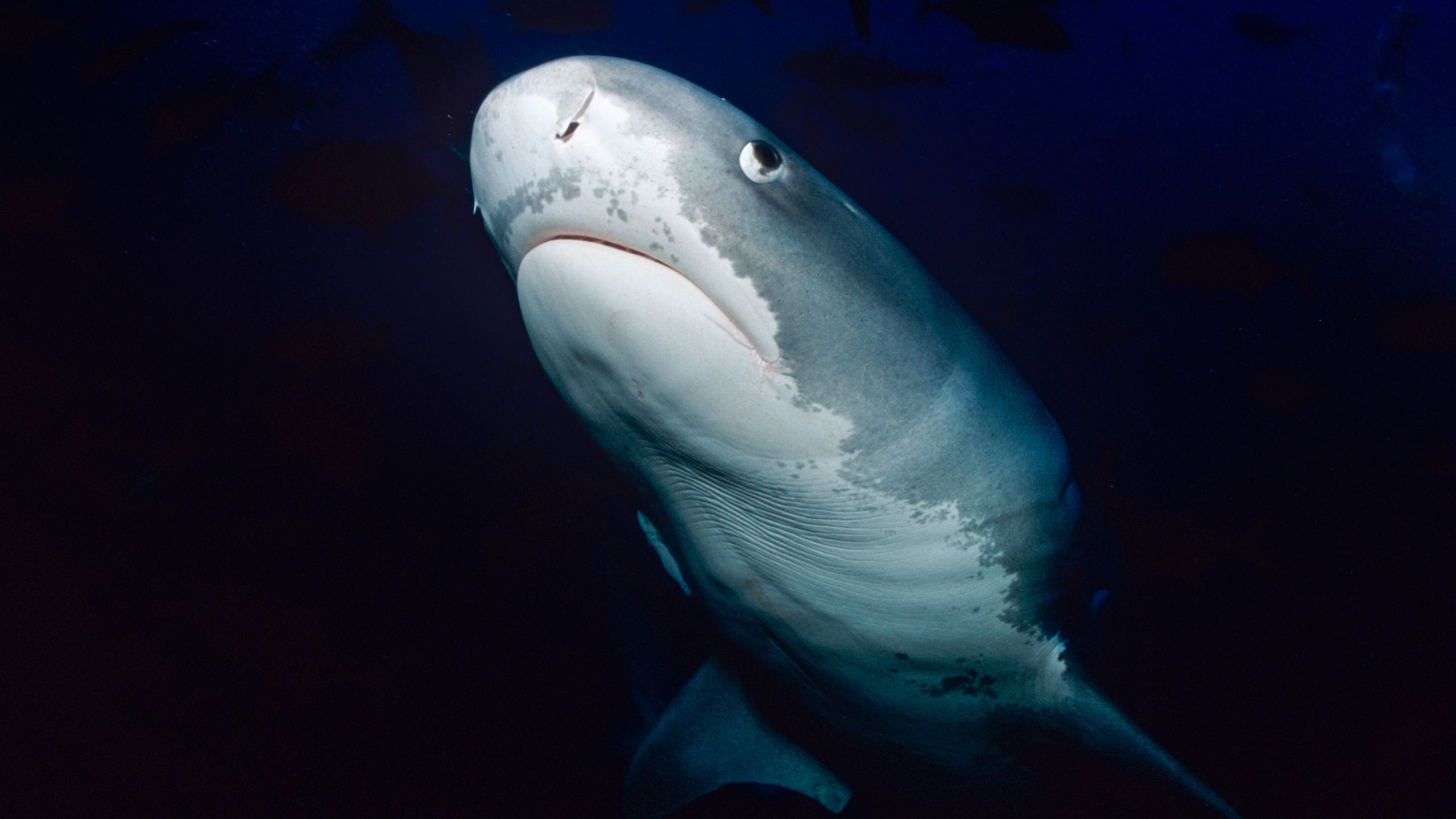
“This is the saddest encounter of my life,” Romero wrote in the caption of his widely shared Instagram video documenting the meeting. In the video’s detailed description, he added a sentiment that resonated deeply with his followers and the wider conservation community: “That was kind of bottom for me.”
According to Romero and local observations, the young tiger shark was known to regular divers in the area, who had informally named her Fin. The heartbreaking irony of her name highlights the cruel fate she suffered at human hands. Sometime prior to the encounter, Fin had been caught by fishermen. In an act of ruthless efficiency, all of her fins except for the upper lobe of her caudal fin had been sliced off. Rather than retaining the entire carcass, the fishermen threw the mutilated predator back into the open ocean to slowly and agonizingly die.
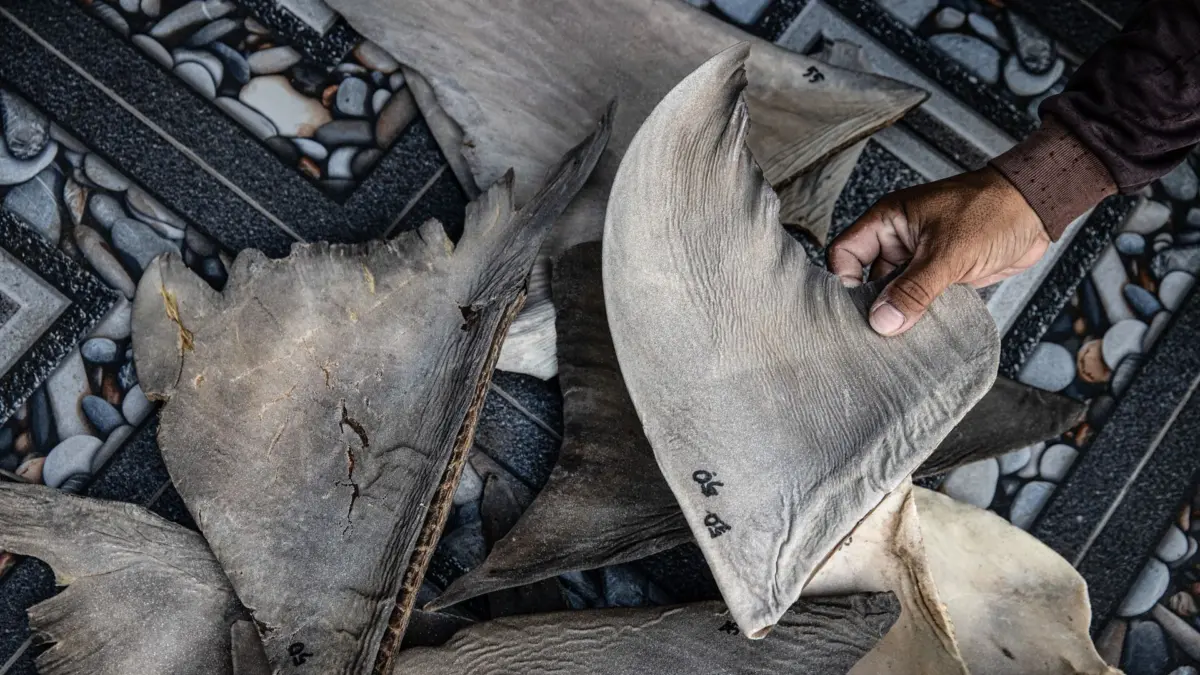
This brutal technique is the core characteristic of shark finning, a practice driven by high commercial profits and the constraints of limited storage space on fishing vessels. By harvesting only the valuable fins and discarding the rest of the body, operators maximize the monetary return of every voyage at the expense of sentient marine life. Shark fins serve as the primary ingredient for shark fin soup, a traditional delicacy and prominent status symbol consumed across several Asian countries, including China, Taiwan, and Hong Kong.
International conservation organizations and marine biologists have long condemned shark finning as a profoundly cruel, wasteful, and ecologically destructive practice. Because sharks occupy the highest tier of the marine food web, they play an irreplaceable role in maintaining the health and stability of ocean ecosystems. The systematic overexploitation and mutilation of these apex predators are driving numerous species toward the brink of extinction, triggering cascading ecological consequences that threaten the entire marine environment.
The Maldives has long positioned itself as a progressive leader in marine protection, implementing some of the strictest shark fishing regulations in the Indian Ocean. The nation enforces a comprehensive, nationwide ban on commercial shark fishing, which includes strict prohibitions against catching tiger sharks and harvesting fins from any shark species whatsoever. To ensure compliance, maritime authorities utilize various monitoring strategies, including requiring registered commercial fishing vessels to carry active GPS tracking devices that allow enforcement agencies to monitor their movements in real-time.
Despite these progressive legal frameworks and monitoring efforts, regulatory loopholes, illegal unreported and unregulated fishing, and unscrupulous crews continue to find ways to skirt the law. The vast expanse of the ocean makes continuous, 24-hour surveillance virtually impossible, leaving vulnerable marine populations exposed to illegal operations operating under the cover of the horizon.
Deeply impacted by the encounter, Romero returned to the same dive site in the days following his initial sighting, hoping against hope to catch a second glimpse of the injured animal and document her struggle. The emotional toll of the experience transformed his perspective on underwater photography, shifting his focus from purely artistic documentation to active conservation advocacy.
“I became obsessed with photographing Fin,” Romero explained. “Seeing her for the first time made me so sad, and I felt like that was a feeling worth sharing.”
Determined to translate his grief and documentation into tangible support for marine protection, the photographer created a high-quality print featuring the shark. He began selling copies of the artwork, pledging to donate a portion of the financial proceeds directly to shark conservation initiatives. While Romero did not publicly disclose the exact financial amounts raised or specify which particular conservation organizations or sanctuaries received the funds, the artistic endeavor underscored the growing intersection between wildlife photography and grassroots environmental activism.
As the footage continues to circulate globally, it serves as a stark reminder of the hidden human impact on marine ecosystems, even within protected biosphere reserves. The tragic story of Fin highlights both the ongoing challenges of enforcing ocean conservation laws in remote waters and the enduring power of visual media to expose environmental atrocities and mobilize public conscience worldwide.