After many years of relying exclusively on streaming platforms for entertainment, a growing number of consumers are initiating a fresh start, looking to return to an era when films and music were packaged in something far more tangible—and enduring—than a recurring monthly digital subscription.
For roughly a decade and a half, the modern consumer relationship with media has been defined by convenience. But for some households, the tipping point has finally arrived, prompting a painstaking process of breaking up with streaming giants in favor of physical ownership, curated collections, and private digital storage hubs.
This shift does not happen overnight. For many, it marks the end of a long-term engagement with digital rentals and subscription services that began with postal DVD rentals and evolved into the all-you-can-eat buffet of modern streaming.
The journey often begins innocently enough. In the early days, services like LoveFilm delivered monthly DVD packages straight to consumers’ letterboxes, creating a tangible anticipation around film nights. Then came the streaming revolution, love-bombing audiences with the promise of access to virtually every film or television show ever made, available instantly at the touch of a button. It felt revolutionary, irresistible, and culturally ubiquitous, introducing breakout original television series that dominated water-cooler conversations across the globe.
Over time, however, the streaming landscape shifted dramatically. Users opening their home pages today are less likely to find carefully curated cinematic masterpieces and more likely to be greeted by endless iterations of reality television spin-offs and sprawling, unedited true-crime docuseries that stretch on for hours without resolution.
Yet, consumer disillusionment with changing content libraries is only part of the equation. Ethical concerns surrounding the compensation of artists have also driven the backlash against mainstream subscription models. For musicians and creators, the economics of modern streaming platforms have grown increasingly untenable. When a listener can access virtually every song ever recorded for the cost of a single pint of beer, the fundamental math of fair remuneration breaks down. Musicians find themselves earning fractions of a cent per stream, making it nearly impossible to sustain a living solely through recorded music on major platforms. For artists and their families, continuing to support these systems in good faith has become an ethical hurdle too high to clear.
Beyond artistic compensation and content fatigue, the critique of streaming extends to the suffocatingly entwined nature of modern digital life. When entertainment is strictly rented rather than owned, consumers gradually lose the distinct pleasure of curating a thoughtful, deliberate collection attuned to genuine personal tastes, rather than the arbitrary whims of an opaque recommendation algorithm. This dynamic is further compounded by mounting frustration over inflation and corporate strategy, as platforms routinely hike their subscription prices year after year while delivering what many users perceive as an increasingly fragmented and declining streaming experience.
Faced with rising costs and diminishing returns, media consumers are asking a fundamental question: where else can they go?
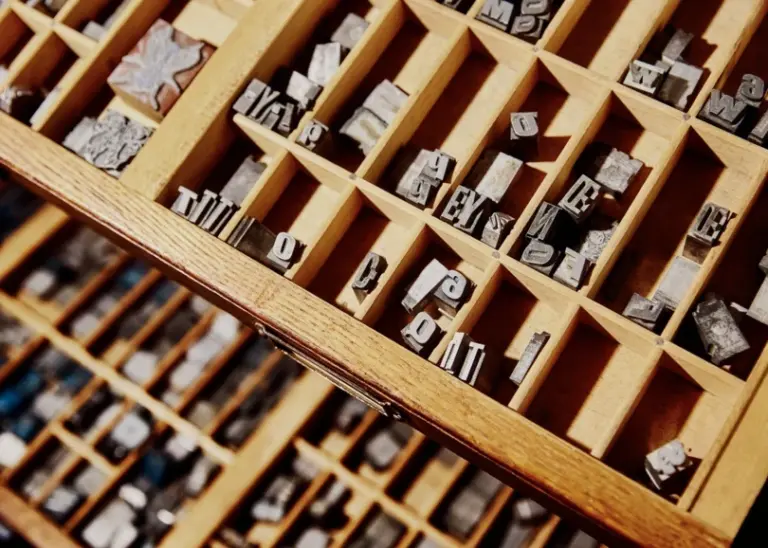
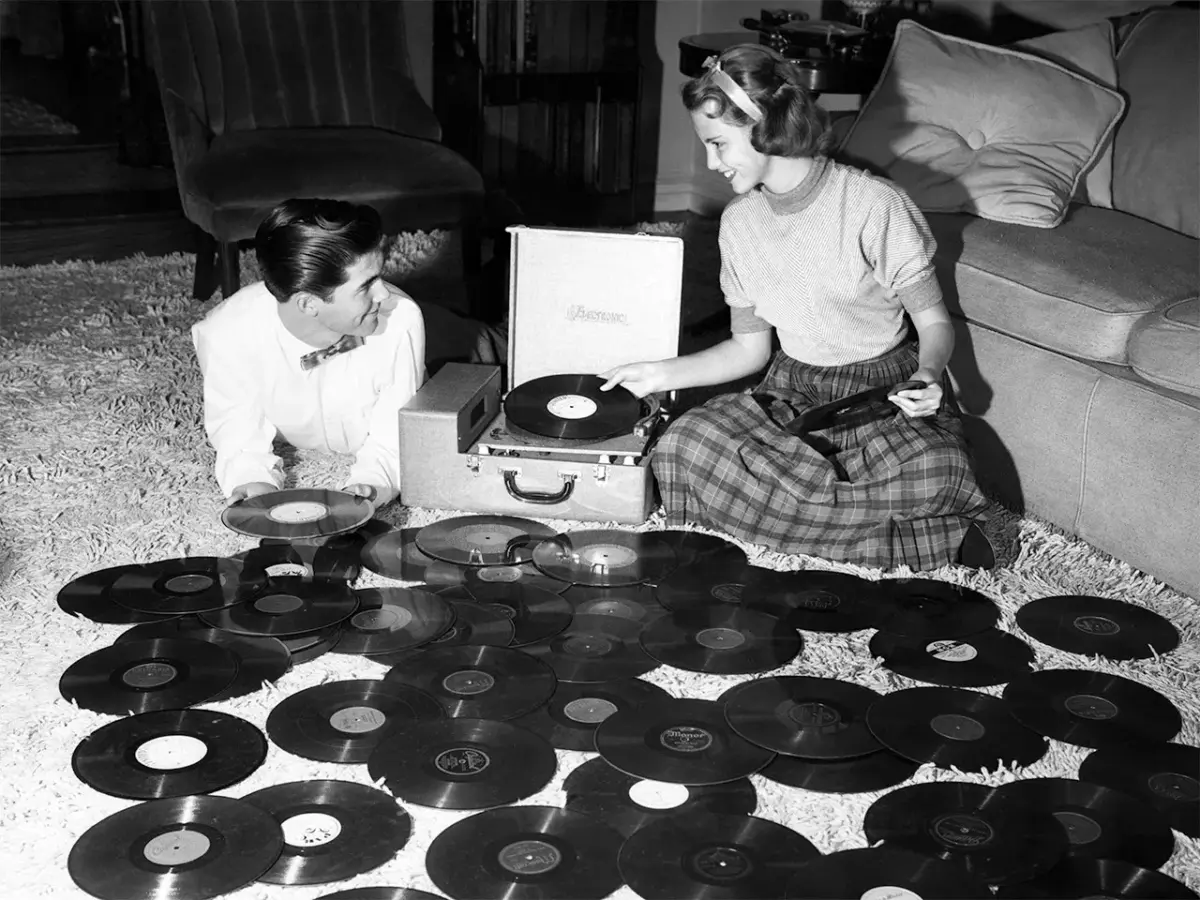
The answer, paradoxically, is backward. Rather than surrendering to endless subscription tiers, some households are actively consolidating their own offline media libraries. This involves dusting off compact discs previously relegated to storage under the stairs, digitizing physical music into private MP3 libraries hosted on home servers, and hunting down vintage industrial furniture—such as 1920s pigeon-hole storage units—to properly display physical media in the home.
This return to physical formats has altered daily media consumption habits. Listening to music has become a more deliberate, intentional act. Instead of skipping frantically through algorithmically generated playlists, listeners are experiencing albums from start to finish, enjoying the cohesive artistic vision originally intended by the musicians. This tactile approach to media is also being passed down to a younger generation, children for whom music and film had previously existed entirely as disembodied hits searched for on a smartphone screen.
A similar philosophy is being applied to visual media. Households are drafting comprehensive wish lists of the classic films and television shows they find themselves returning to year after year, with plans to systematically expand physical DVD collections and fill in any lingering gaps with independent digital files.
The question of storage for these growing digital archives naturally arises. Rather than trusting remote, corporate cloud services—the digital equivalent of commercial self-storage units—technically inclined consumers are investing in Network Attached Storage hubs, commonly known as NAS devices. Operating essentially as a private, home-hosted cloud, hardware solutions from manufacturers like Synology, Ugreen, and Qnap allow users to store, manage, and stream their own media libraries effortlessly without relying on external subscription services.
While turning away from modern digital convenience might sound antiquated—particularly for professionals working directly within the contemporary media landscape—the retreat from streaming is not meant to be an absolute, permanent exile. It is an exercise in intentional consumption, leaving the door open for occasional trips to the local cinema or dipping back into a popular streaming service when a major cultural event captures public attention. But for day-to-day entertainment, the future increasingly looks like a well-curated archive of the past.