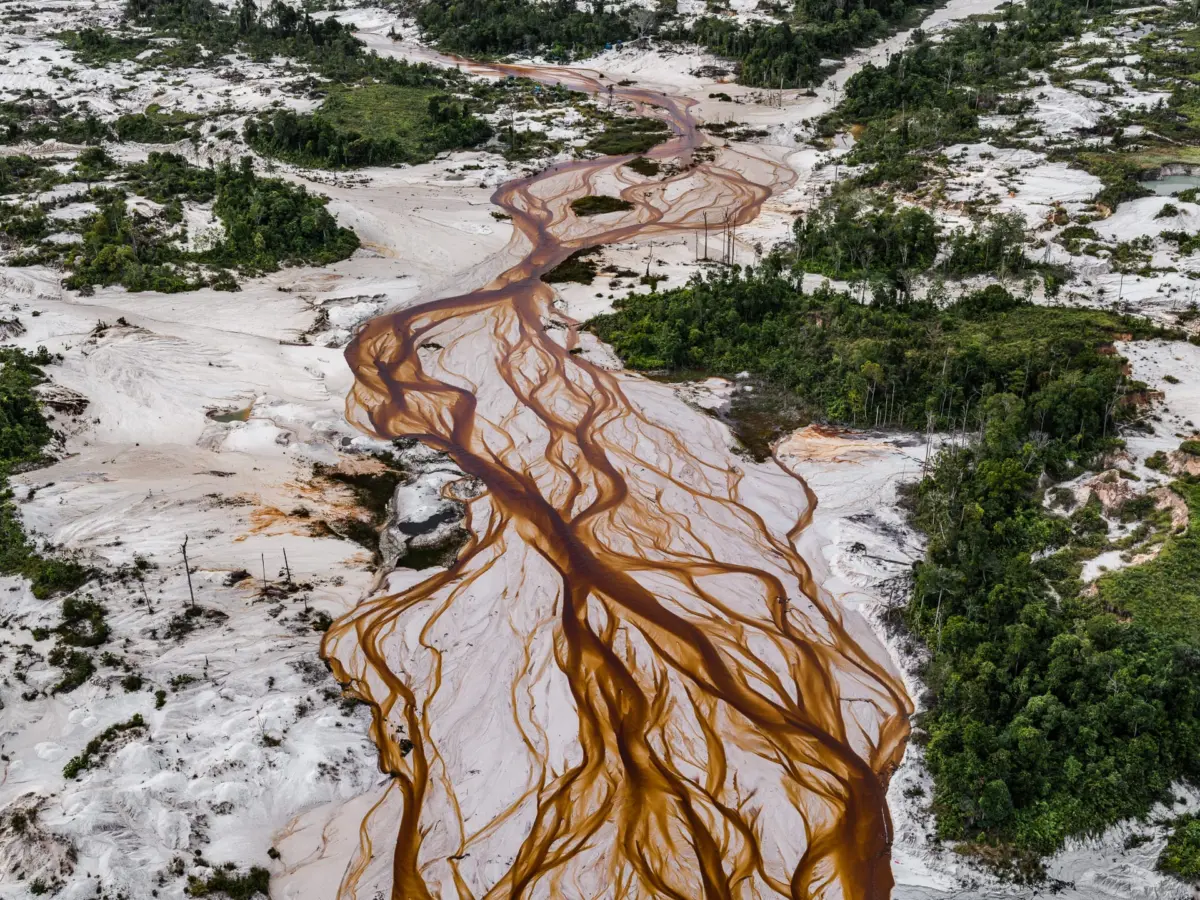
As the global community accelerates its push to phase out fossil fuels and transition toward renewable energy sources, a stark and often overlooked reality is coming to light: the path to a decarbonized future is deeply dependent on the earth’s rare and finite minerals. According to data from ClimateWorks, humanity will collectively need to mine an staggering 6.5 billion tons of cobalt, copper, lithium, nickel, and other essential materials before the year 2050 simply to keep pace with projected global energy demands.
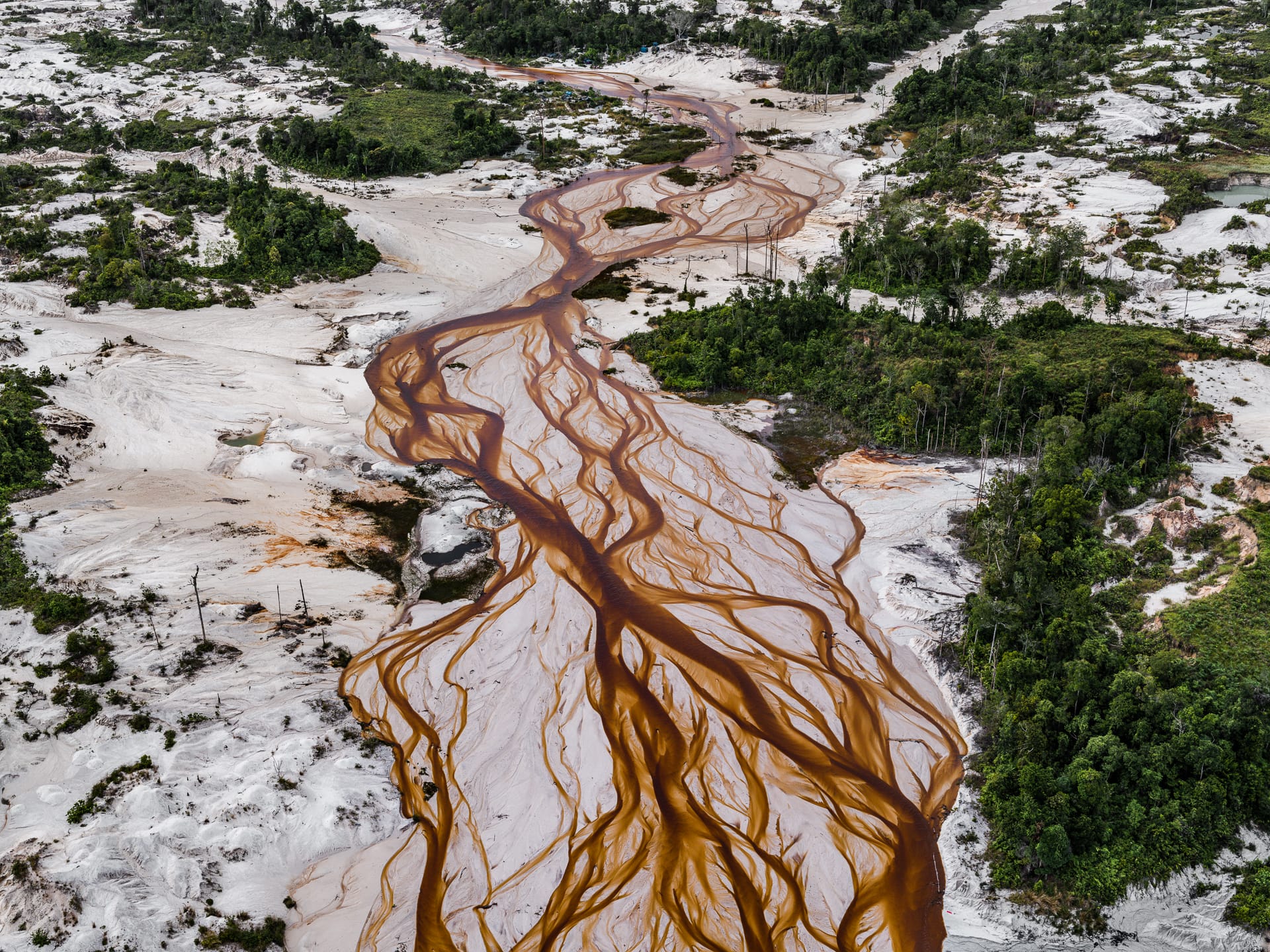
Paradoxically, the vast majority of these critical resources are located in regions that are already bearing the brunt of the climate crisis. From the hyper-arid expanse of Chile’s Atacama Desert and the sprawling nickel reserves of Indonesia to the vital cobalt deposits tucked within the Democratic Republic of Congo, vulnerable local communities are on the frontline of both ecological vulnerability and aggressive industrial extraction.
For the past six years, German photographer Tom Hegen has traveled extensively across the globe to document the human and environmental communities caught in the crosshairs of this massive energy transition. Utilizing his signature aerial perspective, Hegen captures the profound ways landscapes are physically transformed by large-scale extraction operations. His extensive documentation has now been gathered into a new book titled The Mineral Age, published by Hatje Cantz.
"What particularly caught my attention was that many of these resources are concentrated in just a handful of countries, creating new geopolitical dependencies and vulnerabilities," Hegen explains. "At the same time, their extraction often comes with significant environmental and social consequences that receive relatively little public attention."
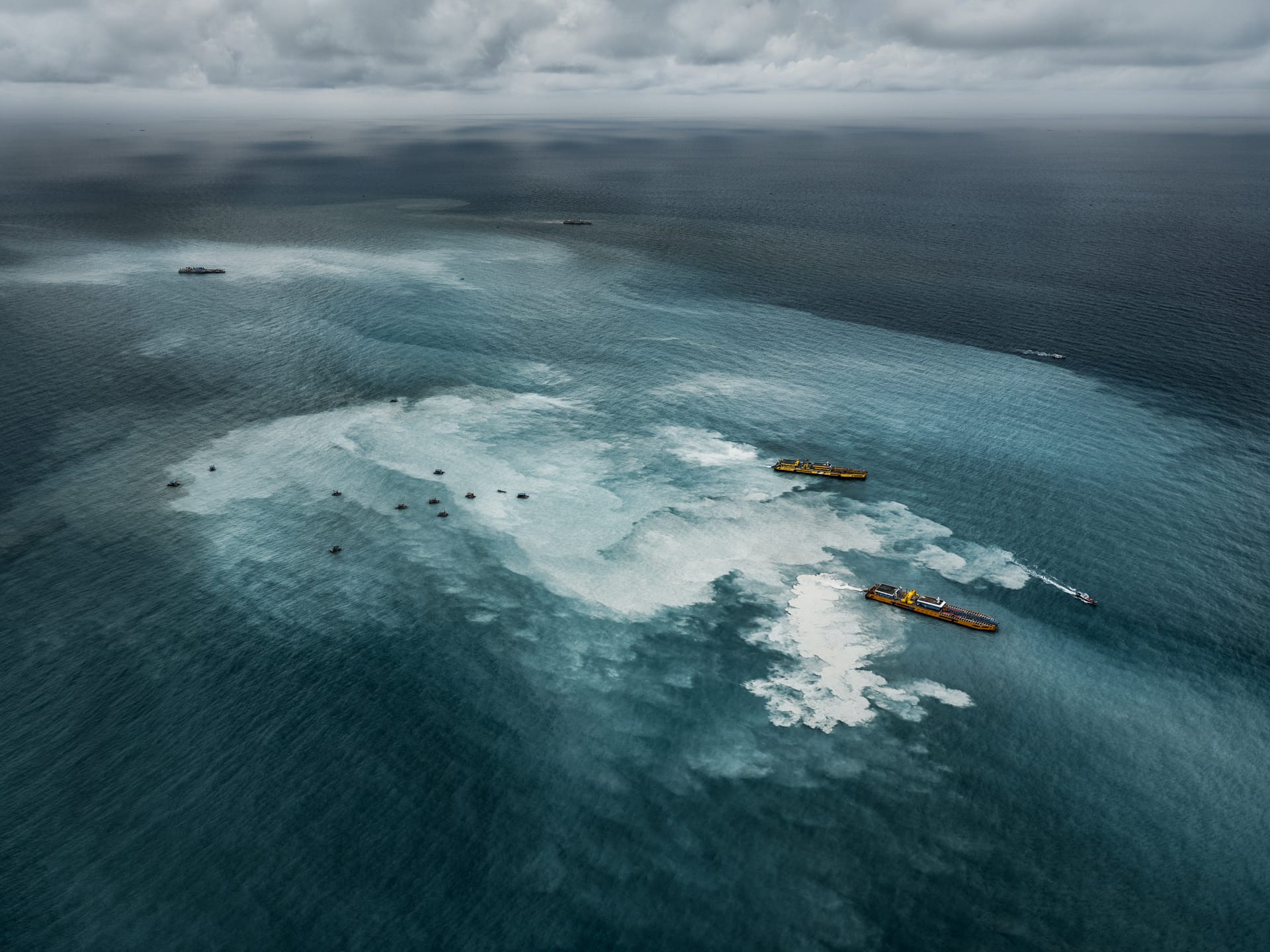
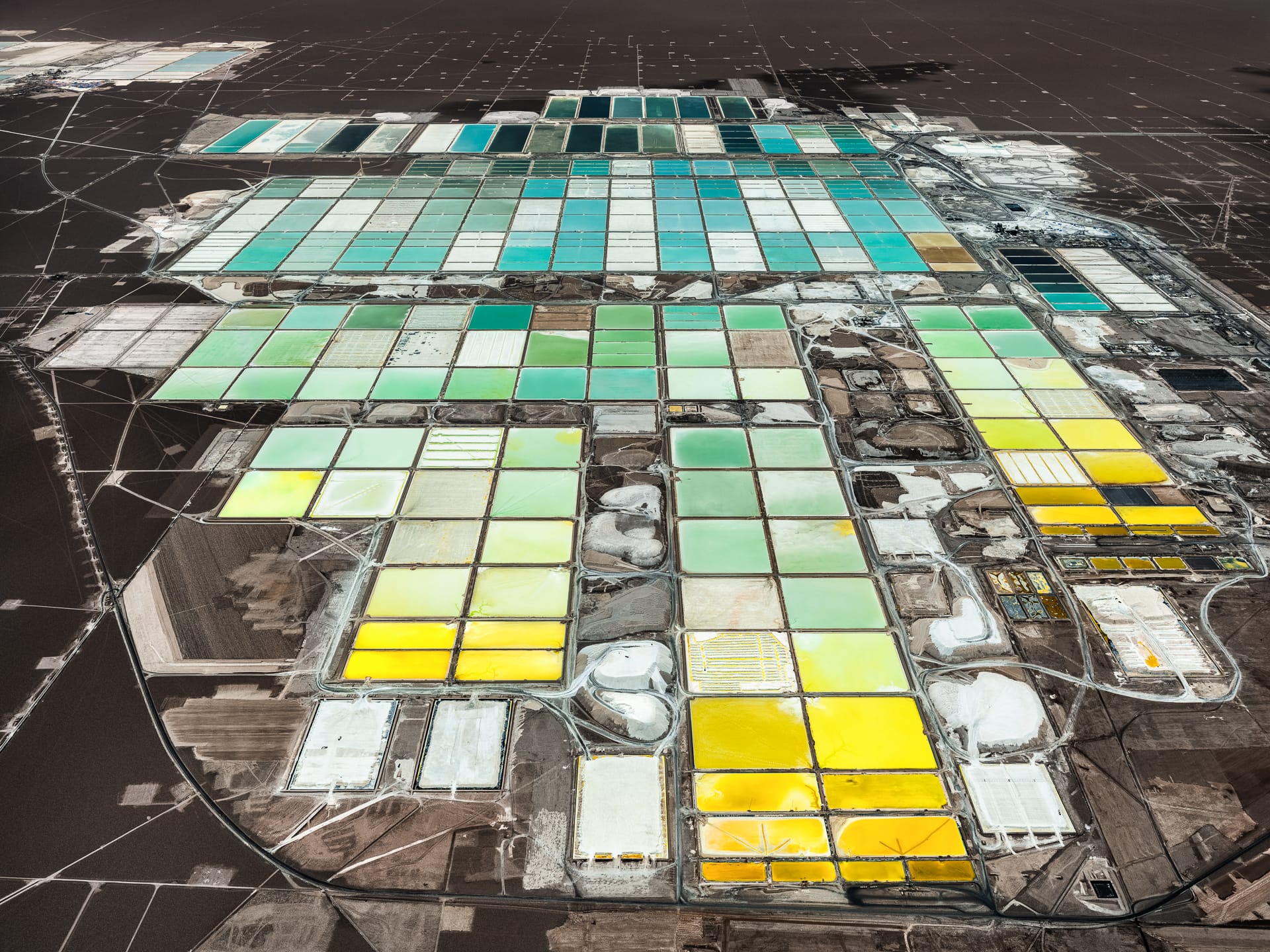
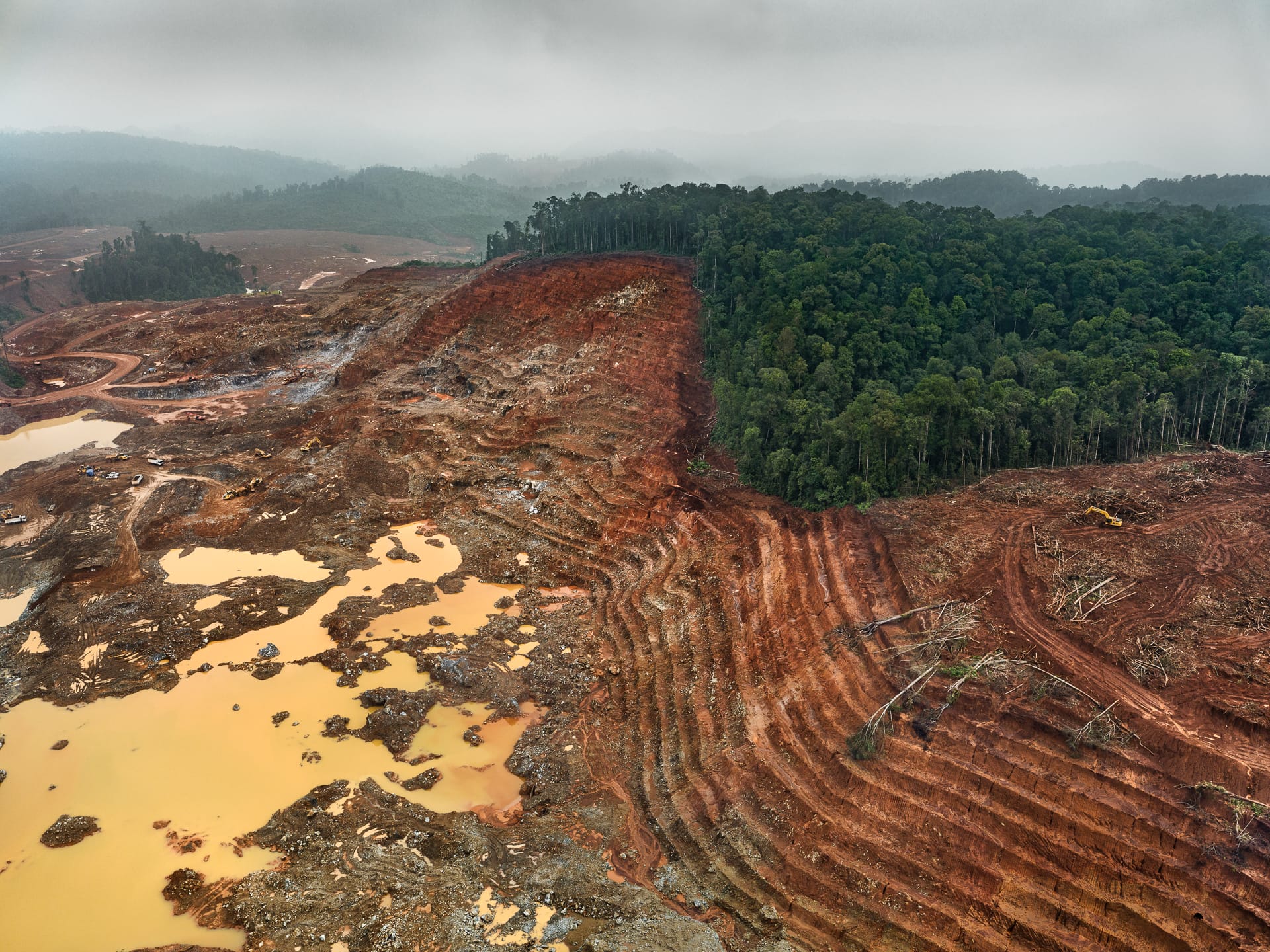
The Mineral Age seeks to redress this widespread informational omission through a powerful collection of 247 photographs that reveal the indelible, often haunting effects of modern mining. Within the pages of the book, viewers bear witness to striking yet sobering sights, such as the candy-colored, chemical-hued evaporation ponds vital for harvesting lithium in the Atacama Desert. Elsewhere, the imagery captures the raw, ochre-tinged expanse of an open-pit nickel mine violently jutting up against the lush, vibrant canopy of a primary rainforest in Sulawesi, Indonesia.
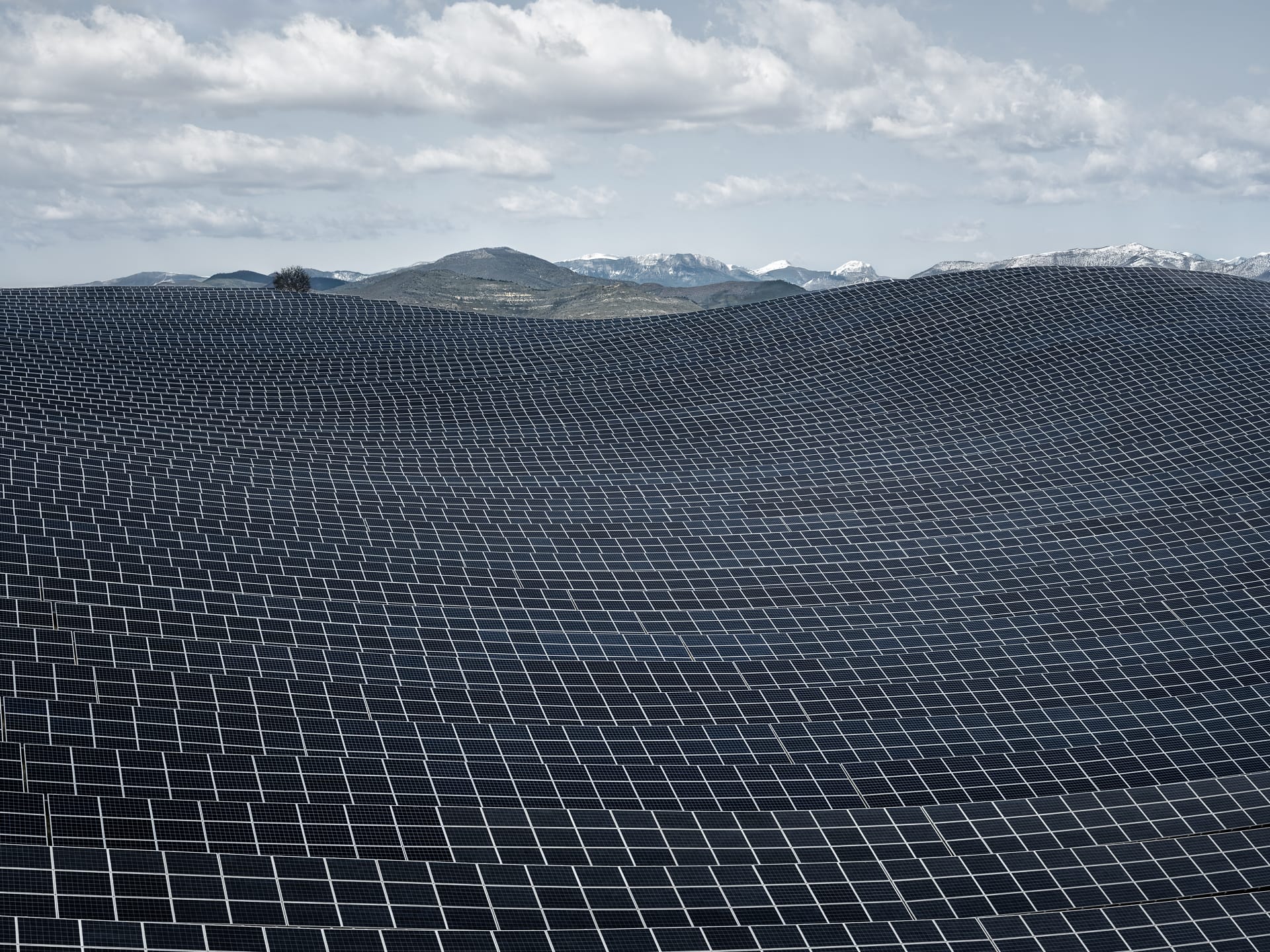
The photographer acknowledges the absolute necessity of the global movement away from carbon-emitting energy sources, yet he urges the public to look closer at the industrial machinery making it possible. Moving away from fossil fuels, he notes, is far more complex than society might initially imagine. While he firmly believes that decarbonizing economies and societies is an essential step toward addressing the accelerating climate crisis, he raises a critical question that underpins his entire body of work: At what cost, and who ultimately bears that cost?
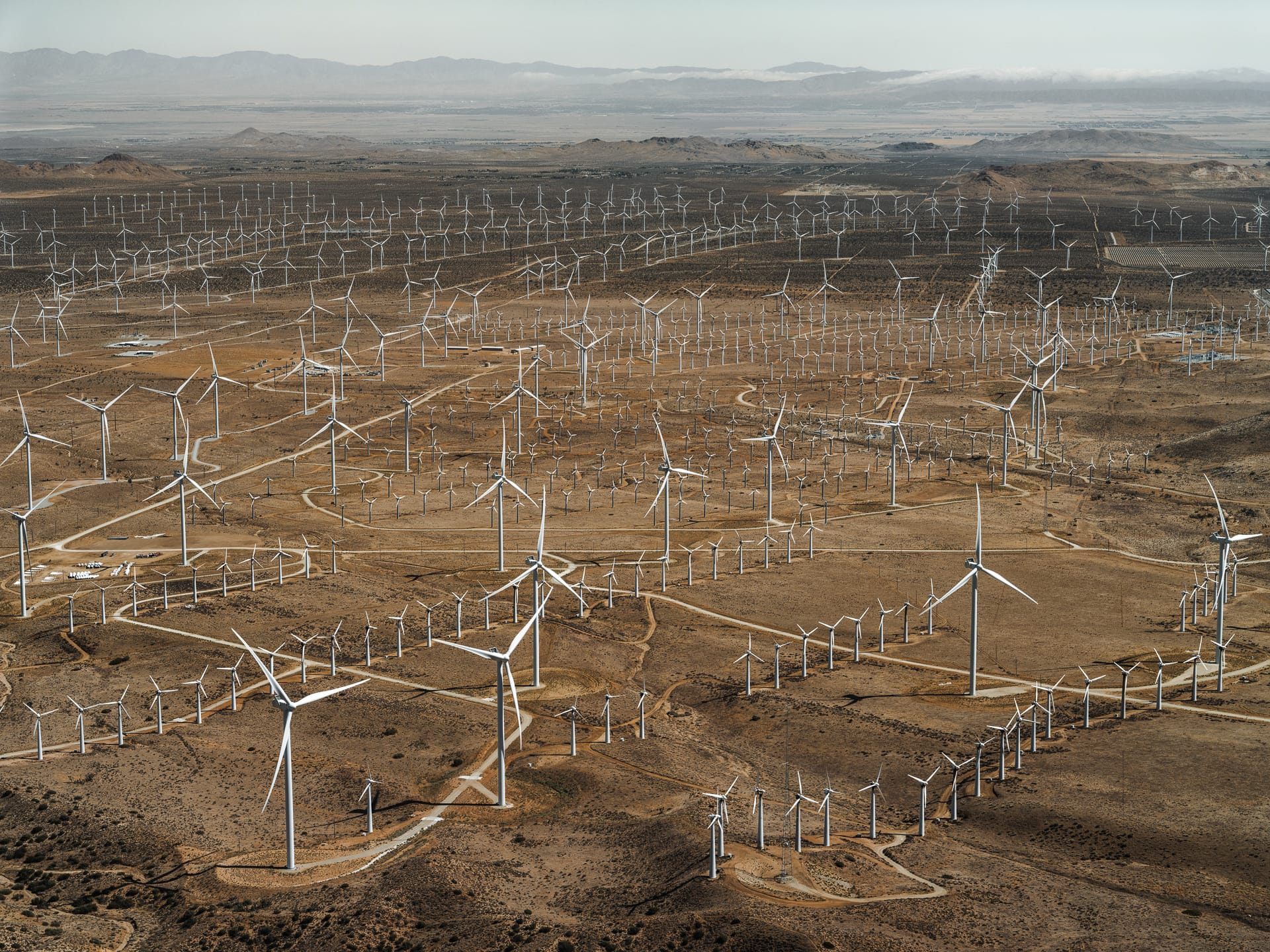
Hegen’s visual investigations echo the urgent concerns raised by grassroots communities around the world. Among them are the residents of the Salinas Grandes in the Atacama Desert, who have long mobilized to protect their ancestral lands. Similar struggles have been highlighted by contemporary cultural projects, such as the collaborative undertaking helmed by Argentinian artist Tomás Saraceno. Saraceno has spent decades working alongside Indigenous peoples in the region as they actively protest the expansion of lithium mining, striving to preserve both their ancestral homelands and the vital water resources held deep underground.
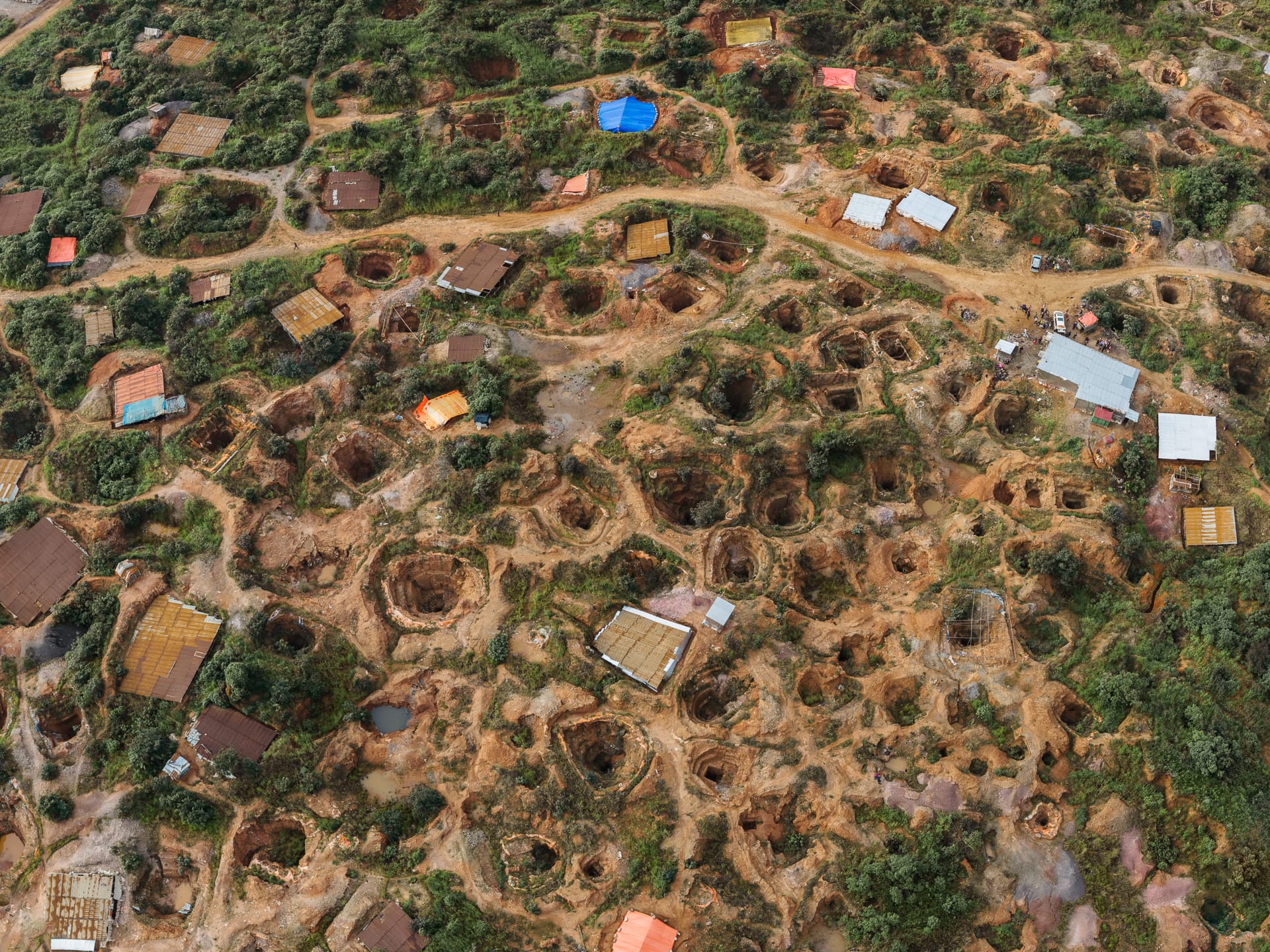
While Saraceno’s project is deeply embedded directly in the land and culture of the affected populations, Hegen’s The Mineral Age serves as a sweeping, bird’s-eye counterpart. By lifting the camera high into the stratosphere, Hegen reveals the massive scale of industrial footprint from above, connecting seemingly isolated regional extraction sites into a cohesive global picture of the new industrial landscape.
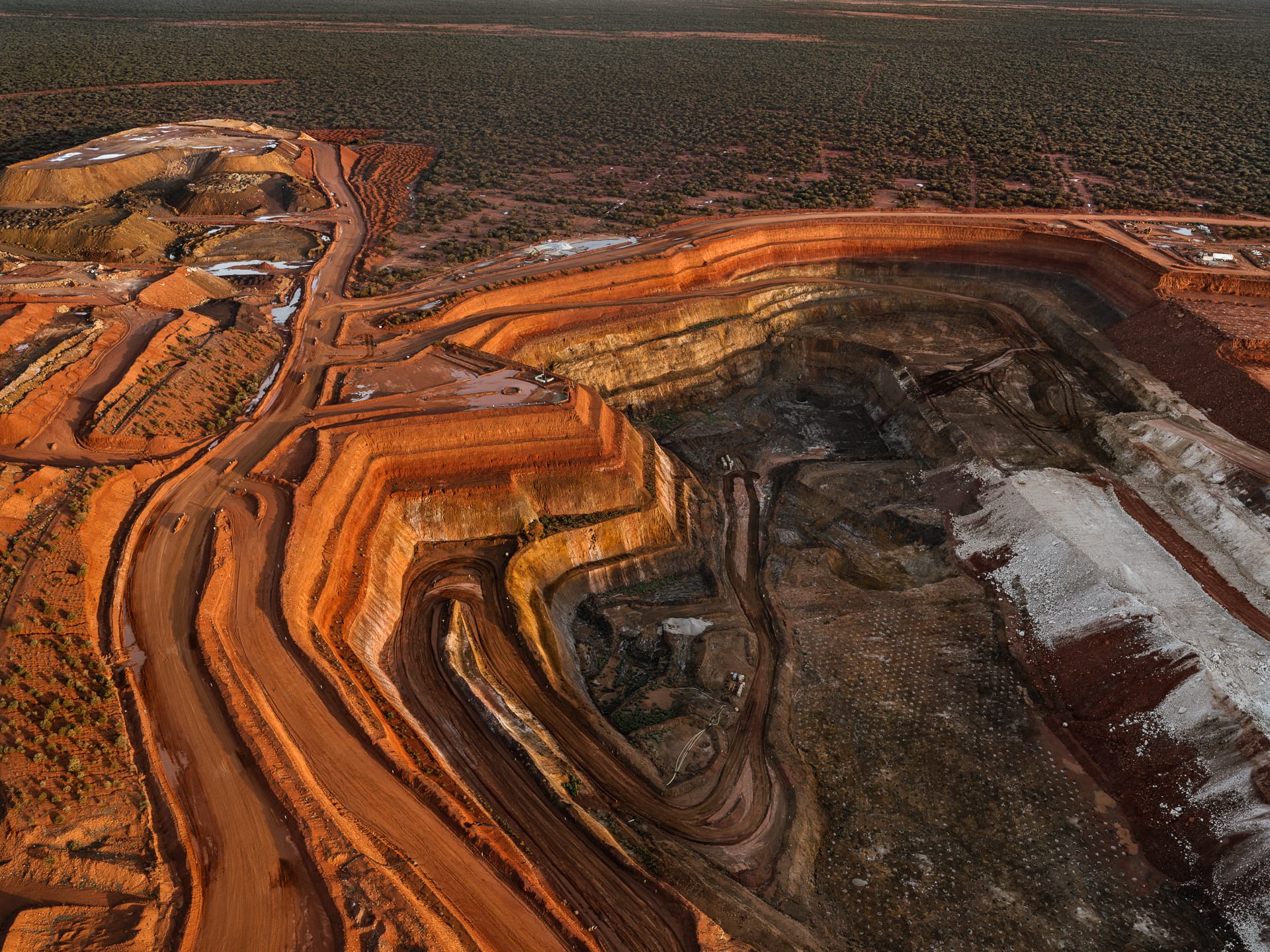
Reflecting on the overarching narrative of his six-year project, Hegen notes that one of the most important lessons he has learned is that no single source of human energy comes entirely without environmental or social consequences. Even the advanced technologies that modern society widely considers clean or renewable are fundamentally tethered to extensive industrial processes, the movement of vast amounts of raw materials, and the relentless extraction of finite resources from the earth.

Like Saraceno, Hegen is careful to emphasize that this ongoing conversation is not about whether humanity needs to abandon fossil fuels—both figures firmly agree that transitioning away from oil, coal, and gas is non-negotiable. Instead, the core debate centers on how that transition is executed, and whether civilization can build a green future without simply replicating the same harmful, deeply extractive policies that defined the fossil fuel era.
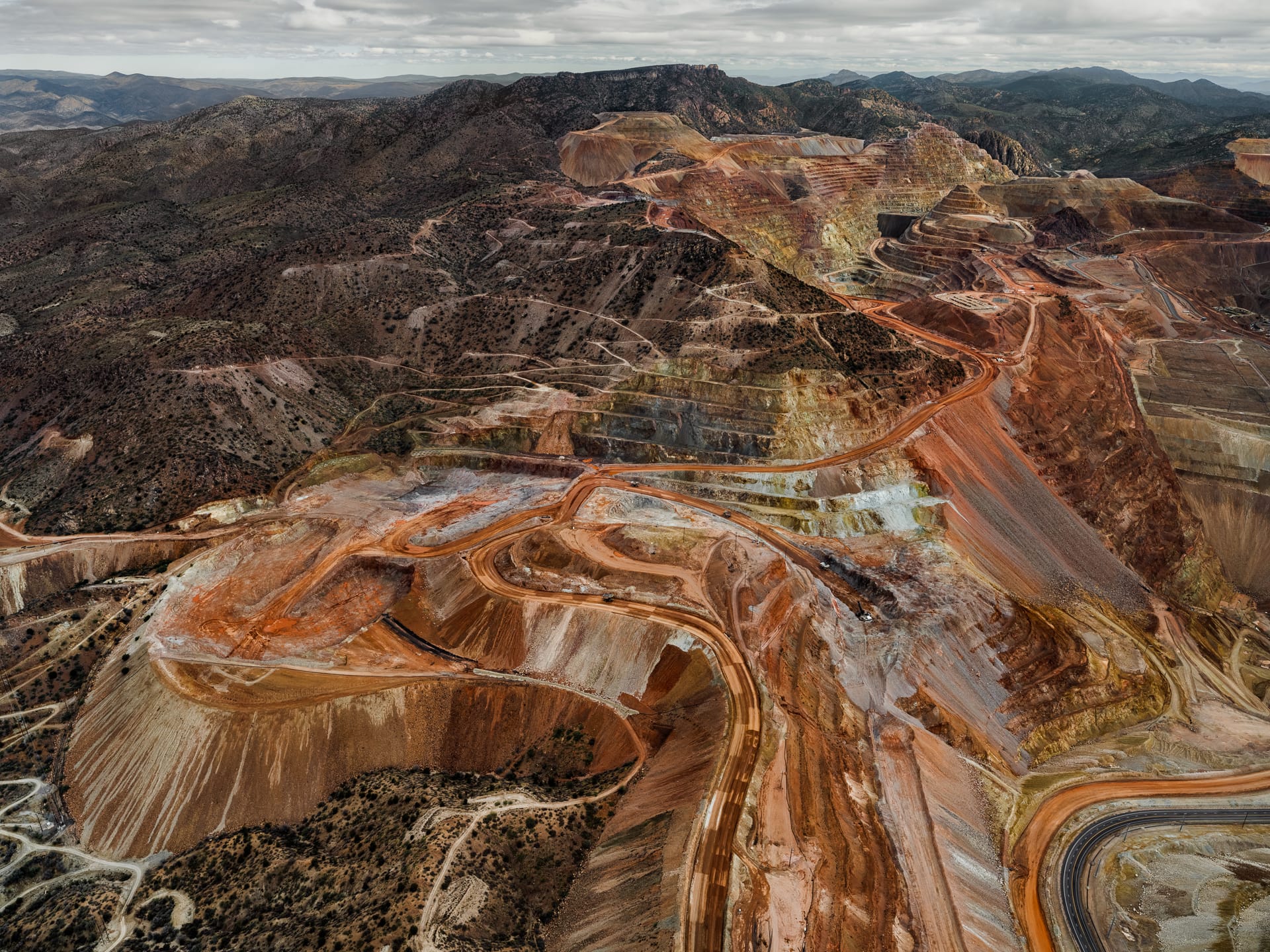
Published by Hatje Cantz, The Mineral Age is currently available for pre-order through Bookshop or via Kickstarter. Those wishing to follow Hegen’s ongoing photographic expeditions and future documentation projects can view his work on Instagram.