Vivo has spent several years steadily carving out a reputation for engineering some of the most capable camera phones on the market. Bolstered by an ongoing partnership with Zeiss, the company has positioned itself as a major force in mobile photography, competing directly with established giants like Apple and Samsung in Western markets. While Vivo devices may not enjoy the exact same brand recognition in every region as an iPhone or a Galaxy S-series flagship, their imaging credentials speak for themselves.
The Vivo X500 Pro Max arrives as the newest flagship in the company’s X500 lineup, positioning itself above the more compact X500 Pro with a more ambitious optical array, a larger display, and a higher-capacity battery. Hitting the market just a few months after the acclaimed Vivo X300 Ultra—a device widely praised for its exceptional photographic and video output—the Pro Max steps into the ring with high expectations to fulfill.
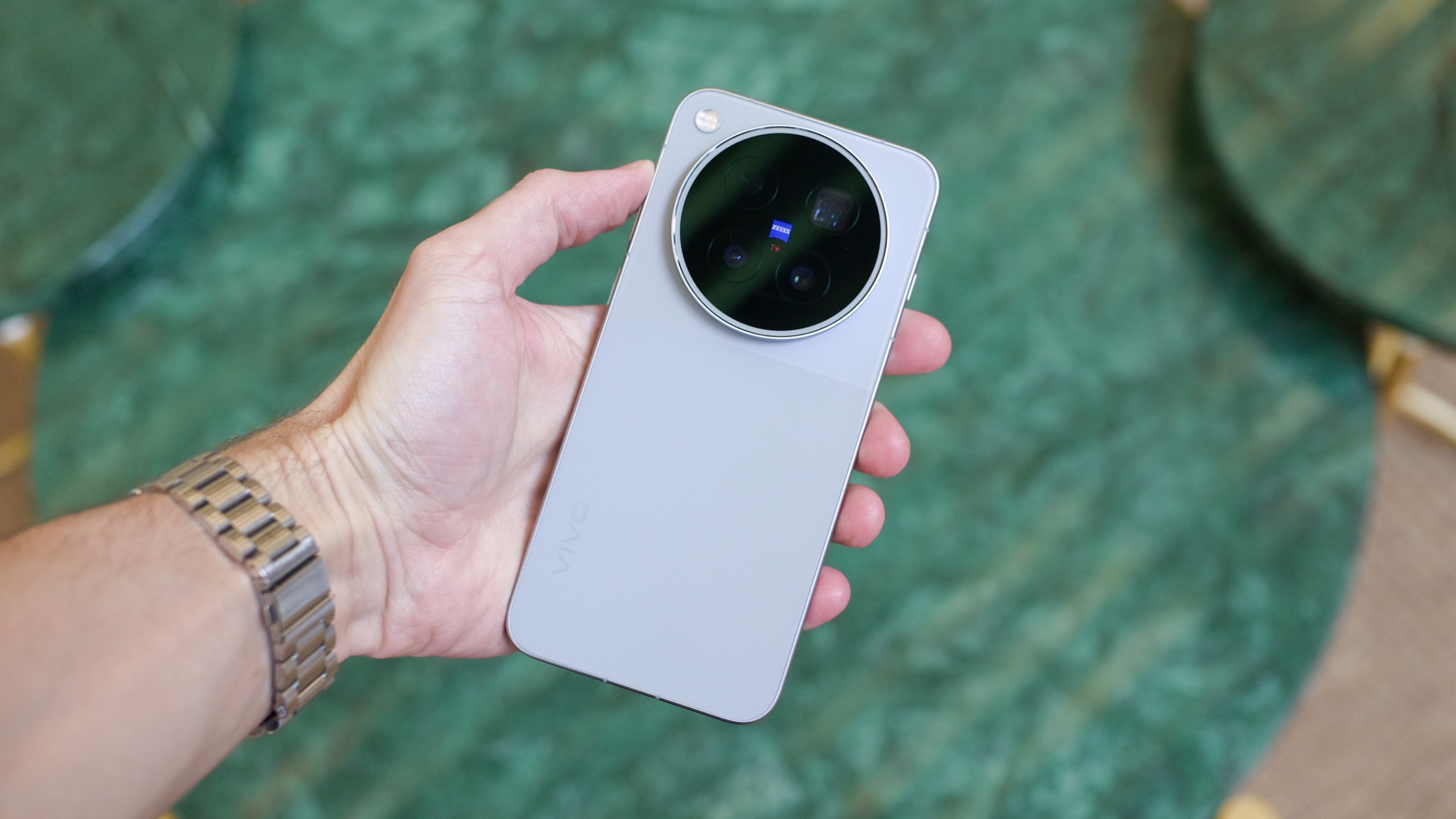
However, Vivo has altered its strategic approach with this model. Eschewing the unusual 35mm main camera configuration paired with a 200MP sensor seen on its predecessor, the X500 Pro Max pivots to a more conventional 24mm main camera. It incorporates a brand-new 50MP Sony LOFIC sensor specifically engineered to expand dynamic range. Alongside this sits a 200MP telephoto camera and a 50MP ultrawide lens, with the entire optical system continuing to benefit from Zeiss coatings and increasingly advanced computational algorithms. Video performance is equally prioritized, featuring 4K recording at up to 240 frames per second, new Log recording capabilities, and upgraded subject tracking.
Design and Build Quality
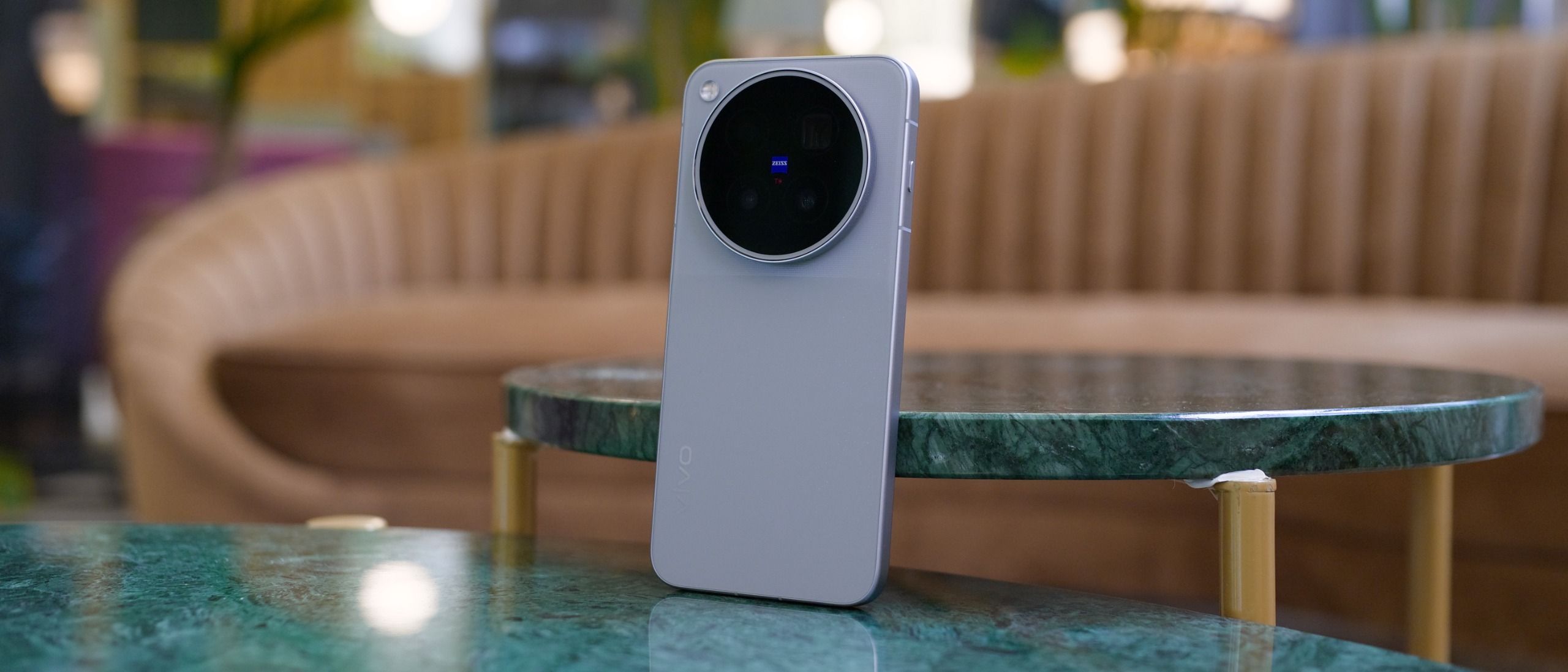
In terms of physical construction and visual presentation, the Vivo X500 Pro Max presents a robust and premium profile. It feels solid and exceptionally well-crafted, carrying the hefty weight and refined finish expected of a top-tier flagship device. The design leans toward an understated aesthetic, particularly in the Starry Gray finish, offering a clean minimalism that will appeal to users who prefer a subtle look over flashy styling.
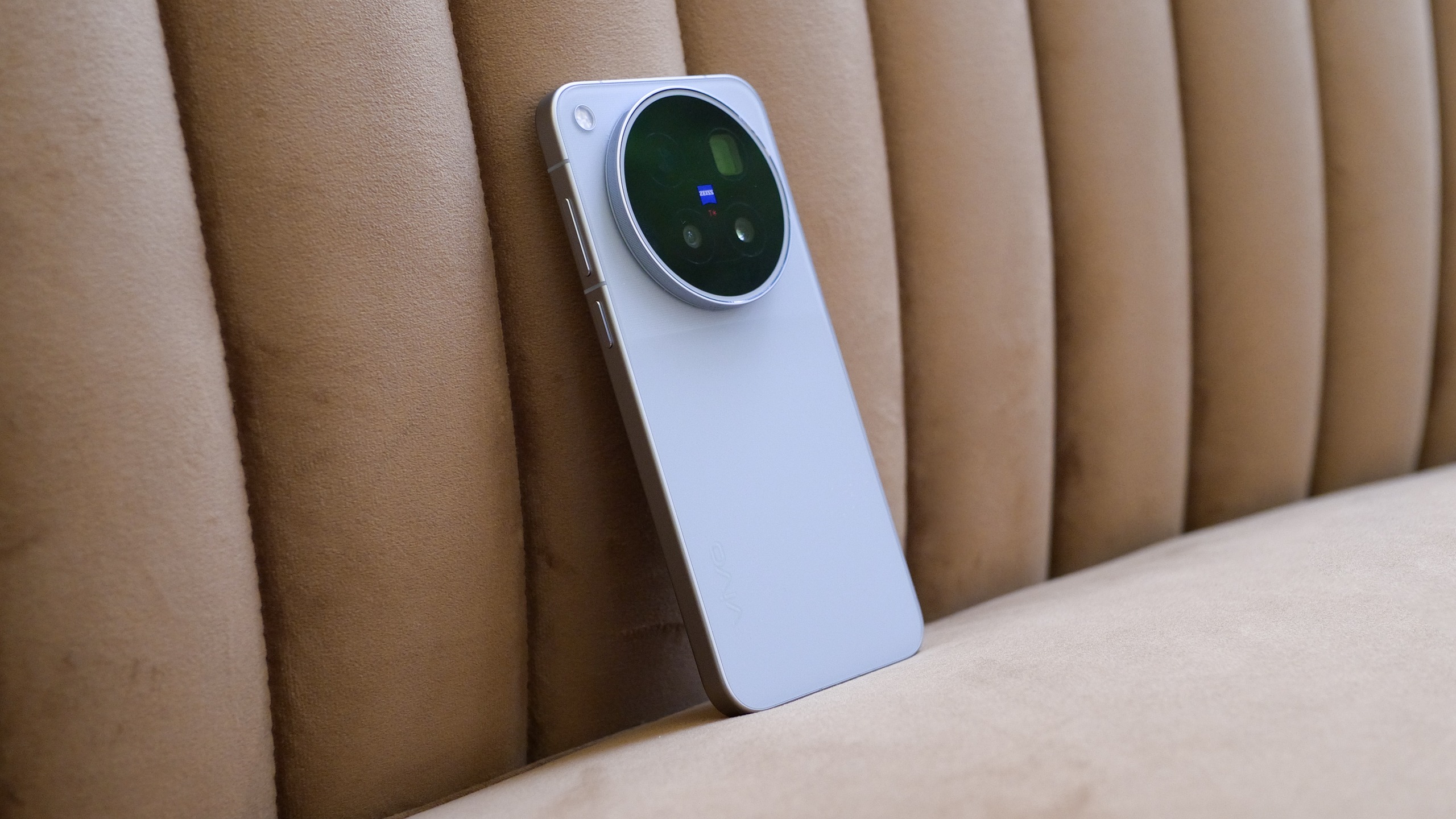
Vivo distributes the X500 Pro Max in Moonlit Black, Sunny White, Starry Gray, and Sunset Orange, depending on regional markets. The gray, white, and orange variants feature a subtle two-tone back panel complemented by a micro-sparkle texture that catches ambient light, adding a touch of visual depth.
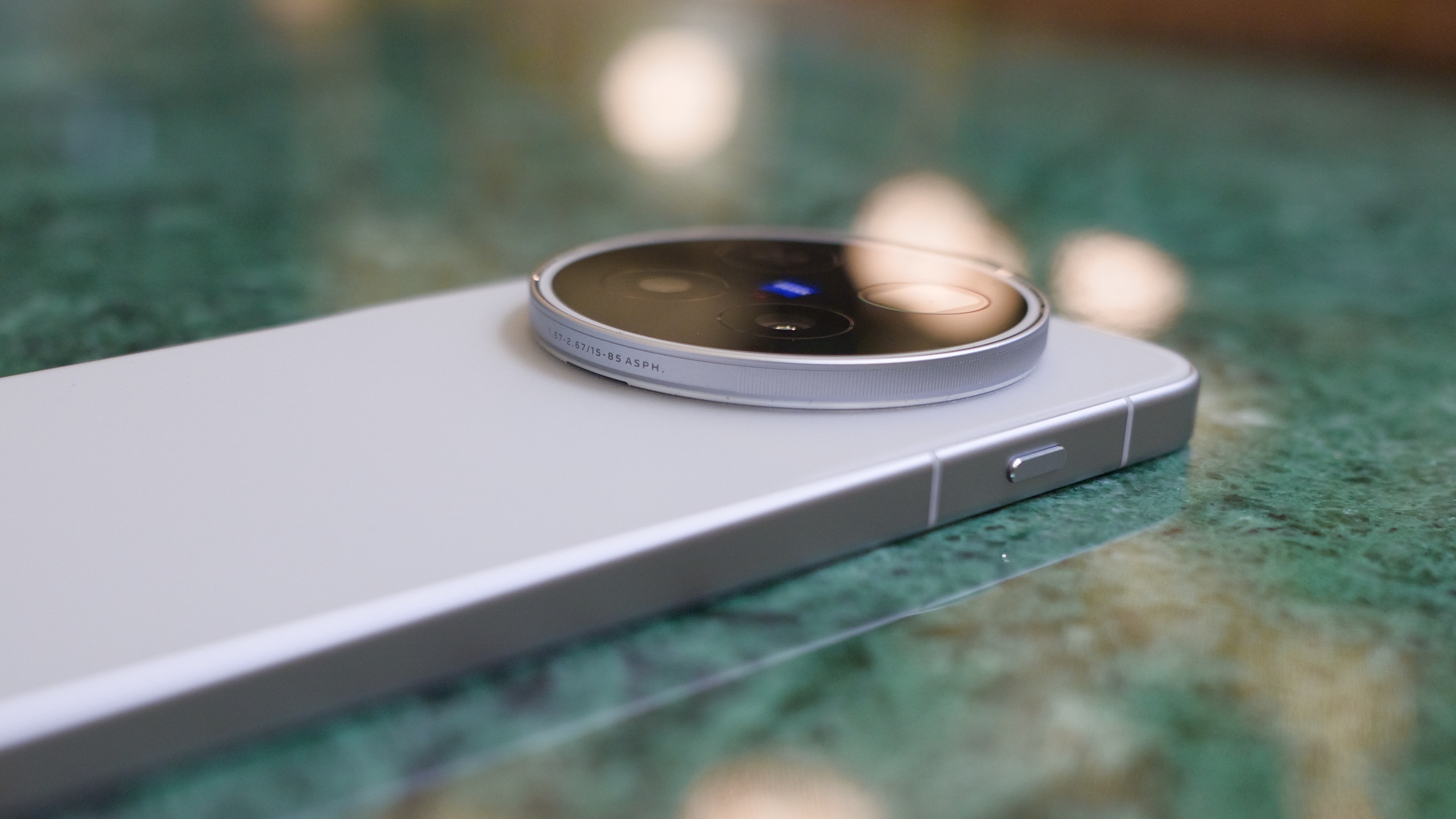
The most prominent physical feature is, naturally, the enormous circular camera bump housing the Zeiss optics. Unfortunately, this module represents one of the design’s minor drawbacks. Unlike competing flagships that slope or taper the edges of their camera islands, Vivo’s housing features a relatively abrupt vertical drop that frequently catches on fabric edges when sliding the phone in and out of a pocket. Furthermore, because the module sits low on the rear panel, fingers have a tendency to drift into the frame or smudge the lenses during one-handed use—an unavoidable compromise of packing substantial camera hardware into a relatively slim chassis.
Measuring 163.32 by 76.82mm with a thickness of just over 8mm and weighing 229g in its textured finishes (the black version is marginally thinner at 7.95mm and lighter at 225g), the dimensions remain standard for a large-format flagship. For users prioritizing ergonomics and single-handed operation, the smaller X500 Pro offers a 6.36-inch display, though selecting that model requires sacrificing the Pro Max’s superior telephoto hardware.
Durability is reinforced through IP68 and IP69 ratings, providing resistance against water immersion and high-pressure liquid jets. The display panel is shielded by Armor Glass, while the exterior camera glass features an anti-reflective hard coating to mitigate glare and improve scratch resistance.
In a welcome departure from current industry trends, Vivo has avoided outfitting the phone with a dedicated physical shutter button. Instead, the company has included a customizable Action Key on the frame. This button can be mapped to launch specific functions or access frequently used utilities, offering genuine utility during daily operation.

Display Performance
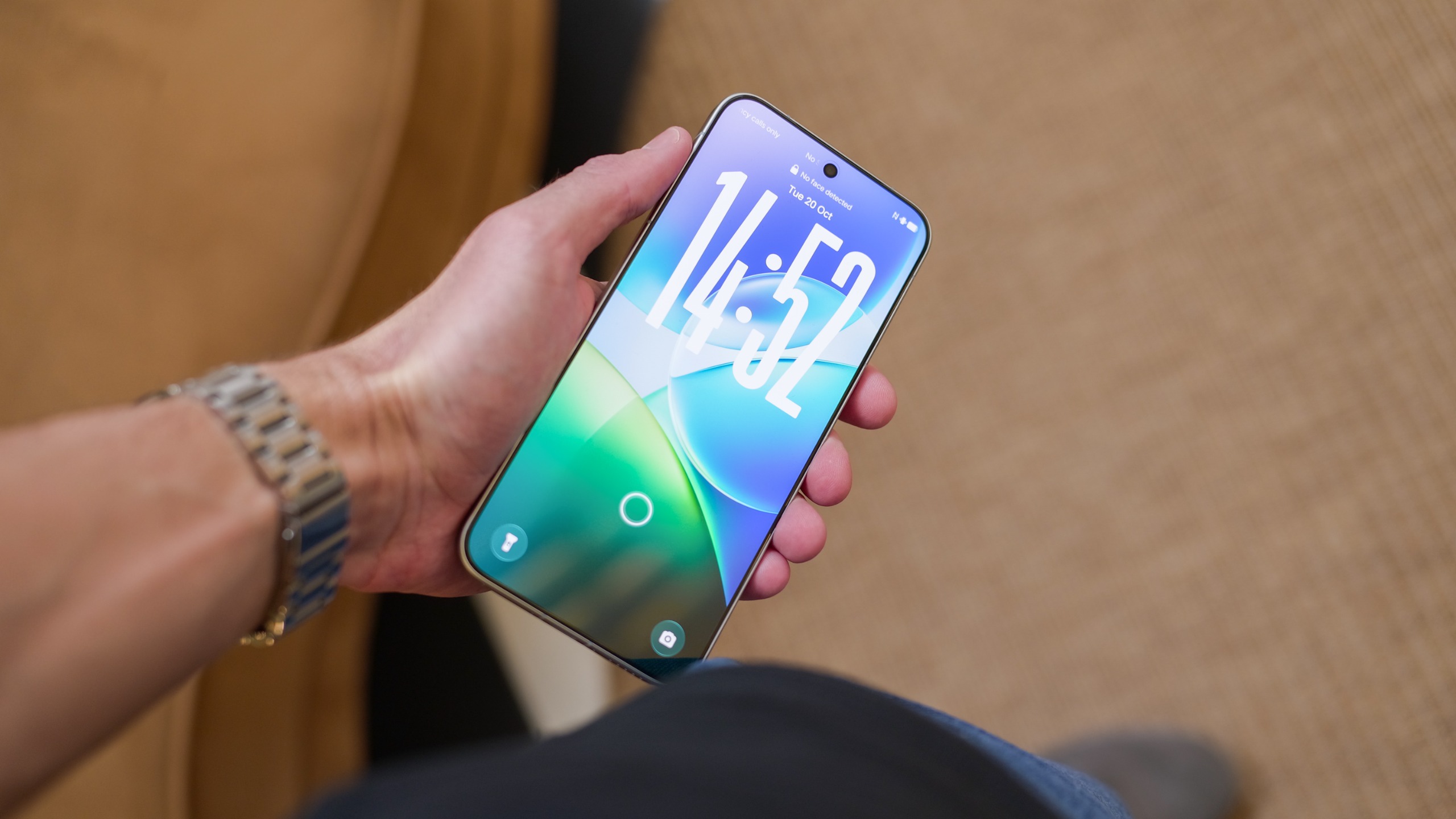
The X500 Pro Max features a completely flat 6.85-inch Zeiss Master Color AMOLED screen. It delivers a resolution of 3168 by 1440, a variable refresh rate scaling up to 144Hz, and a claimed peak brightness of 4,400 nits under specific conditions.
During everyday use, the panel excels. Visuals are exceptionally sharp, and color reproduction strikes a balance between vibrancy and realism, avoiding the excessive saturation that plagues some competitors. Crucially for a device aimed at creators, the display maintains reliable color accuracy, ensuring that images reviewed in the field translate predictably to a desktop monitor. Extended viewing sessions are supported by high-frequency dimming and adaptive color adjustments designed to reduce visual fatigue.

Camera Performance and Main Sensor
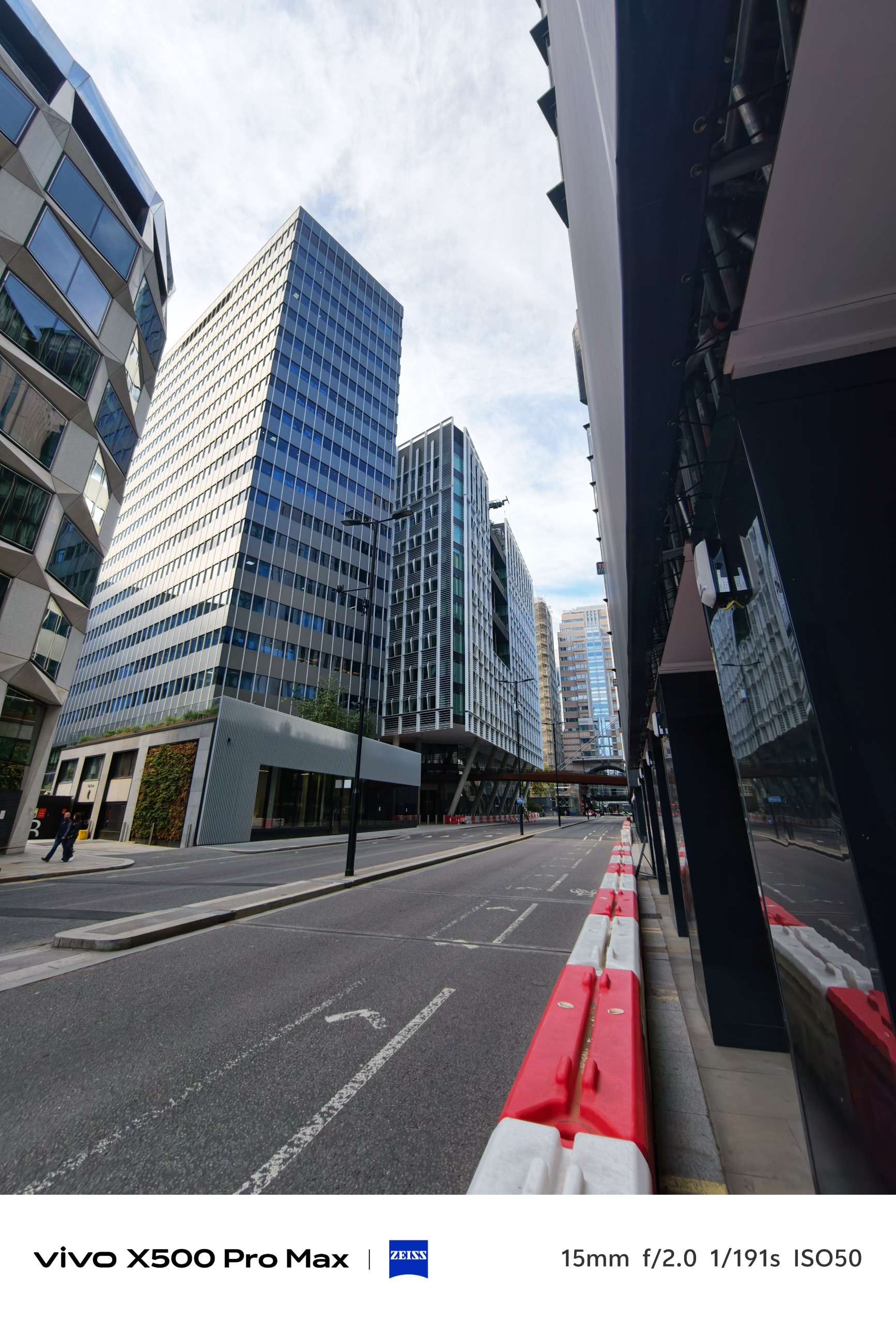
The core appeal of the X500 Pro Max lies in its triple-camera array, covering 15mm, 24mm, and 85mm equivalent focal lengths. Supported by Zeiss color science and modular optical extenders for the telephoto unit, the system produces sharp imagery with rich detail. Color and white balance consistency across the lenses are particularly strong, preventing sudden temperature shifts when switching focal lengths.
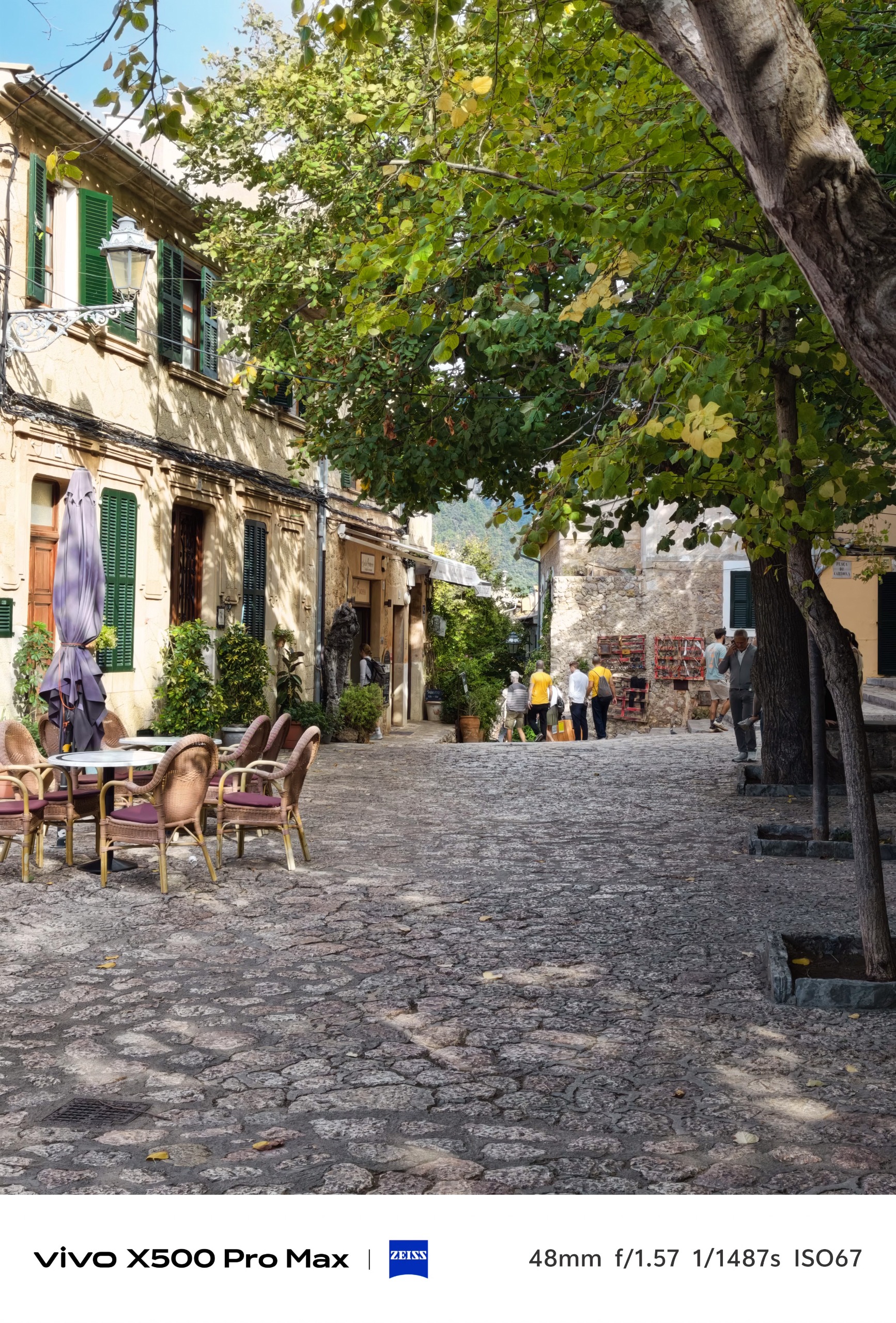
However, Vivo’s image processing leans toward aggressive sharpening and HDR lifting. While initial impressions of photos are striking, a closer inspection reveals an artificial crispness in fine textures and shadows that are lifted further than necessary for a natural contrast profile. Low-light performance follows a similar philosophy, capturing extensive detail without prolonged exposures, though the software occasionally brightens dark scenes more than desired. Raw Lighting and Zeiss Natural Color modes mitigate some of this processing, yet the overall aesthetic remains distinct from the Leica Authentic profile seen on Xiaomi devices or Hasselblad’s processing on Oppo hardware.
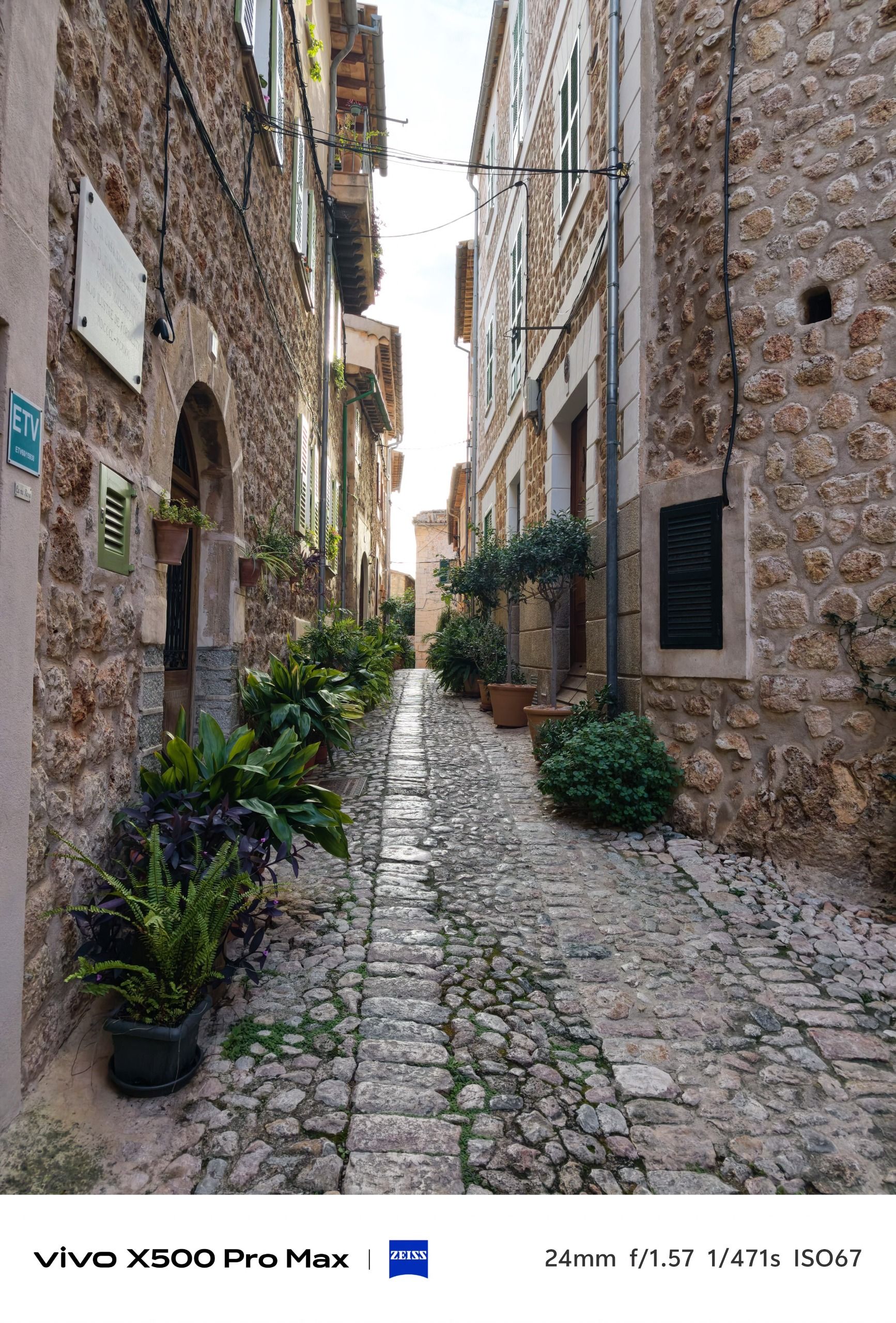
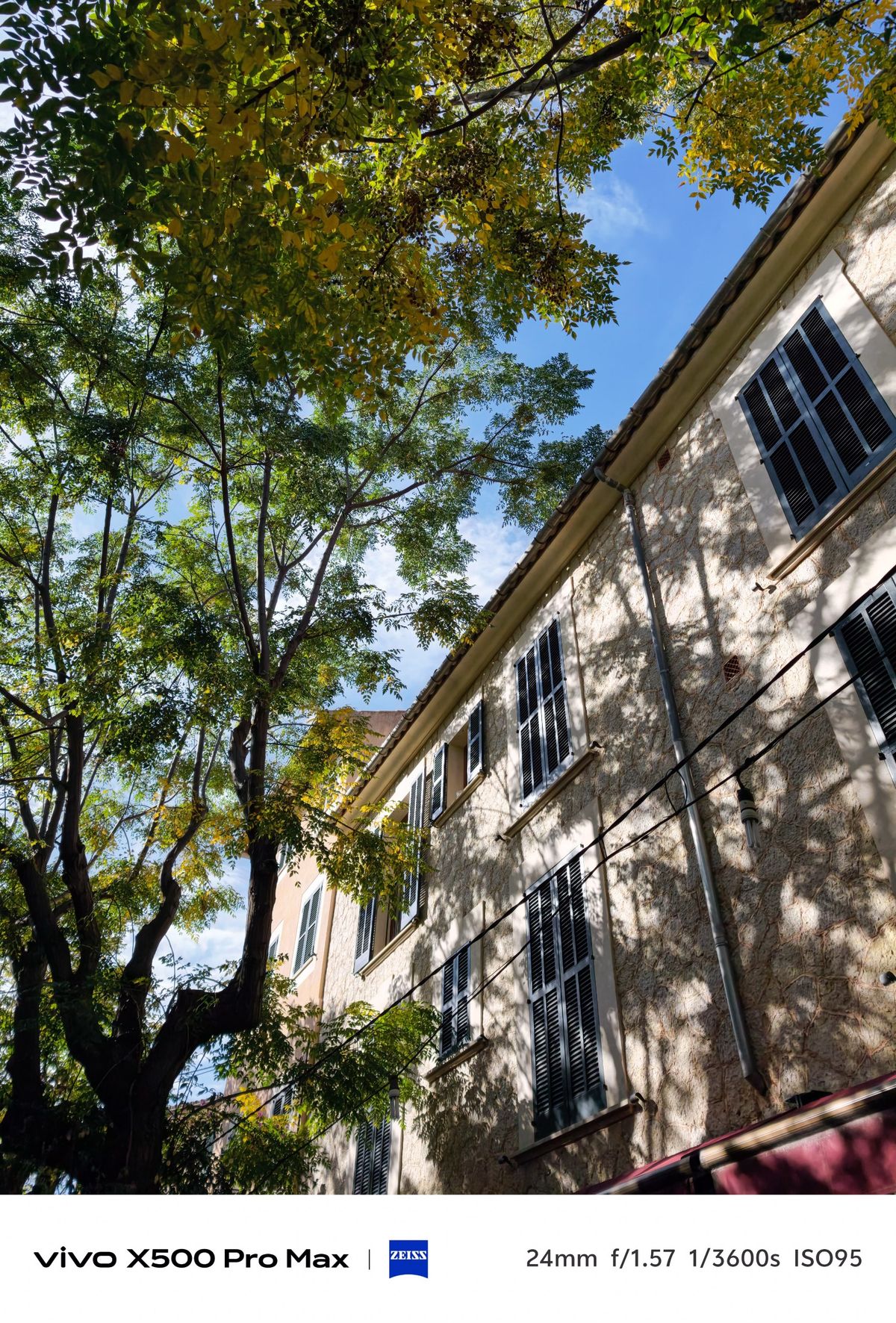
The primary camera utilizes a 50MP Sony LYTIA L910 sensor with a 1/1.28-inch format, an f/1.57 aperture, and a 24mm equivalent focal length, paired with 3-degree gimbal-grade optical image stabilization. The return to a 24mm perspective increases everyday versatility compared to the 35mm lens found on the X300 Ultra, though the lower resolution compared to a 200MP sensor becomes apparent when heavily cropping into complex textures like foliage.

The main sensor’s headline feature is its LOFIC (Lateral Overflow Integration Capacitor) technology, which acts as a pixel-level overflow reservoir to capture excess light and prevent bright elements like streetlights or skies from clipping into solid white. While the phone manages high-contrast scenes effectively, the real-world improvement over previous sensors feels incremental rather than revolutionary, trailing behind the highlights-and-shadows balance achieved by one-inch LOFIC alternatives from competitors.
Telephoto and Macro Capabilities
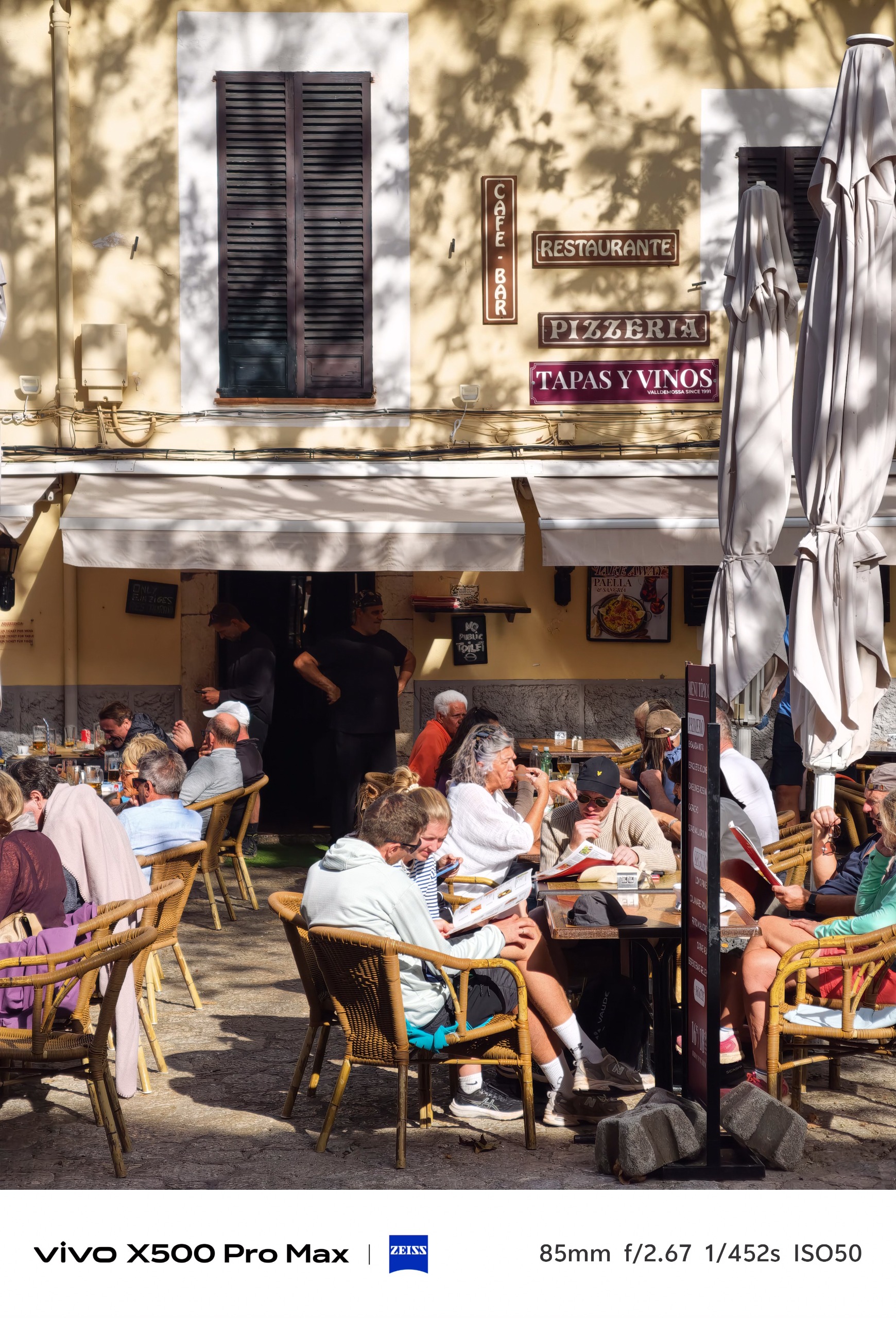
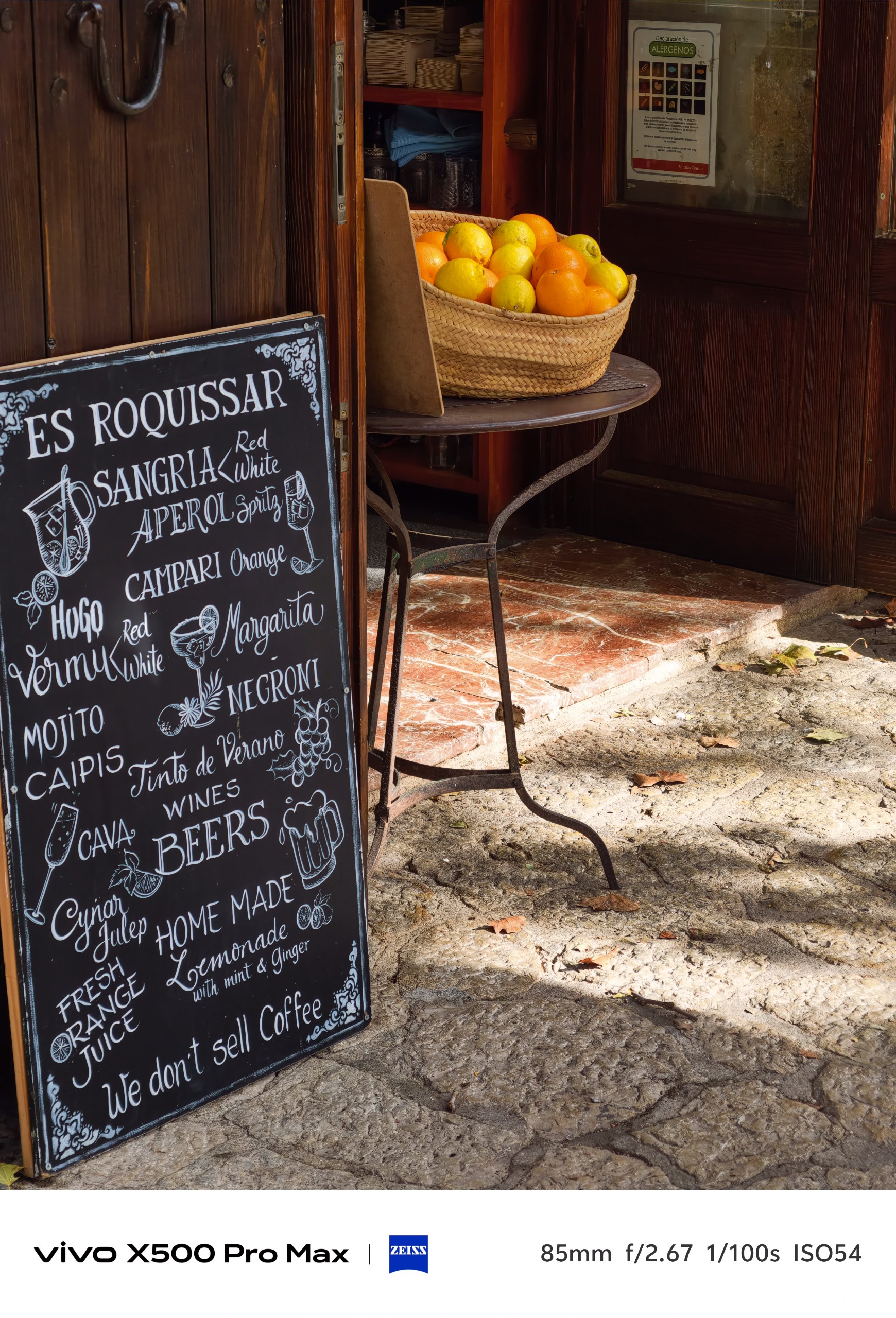
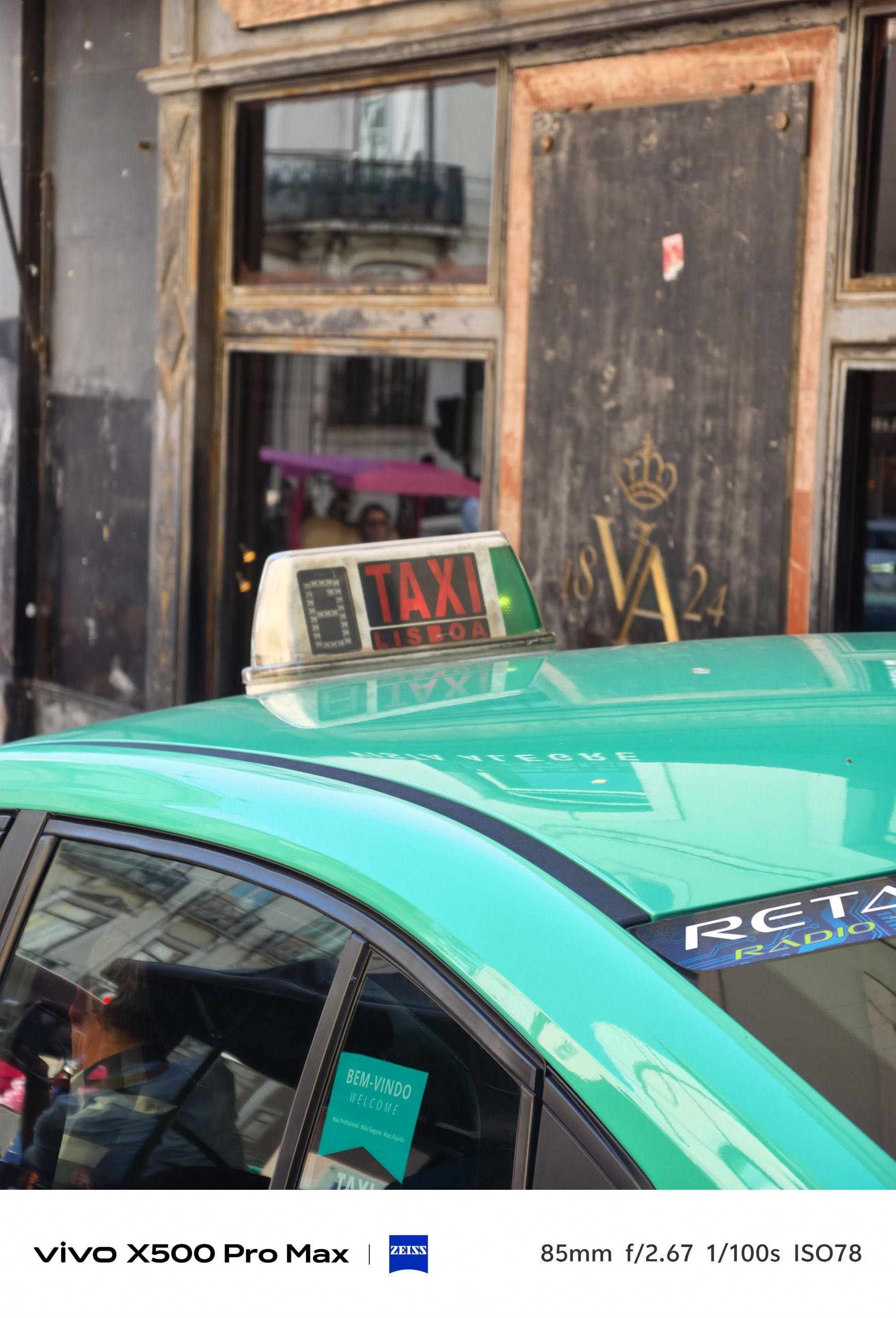
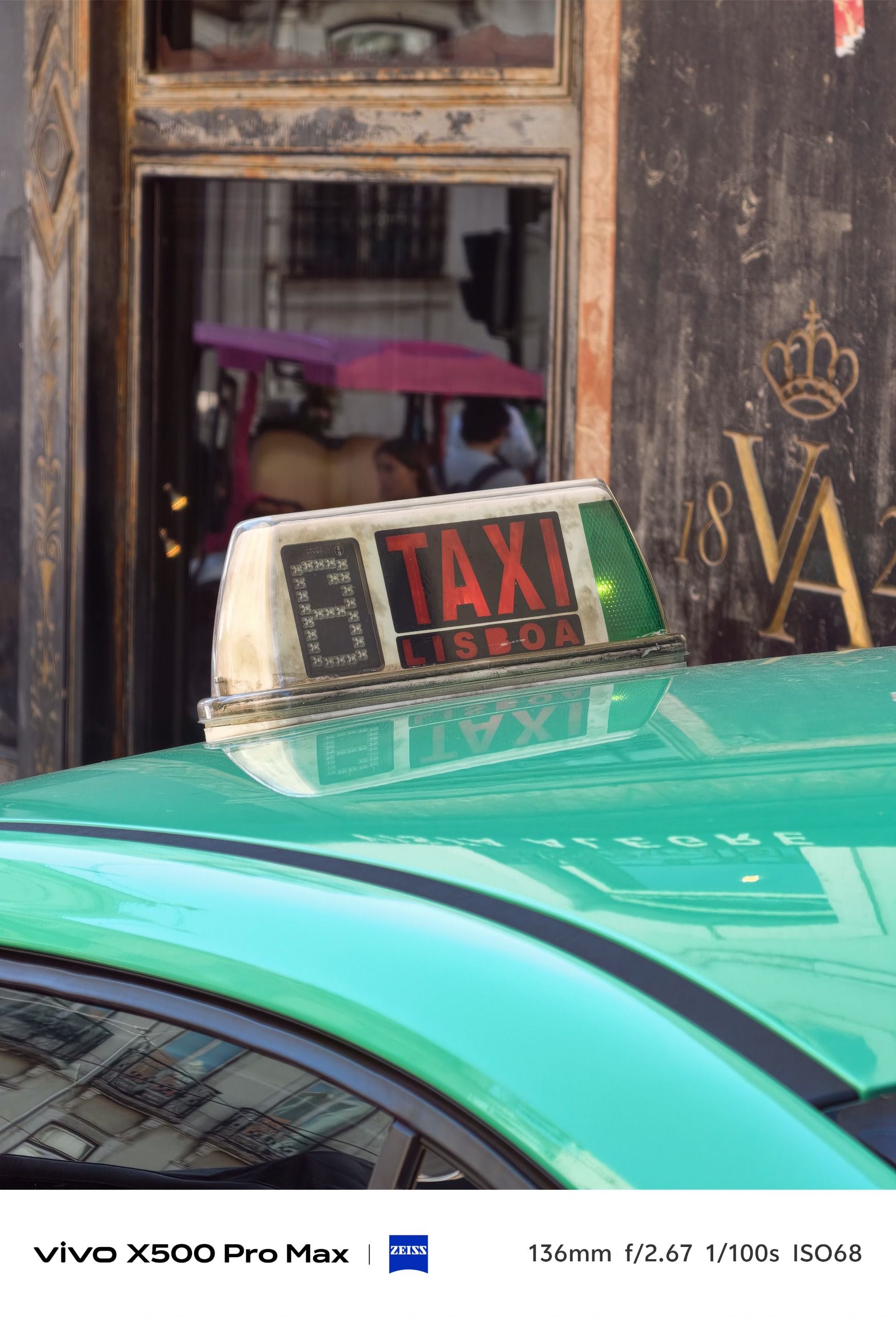
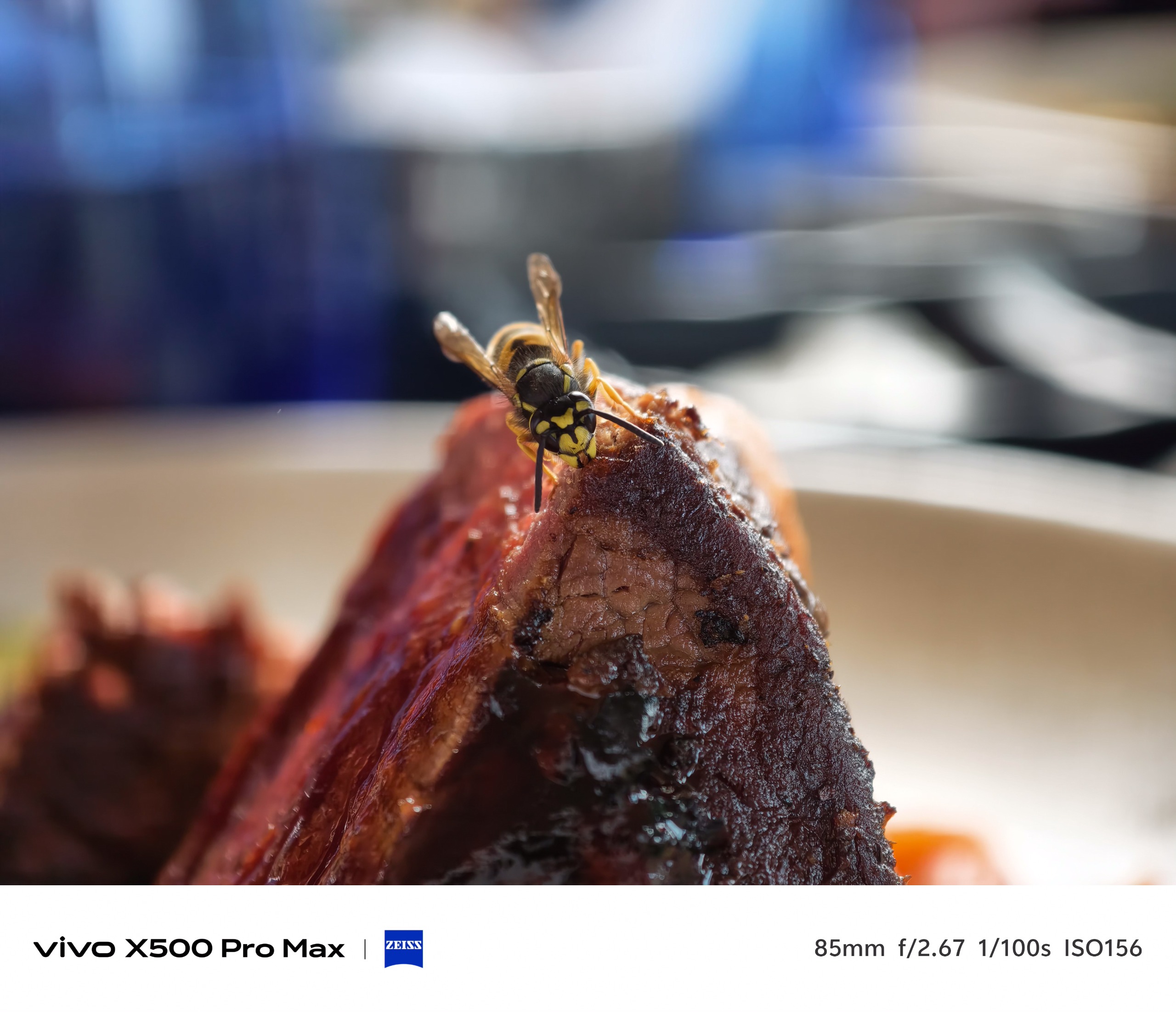
The standout performer in the array is the telephoto camera, utilizing a 200MP Samsung HP0 sensor with a 1/1.4-inch format and an 85mm equivalent lens, backed by robust optical stabilization. The hardware yields exceptional sharpness and detail, making the 85mm focal length ideal for portraits and distant subjects. Sensor cropping extends usability up to approximately 10x zoom with manageable artifacts, though pushing beyond that threshold introduces heavy AI smoothing on complex textures like hair and foliage.
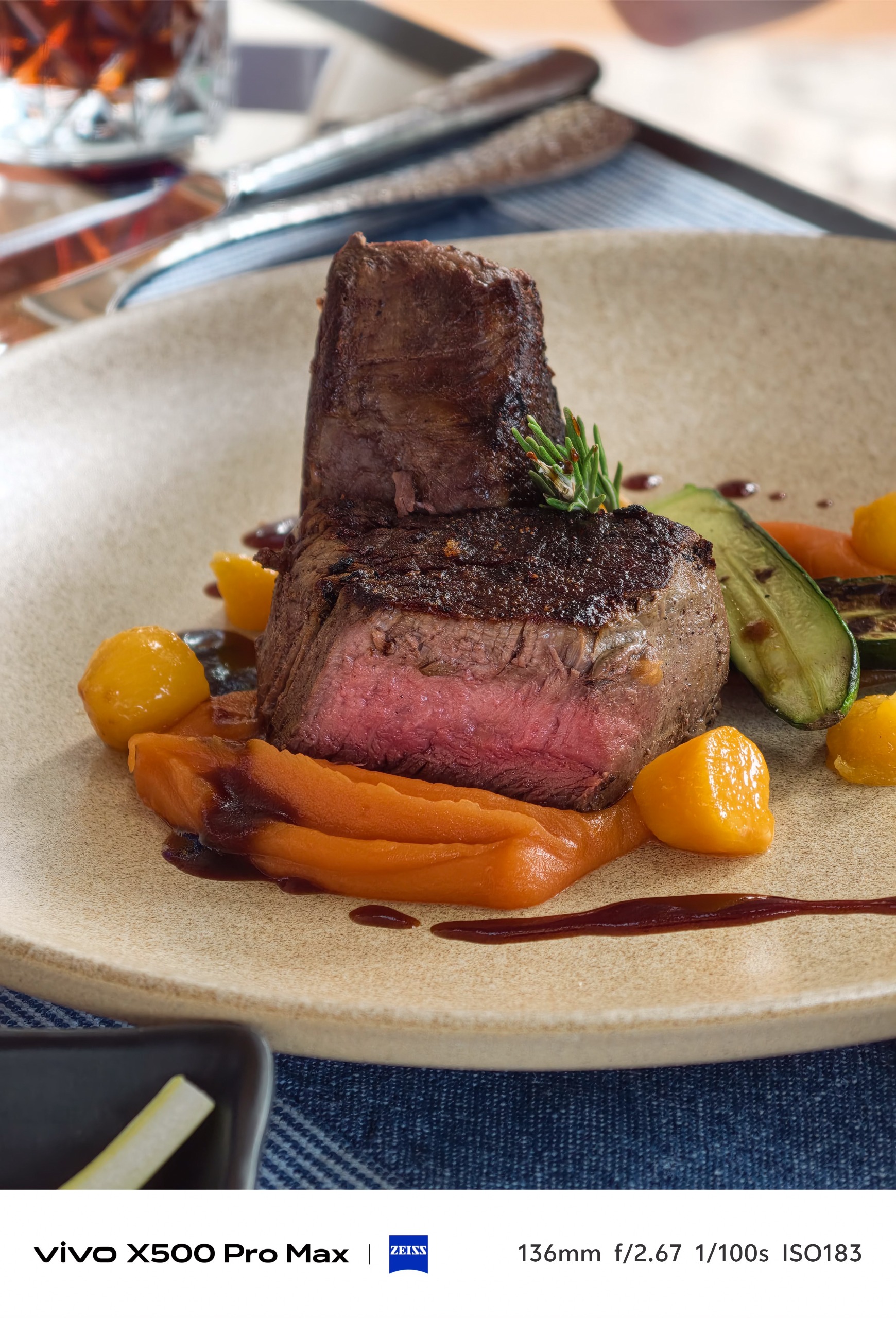
Macro photography is exceptionally strong. The telephoto unit’s longer working distance allows for tight close-ups of small subjects without casting shadows or requiring the phone to rest mere millimeters away from the target, producing some of the most striking macro images captured on a mobile device.
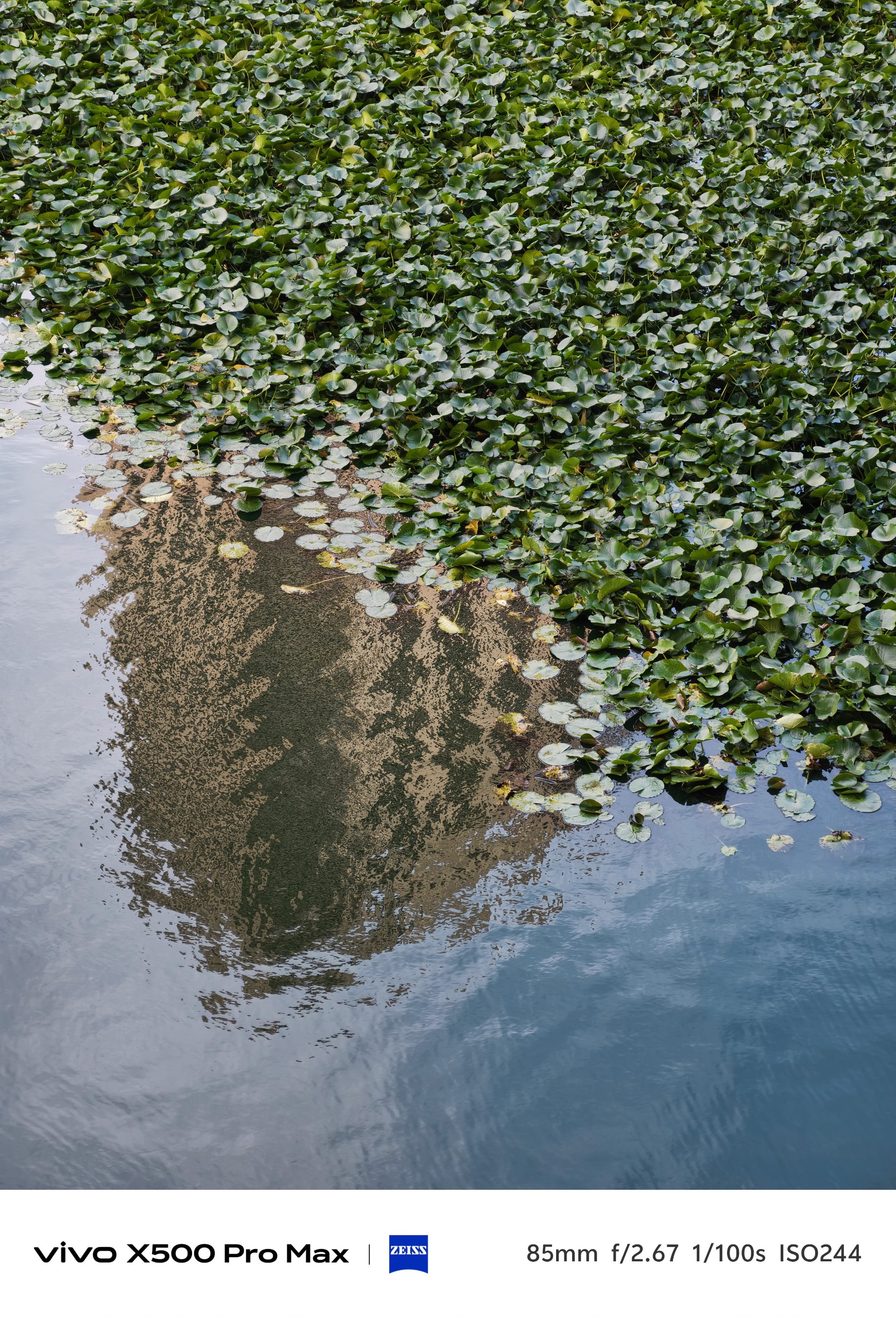
For users seeking extreme reach, Vivo offers modular Zeiss telephoto extenders providing 200mm and 400mm equivalents. These optical attachments integrate smoothly into professional shooting modes, maintaining high detail and stabilization for wildlife or event photography without the compromises of digital magnification.
Video Performance
Video recording is where the X500 Pro Max truly distinguishes itself. Delivering sharp footage, natural colors, and reliable stabilization, the device competes directly with industry leaders like Apple’s iPhone Pro Max. Vivo’s default video profile maintains a more restrained approach to HDR and color saturation, resulting in a realistic aesthetic.
The inclusion of 4K video recording at 240fps stands out as a remarkable specification. While the high-frame-rate mode demands ample lighting to preserve contrast and fine details, it serves as a powerful creative instrument for action and slow-motion capture. Stabilization is equally impressive, offering standard and enhanced modes, though the latter requires stepping down to a 2.7K resolution.
Professional workflows are supported via Pro Video mode and Log recording, designed to leverage the main sensor’s dynamic range. However, the pre-installed LUTs are disappointing, presenting washed-out SDR profiles or desaturated, green-tinted HDR looks. Because the system permits custom LUT importation, users can bypass the stock options to achieve professional results during post-production.

Hardware, Software, and Battery Life
Under the hood, the X500 Pro Max is driven by MediaTek’s Dimensity 9600 Pro processor, constructed on a 2nm manufacturing process. Day-to-day operations are exceptionally fast, handling demanding multitasking, high-resolution photo processing, and video recording without noticeable stutter.
Software duties are handled by OriginOS 7, built on Android 17. The interface is visually polished and smooth, though it retains minor regional design artifacts, such as theme store prices displayed in Chinese renminbi for international users. Unremovable proprietary pre-installed applications introduce a degree of software bloat. The device also includes an array of AI-powered editing tools for object removal and reflection cleanup, which perform well for minor adjustments but struggle to generate convincing textures during extensive generative expansions.
Power is supplied by a large BlueVolt battery, rated at 7,800mAh in Asian markets and 6,750mAh in European configurations. Endurance is strong, comfortably clearing a full day of heavy shooting or up to two days of moderate general use. Recharging is expedited via 90W wired and 40W wireless charging support.
Ultimately, the Vivo X500 Pro Max stands as a highly capable imaging tool. While its photo processing and stock video LUTs leave room for refinement, its exceptional telephoto optics, macro capabilities, robust video feature set, and creative modular accessories cement its status as a compelling alternative for mobile photographers and videographers alike.