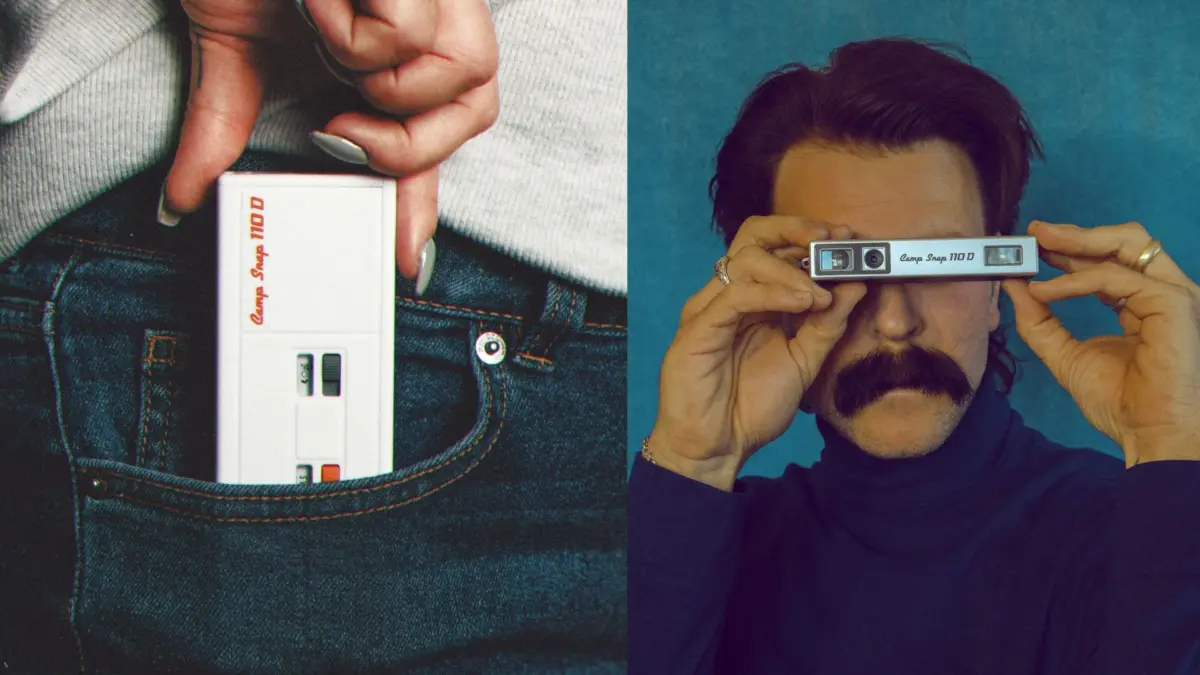
Digital cameras sporting a distinctly nostalgic, old-school aesthetic have steadily dominated the tech and photography landscape for several years. However, the latest wave of retro gear is drawing inspiration from an unlikely and surprisingly compact source: the boxy 110 film format that originally captured family vacations, school trips, and candid moments throughout the 1970s, 1980s, and 1990s.
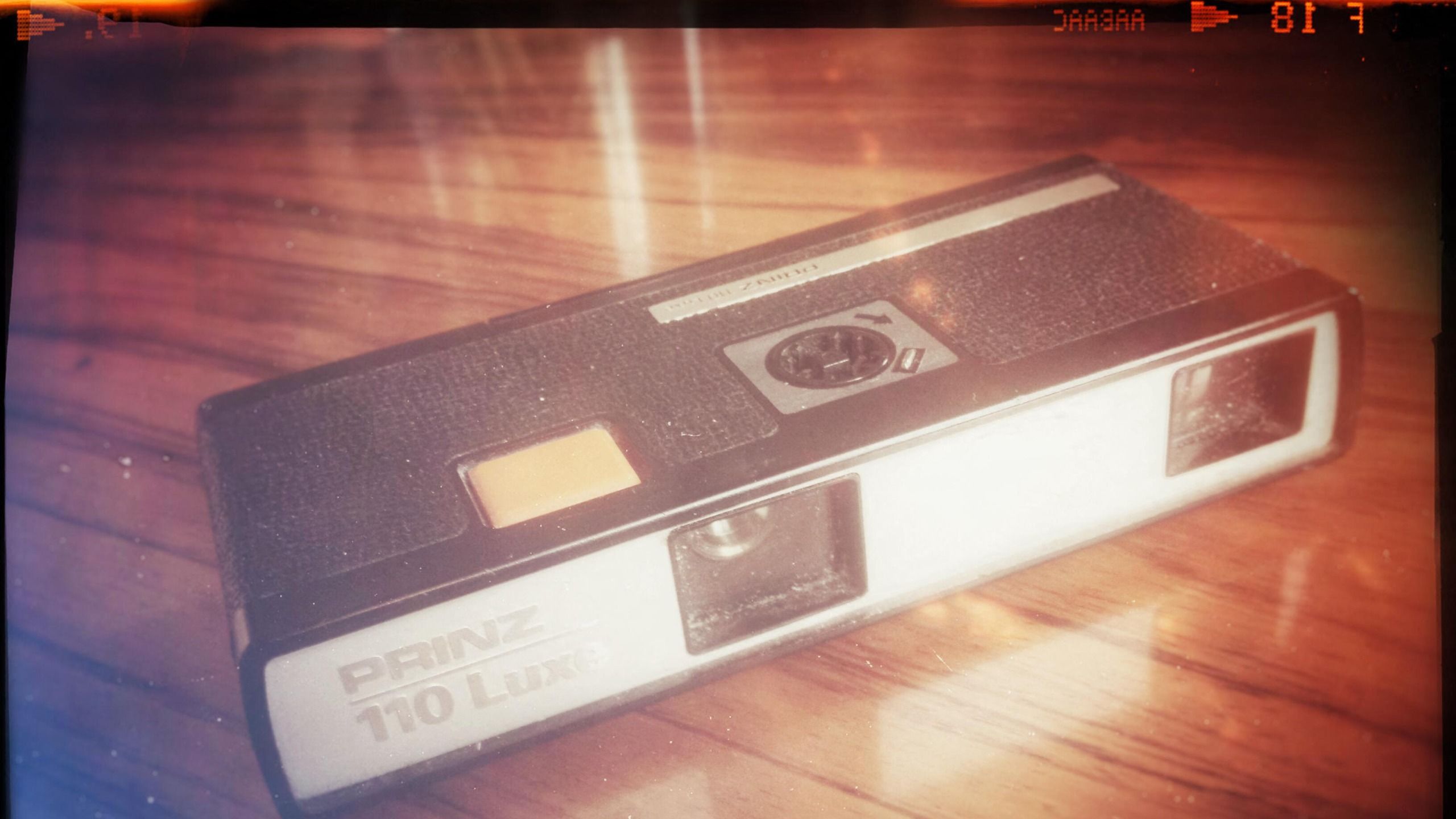
First introduced to the photography world by Kodak in 1972, the 110 film format was designed to make image-making as straightforward and accessible as possible. Unlike traditional 35mm film rolls, which required careful, precise handling to unfurl and thread through the intricate sprockets of a camera body, 110 film was entirely self-contained. Photographers simply popped a small, plastic film cartridge directly into the back of the camera, closing the door and instantly readying the device for shooting. This plug-and-play simplicity helped the pocket-sized format explode in popularity during the 1980s and 1990s, making it a ubiquitous tool for casual photographers who wanted physical prints without dealing with the technical complexities of older, more demanding analog systems.
Now, decades after its commercial peak, the iconic form factor is experiencing a significant resurgence, inspiring a fresh generation of both digital lookalikes and newly manufactured analog cameras.
The Rise of Digital 110-Inspired Cameras
The most prominent example of this unexpected design revival is the Camp Snap 110D. Taking the distinct, pocketable, rectangular silhouette of a classic 110 film camera and outfitting it with modern internal components, the device offers a screen-free digital photography experience. Stripping away the digital LCD screens, menus, and preview functions that dominate contemporary consumer cameras, the Camp Snap 110D forces shooters to focus entirely on composition and the moment itself—mirroring the anticipation of waiting for film to be developed.
The public appetite for this minimalist, retro-styled approach has caught many by surprise. The newly announced Camp Snap camera proved so popular among consumers that its initial batch of pre-orders sold out almost instantly, prompting the manufacturer to spin up secondary production runs to meet overwhelming consumer demand.
The 110-style aesthetic is not the only vintage compact form factor receiving a digital reimagining. The Yashica Y16, originally launched in 1959 before Kodak ever debuted the 110 format, utilized a specialized 16mm film format loaded into its own custom cartridge. While technically predating the 110 craze, the Yashica Y16 shares the same striking, boxy, pocket-sized philosophy that defines the era’s gear. Much like its cartridge-based successors, the vintage Yashica model is also making a return in a newly developed digital iteration, complete with retro filter dials designed to recreate the look of mid-century photography without the need for chemical development.
Analog Innovations and Surging Search Trends
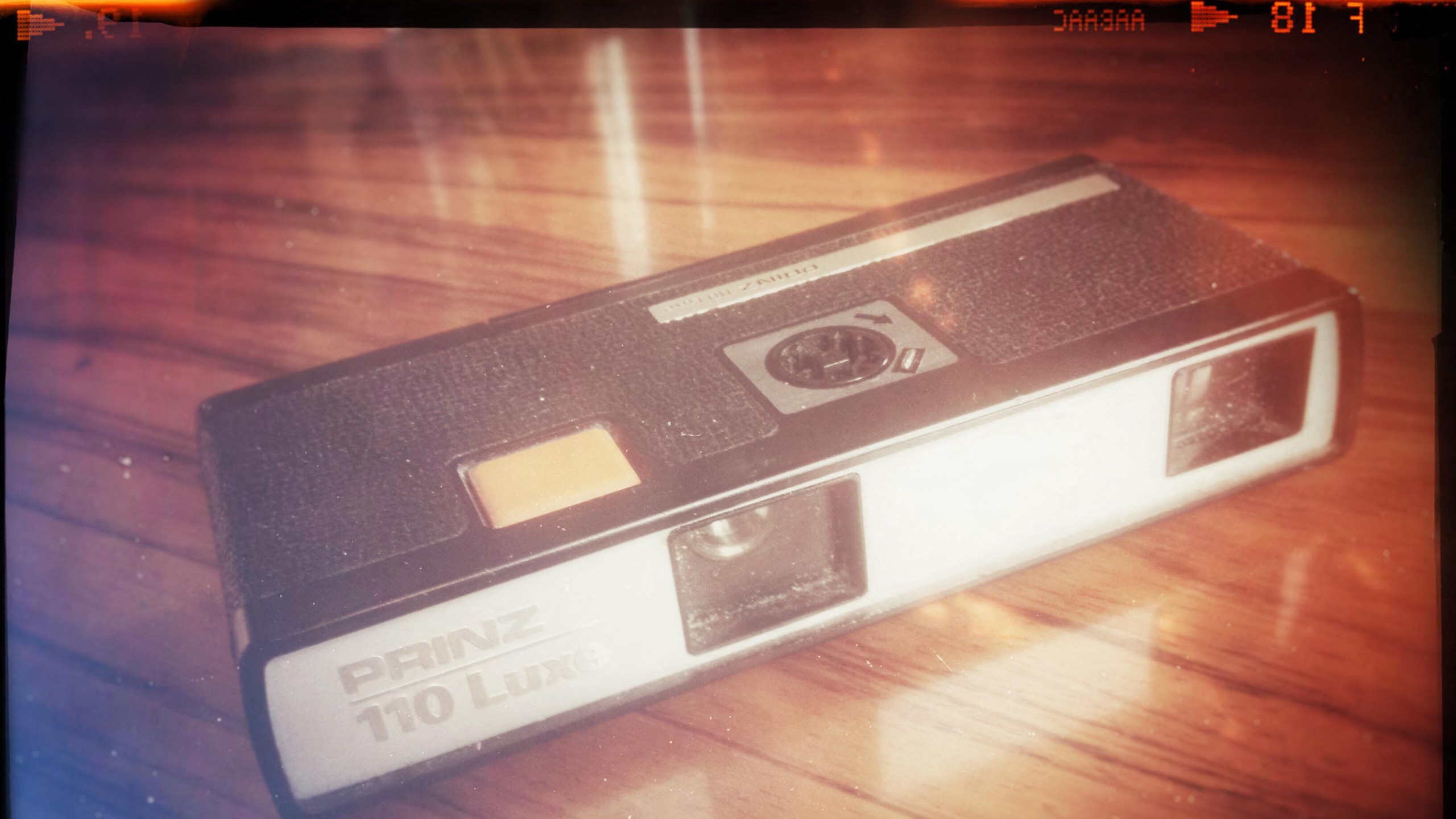
The revival is not restricted entirely to digital replicas. Traditional film enthusiasts and purists have also been given new options by quirky, niche analog brands. Lomography, known for keeping various alternative and vintage film formats alive in the modern era, has released newly refreshed designs of its Lomomatic 110 camera. Expanding on the initial launch of the Lomomatic 110 line, the brand introduced striking new visual variants, including a brass cheetah pattern and a classic red-dot aesthetic that make the modern cameras look as though they were pulled straight out of a 1970s time capsule.
Data compiled from Google Trends highlights the sheer scale of this renewed attention, showing that global searches for "110 cameras" reached a ten-year high. This substantial spike indicates that the resurgence goes beyond a localized internet fad, pointing to a broader, sustained curiosity regarding the forgotten format.
While global search metrics clearly illustrate a surging interest in 110 equipment, the data alone cannot completely pinpoint why a format born in the early 1970s has captured the cultural imagination today. However, broader cultural trends offer plenty of context. Over the last several years, retro, 1980s-inspired aesthetics have saturated social media platforms, from fashion and interior design to stylized, high-quality kitsch portraits produced by professional photographers opting for tangible, nostalgic results over algorithmic perfection. Given that society-wide obsession with the visual language of the late 20th century, it follows naturally that the hardware associated with that era is enjoying a parallel renaissance.
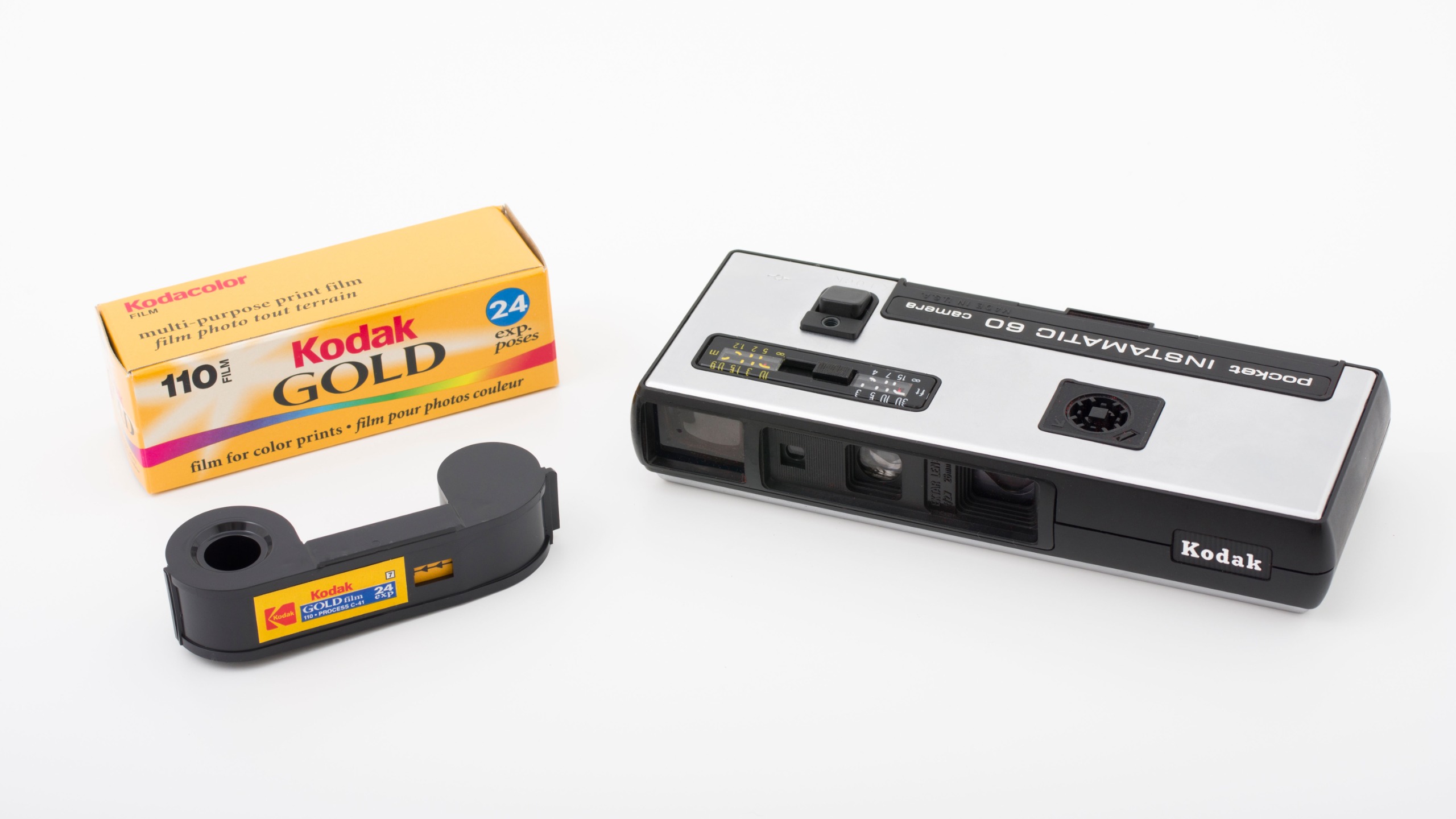
Furthermore, the physical characteristics of 110 cameras align perfectly with existing consumer movements toward compact, portable, and simplified photography equipment. Long before the modern pocket camera and point-and-shoot comeback driven largely by younger generations looking to disconnect from smartphone distractions, 110 cameras offered an ultra-portable, pocketable, and inexpensive alternative to bulky SLR systems. For many adults today, handling a 110 camera evokes immediate childhood memories of loading those tiny plastic cartridges into simple point-and-shoots during family trips in the 1990s—a format that likely accounts for a substantial percentage of the physical family photo albums compiled during that decade.
A Gateway to Analog Photography
Beyond the nostalgia and aesthetic appeal, the structural design of 110 systems offers practical benefits for contemporary users. The simplicity of the drop-in cartridge makes these cameras an ideal, low-friction entry point for beginners who want to dip their toes into traditional film photography without being intimidated by the mechanics of manual loading, winding, and exposure settings.
Whether through a screen-free digital device mimicking the pocketable shape or a newly minted brass-and-leather analog machine, the enduring appeal of the 110 camera proves that photography’s past continues to hold powerful influence over its future.