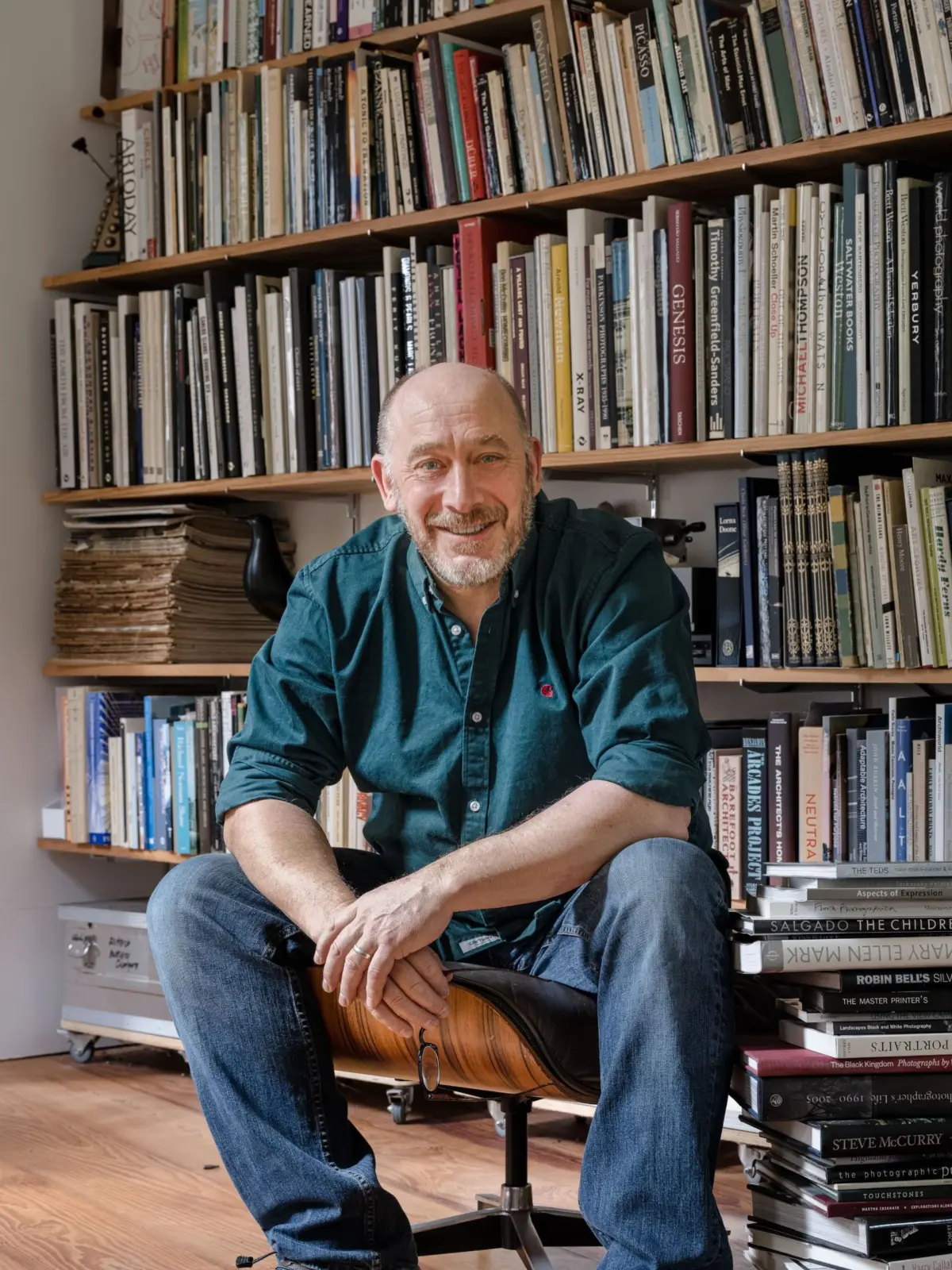
While the public often only encounters the finished facade of a striking modern building, architectural photographer Timothy Soar sees something entirely different. Through his lens, he captures the designers behind the structures—their distinct personalities, their creative workspaces, and their profound aspirations for the future of their profession.
In his current exhibition, Reinventing Practice, on display at the Building Centre in London throughout this month, Soar brings together intimate portraits of 40 architects who are currently at the forefront of Britain’s building industry. The exhibition delves deeply into the individuals and dynamic practices working behind the scenes to actively change and redefine the contemporary built environment.
"In making the series, I hadn’t really turned away from photographing architecture," Soar explains. "I was trying to extend its photographic language to include the people responsible for making it."
According to the photographer, the intellectual and creative roots of Reinventing Practice trace back to a project that began over two decades ago in 2004. That pivotal year, Soar purchased his very first digital camera—a Canon 1Ds—and paired it strategically with a specialized Canon tilt-shift lens.
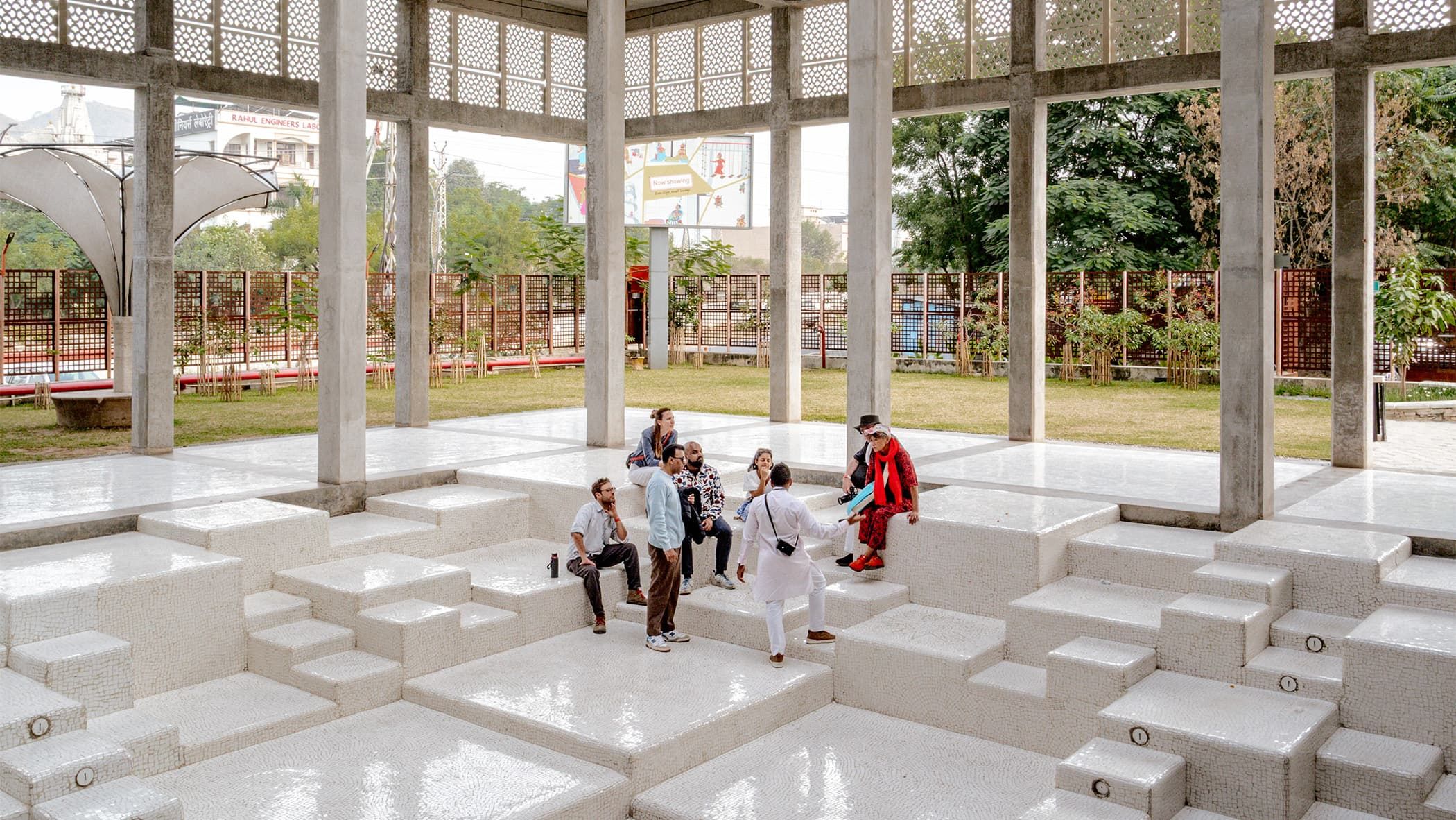
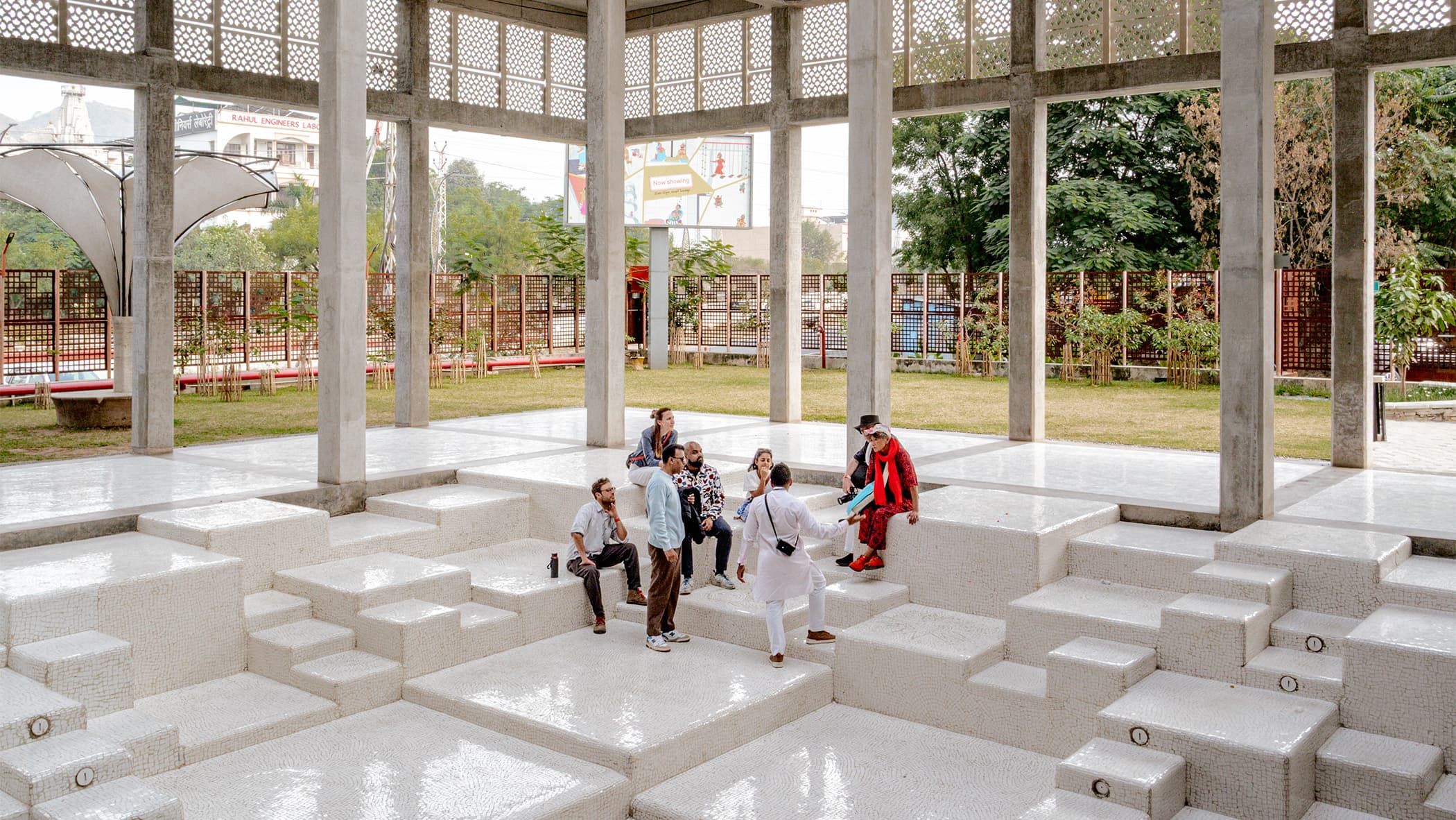
Having previously worked extensively with large-format four-by-five-inch transparency film, Soar had faced enormous logistical difficulties when trying to make photographs that naturally included people within architectural spaces. With his new equipment, however, he suddenly found a powerful and fast way to capture expansive interiors with the human element fluidly integrated.
Armed with his new digital setup, and working in close partnership with Architects’ Journal (AJ) editor Isabel Allen, Soar set out to photograph a diverse group of architects within their own working environments, hoping to shed genuine light on the inner workings of a famously demanding profession.
This initial collaboration subsequently developed into the Architects’ Journal 2005 landmark edition of "40 Under 40," a celebrated showcase of emerging architectural talent in the United Kingdom. "The series went on to become the most popular feature in the magazine and provoked some splendid, occasionally heated, conversations in the letters pages," Soar recalls.
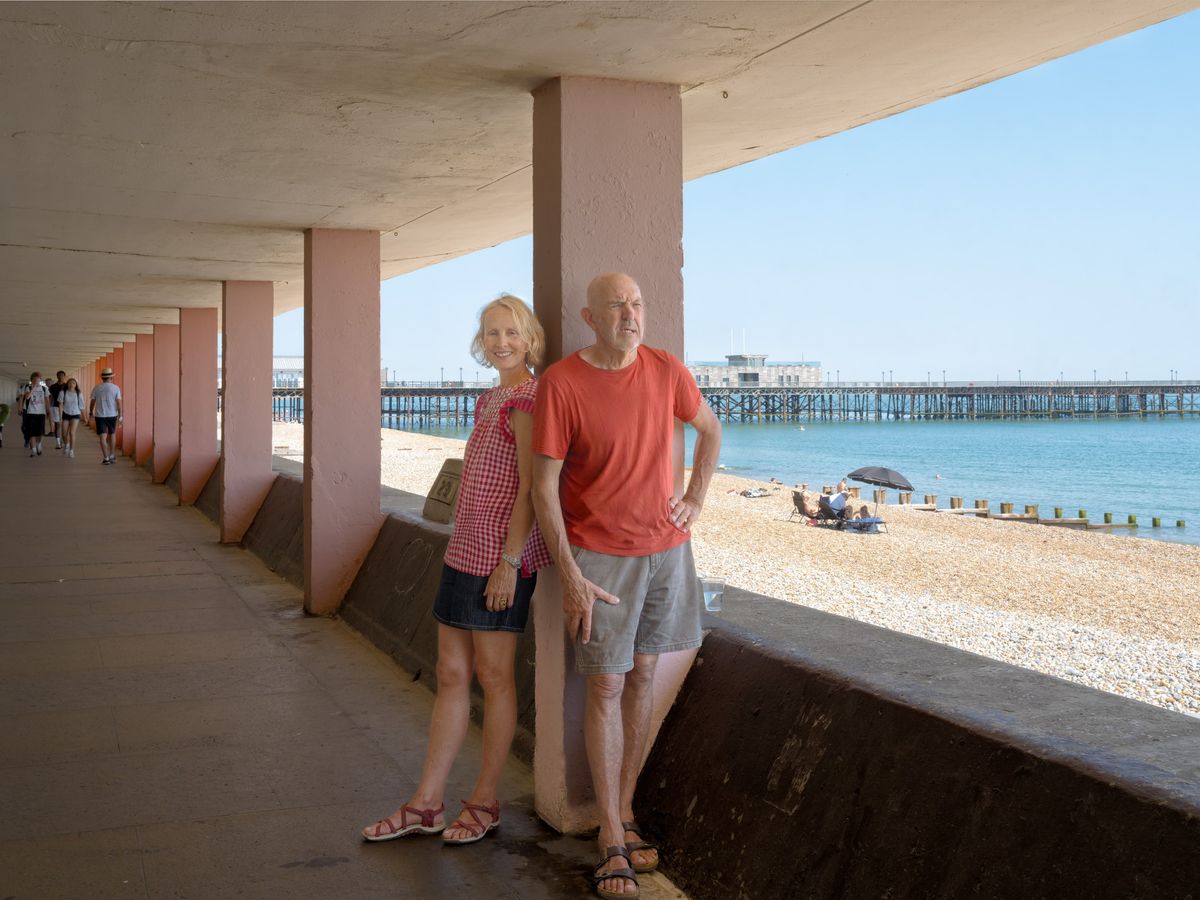
Instead of imposing standard, rigid corporate portraits on his subjects, Soar works collaboratively with each architect to create images that reveal their genuine personalities, messy working environments, and core professional values. Rather than relying on staged studio setups, he immerses himself in their daily surroundings.
"I begin by looking for a composition that makes sense of all this, then work out how the person might naturally inhabit it," he notes.
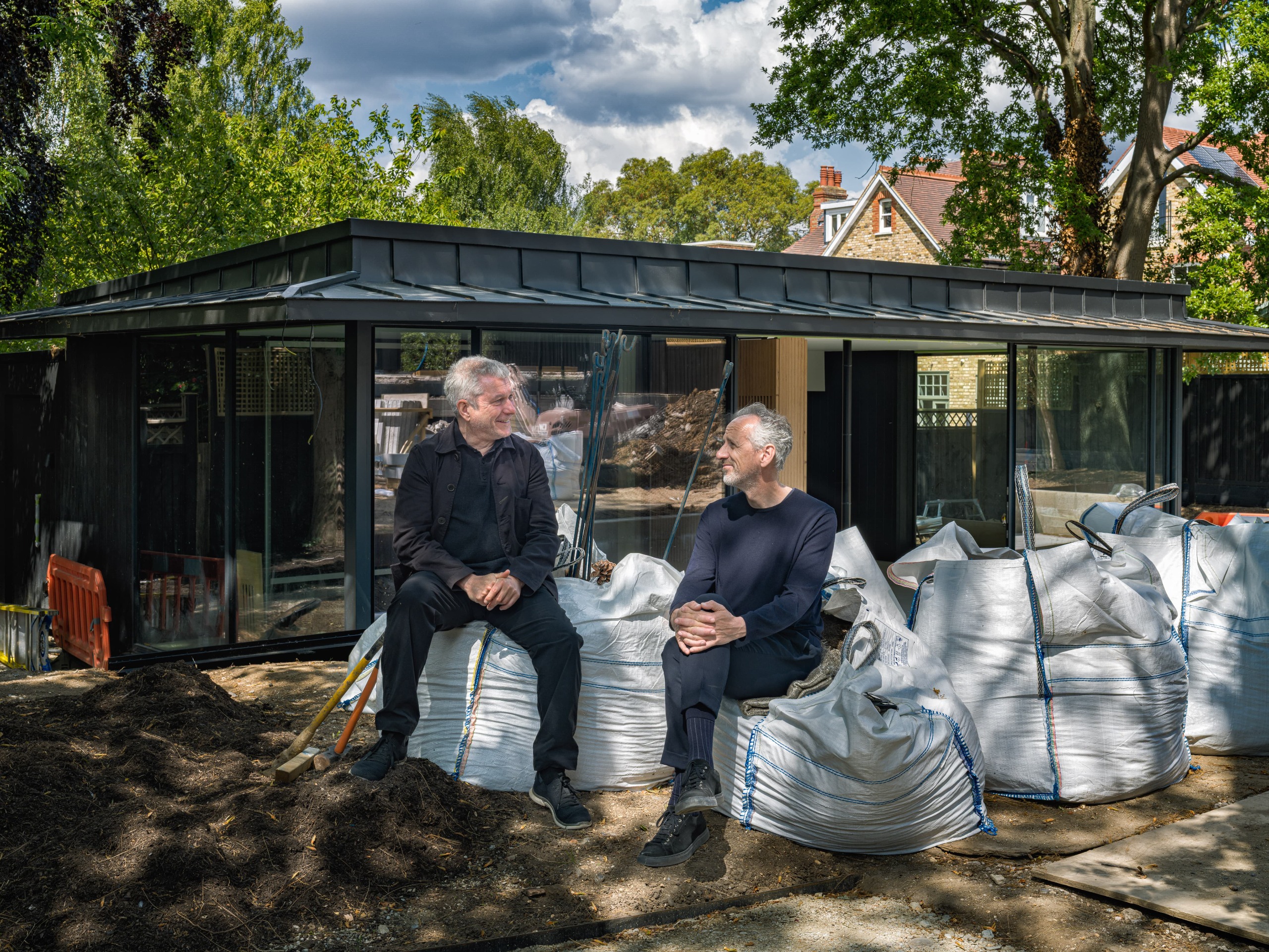
This approach is vividly demonstrated in portraits like the one of Rupert and Socrates from MCM Architecture, whom Soar captured perched casually on enormous bags of compost, chatting easily like old friends catching up over coffee. "I’m looking for something that feels entirely characteristic of the person, rather than an image of how an architect is supposed to look," the photographer adds.
Timothy Soar’s Gear and Technical Approach
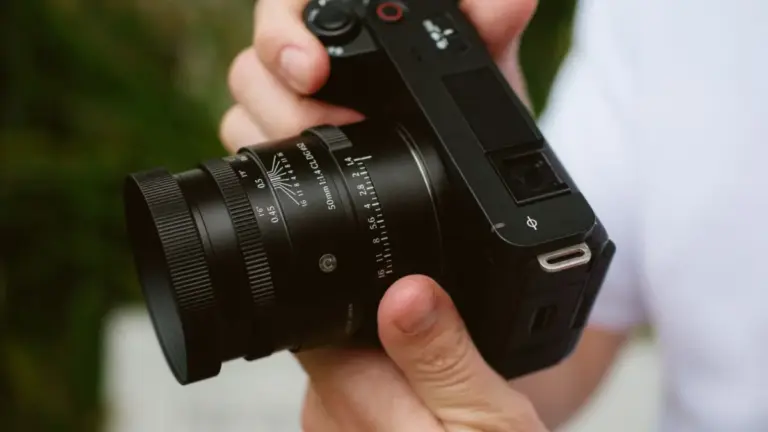
To achieve the striking visual coherence seen across the exhibition, Soar relied on a specific, high-end kit and deliberate technical settings. For Reinventing Practice, he shot the entire series using a Fujifilm GFX 100 medium-format camera paired with a Canon TS-E 50mm f/2.8L tilt-shift lens via an adapter.
According to Soar, utilizing one primary camera body and lens combination across all forty portraits gave the entire collection a consistent, unifying visual language. His technical settings were typically locked at ISO 100 and an aperture of around f/11 to ensure maximum depth of field and sharp detail across both the subjects and their complex studio backgrounds, occasionally employing slower shutter speeds of a quarter or half a second in lower ambient light.
Responding to a Changing World
While Soar’s subjects consistently challenge the traditional corporate image of a professional in their field, they are also introducing radically new ways of working to an industry facing unprecedented global challenges.
"They are at the leading edge of responding to a world undergoing rapid change as a consequence of global warming," Soar observes.
According to the Royal Institute of British Architects (RIBA), climate change represents the single biggest threat to the built environment sector. The broader architectural industry is being forced to rapidly adapt its practices to account for rising global temperatures, increased risk of flooding, shifting weather patterns, and the socio-economic pressures of migration—realities that Soar notes are powerfully reflected throughout his exhibition.
Despite the daunting nature of these environmental crises, the prevailing mood captured in Soar’s portraits is one of resilience and creative problem-solving. "I think what I’ve learnt is how optimistic, engaged, and positive these architects are, how much they have to contribute to the debate, and the extraordinary range and imagination of the solutions they’re developing," he says. "I’ve found their optimism rather moving."
Ultimately, Soar hopes that visitors to the exhibition will look past the polished, beautiful buildings that so often epitomize architectural media and recognize the optimism, drive, and foundational values held by what he describes as an extraordinary group of people actively changing the way the industry operates.
Timothy Soar: Reinventing Practice remains on display until October 30 as a key component of Regenerative Design 2026, a month-long program at the Building Centre in London exploring how contemporary architecture and design are responding to ongoing environmental and social transformations.