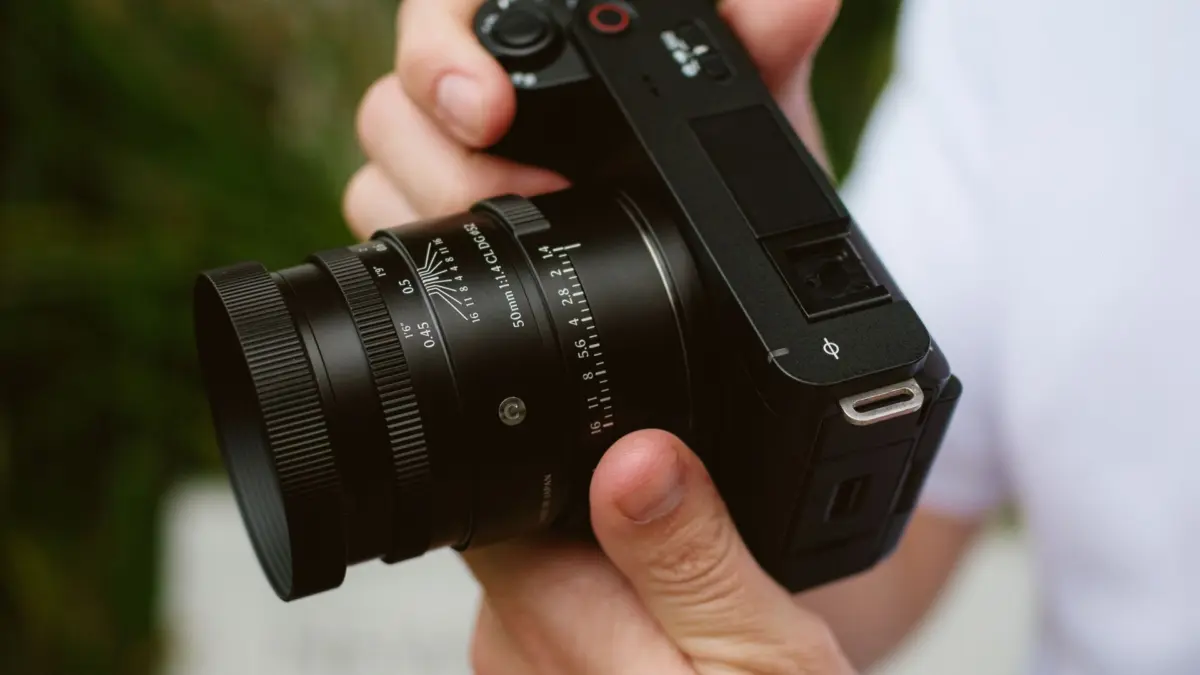
Japanese lens manufacturer Sigma has announced the development of an entirely new line of premium, classically-inspired photographic lenses designed to blend vintage aesthetics with modern optical engineering. Spearheading this fresh approach is the Sigma 50mm f/1.4 CL DG Contemporary lens, which is expected to officially hit the market in the spring of 2027.
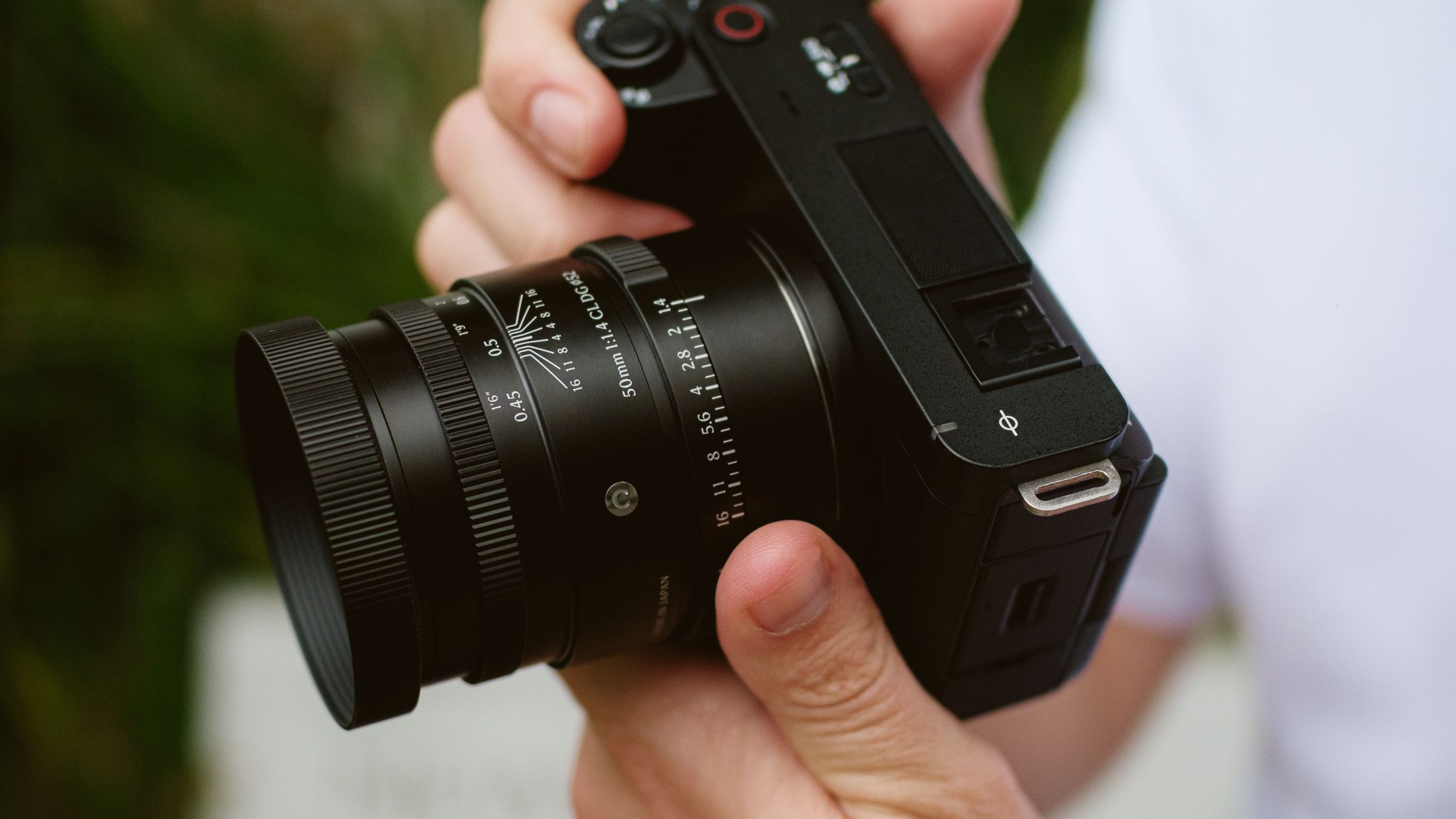
According to the company, this upcoming optic is the very first entry in what will be an entirely new "CL" lineage of lenses, conceptualized specifically to maximize the pure joy of shooting. Harkening back to the golden era of classic film photography, lenses from this new series will feature tactile, all-metal barrel designs complemented by physical focal distance scales. By wedding timeless exterior styling with cutting-edge internal technology, Sigma aims to appeal to photographers who appreciate both the physical craft of traditional camera operation and the sharp, reliable performance of contemporary mirrorless systems.
The upcoming 50mm f/1.4 lens is slated for release in both L-Mount and Sony E-Mount configurations, making it broadly accessible to users of popular full-frame mirrorless camera platforms. From a design standpoint, the lens marries a robust metal housing, a matching metal lens hood, and a sleek magnetic lens cap. Despite its heavy-duty metal construction, the lens has been carefully engineered to remain remarkably lightweight and compact, defying the typical bulk associated with ultra-bright aperture prime lenses. To further enhance its vintage aesthetic and cater to individual shooter preferences, the lens will be made available in both classic black and sophisticated silver finishes.
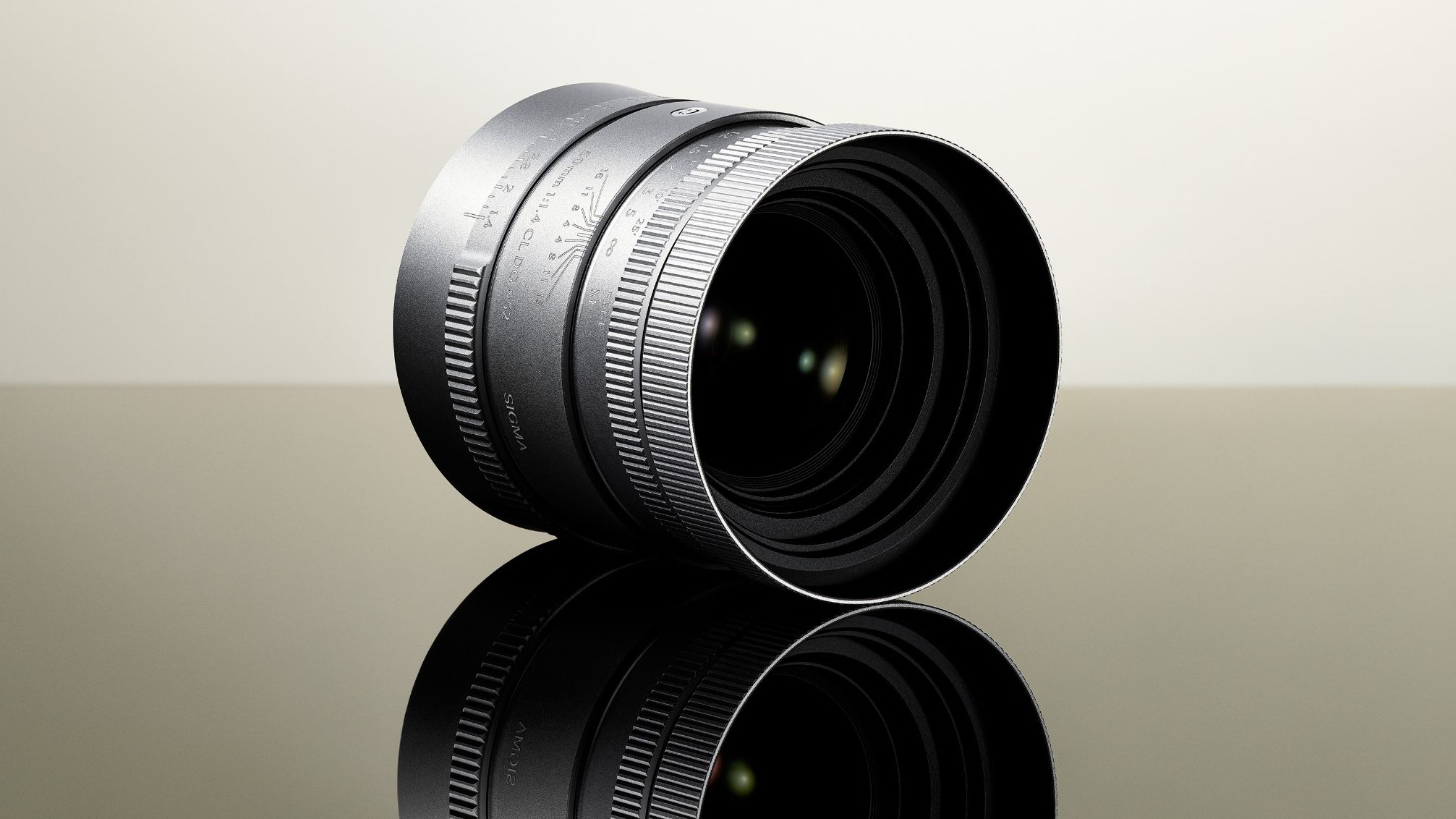
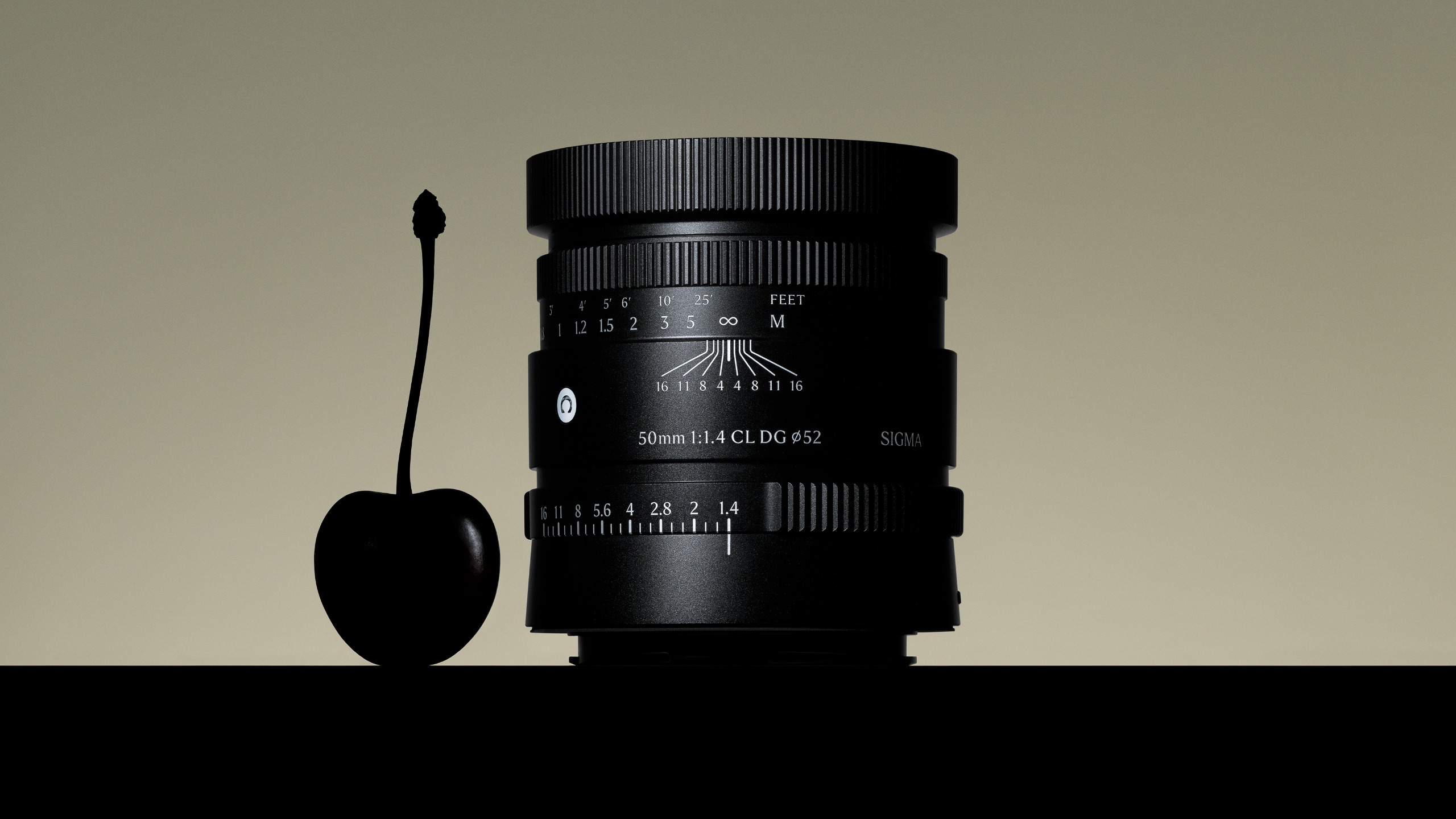
Because this announcement serves as an initial development preview, Sigma has noted that certain technical specifications remain subject to change ahead of the formal 2027 launch. However, preliminary development details released by the manufacturer hint at an exceptionally compact form factor. For the L-mount version, the lens measures approximately 2.1 inches, or 54 millimeters, from the front of the lens element to the mount flange. Furthermore, the optic is projected to tip the scales at roughly 13.2 ounces, or 375 grams. To put these figures into perspective, this upcoming design is roughly half the length of Sigma’s existing 50mm f/1.4 DG DN Art lens and an impressive 45 percent lighter, marking a significant achievement in space-saving optical design for a fast prime.
While the exterior of the 50mm f/1.4 CL DG Contemporary immediately draws comparisons to vintage manual-focus film lenses—most notably through the inclusion of its prominent depth-of-field and focal distance scale—the interior is thoroughly modern. The lens incorporates a newly developed RDD actuator motor designed to handle high-speed autofocus duties. This sophisticated motor utilizes a precise configuration of magnets and coils to shift the lens’s focusing unit rapidly and quietly. In order to maintain the desired compact physical footprint, Sigma opted against an internal focusing design. Consequently, the overall physical length of the optic expands and contracts slightly as the focus point is adjusted.
Adding to its streamlined handling, the lens features intuitive manual focus integration. Turning the manual focus ring while the camera is engaged in autofocus mode will instantly and temporarily switch the system into manual focus, eliminating the need for photographers to fumble with physical switches on the camera body or lens barrel to transition back and forth between focusing modes.
Optically, Sigma has leaned heavily on advanced computer simulation technology to govern and refine aberrations, rather than trying to eliminate them entirely through brute-force glass configurations. In its official development announcement, the company explained that exhaustive simulations were utilized to intentionally control optical aberrations. The goal of this deliberate tuning is to achieve a gentle, flattering softness within the primary in-focus plane, paired with smooth, highly attractive bokeh and a characterful background rendering designed to make the main subject pop out of the frame.

The optical construction of the lens consists of nine distinct elements arranged in six groups. Within this array, Sigma has included three specialized aspherical elements, which play a crucial role in suppressing optical anomalies such as flare and ghosting, ensuring high contrast and clarity even when shooting directly into bright light sources or complex backlit scenarios.
Beyond its optical attributes, the Sigma 50mm f/1.4 CL DG Contemporary has been built to withstand the rigors of field use. The lens incorporates comprehensive dust and splash-resistant seals throughout its barrel to prevent environmental contaminants from infiltrating the camera system. Additionally, the front lens element is treated with a specialized water- and oil-repellent coating, making it significantly easier for photographers to wipe away fingerprints, moisture, and smudges while working in challenging outdoor weather conditions.

Sample images released by Sigma alongside the development announcement highlight the lens’s distinctive rendering capabilities, showcasing smooth transition areas from sharp focus to out-of-focus blur, as well as rich tonal gradations. As a preliminary development notice, pricing details for the Sigma 50mm f/1.4 CL DG Contemporary have not yet been disclosed by the manufacturer ahead of its projected spring 2027 release window.
The unveiling of this new lens lineage coincided with another major product announcement from the company: the introduction of the new Sigma FP2. This ultra-compact hybrid full-frame mirrorless camera brings several high-end upgrades to Sigma’s minimalist camera body design, including the ability to shoot up to 6K open gate alongside faster overall performance and a flexible tilting screen.