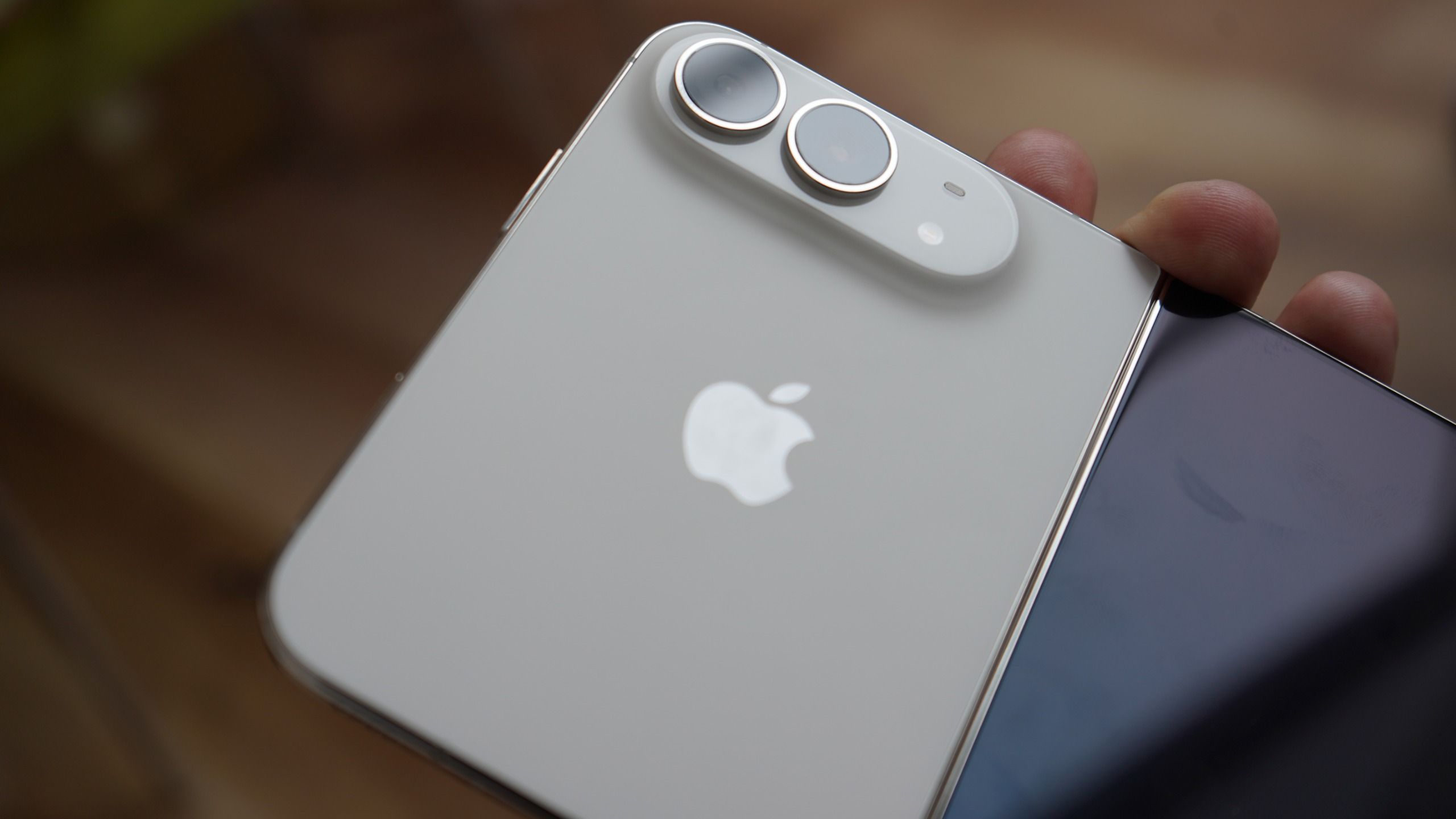
The iPhone Duo cuts a striking figure in promotional photography, boasting the sleek, minimalist aesthetic consumers have come to expect from Apple’s industrial design team. However, that initial visual splendor is quickly tested once you dive into everyday usage, interact with third-party applications, and put the device’s heavily compromised camera system through its paces. There are undeniable trade-offs embedded in Apple’s first foray into the foldable market, leaving early adopters to wonder whether these growing pains are merely temporary software hurdles or permanent hardware limitations destined to linger until the next hardware generation.
The reality, much like the device itself, sits comfortably in a nuanced middle ground.
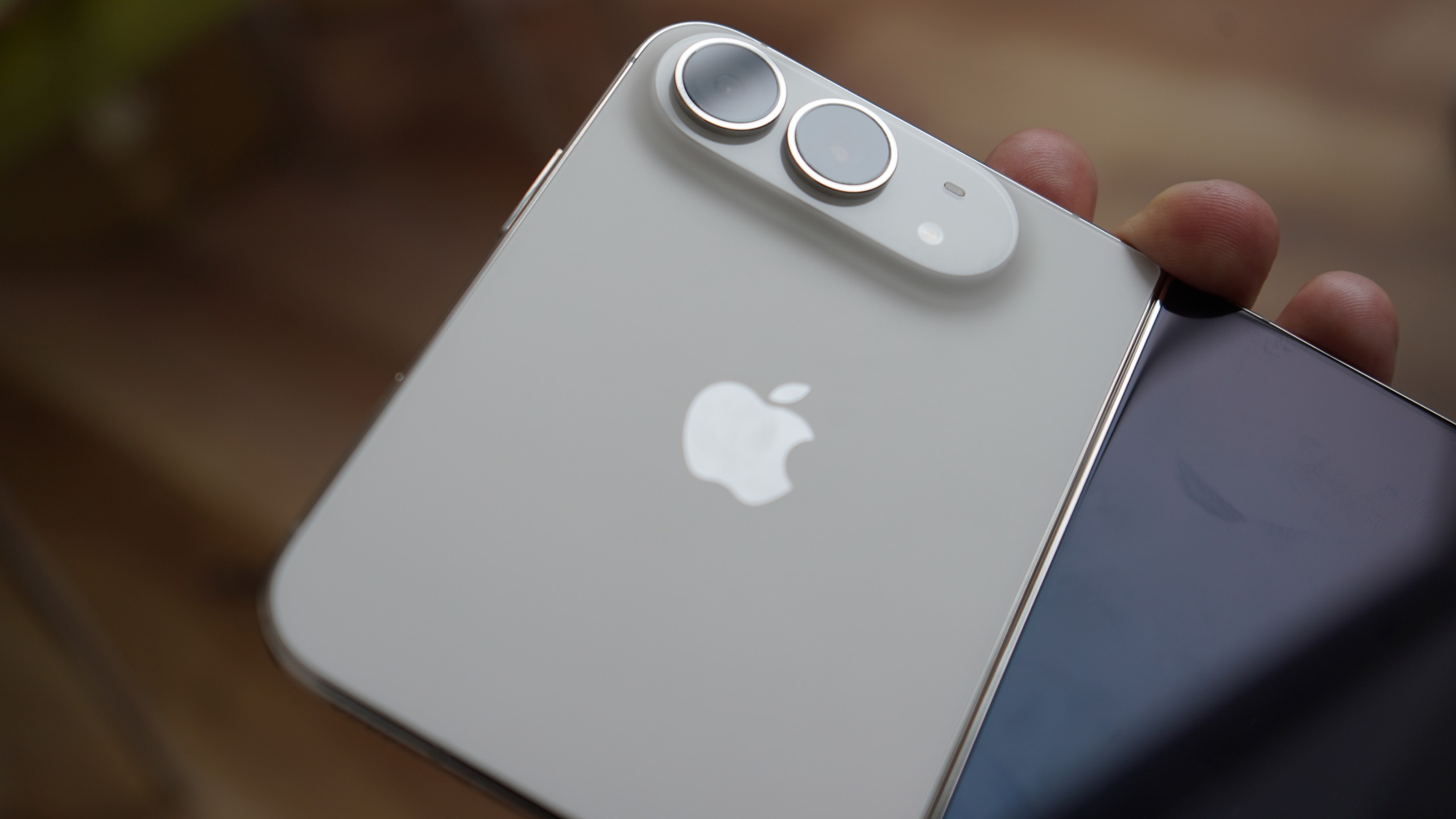
When evaluating the cameras, it is crucial to avoid any illusions about what is on offer. The glaring omission of a dedicated telephoto lens was entirely apparent before handing over the money. If you are upgrading from or accustomed to the exceptional, high-powered optical zoom capabilities found on flagship models like the iPhone 17 Pro, be prepared to run straight into a hard physical hardware limitation. Yet, for all the limitations of the optical setup, the lack of reach may not even be the most frustrating daily friction point for users.
That dubious honor belongs to authentication.
Long-time Apple users have grown deeply accustomed to Face ID—the sophisticated TrueDepth camera and 3D facial scanning system that Apple originally tucked into the iconic display notch before refining it out entirely. Face ID provided a frictionless, transparent security layer that unlocked previous generations of iPhones seamlessly.
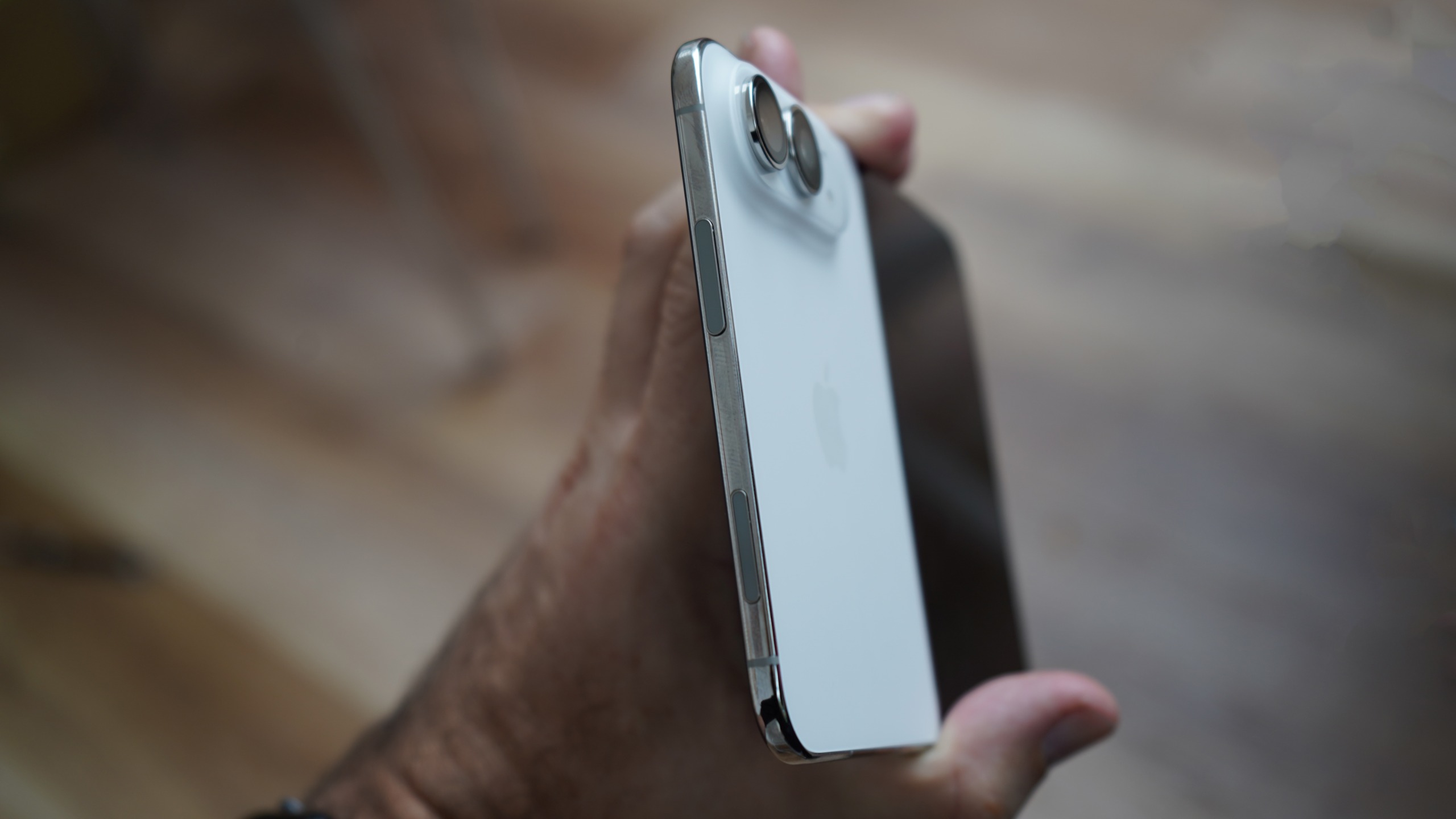
The iPhone Duo, by necessity of its folding form factor, forces a shift away from facial recognition toward a side-mounted fingerprint scanner. For a right-handed user operating the phone in its closed position, the placement feels relatively natural, with the thumb resting comfortably against the sensor. But the moment you unfold the device to take advantage of the expanded "mini iPad" tablet view, your interaction changes entirely. To utilize the larger screen effectively, users naturally rotate the device, a movement that frequently disorients muscle memory and complicates the unlocking process.
Apple’s engineering solution involves a button raised slightly from the chassis exterior, making it marginally easier to locate by touch when an application insists on additional security credentials. While functional, it feels merely adequate rather than possessing the magical, ambient reliability of the biometric authentication found across the iPad Pro lineup.
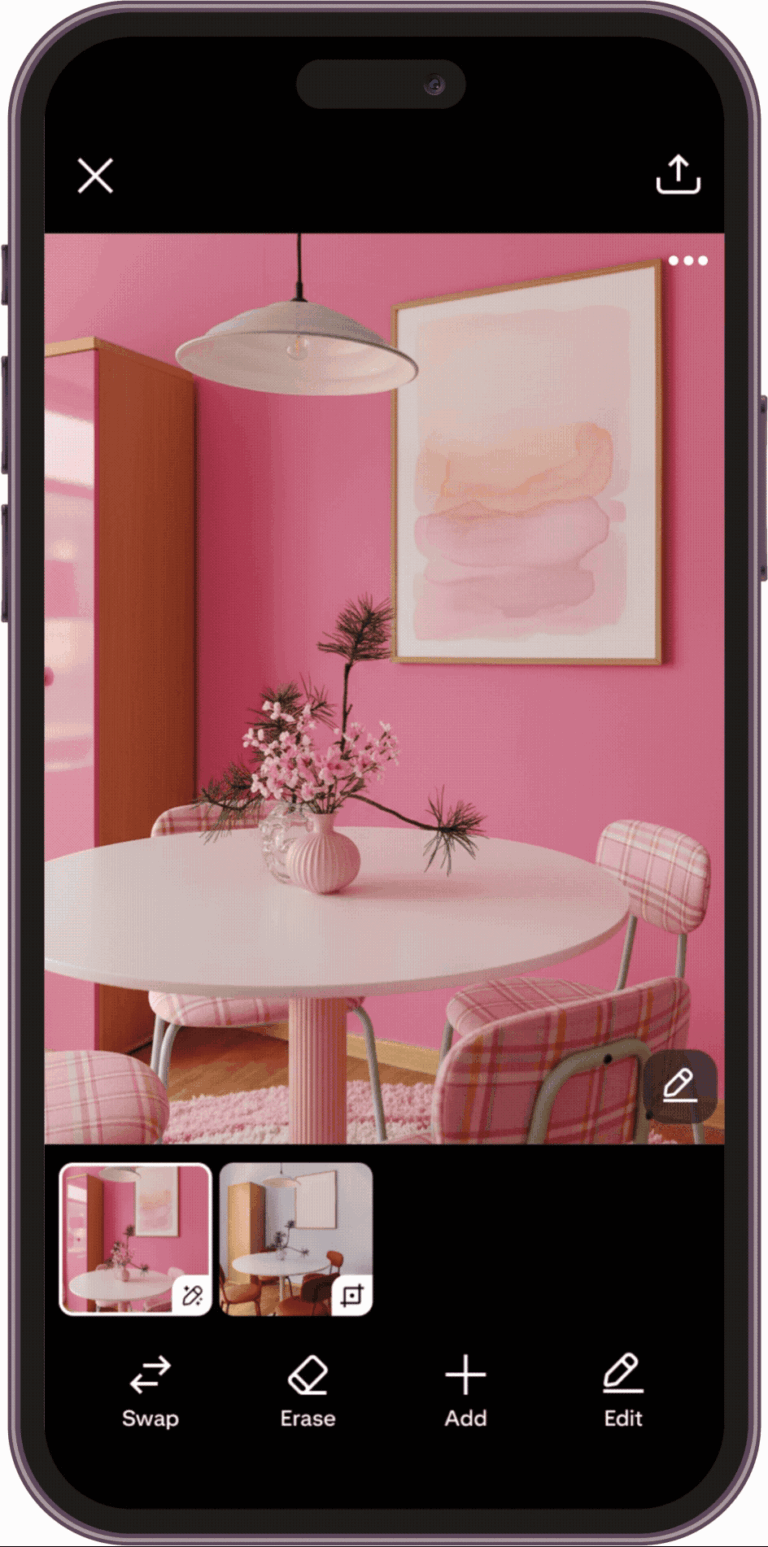
Adapting to the unique display dimensions presents another steep learning curve, particularly regarding software compatibility. Initially, it is easy to maintain an optimistic outlook because Apple has meticulously optimized its native applications for the folding canvas.
Yet, limitations quickly emerge. Major streaming platforms like the Apple TV app and Netflix have received top-tier design treatments, offering gorgeous, sprawling browser views whether the phone is closed or fully expanded. Even so, software optimization cannot rewrite the laws of native content creation: the vast majority of television shows and cinematic media are shot in standard widescreen aspect ratios like 16:9 or 16:10. This inherent mismatch inevitably generates prominent black bars on the display, meaning that standard video playback on the open iPhone Duo is not noticeably larger than what users experience on an iPhone 18 Pro Max—or even its predecessor, the iPhone 17 Pro Max.
Beyond media playback, users soon realize that legacy third-party applications launch with substantial black letterboxing pillars running down both sides of the screen. These visual borders will remain until independent developers invest the time and resources to update their software for Apple’s distinct foldable aspect ratio.
On the positive side, web browsing and examining detailed still images remain exceptionally impressive on the expansive screen estate. The larger viewing area hints at genuine productivity gains for users on the move, sparking legitimate contemplation about whether a separate tablet is still necessary. For instance, tech journalists and power users who routinely lug around a heavy MacBook Pro "just in case" they might need a larger screen during travel may find the foldable iPhone serves as a viable middle ground.
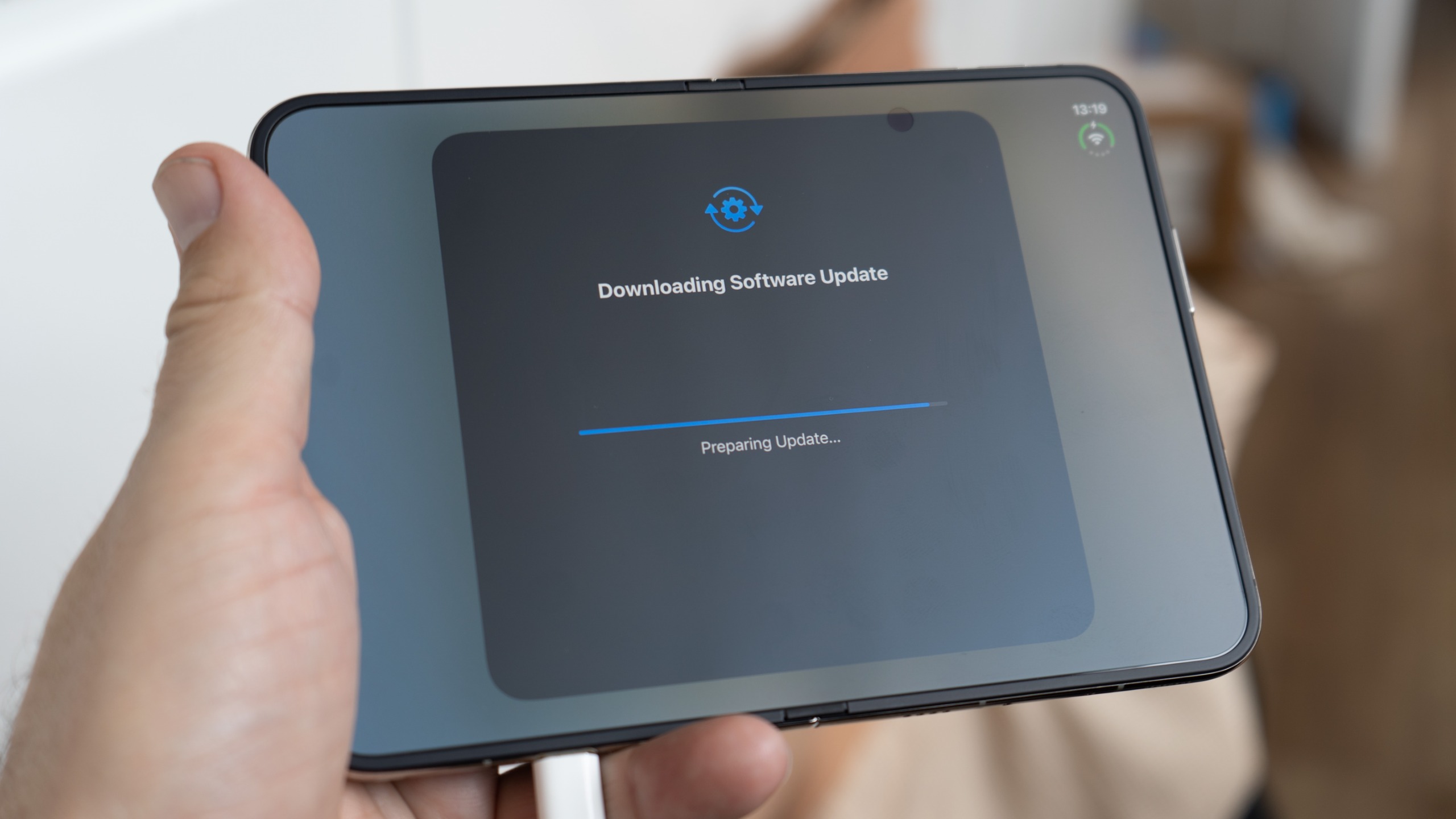
Furthermore, Apple has enhanced the Safari browser experience on the iPhone Duo, introducing subtle desktop-inspired paradigms. Draggable tabs feel remarkably proper on the unfolding screen, and a reassuring number of daily utility apps appear to have been adapted promptly, offering a strong beacon of hope for the platform’s long-term software ecosystem.
Conversely, the imaging drawbacks remain difficult to ignore. Photographs captured using the digital zoom are frankly disappointing. For users who rely on telephoto shots nearly as much as the primary wide sensor—and vastly more than the ultra-wide lens—the drop in quality is a noticeable step backward.
The complete absence of a proper telephoto module was apparently dictated by the strict spatial and architectural requirements needed to make the device’s folded profile so remarkably slim. Nevertheless, some users might gladly accept a slightly thicker or wider handset if it meant retaining premium camera versatility.
The overall physical weight of the device—which has faced some criticism from early reviewers—feels balanced and manageable during daily handling. Slightly larger hands and a preference for deep jeans pockets make the dimensions comfortable to wield. This suggests that Apple should strongly consider developing a larger "Max" variant in the future, one that expands the physical footprint slightly to accommodate the robust Pro-tier camera array. Of course, introducing such a model would create downstream complications for Apple’s meticulously calibrated product naming and pricing hierarchy.
Until that potential future arrives, prospective buyers face a fundamental personal calculation: Can you tolerate a smartphone equipped with a significantly downgraded camera system and an occasionally irksome authentication method in exchange for a dazzling, innovative foldable display?
That exact question is currently echoing through retail environments. Speaking with Apple store staff, reports indicate that the initial consumer rush to snap up the hardware on launch day has not been quite as frenzied as anticipated.
That cooler initial market response could mean that Apple’s projected shipping timelines for online pre-orders are overly pessimistic. Consequently, even consumers who have not yet seriously considered making the leap may soon find themselves able to walk into a store and wrestle directly with the proposition of owning Apple’s first foldable iPhone.