Last fall, Raza Haider, president of premium consumer audio at Bose, noticed something peculiar while dropping his daughter off at college: far more students were wearing wired headphones than he had seen in recent years. What initially felt like an isolated observation soon struck a chord with industry realities, signaling a broader shift in consumer behavior that is catching major tech companies completely by surprise.
"Even my daughter made a comment like, ‘This is nuts. When I was in high school, we would have made fun of kids who had wired headphones, and now it feels like all the cool kids have them,’" Haider says, recounting the cultural pivot happening on campuses across the country.
This unexpected cultural rift away from purely Bluetooth-dominated listening habits is not just anecdotal hearsay. Sales figures from market research firm Circana reveal a notable resurgence, with wired headphone sales increasing 15% year-over-year from 2025 to 2026, totaling $354 million in 2026. While that absolute dollar figure might not seem massive in the grand scheme of the entire consumer electronics sector, in the context of the broader, typically flat-growth headphone market, it is remarkably significant, according to Paul Gagnon, vice president and industry advisor for consumer technology at Circana.
For nearly a decade, the trajectory of the personal audio market seemed set in stone. Following the removal of traditional headphone jacks from major smartphones and the meteoric rise of Apple’s AirPods, consumers rapidly embraced the convenience of wireless technology, particularly sleek earbud designs.
"If you look at the last six or seven years, wired headphones had been declining. Consumers had shown a preference for wireless, especially earbud style, like Apple’s AirPods," Gagnon explains, noting the long-standing dominance of Bluetooth accessories. "We started to see the wired headphone category return to growth last year."
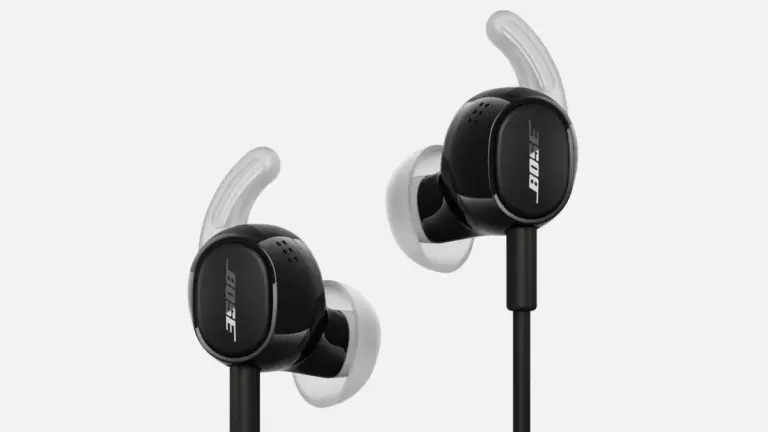
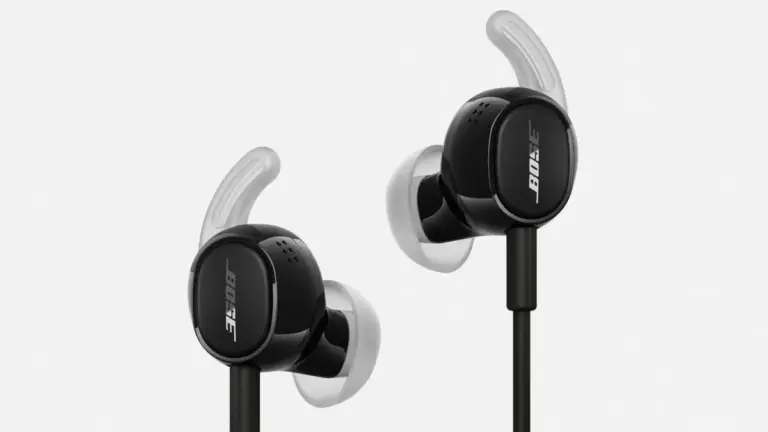
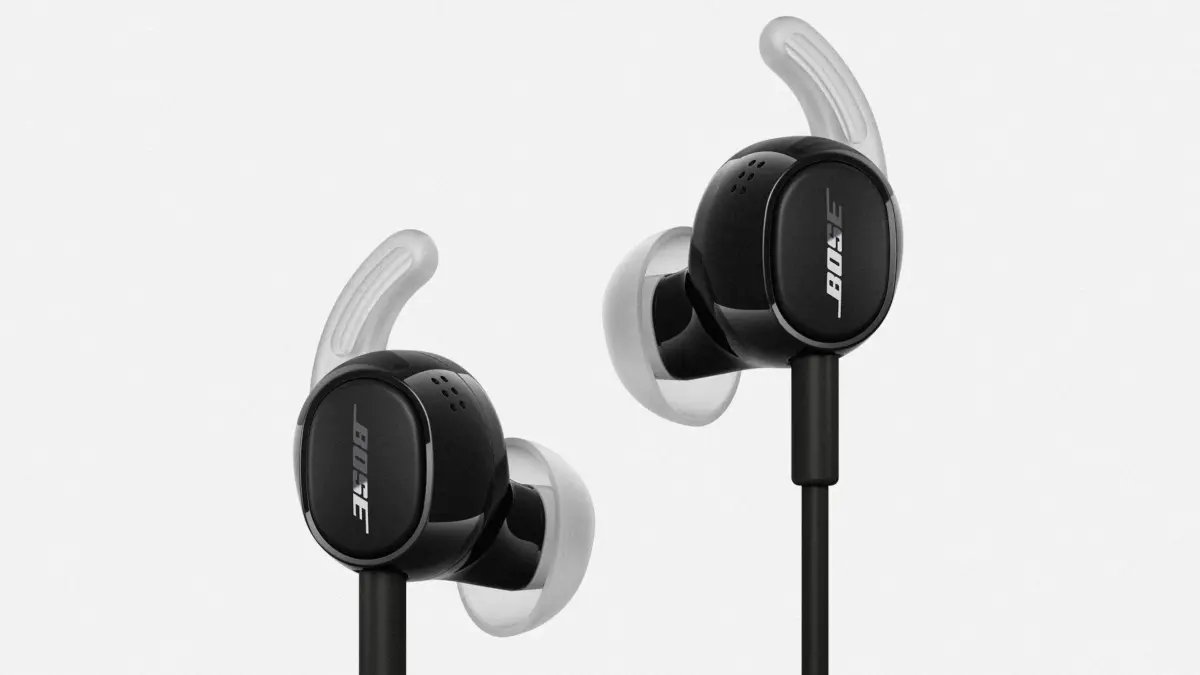
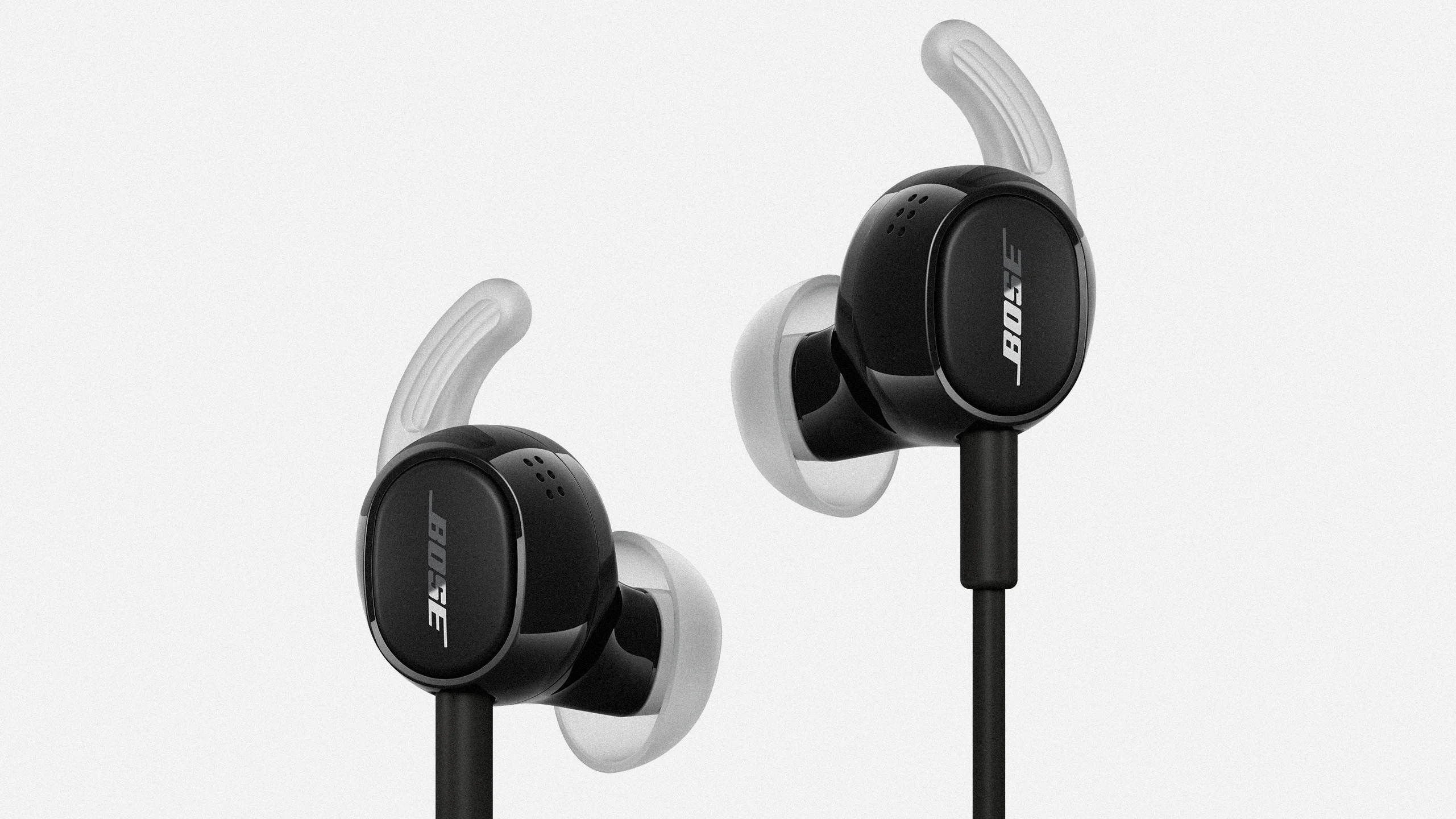
This paradigm shift was underscored late last September when Bose released its new noise-canceling wired earbuds—representing the iconic audio brand’s first wired audio product in 11 years. The market reaction was swift and dramatic. Pre-orders for the $99 headphones sold out two months’ worth of stock in less than 24 hours. Bose reported that this "overwhelming demand" has caused subsequent stock availabilities to quickly sell out as well, proving that consumer appetite for wired options extends far past cheap, disposable accessories. The intense excitement surrounding the new headphones, which officially shipped on October 15, underscores a genuine renaissance happening in the personal audio landscape.
For years, Bluetooth has reigned supreme as the hands-free, untethered standard for listening to music, podcasts, and taking phone calls, with active noise cancellation quickly evolving from a luxury feature into an expected baseline for many users. However, the wireless revolution brought with it a distinct suite of modern annoyances and anxiety-inducing maintenance tasks. Chief among them are the constant chore of charging batteries, the fear of losing an earbud in transit, and the frustration of locating misplaced hardware when it slips out of its charging case or gets lost between couch cushions.
As nostalgic cords come back into the limelight, manufacturers are realizing that the old-school physical connection solves many of these daily inconveniences. Bose, for instance, found a clever way to combine the best of both worlds by offering advanced noise cancellation paired with the reliability and simplicity of a traditional wired connection.
Why wired?
The roots of this surprising comeback trace back further than the latest product launches. According to Gagnon, wired headphone sales actually stopped their long-term decline in August 2025. Since that turning point, wired headphone sales have posted positive growth month after month. This steady recovery has unfolded against the backdrop of a particularly tough economy, where consumers have become increasingly mindful of their discretionary spending.
"Some of it may be cost related," Gagnon notes, pointing out that the average price of a traditional pair of wired headphones sits at just $12.
Though the intense interest in Bose’s relatively pricey pair of Noise Cancelling Wired Earbuds demonstrates a concurrent consumer desire for high-end, premium wired products, the broader market remains anchored by accessible pricing. The top five brands driving the category—Apple, Sony, JLab Audio, Sennheiser, and Skullcandy—mostly retail their wired options well under $20.
As this trend continues to gather momentum, the cultural stigma that once relegated wired headphones to the bottom of the tech hierarchy has officially flipped. What was once viewed as outdated technology by high school and college students is now being embraced as a retro-cool statement piece, offering uninterrupted audio, zero charging anxiety, and a refreshing escape from the digital complications of the modern wireless ecosystem.