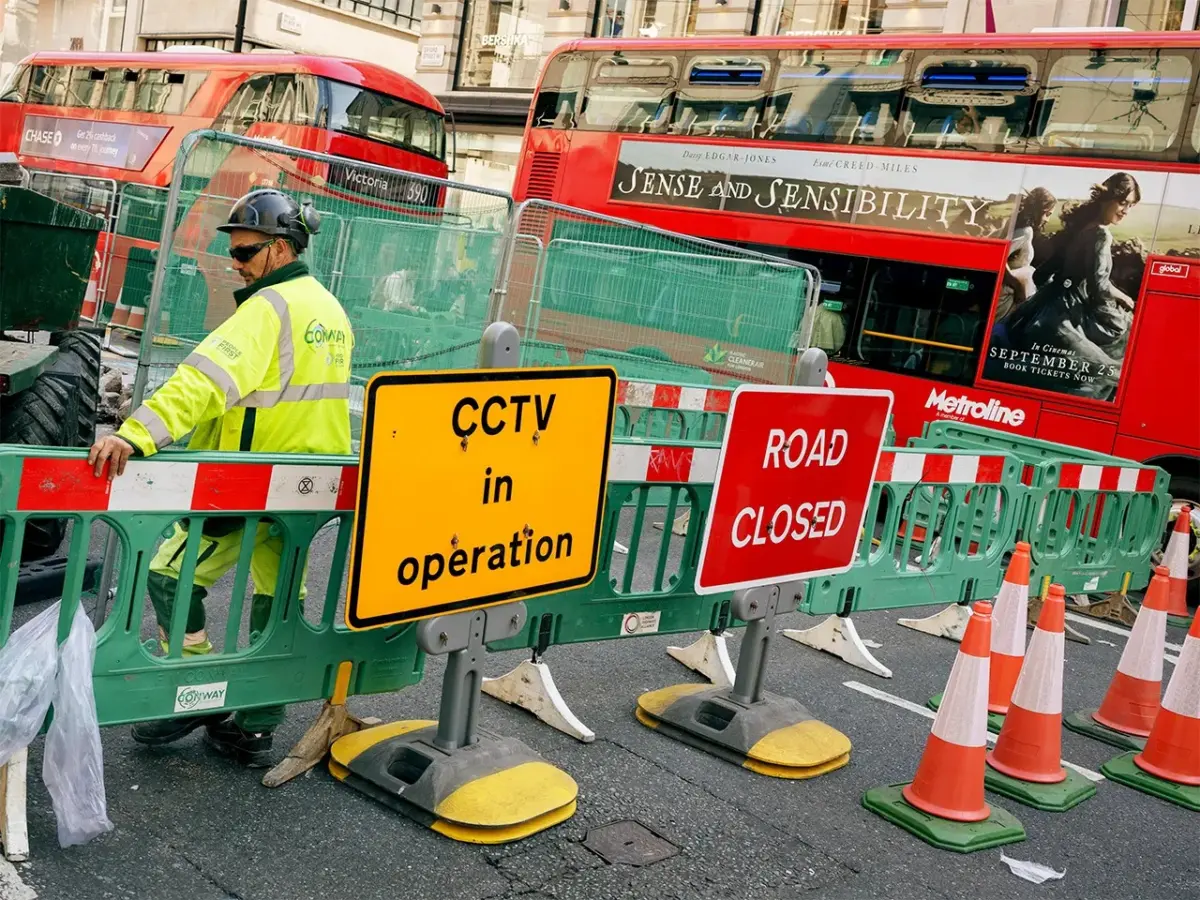
On Monday morning, Londoners will awake to a seismic change in how the city gets around. A one-kilometer stretch of Oxford Street, widely recognized as one of the most famous retail strips in the global economy, will suddenly and decisively be designated for pedestrians only. Under the sweeping new measures, no buses, taxis, or bicycles will be permitted along this vital artery of the capital, specifically within the bustling section stretching between Orchard Street and Great Portland Street.
This dramatic shift is the realization of an urban planning ambition first mooted in the 1960s. For more than half a century, various iterations of the proposal were repeatedly thwarted, pushed back, and compromised by competing interests from local residents, retail stakeholders, and fractured local councils. However, determined to finally deliver the project and reshape the heart of the capital, London Mayor Sadiq Khan took decisive action in January by establishing a specialized development corporation. This strategic move granted him the necessary planning powers to bypass traditional municipal gridlock and push the measure through to implementation. Now, merely ten months later, the transformation is officially becoming a reality.
The physical dismantling of the roadway’s traditional infrastructure is scheduled to begin over the weekend. On Sunday night, specialized construction and highways teams will move in to systematically remove bus stops, clear away redundant traffic signals, and adjust the streetscape for the Monday morning transition. City officials note, however, that the complete aesthetic and functional evolution of the space will take time. It will be several months before permanent new seating, newly designed public plazas, and extensive planting are fully integrated into the corridor, softening the hard urban edges and turning the former thoroughfare into a true public destination.
Nabeel Khan, the newly appointed chief executive of the development corporation overseeing the project, emphasizes that Monday marks the beginning of a deliberate and adaptive process rather than a finished product. He describes the upcoming transition as the start of a sustained period of change, testing, and continuous review. Furthermore, he makes it clear that the primary ambition driving the initiative is to forge a vibrant, dynamic street that effectively serves both everyday Londoners and international visitors.
"The economic performance of this street and the wider West End is critical," Nabeel Khan notes, highlighting the high stakes involved for the capital’s commercial ecosystem. "And all the evidence suggests that once you pedestrianise a space and make it easier for people to visit, to dwell, this results in more spending for retailers."
Despite the economic optimism shared by city hall and various retail advocates, urban planners and civic observers note that pedestrianisation is not always a guaranteed panacea for urban decay or commercial stagnation. Historical precedents offer cautionary tales. In the United Kingdom during the 1960s and 1970s, for instance, numerous town and city centres experimented with pedestrianisation, only to watch their footfall decline precipitously. Deprived of the natural vitality and constant movement brought by public transit and street traffic, many of those early pedestrian malls hollowed out, eventually turning into isolated hangouts for vagrants and persistent pockets of crime.
For the Oxford Street project to avoid a similar fate, experts argue that it must evolve far beyond a simple closure of asphalt to vehicular traffic. The newly liberated corridor will only truly thrive if it successfully establishes itself as a cherished public space—a place where people feel a genuine sense of ownership, affection, and safety. This requires exceptionally robust security measures to ensure that the removal of buses and taxis does not inadvertently create a haven for pickpockets, phone-snatchers, and petty criminality. The ambition and the political will to achieve this transformation are undeniably present, but the true test will lie in the day-to-day management and long-term cultural adoption of the space by the public.
As London steps into this bold new era of urban design, public interest remains exceptionally high, with civic leaders, retailers, and commuters watching closely to see how the capital’s premier shopping district adapts to its car-free future. Monocle Radio’s flagship current affairs program, The Globalist, will be reporting live from Oxford Street on Monday to capture the immediate reactions, logistical realities, and opening-day atmosphere of this historic transition.