Last fall, Raza Haider, president of premium consumer audio at Bose, noticed something peculiar while dropping his daughter off at college: far more students were wearing wired headphones than he had seen in recent years. What initially registered as a passing observation soon struck him as a notable cultural shift.
“Even my daughter made a comment like, ‘this is nuts. When I was in high school, we would have made fun of kids who had wired headphones, and now it feels like all the cool kids have them,’” Haider says.
That campus encounter highlights a broader cultural and commercial rift away from strictly wireless audio that is no longer just anecdotal. Sales of wired headphones increased 15% year-over-year from 2025 to 2026, totaling $354 million in 2026, according to data from market research company Circana. While that absolute figure might not seem massive in the grand scheme of consumer electronics, it carries substantial weight within the context of the broader, typically flat-growth headphone market, notes Paul Gagnon, vice president and industry advisor for consumer technology at Circana.
For nearly a decade, the trajectory of personal audio seemed entirely set in stone. Bluetooth was king, and cords were widely viewed as an obsolete technology of the past.
“If you look at the last six or seven years, wired headphones had been declining. Consumers had shown preference for wireless, especially earbud style, like Apple’s AirPods,” Gagnon says. “We started to see the wired headphone category return to growth last year.”
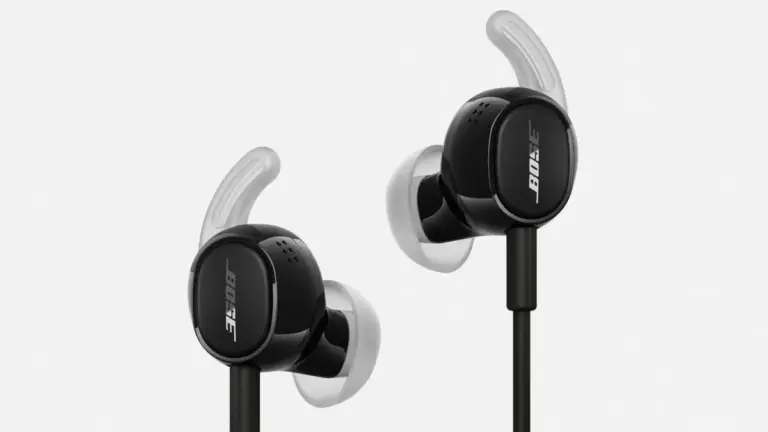
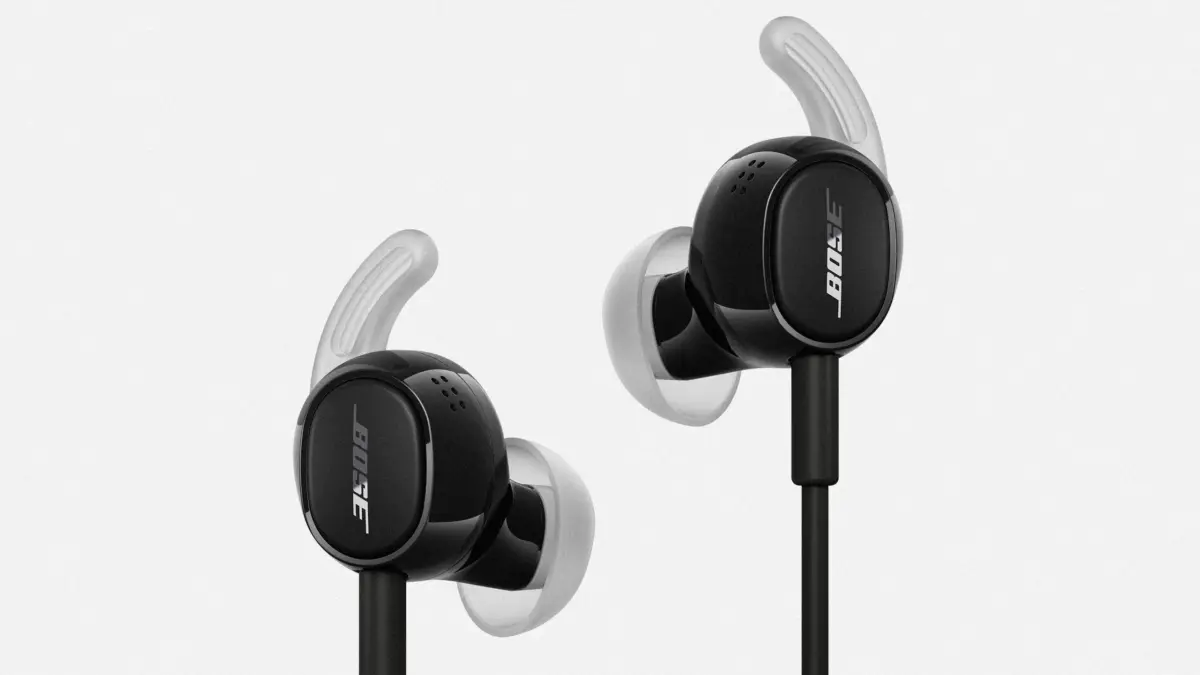
This unexpected turnaround has caught legacy audio manufacturers by surprise and forced them to rethink product pipelines. When Bose released its noise-canceling wired earbuds—marking the company’s first wired audio product in 11 years—in late September, pre-orders for the $99 device blew past expectations. The initial run sold out two months’ worth of stock in less than 24 hours. Bose reports that this overwhelming demand has caused subsequent stock availabilities to quickly sell out as well. The intense excitement surrounding the new headphones, which officially shipped on October 15, underscores a sweeping renaissance happening across the headphone landscape.
For years, Bluetooth dominated the market as the ultimate hands-free way to listen to music, podcasts, and phone calls. As active noise cancellation became a standard expectation for many buyers, wireless earbuds became ubiquitous accessories on commutes, in offices, and at gyms. But the wireless convenience came paired with an annoying suite of modern anxieties. Users suddenly had to worry about battery degradation, regularly charging tiny cases, pairing glitches, and frantically locating misplaced earbuds that had slipped between couch cushions or fallen out during a run.
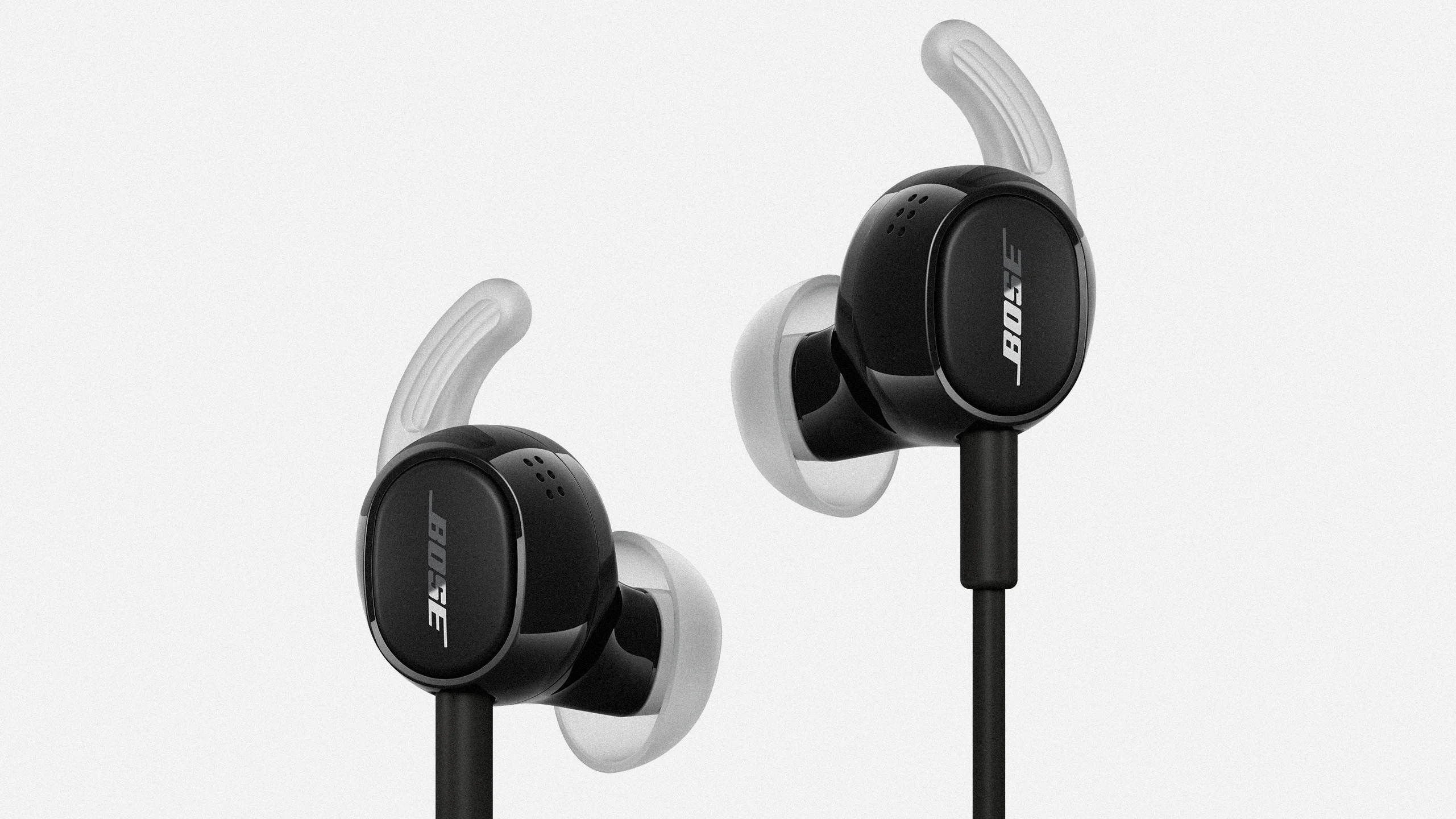
As nostalgic cords step back into the limelight, audio brands are realizing that consumers are growing fatigued by the constant maintenance required by wireless technology. In response, companies like Bose have found a clever way to combine the best of both worlds, pairing the reliability and zero-latency connection of a physical wire with advanced active noise-cancellation technology.
Why wired?
The mechanics behind this market shift are multifaceted, touching on economics, shifting aesthetic preferences, and the simple desire for frictionless technology. According to Circana’s data, wired headphone sales stopped declining in August 2025. Since that turning point, wired headphone sales have posted positive growth month after month. This steady rebound occurred against the backdrop of a particularly tough economy, where consumers across multiple demographics are looking closer at their spending habits and searching for value.
“Some of it may be cost related. The average price of a pair is $12,” Gagnon says.
While the intense consumer interest in Bose’s relatively pricey pair of noise-canceling wired earbuds speaks to a strong, persistent desire for high-end, premium wired products, the broader market remains deeply anchored by affordability. The top five brands driving the category—Apple, Sony, JLab Audio, Sennheiser, and Skullcandy—mostly offer popular wired models that come in comfortably under $20. For budget-conscious students and casual listeners alike, a cheap pair of wired earbuds offers an instant, reliable audio solution that never runs out of battery mid-flight or requires a firmware update.
At the same time, cultural currents have turned the once-mocked white or black wires dangling from smartphones into a distinct fashion statement. Much like vintage clothing, film cameras, and wired over-ear headphones from decades past, Gen Z consumers are actively embracing retro aesthetics as a form of counter-culture against sleek, corporate tech minimalism. The visual presence of a cord has transformed from a sign of outdated tech into a badge of authenticity.
As manufacturers continue to monitor these shifting consumer habits, the audio industry finds itself in an unexpected transitional phase. What began as an odd observation outside a college dorm room has materialized into a documented market recovery, proving that sometimes the oldest technology can feel the freshest when consumers are looking for a break from modern inconveniences.