Last fall, Raza Haider, president of premium consumer audio at Bose, noticed something peculiar while dropping his daughter off at college: a surprisingly high number of students were wearing wired headphones. It was a sight that felt entirely out of place after nearly a decade of wireless dominance.
"Even [my daughter] made a comment like, ‘This is nuts. When I was in high school, we would have made fun of kids who had wired headphones, and now it feels like all the cool kids have them,’" Haider recalls.
This unexpected shift is far more than just a fleeting campus observation or an isolated anecdotal trend. Market data reveals that a tangible rift from Bluetooth-only listening is actively underway. According to data from market research company Circana, sales of wired headphones increased by 15% year-over-year from 2025 to 2026, reaching a total of $354 million in 2026. While that dollar figure might initially seem modest in the grand scheme of consumer electronics, it carries considerable weight within the context of the broader headphone market, which has historically experienced mostly flat growth, notes Paul Gagnon, vice president and industry advisor for consumer technology at Circana.
For years, the trajectory of personal audio pointed in only one direction: away from wires and toward total wireless freedom. "If you look at the last six or seven years, wired headphones had been declining," Gagnon explains. "Consumers had shown preference for wireless, especially earbud style, like Apple’s AirPods. We started to see the wired headphone category return to growth last year."
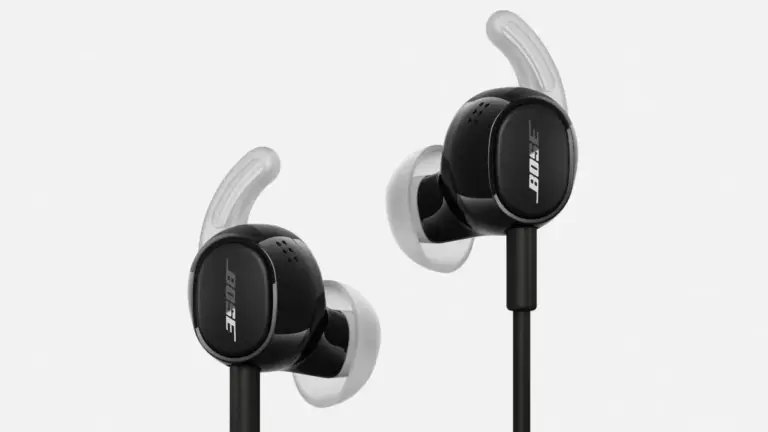
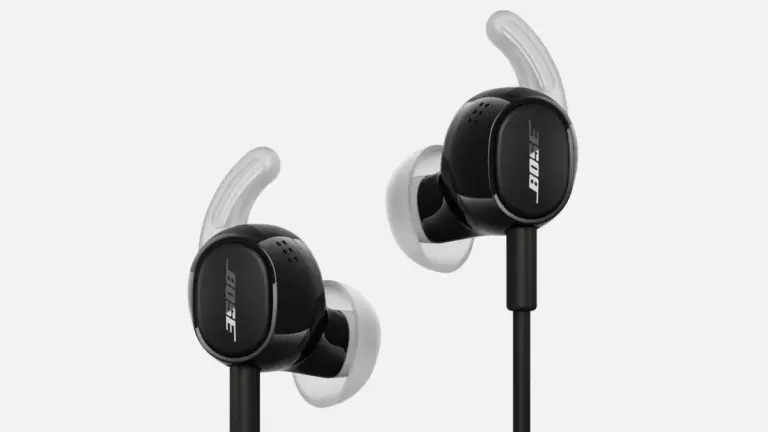
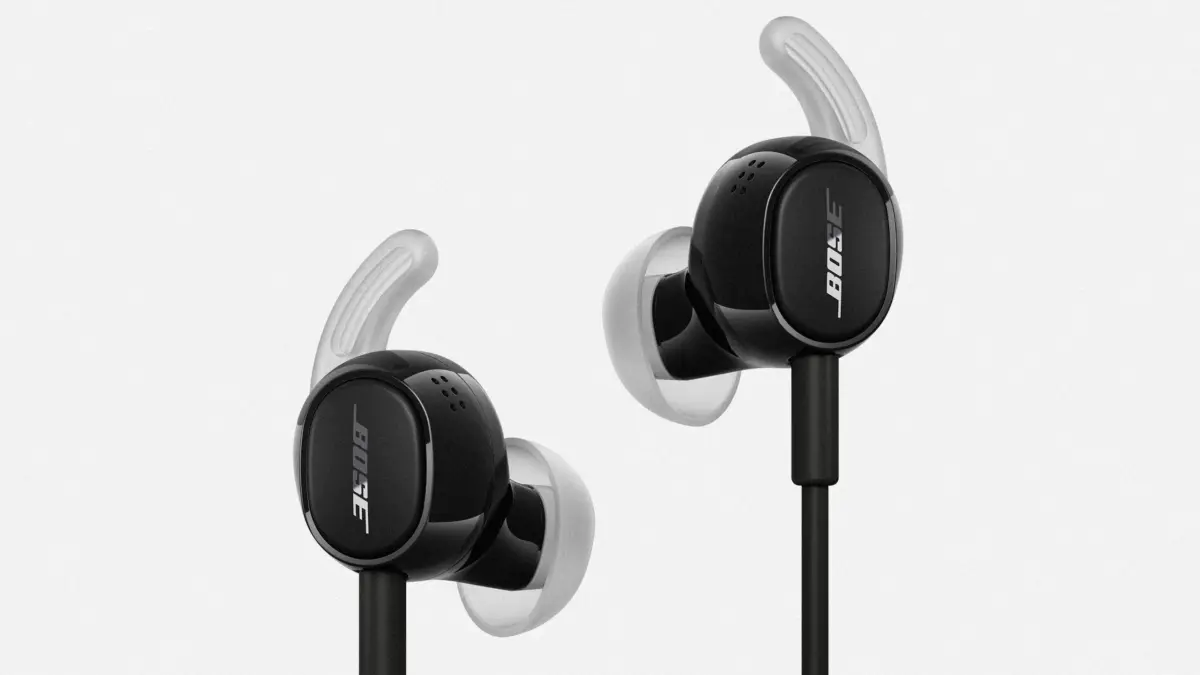
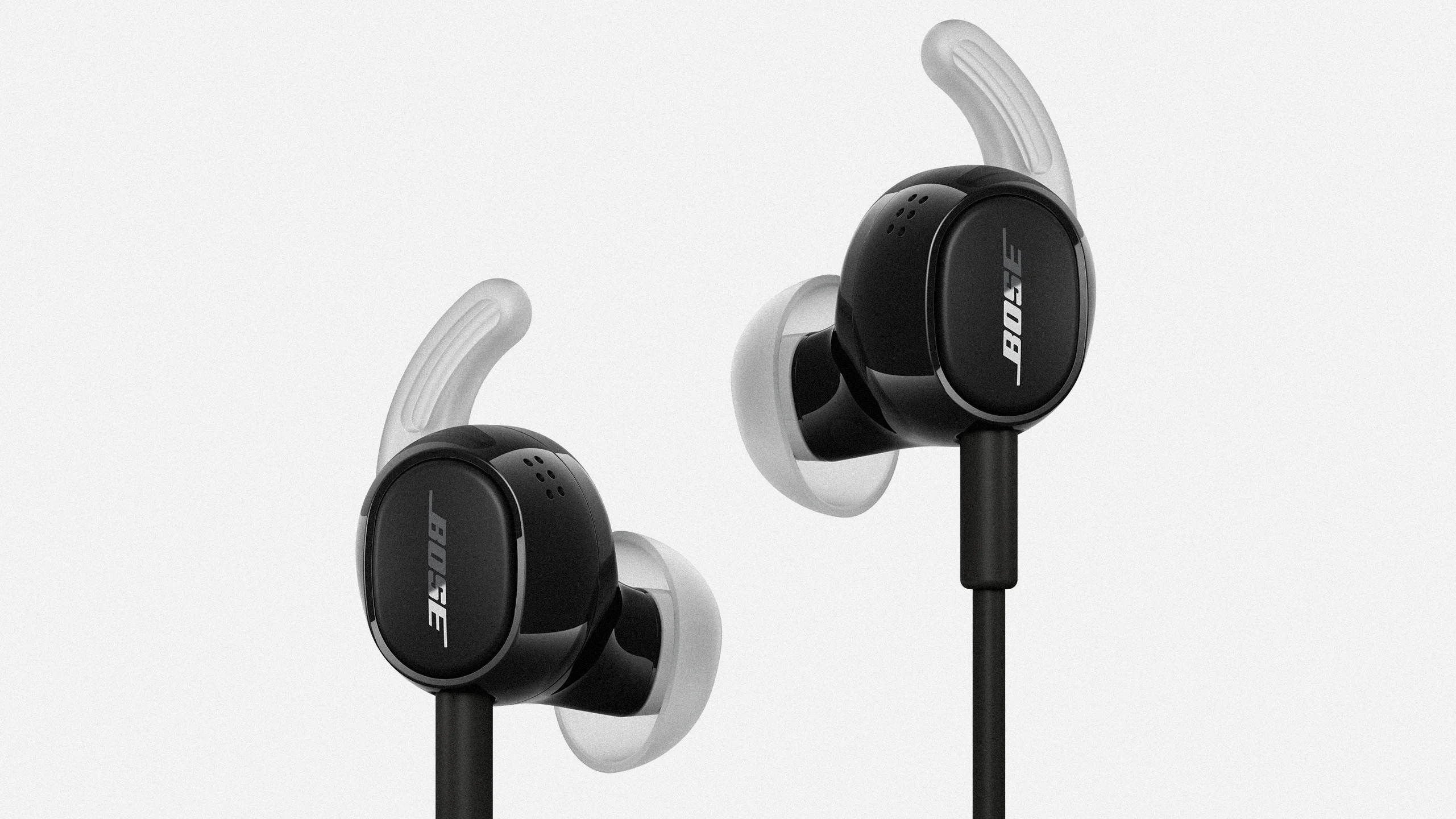
The resurgence reached a notable milestone in late September when Bose released its new noise-canceling wired earbuds—marking the company’s very first wired audio product in 11 years. The market reaction was immediate and staggering. Pre-orders for the $99 headphones completely sold out two months’ worth of inventory in less than 24 hours. According to Bose, this "overwhelming demand" has continued, causing subsequent waves of stock availability to vanish almost as soon as they go live. The intense consumer excitement surrounding the product, which officially shipped on October 15, underscores a broader cultural renaissance currently taking place within the headphone industry.
For nearly a decade, Bluetooth has reigned supreme as the definitive, hands-free method for consuming audio, with active noise cancellation rapidly evolving from a luxury feature into an expected standard across nearly all price points. Yet, living exclusively in a wireless ecosystem introduced its own unique set of daily friction points. Consumers quickly grew familiar with the persistent anxieties of managing battery life, making sure charging cases are always topped up, and desperately searching for misplaced earbuds that have slipped between couch cushions or vanished at the bottom of a backpack. As nostalgic cords gradually step back into the limelight, audio manufacturers are beginning to realize that many listeners are ready to trade absolute wireless convenience for the simple, dependable reliability of a physical connection.
Why wired?
The turning point for the category arrived well before the recent high-profile product launches. According to Gagnon, the prolonged decline in wired headphone sales officially stopped in August 2025. Ever since that month, sales for wired models have posted month-over-month growth. This fascinating reversal of consumer habits has unfolded against the backdrop of a particularly challenging economy, where shoppers are increasingly conscious of every dollar spent.
"Some of it may be cost related," Gagnon says. "The average price of a pair is $12."
While the sudden, massive consumer interest in Bose’s relatively expensive $99 noise-cancelling model demonstrates that there is a strong underlying appetite for premium wired audio engineering, the broader market remains anchored by accessible pricing. The top five brands dominating the wired category—Apple, Sony, JLab Audio, Sennheiser, and Skullcandy—predominantly offer products that come in well under the $20 mark.
By combining the low-cost accessibility that appeals to budget-conscious shoppers with the premium features traditionally reserved for high-end wireless models, the wired headphone market has successfully positioned itself for an unexpected comeback. As college campuses and city streets alike see a growing number of tangled cords and dangling earbuds, it is clear that the humble wire has successfully shed its outdated stigma, proving to a new generation of listeners that sometimes old-school technology is the most refreshing choice of all.