In the vibrant coastal neighborhood of Seminyak, Bali, renowned architecture firm OMA and pioneering hospitality brand Potato Head have unveiled a groundbreaking retail destination that challenges conventional notions of consumerism. Titled the Good Times General Store, the permanent retail space is situated within the expansive Desa Potato Head cultural village. More than just a place to purchase goods, the venue doubles as an interactive craft center, seamlessly integrating Indonesian-made objects, fashion, furniture, and immersive, hands-on workshops under one roof.
Rather than maintaining the traditional separation between production and consumption, the project invites visitors into an active dialogue. It encourages guests to discover how everyday items are made, trace where their raw materials originate, and understand what happens to them after their initial lifecycle concludes. This philosophy of transparency and sustainability is woven into every facet of the initiative, reflecting a growing global shift toward circular design in both architecture and retail.
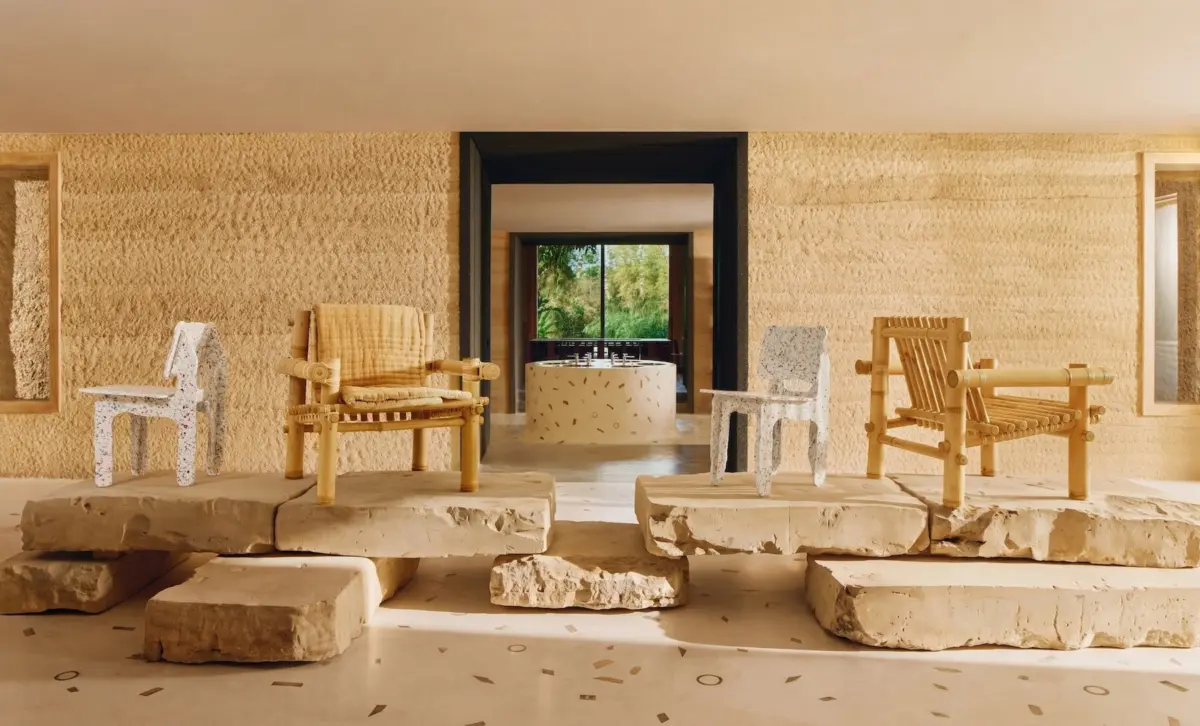
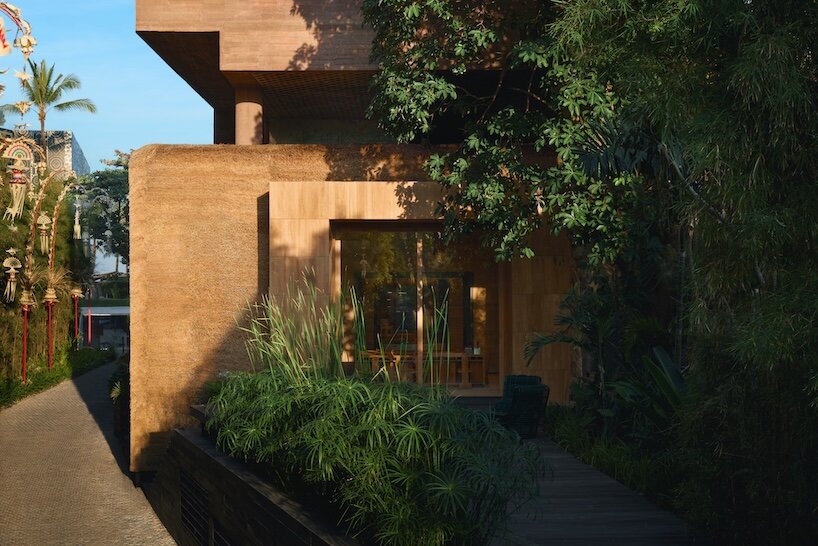
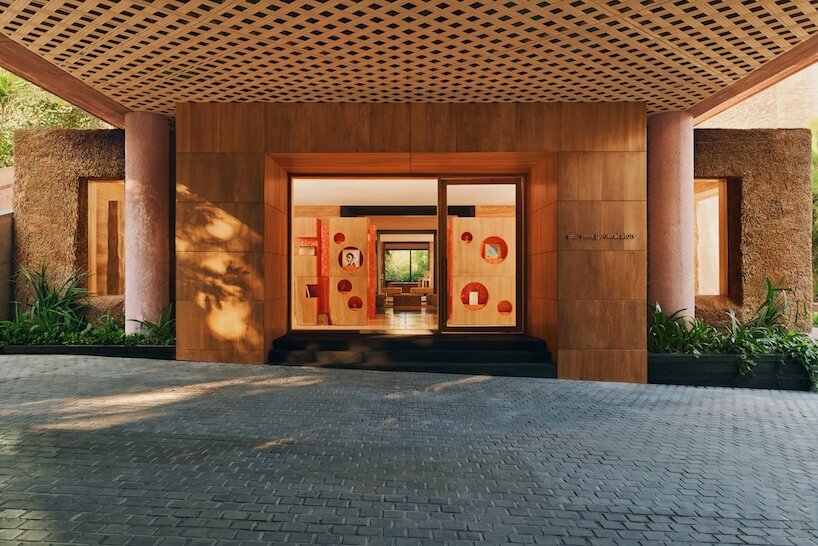
The physical architecture of the Good Times General Store mirrors its overarching ethos. Developed by OMA in close collaboration with Ade Herkarisma, Potato Head’s Group Head of Architecture and Development, the building draws deeply from vernacular Balinese construction traditions. The exterior features a striking alang-alang thatch facade that anchors the structure in its tropical context. Inside, visitors encounter rammed-earth walls crafted from local clay, rich reclaimed wood, and bespoke terrazzo floors that incorporate recycled bamboo offcuts.
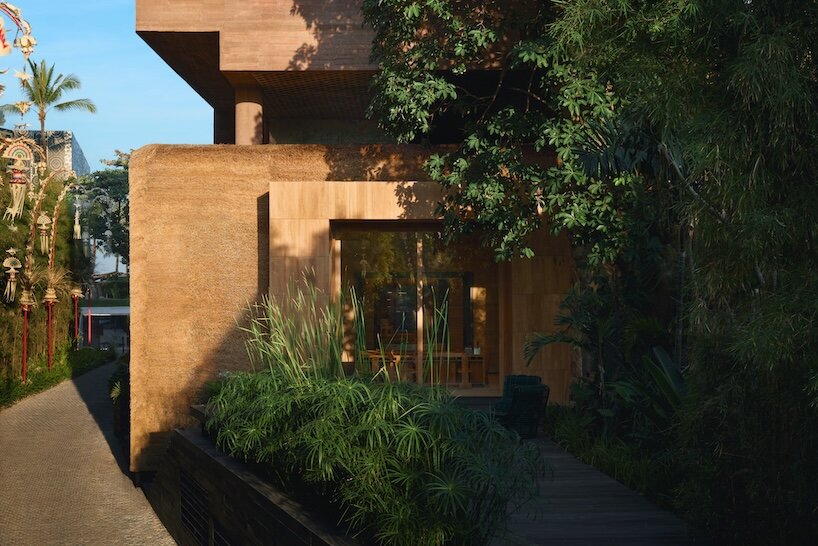
Fragmented earthen blocks organize the interior layout, cleverly defining different zones while deliberately blurring the boundaries between retail, creation, and education. The result is a tactile, honest environment where the raw materials do much of the talking, operating without the need to hide behind elaborate finishes or synthetic coverings. Every surface tells a story of local sourcing and mindful resource management.
Five Bays Bring Indonesian Craft and Recycled Design Together
Inside the building, the spatial layout is organized into five interconnected bays that trace the various stages in the lifecycle of objects. Designed entirely by OMA, this spatial choreography brings together retail, craftsmanship, and material experimentation within a single cohesive environment.
The first bay introduces visitors to a curated selection of artisan souvenirs, books, vinyl records, and lifestyle pieces created by independent makers from across Indonesia. This section highlights the richness and diversity of contemporary local craftsmanship, offering a platform for regional creators. Moving into the second bay, the focus shifts to Potato Head’s proprietary clothing and travel collection, which draws its aesthetic and functional inspiration from the surrounding landscapes of Bali.
The third bay is dedicated entirely to the acclaimed "Wasted" collection by designer Max Lamb. This provocative series transforms discarded plastics and other urban waste materials into functional, high-end furniture and homeware. Together, these first three bays present visitors with a multifaceted spectrum of design approaches, ranging from time-honored traditional Indonesian craftsmanship to contemporary experiments in material reuse and upcycling.
The remaining two bays shift the programmatic focus away from finished products and toward the raw, often messy processes behind them. One of these spaces houses a working natural dye studio. Here, pigments are extracted from plants and organic food waste collected from across the Desa Potato Head resort operations. Visitors are invited to actively participate, experimenting firsthand with dyeing, painting, and pattern-making techniques.
Directly adjacent to the dye studio is a prominent wall constructed from shredded high-density polyethylene (HDPE) plastic. Recovered through a network of local collectors and upcyclers across Bali and Java, this material anchors a dedicated workshop space for plastic molding and material experimentation. This hands-on infrastructure will continue to expand in scope, with additional ateliers for traditional weaving, upcycling, and garment sewing slated to open their doors.
OMA Connects Circular Architecture with Hands-On Workshops
Beyond its immediate retail and workshop programming, the Good Times General Store is deeply integrated into Potato Head’s broader sustainability infrastructure. It connects directly with the resort’s existing Waste Lab—a facility dedicated to investigating and repurposing discarded materials—as well as the popular Follow the Waste Tour, which traces how resources move through the entire resort ecosystem.
This relationship extends directly into the architecture itself, which serves as a tangible demonstration of how locally sourced and reclaimed materials can successfully shape contemporary spaces. Emphasizing this vision, Potato Head founder Ronald Akili notes that retail can and should be more than a simple financial transaction. He stresses the fundamental importance of helping people understand who makes an object, what raw materials go into its creation, and what its next life might look like once discarded.
For OMA, the project represents the continuation of a long-standing and productive collaboration with Potato Head. The architecture firm has previously designed several key spaces across the Desa property, including the main hotel building and the Klymax Discotheque. With the Good Times General Store, however, the collaborative focus shifts away from hospitality and entertainment and zeroes in on the everyday relationship between individuals and the goods they consume.
By bringing craft, recycling, and public participation together under a single architectural roof, the Good Times General Store proposes an entirely different kind of shopping experience. It is a space where visitors might leave with a handmade object, acquire a brand-new skill, or simply walk away with a deeper, more critical understanding of waste and material culture. Within this thoughtful environment, the traditional shopping bag is no longer necessarily the main takeaway.