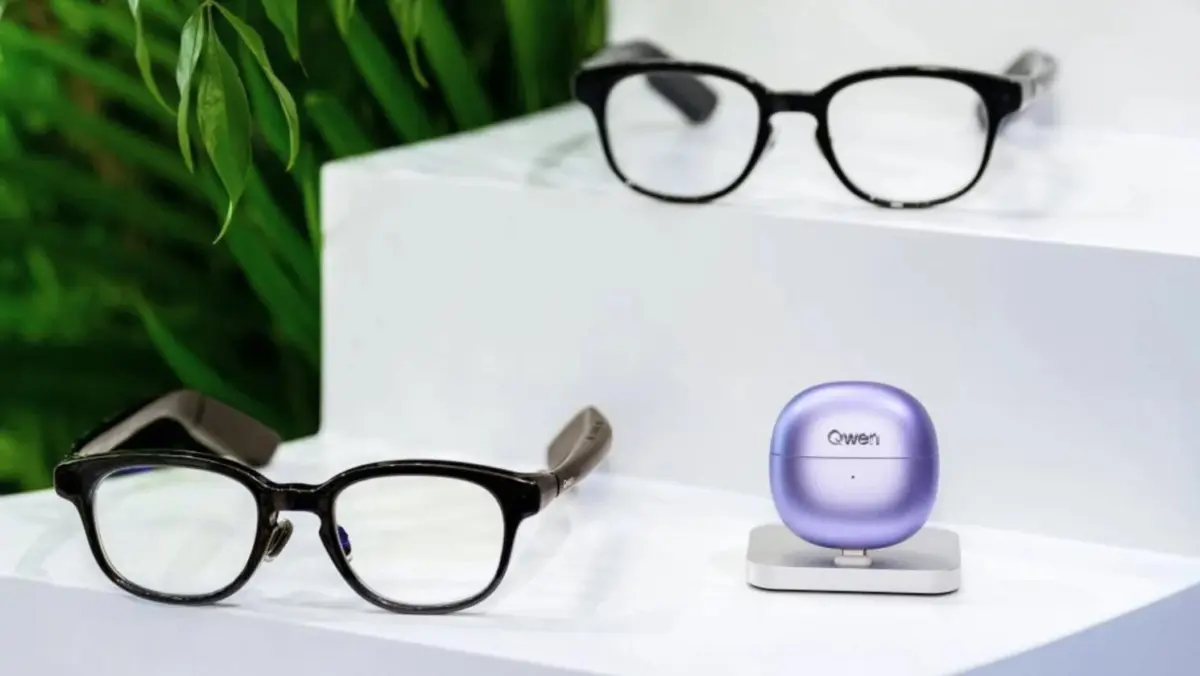
Chinese e-commerce and technology giant Alibaba has officially entered the competitive wearable tech arena with the introduction of its new smart glasses. Unveiled through the company’s corporate newsletter, Alizila, the Qwen Glasses N1 series presents a remarkably high-specification alternative to established Western products, most notably the smart eyewear offerings from Meta. By combining high-resolution imaging, innovative eye-tracking capabilities, and premium audio engineering, Alibaba’s latest hardware release signals a significant escalation in the global race for wearable artificial intelligence dominance.
Priced at 3,499 RMB, which translates to just under $500 US, the Qwen Glasses N1 series immediately distinguishes itself from competitors through its hardware specifications. Most striking is the inclusion of a 50-megapixel camera sensor. This represents a massive leap forward in resolution compared to industry-leading Western alternatives, such as the Meta Ray-Ban Gen 3 camera glasses, which traditionally rely on 12-megapixel sensors. The substantial increase in pixel count suggests that Alibaba is positioning its smart eyewear not merely as a casual lifestyle accessory or quick-capture tool, but as a serious imaging device capable of capturing detailed photographs and high-definition video from a first-person perspective.
Beyond optical performance, however, the Qwen Glasses N1 feature an even more technologically sophisticated addition: integrated eye-tracking functionality. This capability is achieved through a remarkably tiny 1.7-millimeter inward-facing camera directed at the user’s eyes. By tracking the exact direction of the user’s gaze, the connected artificial intelligence can dynamically understand what the wearer is looking at and respond accordingly. In the realm of wearable computing, context is everything. The more accurately an AI system understands a user’s immediate physical focus and intent, the more seamless and less frustrating the human-computer interaction becomes. Instead of relying solely on voice commands or manual touch controls, users can theoretically engage with the AI in a manner that feels far more intuitive, bridging the gap between digital assistance and physical reality.
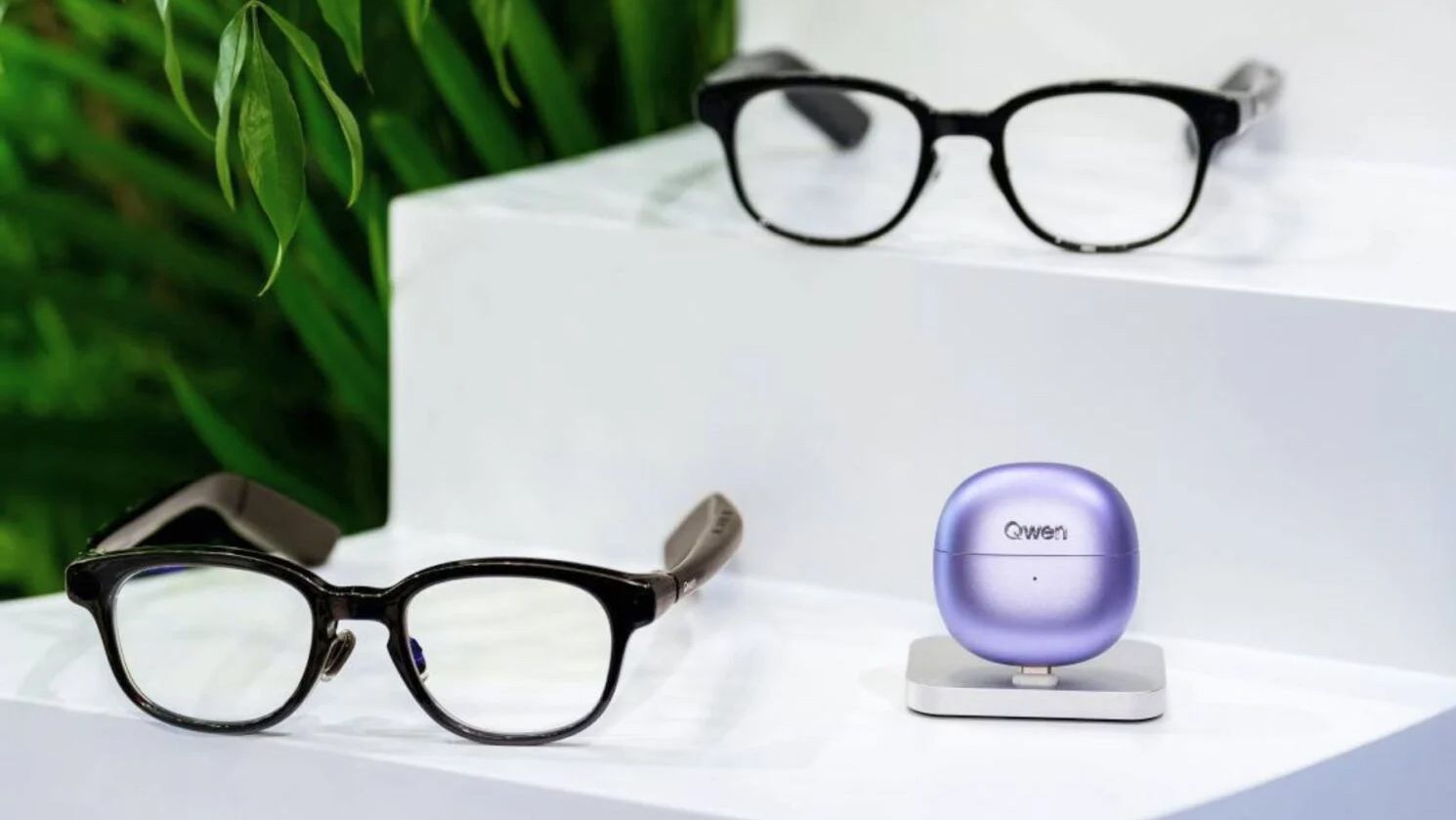
The integration of the inward-facing eye-tracking camera opens the door to additional advanced features, though some may prompt privacy considerations among consumers. According to Alibaba, the camera possesses sufficient resolution to utilize the user’s iris for biometric payment confirmation. This capability allows wearers to authorize transactions via Alipay simply by looking at a QR code, streamlining mobile commerce to a literal glance. While undeniably futuristic and efficient, the prospect of ocular biometric authentication tied to financial platforms may lead cautious consumers to carefully evaluate their security preferences, with many likely opting to keep specific payment features disabled.
Hardware excellence in wearables extends beyond cameras and sensors, heavily relying on power efficiency and ergonomic design. In these categories, the Qwen Glasses N1 also make bold claims that challenge current market standards. Based on the manufacturer’s specifications, the smart glasses boast a standby time of up to 25 hours, alongside an impressive nine hours of continuous music playback. These metrics comfortably surpass the battery life and endurance capabilities offered by comparable Meta devices. Furthermore, the design achieves a high degree of discretion, avoiding overly bulky frames or overt branding that might make wearers feel self-conscious. For consumers who prefer subtle everyday eyewear over products dominated by prominent fashion labels like the Ray-Ban logo, the understated aesthetic of the Qwen series presents a compelling alternative.
To ensure high-end audio performance that appeals to a global audience, Alibaba collaborated with renowned audio brand Bose to co-engineer the earbuds integrated within the ecosystem. This partnership introduces a trusted Western brand name to the hardware configuration, bridging cultural and market skepticism by aligning with established audio engineering standards. The inclusion of Bose-engineered sound elements demonstrates a strategic effort to deliver acoustic fidelity that matches the device’s advanced visual and computational capabilities.
Despite these impressive technical specifications, the market dynamics surrounding the Qwen Glasses N1 highlight a growing technological divergence between regional markets. Currently, Alibaba and Meta operate largely within enclosed market ecosystems, limiting direct head-to-head retail competition in the West. Nevertheless, the trajectory mirrors the evolution of the consumer drone industry, where domestic Chinese markets increasingly gain access to sophisticated, highly advanced technology at remarkably competitive price points. While products like the Qwen Glasses N1 may not immediately flood Western retail channels due to regional market boundaries and software integration differences, their existence proves that the technological baseline for smart eyewear is advancing rapidly. For the time being, coverage of broadly accessible smart glasses in international buying guides will continue to focus on products with widespread global availability, but Alibaba’s aggressive entry underscores how quickly the broader wearable technology landscape is evolving.