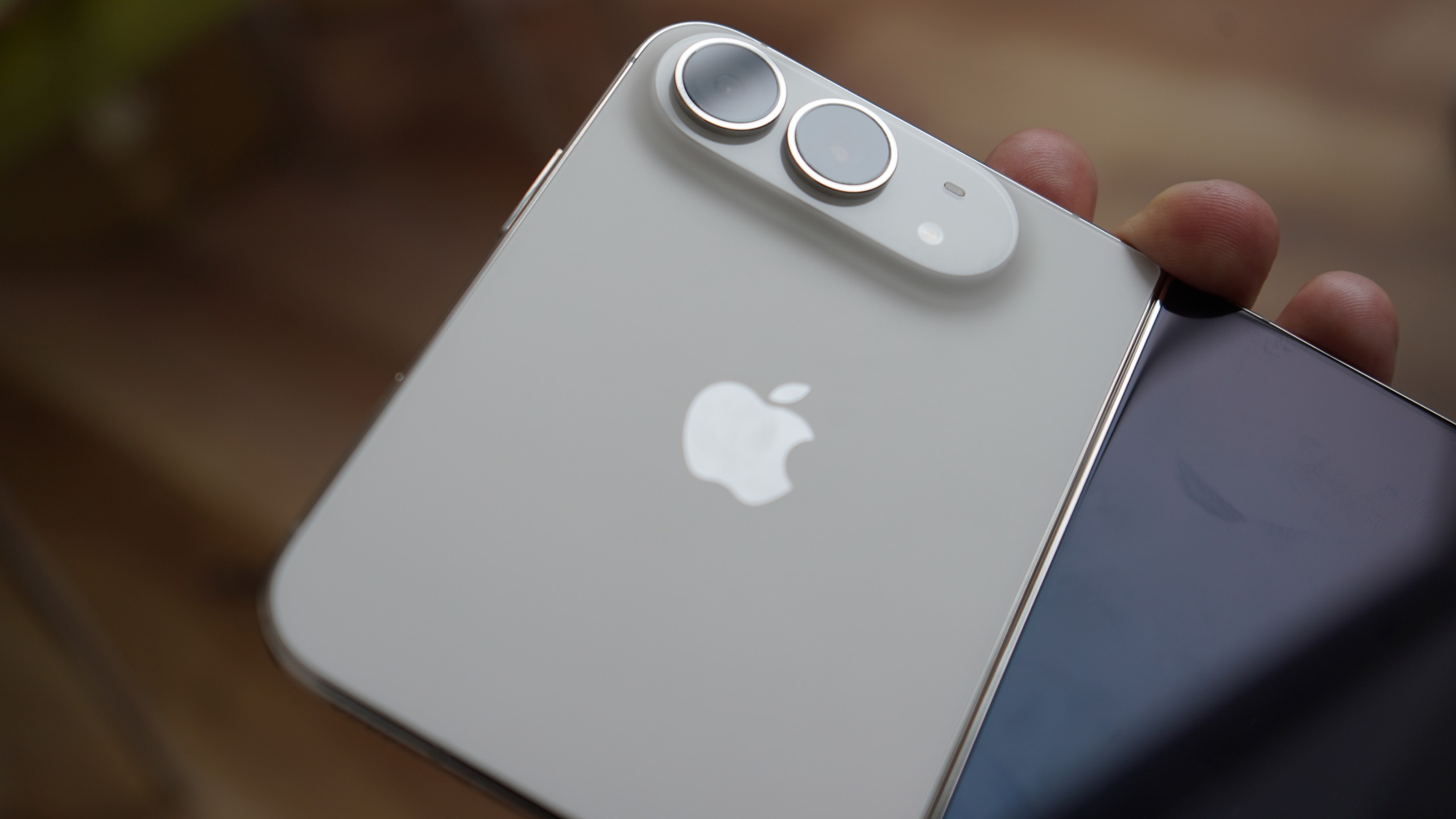
The iPhone Duo cuts a striking figure in official press imagery, presenting a sleek and modern profile that suggests a seamless leap into the foldable future. However, stepping past the initial visual appeal and diving into daily usage reveals a device where third-party application compatibility issues and noticeable compromises in camera hardware begin to surface. For prospective buyers, the core dilemma is not whether these flaws exist, but rather whether they will persist for weeks or endure until Apple rolls out a generational hardware refresh. The realistic answer, as is often the case with first-generation form factors, is a nuanced mix of both.
Examining the camera system highlights a glaring physical omission that requires no guesswork. The deliberate absence of a dedicated telephoto lens was apparent long before money changed hands. Users accustomed to the high-performance optical zoom found on flagship devices like the iPhone 17 Pro will find themselves immediately running up against a rigid physical hardware limitation. Yet, for all the discussion surrounding zoom capabilities, the most persistent day-to-day annoyance lies elsewhere entirely: the device authentication process.
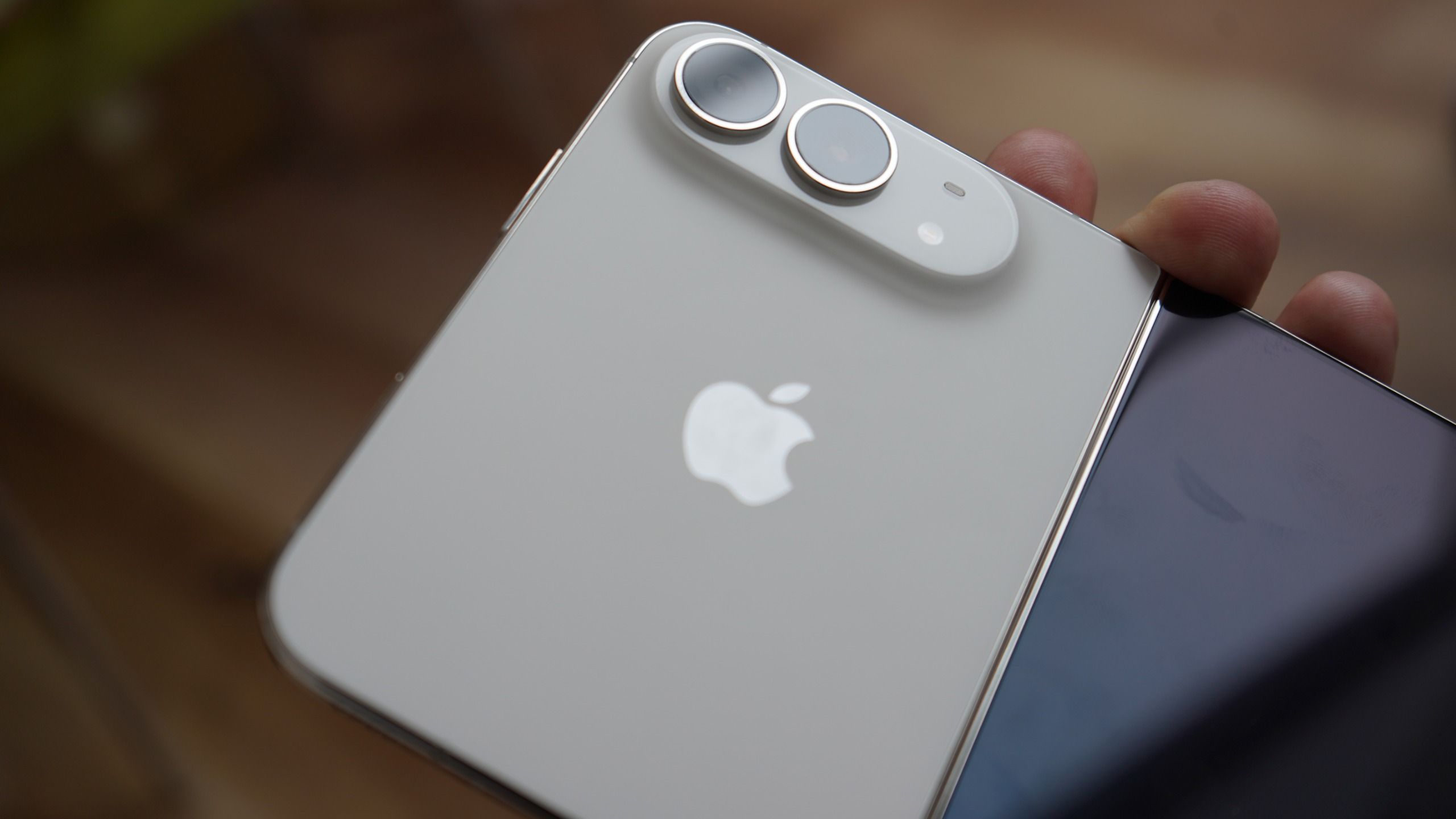
Longtime Apple users have grown deeply accustomed to Face ID, the advanced camera and sophisticated 3D scanning sensor array that Apple initially tucked into the device notch before refining it out of existence on traditional bar phones. That biometric standard unlocked previous generations of the iPhone with effortless, invisible speed. Transitioning to the iPhone Duo means relying on a side-mounted fingerprint scanner. While this placement functions adequately when the device is closed—instantly catching the thumb of a right-handed user—unfolding the handset into its miniature iPad configuration fundamentally changes how the hardware is held. To maximize the larger display, users frequently find themselves rotating the pad, a movement that can disrupt muscle memory and occasionally cause authentication friction.
To mitigate this, Apple engineered a slightly raised physical button along the exterior chassis, designed to make it easier to locate by touch when a secure application insists on biometric verification. While functional, it lacks the effortless, omnidirectional magic of the Face ID solution or the seamless unlock experience found on the iPad Pro.
Beyond hardware security, adapting to the software ecosystem introduces another layer of transition. Initial optimism is easy to maintain when navigating Apple’s meticulously redesigned native applications, which scale gracefully across the expanding canvas. However, fundamental format limits quickly emerge. Premium streaming platforms such as the Apple TV app and Netflix have received top-tier software optimization, featuring polished browser layouts whether the phone is folded shut or laid completely open. Despite this careful adaptation, software cannot alter the underlying laws of cinematography: standard television content is produced in a 16:9 or 16:10 aspect ratio. Consequently, viewing standard video on the open iPhone Duo generates prominent black bars, meaning the usable viewing area in standard video playback modes is not noticeably larger than what users experience on an iPhone Pro Max 18 or 17.
The software reality check deepens once users move past flagship streaming services, discovering that older third-party applications launch with substantial black bars flanking either side of the interface—a visual compromise that will persist until individual developers issue dedicated updates. On the positive side, web browsing and examining detailed still images on the expansive inner display remain genuinely impressive. The larger real estate hints at genuine utility for productivity on the move, prompting tech enthusiasts to rethink the necessity of carrying a secondary tablet. This is particularly true for users who are already accustomed to hauling a heavier MacBook Pro 16-inch laptop in scenarios where most consumers would typically opt for an iPad for the sake of portability.
Apple has also refined Safari on the iPhone Duo, introducing subtle desktop-class paradigms. Draggable tabs feel remarkably proper on the larger canvas, and a significant portion of daily productivity applications appear to have received early optimization, offering a strong beacon of hope for the broader software ecosystem’s trajectory.
Conversely, the imaging limitations remain a glaring downside. Photographs captured using the digital zoom are frankly disappointing for users who relied heavily on dedicated telephoto capabilities in previous daily drivers—often utilizing the zoom lens nearly as much as the primary sensor and far more frequently than an ultra-wide alternative. The complete loss of the telephoto module is ostensibly a necessary engineering sacrifice required to achieve such a compact folding footprint. Even so, it raises the counter-argument that a slightly wider handset profile might have accommodated a more robust camera array.
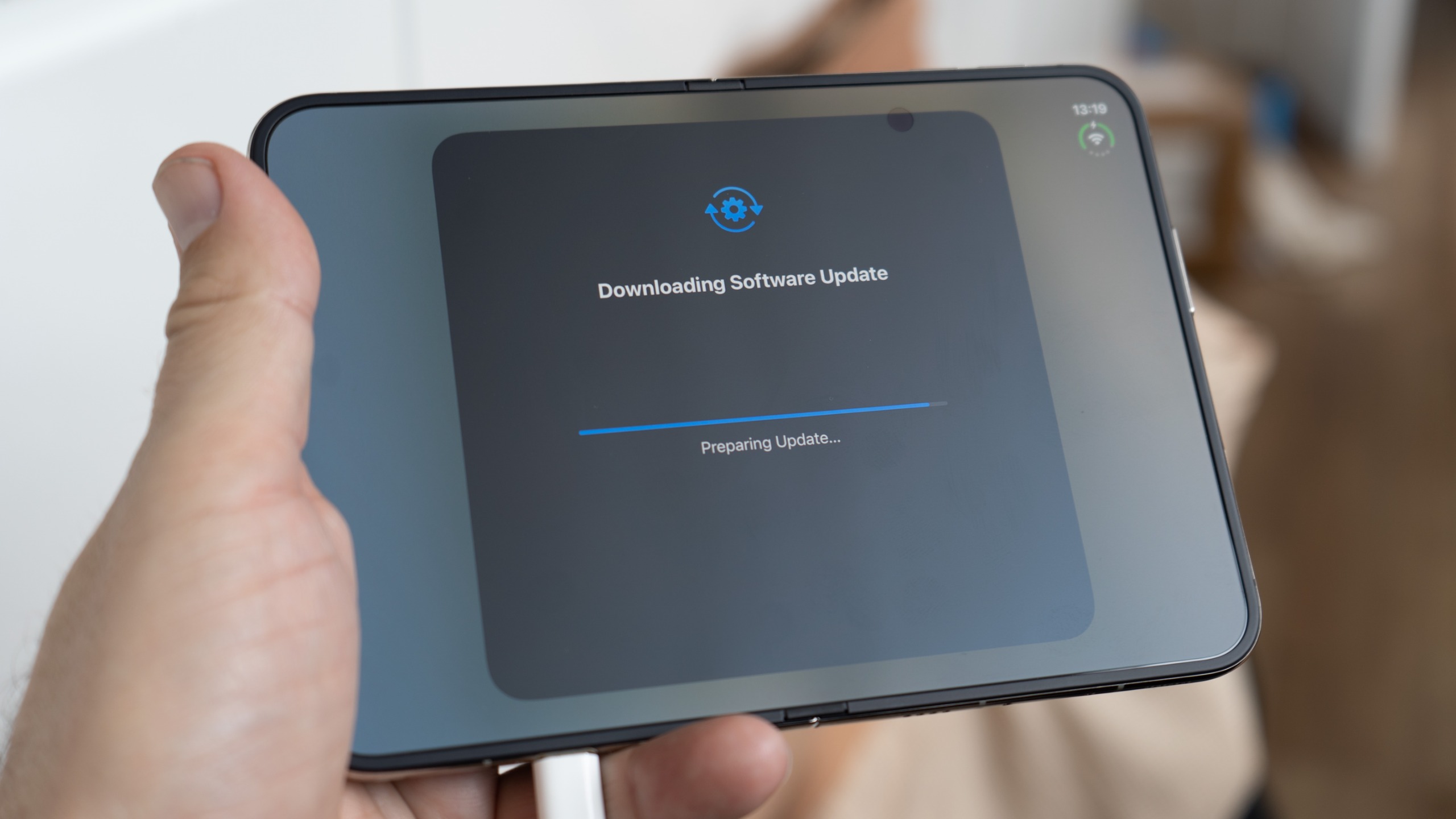
At the same time, opinions on physical ergonomics are divided. While critics have pointed to the device’s weight as a drawback, it feels entirely manageable for users accustomed to larger handsets and deep pockets designed to accommodate substantial smartphones. This suggests that Apple should seriously consider developing a ‘Max’ variant in future iterations—one that expands the chassis dimensions slightly to accommodate the comprehensive ‘Pro’ camera architecture, even if such a move introduces complications for their existing product naming and pricing taxonomy.
Until that hardware evolution materializes, consumers face a familiar compromise: deciding whether they can tolerate a device featuring a downgraded camera system and an occasionally irksome authentication mechanism in exchange for an undeniably striking, cutting-edge display.
That exact calculation is one that potential buyers should weigh carefully. Retail staff note that the initial consumer rush to snap up the devices on launch day has been somewhat more measured than anticipated. That softer initial demand indicates that Apple’s estimated shipping timelines for online pre-orders may prove to be somewhat pessimistic, meaning that consumers who have not yet secured a reservation will likely find themselves able to evaluate and purchase a foldable iPhone far sooner than industry analysts originally predicted.