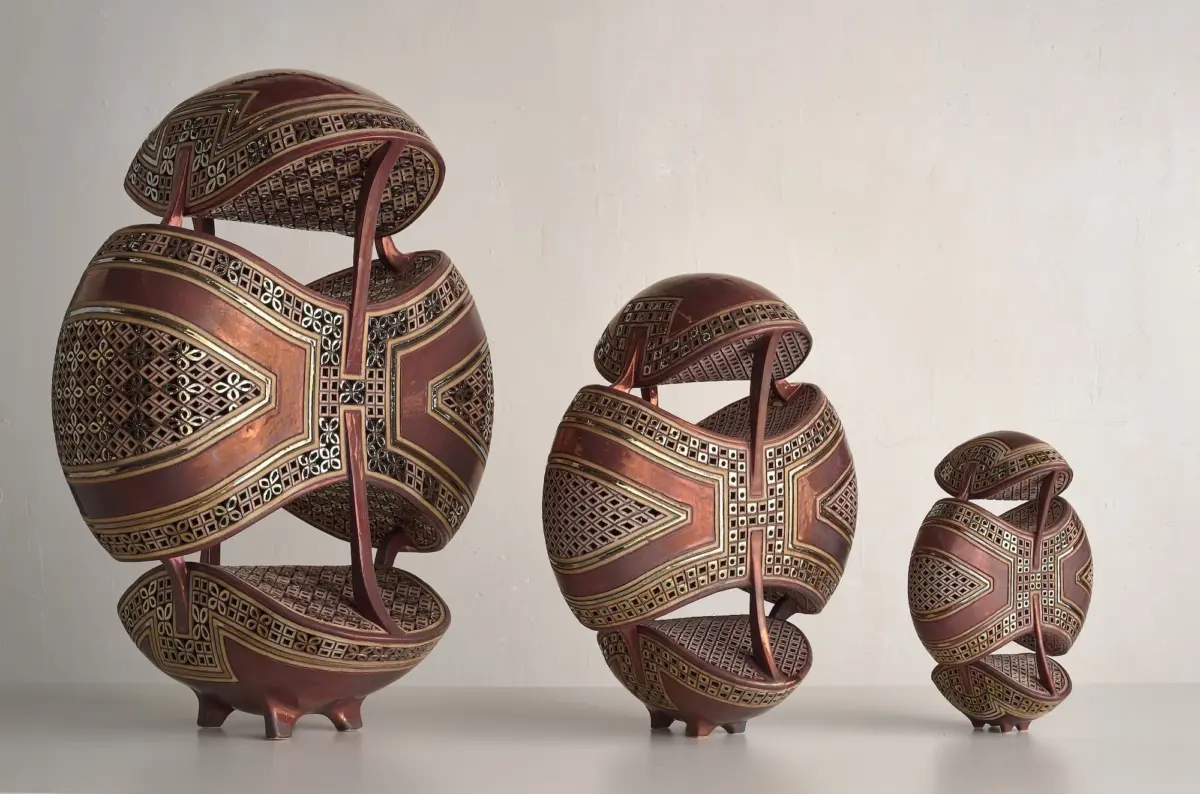
The historical echoes of Cairo’s ancient Islamic capital are finding new resonance in the heart of New York City through the intricate, contemporary white earthenware sculptures of artist Ibrahim Said. Opening today at Yossi Milo gallery, Said’s solo exhibition, Shaping Time, brings centuries-old ceramic traditions into a modern dialogue, offering viewers a mesmerizing look at how ancient history, labor-intensive craftsmanship, and contemporary artistic vision can converge. Running through January 9, the exhibition showcases a striking body of work directly influenced by the artist’s deep-rooted personal history and his prestigious recent tenure at one of the world’s most celebrated cultural institutions.
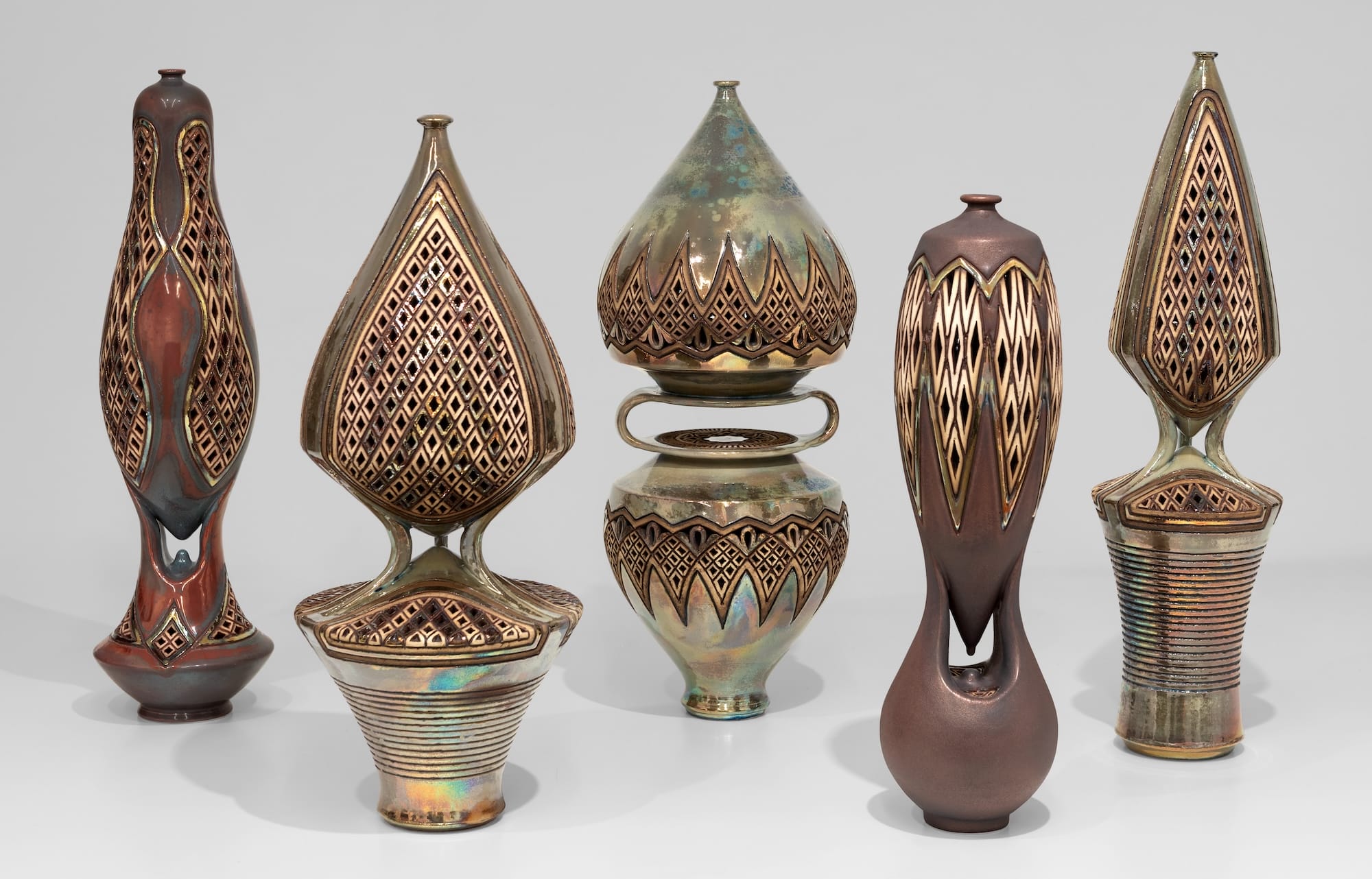
Said’s artistic journey is deeply intertwined with the geography of his upbringing. Born in Old Cairo, he grew up in Fustat, a historic district renowned as Egypt’s ancient Islamic capital and a bustling historical trading center. For centuries, the earth of Fustat has yielded remarkable artifacts known as Fustat ware—historic pottery historically celebrated for its iridescent luster glazes, which shimmer across a wide spectrum of hues, often accented by finely incised surface designs. Surrounding this rich archaeological heritage was the vibrant contemporary ceramics industry housed within the dozens of active workshops comprising the area’s celebrated Pottery Village. Growing up amidst this living tradition, Said absorbed the sights, sounds, and techniques of generations of makers, laying a foundation that would eventually blossom into his signature sculptural style where past and present seamlessly meet.
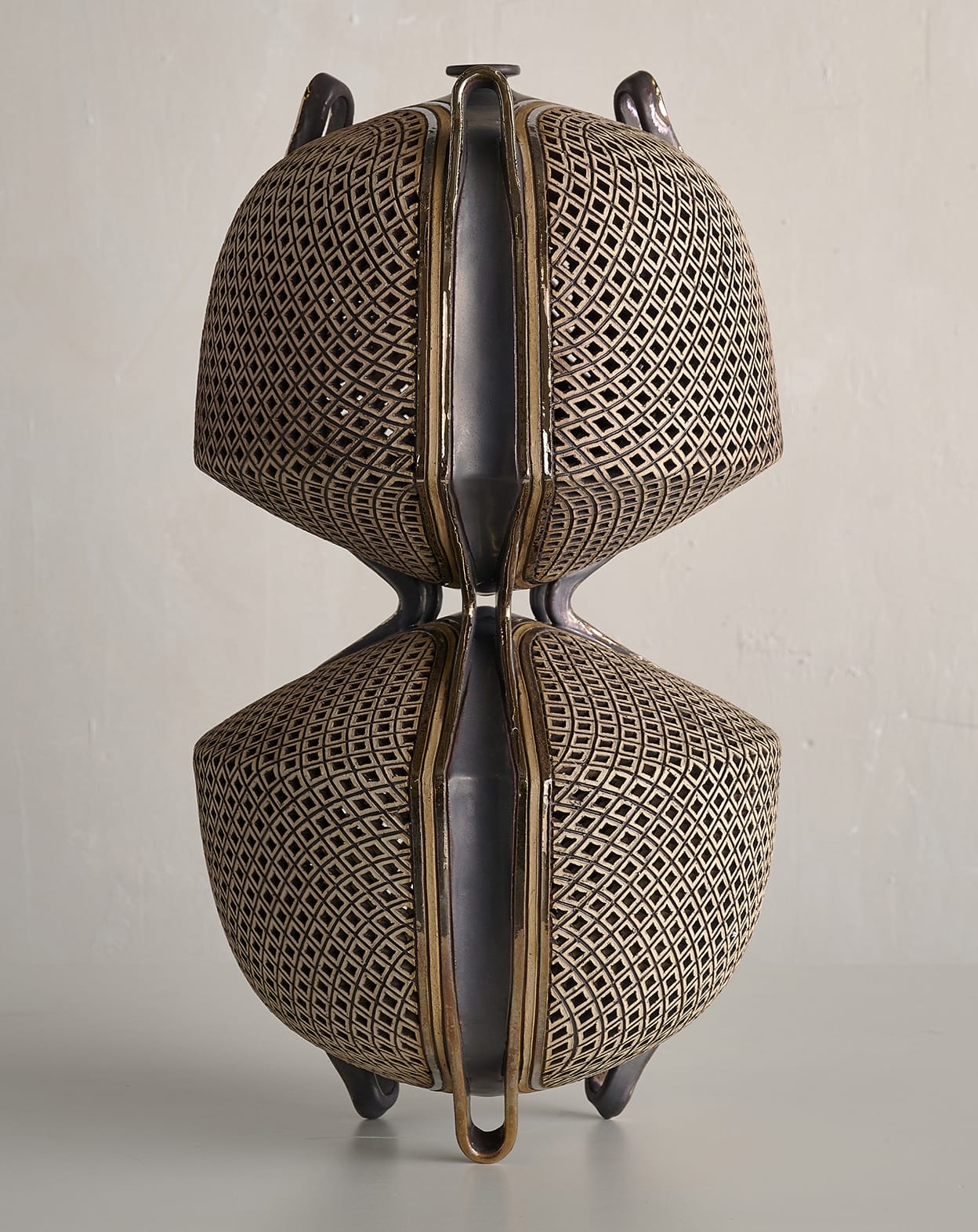
The immediate catalyst for the works featured in Shaping Time is Said’s recent tenure as the inaugural artist for the Metropolitan Museum of Art and Vacheron Constantin Artisan Residency. Over an intense 18-month period, this prestigious program granted the Egyptian-born artist unprecedented access to The Met’s legendary and expansive permanent collection. Surrounded by millennia of global artistic achievements, Said immersed himself in historical motifs, techniques, and design philosophies, filtering them through his unique perspective as a master ceramicist. The resulting sculptures on display at Yossi Milo reflect this profound institutional engagement, bridging the gap between museum-archive heritage and living, breathing studio practice.
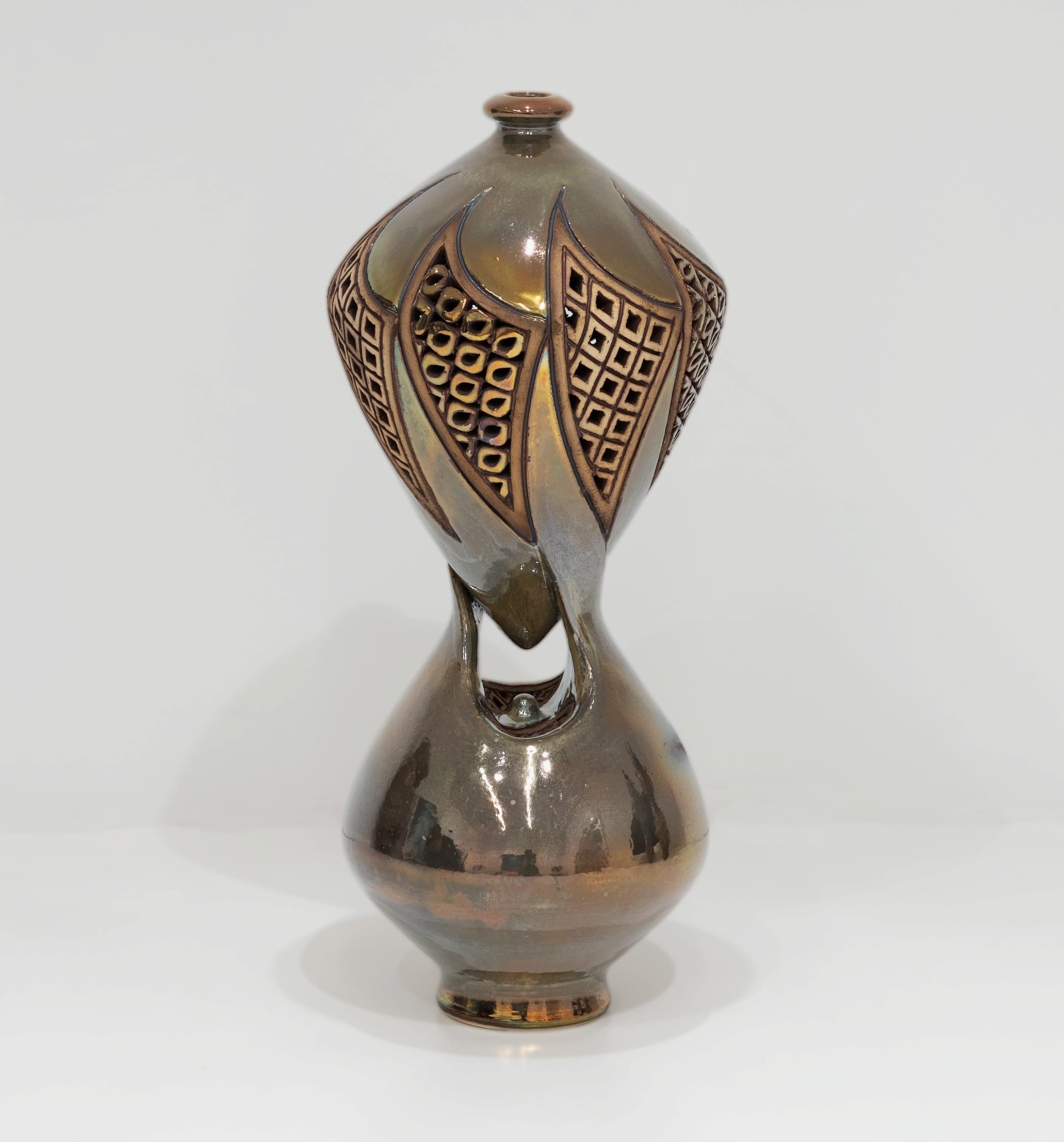
Central to the new exhibition is Said’s deeply philosophical approach to the concept of time. Rather than viewing time as a rigid, linear progression marching inexorably from a fixed past toward an unknown future, the artist conceptualizes time as a layered, multidimensional condition. In this view, historical epochs and imagined futures continually overlap, fold into one another, and converse. The gallery notes that this ideological stance informs every curve and contour of his ceramic bodies. Drawing inspiration from the rich visual lexicons of both Islamic art and ancient Egyptian civilization, Said deliberately expands traditional definitions of what a vessel can be. His ceramic sculptures frequently feature complex configurations where upper and lower bodies are dynamically connected by concave pillars or sweeping, curved bands, engaging in what can best be described as a dualistic dance of form and negative space.
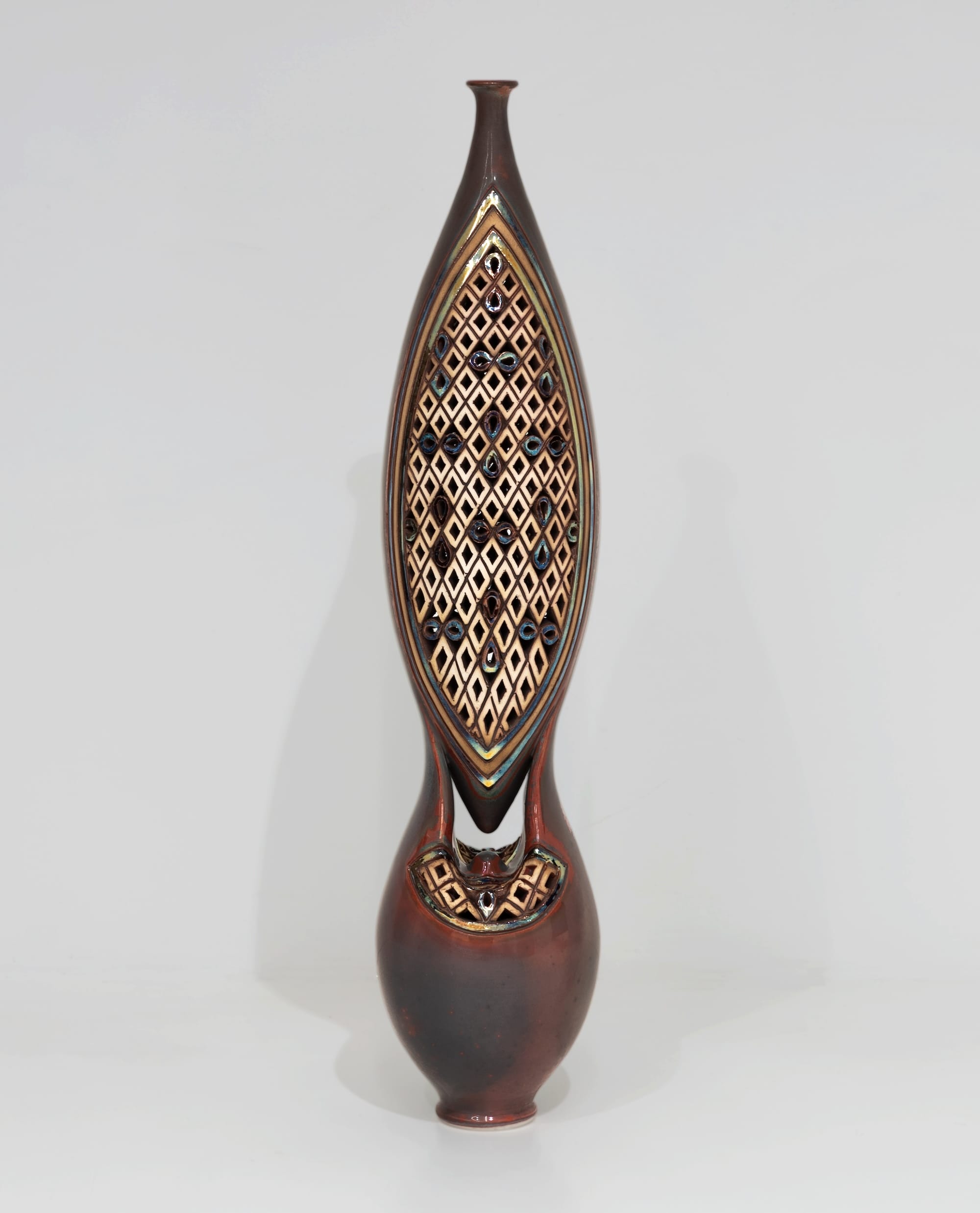
Beyond his meditation on chronological time, Said’s work delves fearlessly into metaphysical themes, particularly the traditions associated with life after death and the delicate, persistent relationships binding the permanent to the ephemeral. The physical creation of these intricate sculptures serves as a manifestation of these themes in its own right. The artist approaches symmetry with astonishing precision, cladding his earthenware surfaces in elaborate, repetitive patterns such as delicate latticework. This painstaking attention to detail serves as a direct material reminder of passing time, highlighting the inherently slow, deliberate, and labor-intensive nature of ceramic sculpture.
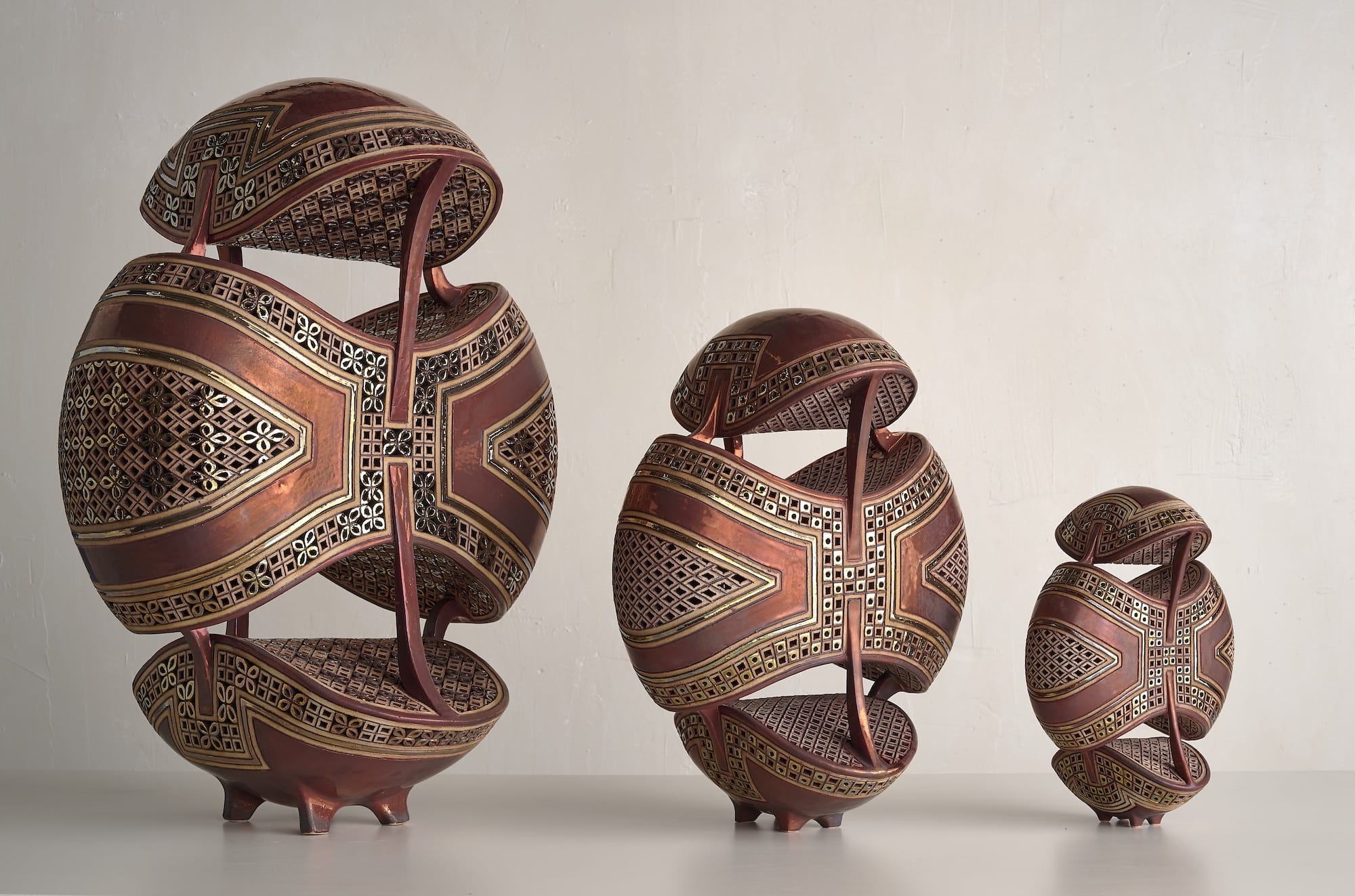
The gallery articulates this dynamic effectively, observing that Said’s works look backward and forward simultaneously. By treating time itself as a tangible material in the studio, the artist suggests that the physical act of shaping an object is simultaneously a way of shaping our own psychological and philosophical relationship to time. Every twist of white earthenware, every layered glaze, and every structural bridge between vessels becomes a monument to patience, memory, and evolution.
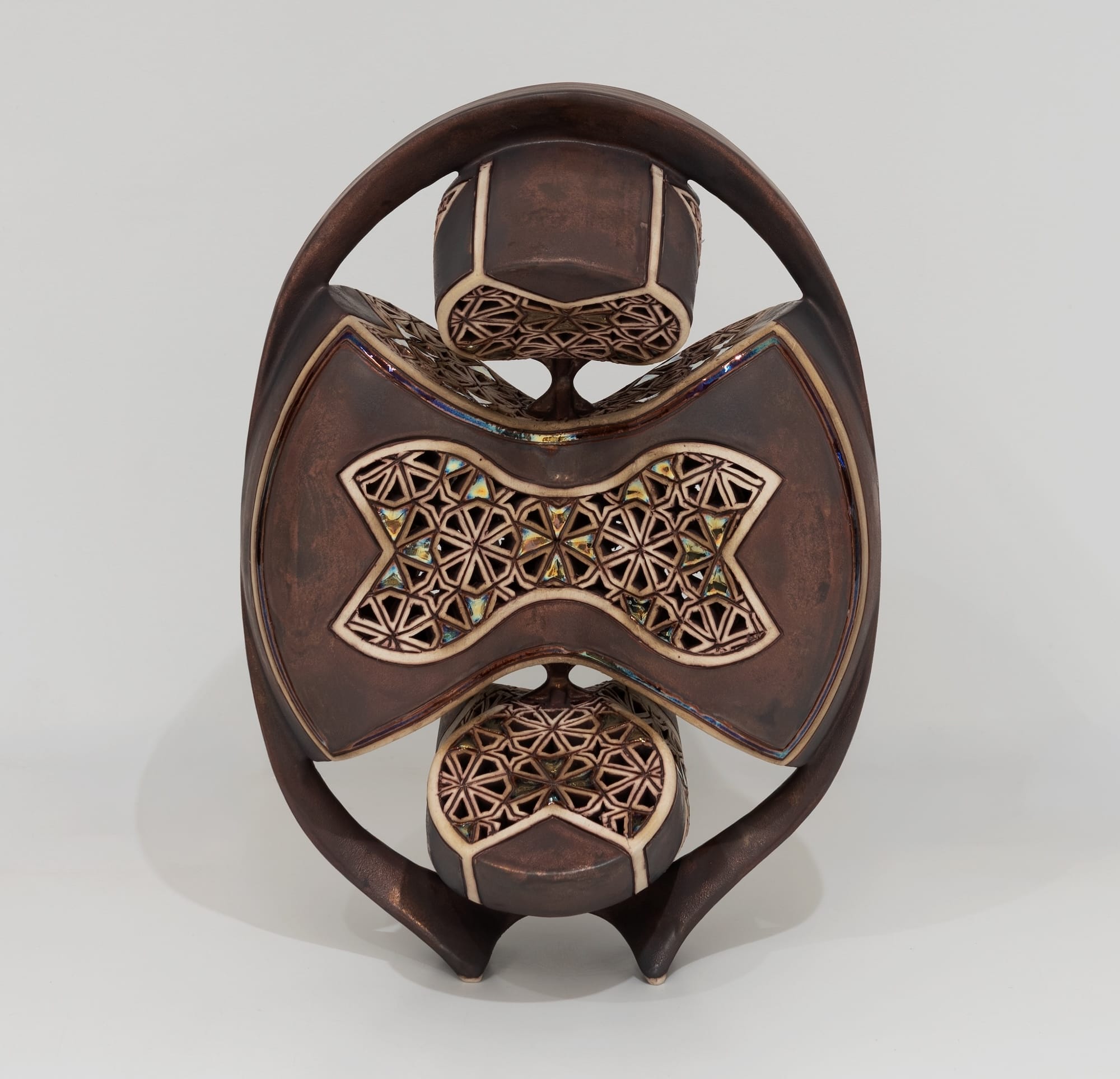
Shaping Time opens today at Yossi Milo in New York and remains on view through January 9, offering art enthusiasts, historians, and collectors a rare opportunity to witness how an ancient legacy of craftsmanship can be brilliantly re-envisioned for the contemporary world.