The debate surrounding artificial intelligence within the video game industry continues to reveal a stark cultural divide between Western audiences and Eastern development studios. While game developers and players in North America and Europe often express deep skepticism, hesitation, and outright resistance toward the integration of AI tools, the landscape in Japan tells a notably different story. Japanese developers are showing a far greater willingness to embrace the technology, viewing it not necessarily as a replacement for human artistry, but as an inevitable shift in production workflows that major companies must learn to navigate to remain competitive.
This contrast in perspectives was recently underscored in a comprehensive interview published by Japanese gaming publication Famitsu, which gathered insights from seasoned role-playing game veterans. Among them were legendary figures from Square Enix who helped shape iconic franchises like Final Fantasy and Mana. While these veteran creators expressed a general openness to the potential of AI tools, they also echoed familiar industry talking points regarding the irreplaceable value of human creativity—sentiments that reflect a complex, evolving reality for game studios large and small.
Hiromichi Tanaka, a veteran developer whose extensive tenure at Square Enix included pivotal work on early entries in the Final Fantasy series before his departure in 2012, offered a pragmatic view of where the industry is heading. According to Tanaka, the success of future video game creations will ultimately come down to how effectively human developers can master and integrate AI into their pipelines. He suggests that rather than ignoring the technology, professionals must learn to wield it as a fundamental skill for modern production environments.
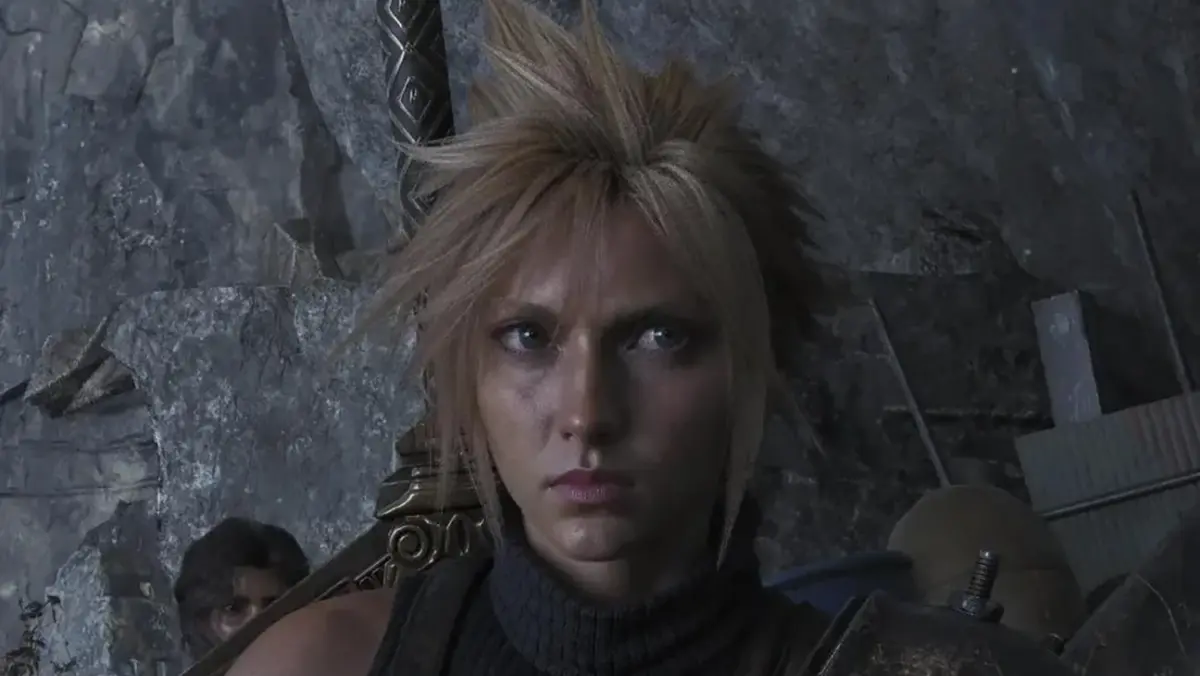
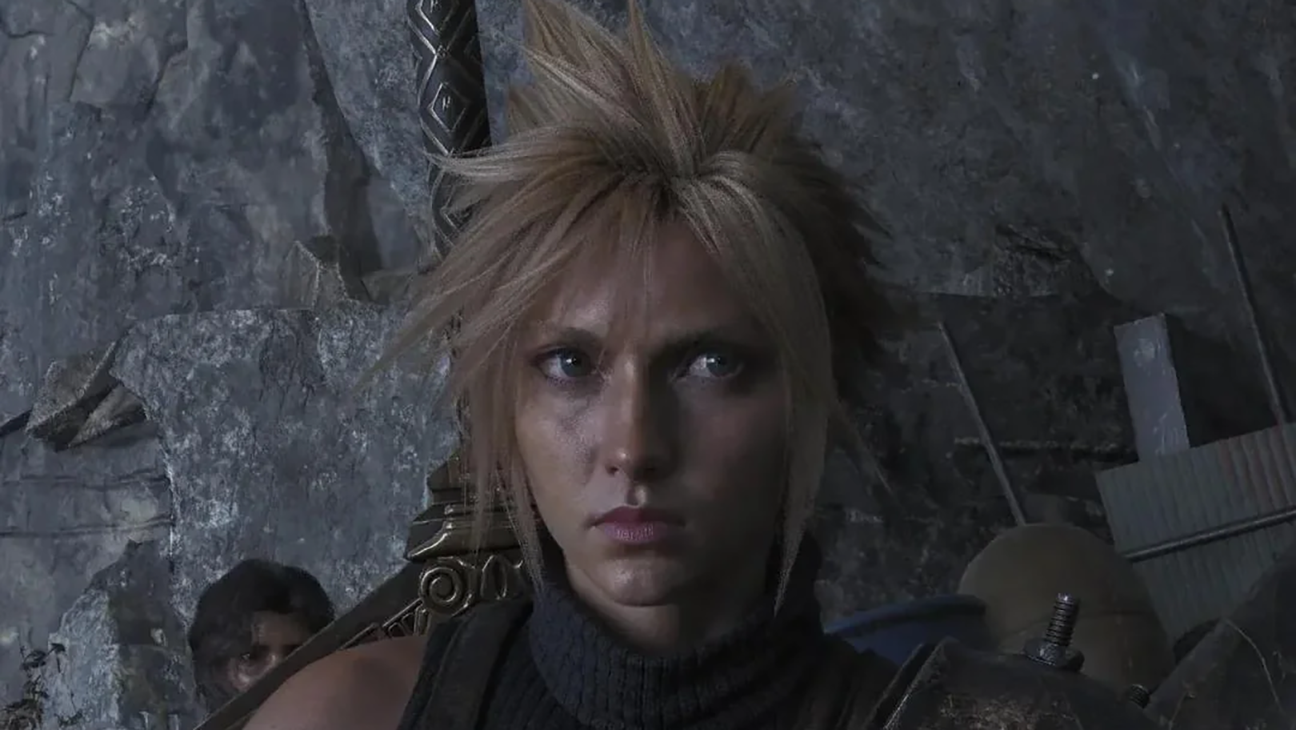
His sentiments were echoed by Yoshinori Kitase, another industry veteran and the current producer on the Final Fantasy 7 project series. Kitase emphasized that major game companies will need to fundamentally rethink their traditional development methods if they hope to avoid being overwhelmed by the rapid wave of technological advancement. To illustrate his point, Kitase drew a parallel to the democratization of game development that occurred with the widespread popularization of accessible game engines. That previous shift dramatically increased the volume of indie titles entering the market, making production tools more widely available.
When you add the support of new AI tools and technologies on top of that existing foundation, Kitase noted, even individuals with limited technical or professional experience find it significantly easier to construct video games. While this accessibility lowers the barrier to entry for creative hobbyists and aspiring developers, it also introduces profound structural challenges for the broader industry.
The effects of these accessible technologies are already bleeding into various sectors of the gaming ecosystem. Recent discussions across the industry have highlighted how automated and AI-assisted processes are increasingly utilized in unexpected areas, such as the decompilation and modern porting of legacy console games. However, this lowering of technical barriers has a darker flip side that extends far beyond corporate concerns over intellectual property and traditional piracy.
Independent developers, who often operate on razor-thin margins in an exceptionally crowded marketplace, are finding themselves increasingly vulnerable to intellectual property theft and unauthorized cloning. A vivid example of this vulnerability surfaced recently when the developers of the indie game Moonlighter were forced to abruptly pull their ReVamp demo from Steam. The decision came after they discovered their unreleased work was being systematically copy-pasted and cloned by bad actors, demonstrating the harsh reality that smaller studios face when their hard work can be replicated with unprecedented ease.
Despite acknowledging the efficiency and accessibility that modern tools provide, Kitase was careful to draw a firm line regarding the necessity of human artistic vision. He acknowledged that audiences do not look favorably upon purely automated, AI-generated content or low-effort cloned slop, emphasizing that human involvement remains foundational to artistic integrity.
To describe the essential spark of original thought, Kitase used the Japanese conceptual phrasing of turning "zero into one." He stressed that human beings must always be actively involved in that initial, foundational step of creation. That core element of original ideation, according to Kitase, is something that will never change, and the next generation of creators will absolutely need the capability to initiate that spark themselves.
Building on that perspective, Tanaka suggested that the widespread adoption of these technologies will eventually transform the broader gaming industry into a fierce "competition of ideas." On paper, a landscape driven purely by the strength of creative concepts sounds like an appealing ideal. Yet in practice, industry observers and independent developers are finding that reality is proving to be much more complicated and fraught with peril.
For independent developers who are already navigating an unforgiving industry where basic game discoverability remains a constant nightmare, the proliferation of automated tools presents a severe existential threat. Instead of a flourishing meritocracy of pure ideas, smaller creators currently face the very real danger of having their original projects cloned by opportunistic copycats or completely drowned out in digital storefronts by an overwhelming tide of low-quality, automated content. As platforms continue to grapple with massive influxes of automated demos and releases, the ongoing integration of AI into game development remains a double-edged sword, offering unprecedented speed and accessibility while simultaneously threatening the livelihoods and visibility of the human creators who build the industry’s foundations.