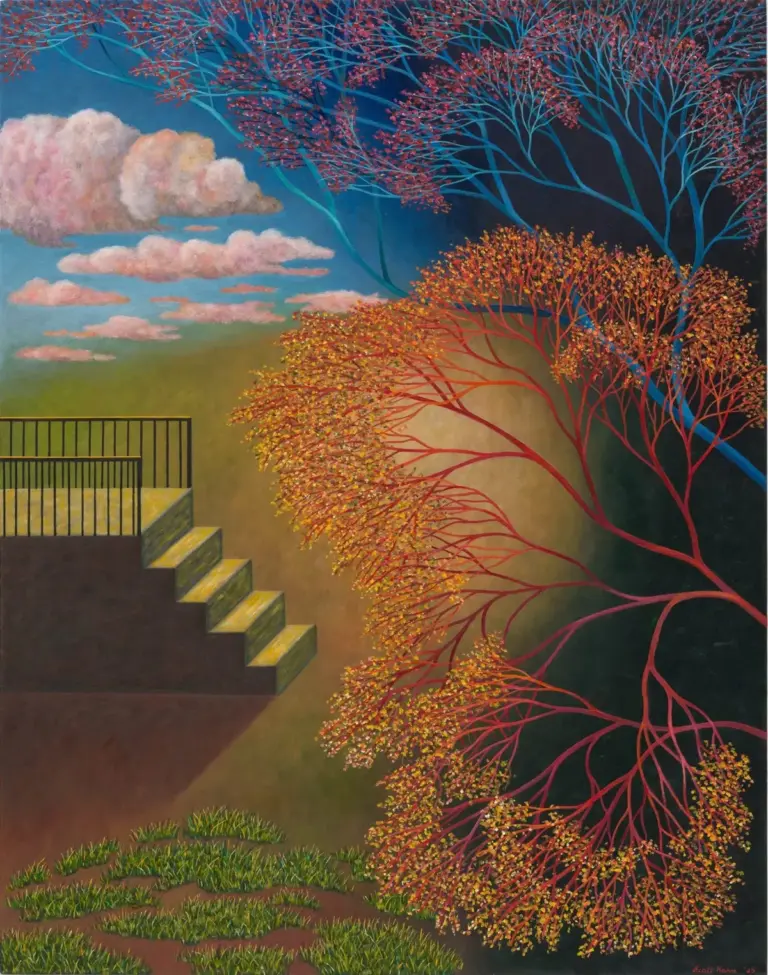
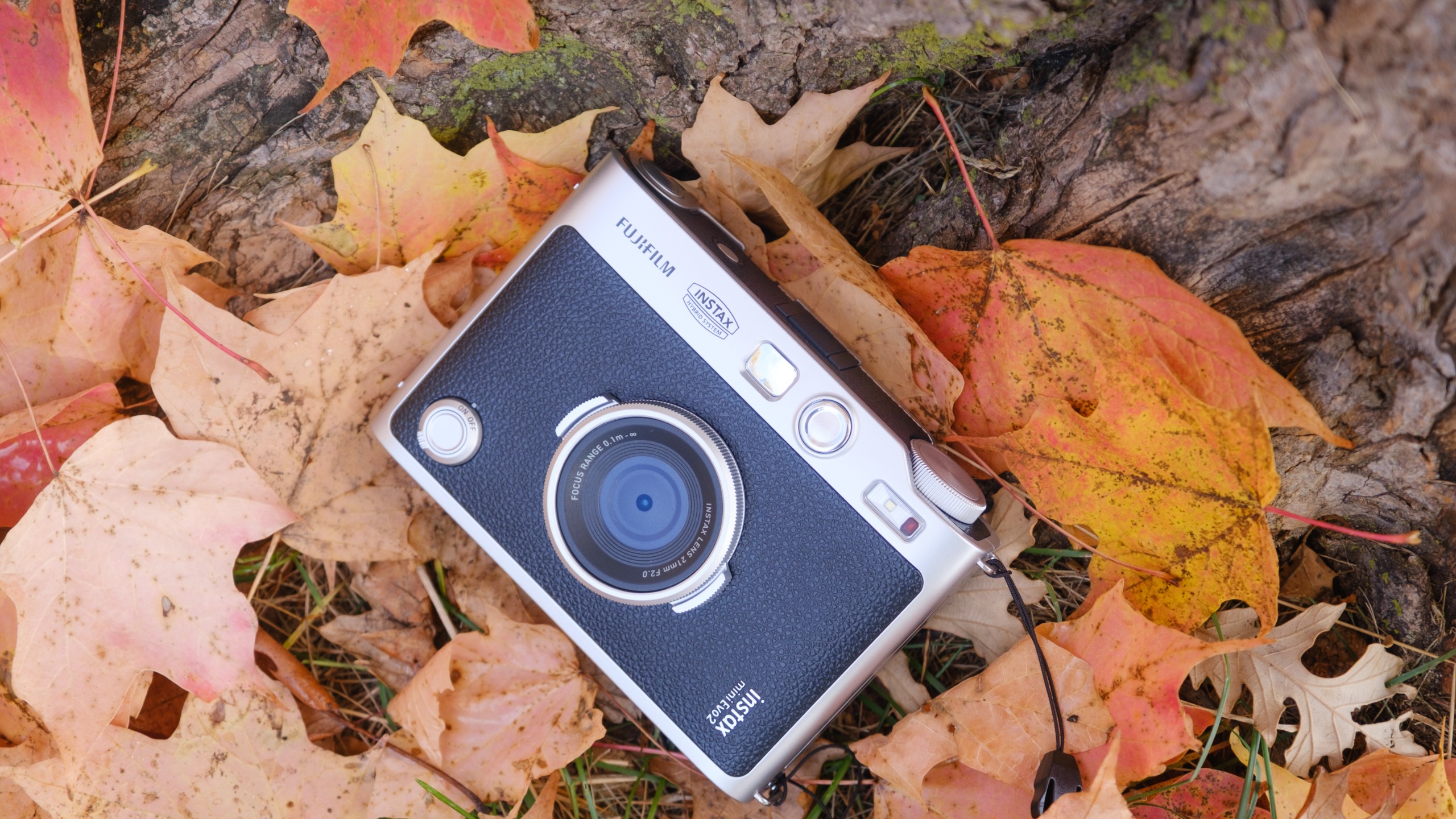
Fujifilm has officially pulled the curtain back on its latest hybrid creation, the Instax Mini Evo 2, blending nostalgic retro aesthetics with modern digital functionality. Announced late on October 26, the new camera breathes fresh life into one of the brand’s most well-loved product lines by pairing the much-loved creative effects of its predecessor with an updated sensor, a significantly larger touchscreen, and an innovative new four-second video capture mode.
The hybrid design concept remains the core strength of the device. Much like the original model, the Instax Mini Evo 2 functions simultaneously as a digital camera and a built-in instant film printer. Unlike traditional analog instant cameras where every shutter click commits physical film to the process—often leading to frustrating mistakes and wasted media—this hybrid approach empowers photographers to review their digital captures first. Users can selectively choose only their favorite shots to print onto Instax Mini instant film, ensuring that no film goes to waste while still delivering the tactile joy of physical, tangible photographs.

Where the Evo 2 truly separates itself from other hybrid offerings in the market, such as the LiPlay+, is in its deep and varied suite of creative tools. The camera houses a combination of ten distinct film simulations and ten different lens effects. Because these modes can be mixed and matched, they open up an impressive total of 100 different creative possibilities right inside the hardware. The available effects include classic visual choices like double exposures, light leaks, lens blur, and half-frame diptychs. Furthermore, Fujifilm has introduced a brand-new "after-image" mode, which automatically takes a secondary shot immediately following the first frame and creatively overlays the two images together for an ethereal, blended aesthetic.
Despite these advanced creative layers, the Instax Mini Evo 2 remains firmly planted within the affordable, low-fi compact camera category. However, it does feature a notable hardware bump: the internal sensor has been upgraded from the tiny 1/5-inch sensor found in the original model to a slightly larger 1/2.77-inch sensor.
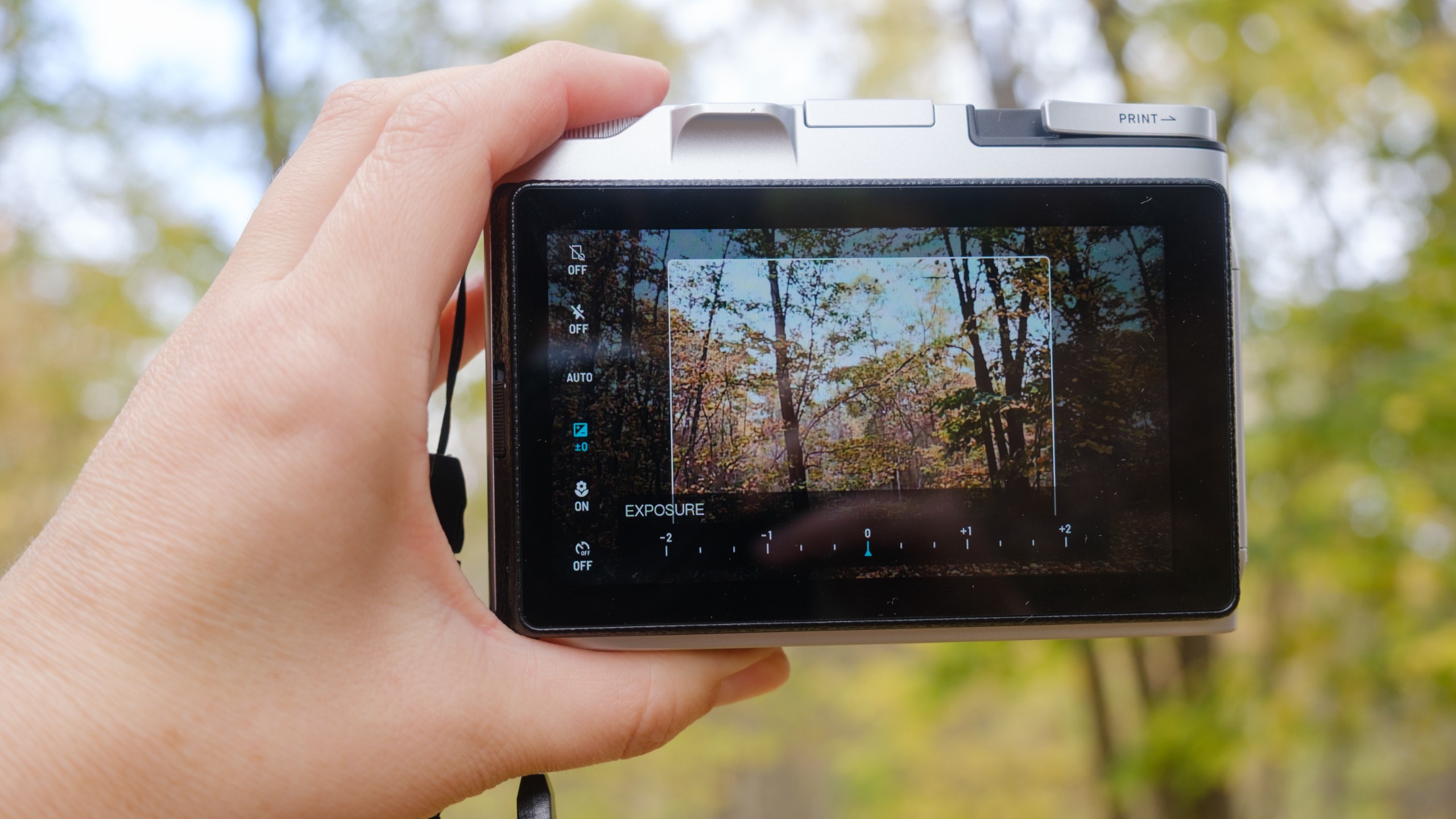
Not all of that newly available sensor area is dedicated strictly to standard image capture, however. Dominating the rear of the camera is a prominent, oversized 4.5-inch touchscreen. In terms of tactile feel and user experience, handling the Evo 2 feels somewhat like what might happen if a smartphone and a traditional analog camera had a child. It retains physical touches like a classic film mode dial and a mechanical advance lever used to physically print out photos, yet the massive touchscreen provides an interface that will feel instantly intuitive and familiar to anyone accustomed to modern smartphone navigation.

This large display introduces a clever framing feature called "Expanded View." Instead of just showing the exact crop of the final photo, the screen displays a wider visual field beyond what the camera actually captures. A clear white box indicates the borders of the final shot, effectively offering photographers a sense of peripheral vision to better frame their subjects within the environment.
In addition to Expanded View, the Evo 2 introduces a dedicated wide-angle mode among its roster of lens effects. This mode utilizes a greater portion of the physical sensor space to capture a higher-resolution image. While standard mode captures photos at approximately 6.13 megapixels, activating the wide-angle mode—provided a microSD card is installed in the camera—pushes the resolution up to 12.8 megapixels.
Taking these features into account, it becomes clear that standard shooting modes on the Evo 2 do not utilize the full span of the 1/2.77-inch sensor. While overall image quality benefits from a slight bump in resolution and general refinement compared to the first-generation model, the device still sits squarely in the realm of low-fi, casual digital photography rather than competing with high-end mirrorless systems.
Expanding its multimedia capabilities, Fujifilm has also integrated a brand-new "Immersive Movie" feature. This tool records a four-second video clip leading up to the moment the shutter button is pressed, and then automatically appends an animated Instax frame to the footage. While it serves as a fun and engaging way to generate behind-the-scenes content for social media or personal memories, users should note that utilizing this mode reduces the resolution of the accompanying still photos from the standard mode’s 2860 x 2144 down to a much smaller 616 x 464 pixels.
Most budget-friendly cameras on the market bypass creative flourishes like double exposures and light leaks entirely, making the Instax Mini Evo 2 an appealing option not just for instant film enthusiasts, but also for content creators and casual shooters looking for a cheap retro compact camera that offers more flexibility than a basic point-and-shoot. Although the Evo 2 operates primarily on fully automatic exposure settings, it still grants users manual control over exposure compensation, white balance adjustments, a close-up macro mode, and the ability to manually disable the built-in flash.
Having had the opportunity to thoroughly test the Instax Mini Evo 2 ahead of its commercial rollout, the device successfully retains everything that made the original iteration a cultural and practical hit, while refining the user interface with an overhauled display and a slight boost in resolution. It stands out as an ideal option for anyone riding the wave of the low-fi digital photography trend who still demands robust creative modes and the added utility of a portable instant photo printer.
The Fujifilm Instax Mini Evo 2 is scheduled to begin shipping to customers at the end of November. The camera will carry a retail price of approximately $289.95 in the United States, £229.99 in the United Kingdom, and CA$379.99 in Canada, which converts to roughly AU$413. While this positions the new model at a slightly higher price point than the original Evo, it remains comfortably below more specialized offerings in the lineup, such as the Instax Wide Evo.