According to Valve’s official metrics, the results of the event lean heavily into familiar territory while providing sharp contrasts to previous years. Casual, cooperative multiplayer games designed for groups of friends continue to dominate player engagement. At the same time, incremental and idle-style games maintain a fiercely loyal and active audience. Perhaps most notably, players have overwhelmingly rejected games utilizing overt generative artificial intelligence during development. Out of the thousands of titles that participated in the festival, only four games among the top 50 most-played demos declared any form of AI use during their creation process.
Among the 50 most popular titles highlighted by Valve’s data, traditional blockbuster publishers were almost entirely absent. The sole exception in the top tier was Kalypso Media’s upcoming Tropico 7, representing the traditional AAA and AA publishing sector in a list otherwise dominated by independent developers and small studios. This absence of major studio representation underscores how Steam Next Fest has increasingly become a vital showcase exclusively for indie developers seeking grassroots momentum rather than established franchises backed by multi-million-dollar marketing campaigns.
The deep skepticism surrounding artificial intelligence in game development was further highlighted by one of the few titles that openly embraced the technology. Teach My Little Sister How To Drive was among the four games in the top 50 to disclose its AI usage. The game relies heavily on a large language model (LLM) to power an interactive non-player character, an ambitious mechanic that reportedly comes with a staggering operational cost. According to developer disclosures, keeping the demo running has cost upwards of $1,000 per day simply to manage the heavy server and processing demands of the generative AI backend, drawing significant attention from industry analysts and curious players alike.
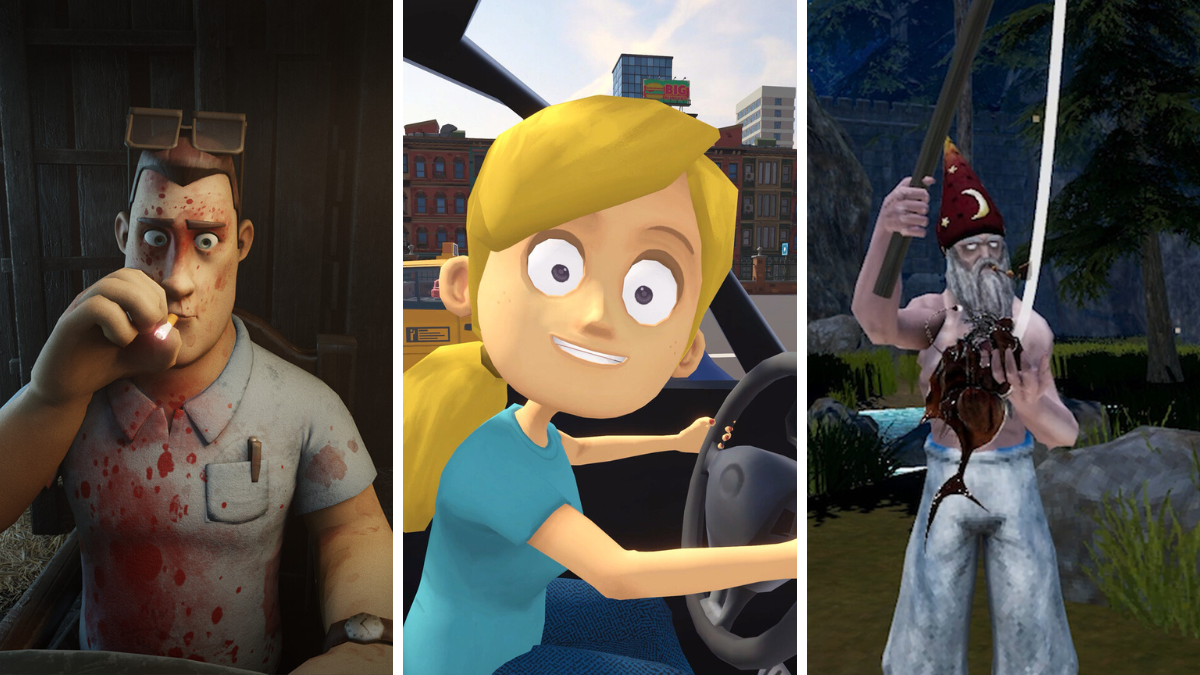
The top spot on the official chart went to Worst Class Ever, a 1-6 player asymmetric party game that captures the chaotic, social-first energy currently thriving on the platform. Reviewing the overall list reveals a distinct cultural shift in what types of games capture the public imagination on Steam compared to just a few years ago. When compared to the line-up of hits from the Steam Next Fest event held five years prior—which featured critically acclaimed, narrative-driven, and atmospheric indie darlings like Norco, Death Trash, Sable, Unpacking, and The Inheritance of Crimson Manor—the contrast is striking. While many of those older titles remain enduring conversational pieces within the gaming community, today’s top-played demos lean intensely toward immediate, freewheeling online interactivity.
Observers of the industry point to the massive, compounding influence of platforms like Roblox and user-generated content (UGC) ecosystems as a driving force behind these modern preferences. This phenomenon is often underappreciated by traditional PC gamers and industry journalists who primarily purchase standalone single-player experiences and follow traditional enthusiast press. Analysts suggest that a younger generation of players, raised on accessible, community-driven smartphone software and lightweight online multiplayer sandboxes, may be driving the massive surge in demand for unpretentious, highly social cooperative games featuring simplified graphics and rapid replayability.
While the fundamental appeal of playing games with friends remains timeless, the sheer velocity at which player tastes have shifted highlights a broader evolution in the medium. The gaming landscape of 2026 feels remarkably different from the landscape of 2021, reflecting a marketplace increasingly shaped by viral social dynamics, lightweight multiplayer frameworks, and an indie developer community that continues to adapt rapidly to changing consumer expectations.