In recent years, a growing cloud of apprehension has hung over the animation industry. As software developers push automated tools and generative artificial intelligence deeper into visual effects workflows, many artists and audiences have voiced concern over the future of the medium. The worry is not merely that digital automation might displace human animators, but that the resulting output will inevitably turn sleek, hyper-polished, visually flawless—and fundamentally dull. When every frame is calculated by algorithms designed to eliminate visual friction, the spontaneous soul of traditional filmmaking risks being erased entirely.
However, a remarkable weekend for the animation world has offered a powerful counter-narrative, proving that the human touch remains irreplaceable.
First came the global theatrical launch of Wildwood, the sixth feature-length movie from acclaimed animation studio Laika. Built upon Laika’s signature dedication to physical puppetry and frame-by-frame manipulation, the film has enjoyed strong early performance at the worldwide box office. The warm audience reception reinforces a growing consensus among animation enthusiasts: in an era threatened by artificial homogeneity, Laika’s steadfast commitment to stop-motion is precisely the artistic refuge the medium needs.
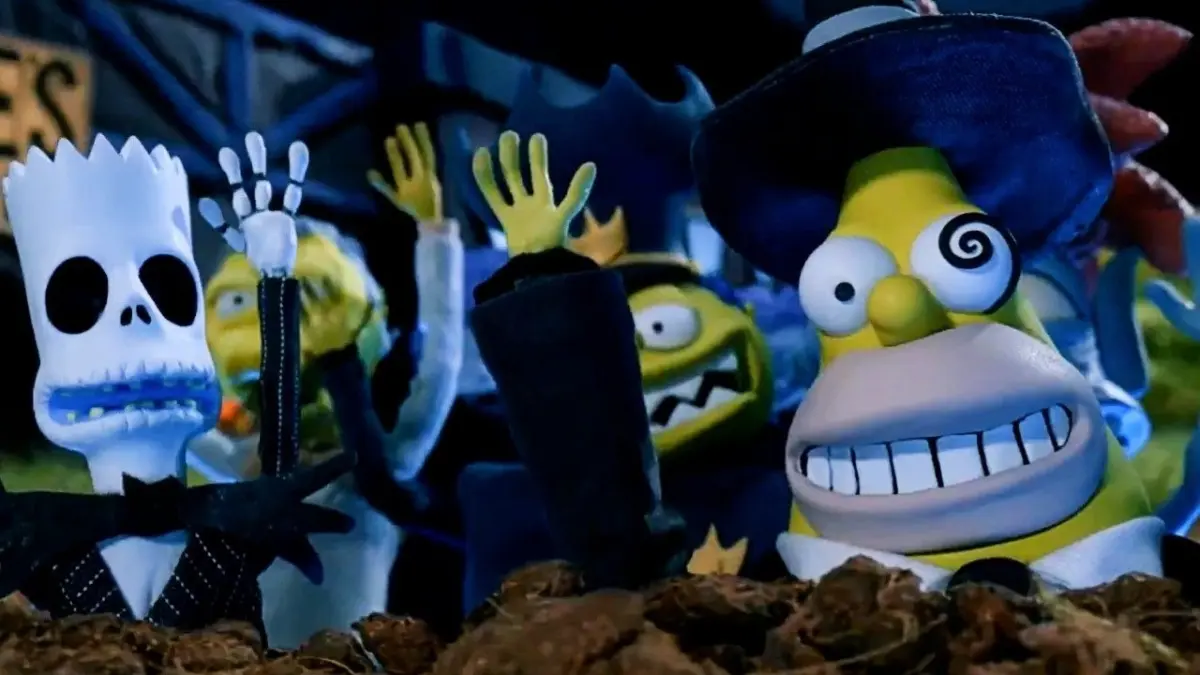
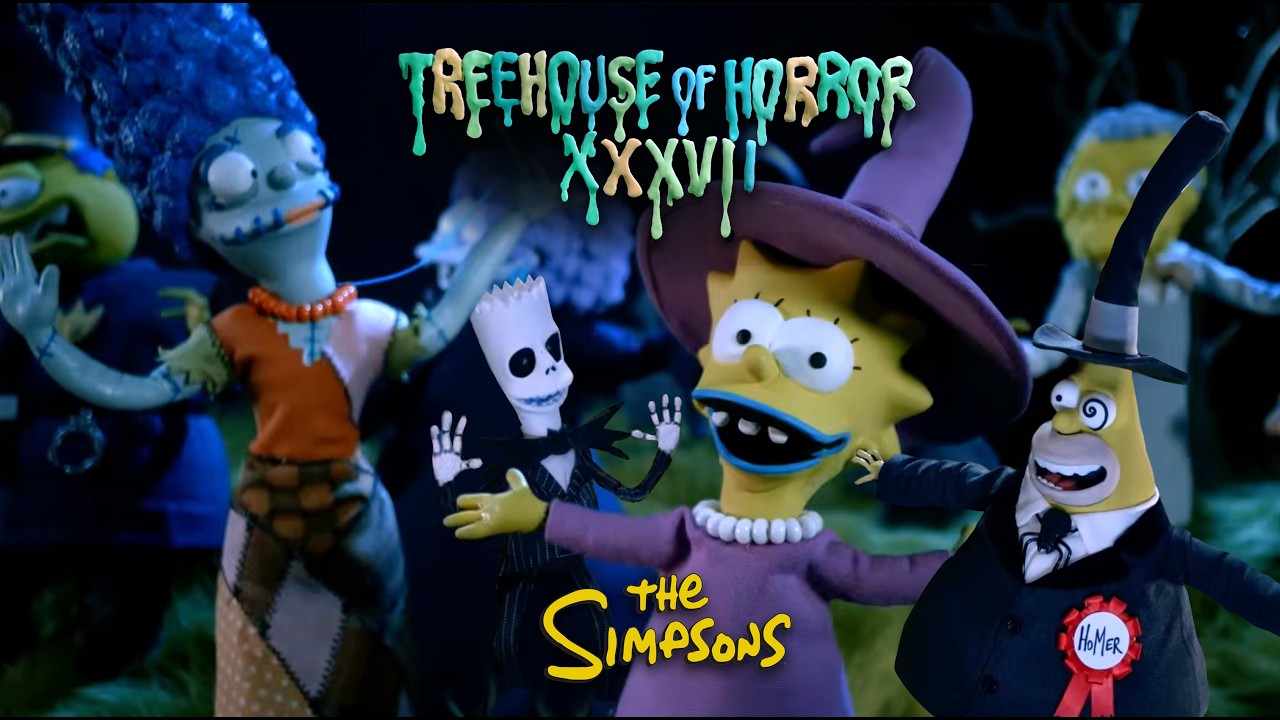
Shortly following Wildwood’s theatrical debut, television viewers were treated to another spectacular display of physical craft: the opening sequence for The Simpsons’ long-running annual tradition, Treehouse of Horror XXXVII. Rather than relying on standard digital ink-and-paint, the production delivered a full stop-motion homage to Henry Selick’s 1993 dark fantasy classic, The Nightmare Before Christmas.
In the sequence, Springfield’s famous residents are reimagined as the iconic inhabitants of Halloween Town. Bart Simpson steps into the slender frame of Jack Skellington, while Marge Simpson appears as the lovingly stitched-together Sally. Homer Simpson embodies the manic, two-faced Mayor, Santa’s Little Helper floats gracefully through scenes as the ghost dog Zero, and Ned Flanders is transformed into a menacing, bug-stuffed Oogie Boogie. Together, the clay caricatures perform a spirited parody of the classic musical number "This Is Halloween," replacing the familiar chorus with the refrain "Simpsons Halloween."
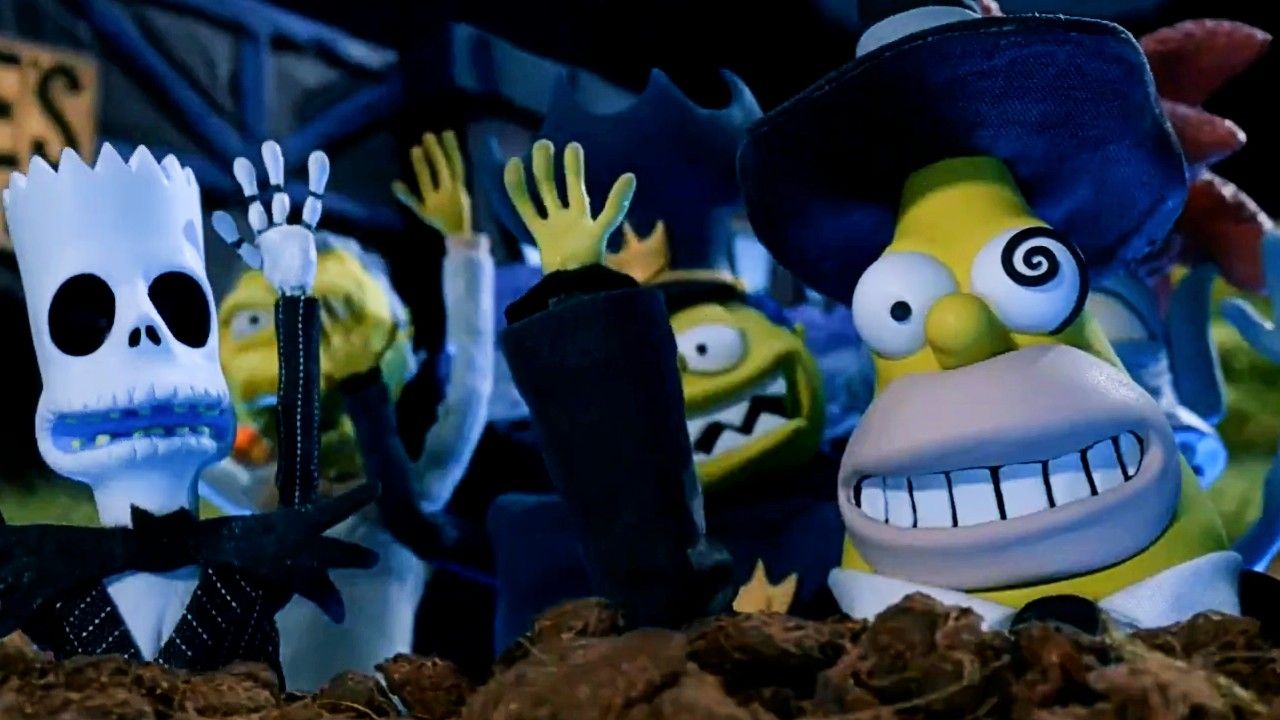
The Simpson’s Halloween specials have impressed since 1990
Since their debut in 1990, The Simpsons’ Treehouse of Horror specials have held a unique and revered place in television history. By deliberately operating outside the series’ main narrative continuity, these annual anthology episodes enjoy absolute creative freedom. Within these frightful vignettes, beloved characters can meet horrific demises, and the town of Springfield can be repeatedly reduced to rubble, only for the status quo to be fully restored by the following week.
In the latest stop-motion opener, the show leans into this rule-breaking format with self-referential wit. Lisa Simpson, dressed in full witch attire, explicitly spells out the creative terms in song, declaring to the audience that "Halloween episodes are not canon."
Importantly, this freedom from canonical constraints extends beyond narrative storytelling to embrace stylistic experimentation. By discarding standard visual rules, the show’s creative team was able to completely abandon traditional 2D computer animation for the opening sequence, opting instead for a tactile, physical world built out of clay, wire, and miniature set pieces.
Thematically, Laika’s feature film Wildwood and The Simpsons’ musical opener share little common ground. One is an epic, cinematic fantasy narrative, while the other is a rapid-fire comedic TV tribute. Yet, their underlying artistic philosophy is identical. Both projects were realized through the laborious, handcrafted discipline of stop-motion: physical puppets positioned on real sets, meticulously shifted by human hands one frame at a time. In a contemporary media environment dominated by digital shortcuts, seeing such dedication showcased on both the big screen and peak-time television is a comforting sight for animation purists.
Stoopid Buddy Stoodios’ stop-motion animation approach
The task of transforming Springfield’s famous family into three-dimensional clay puppets fell to Stoopid Buddy Stoodios, the Burbank-based animation outfit celebrated for creating Robot Chicken. Stoopid Buddy Stoodios has spent years perfecting the art of pop-culture parody using stop-motion animation, often utilizing retro toys, action figures, and customized dolls to craft their signature comedy.
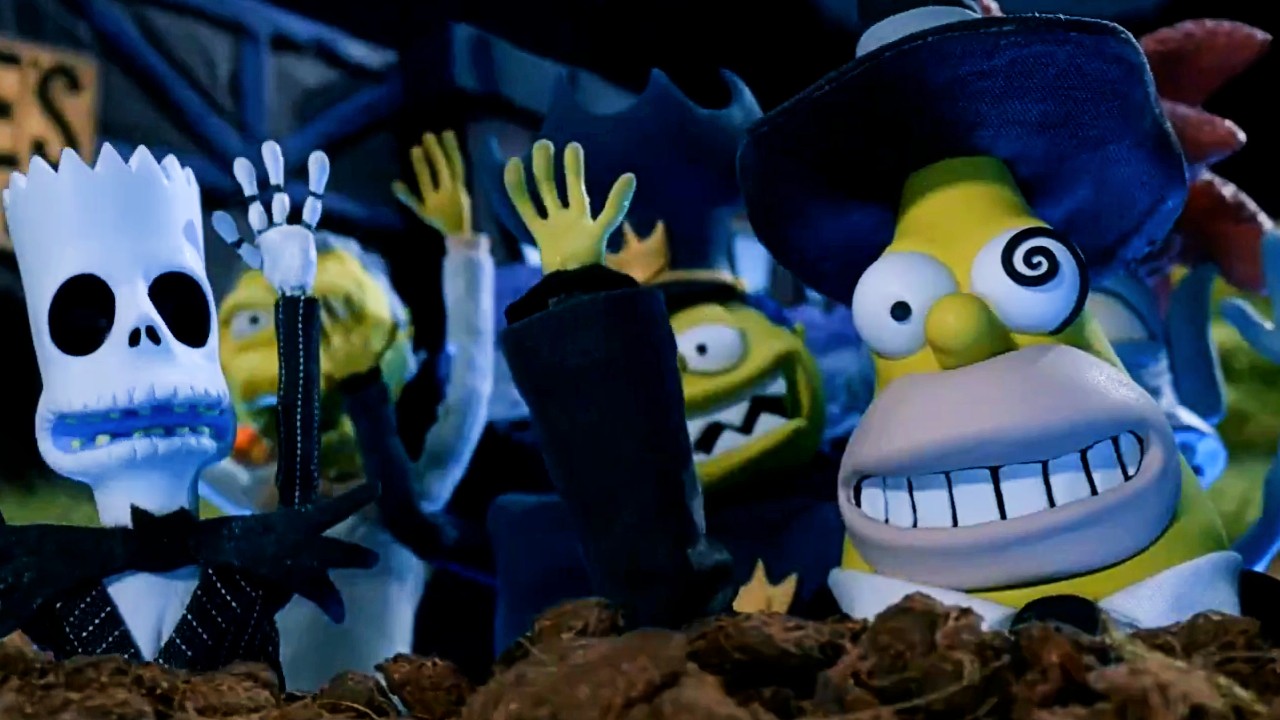
Given the tight turnarounds and technological options available to modern studios, Stoopid Buddy Stoodios could easily have streamlined production by utilizing 3D printers to fabricate the character models and facial expressions. Instead, the team consciously chose to reject digital shortcuts in favor of traditional artistic methods.
Reflecting on the production process, Stoopid Buddy Stoodios co-founder John Harvatine IV explained to Animation World Network that the studio remained committed to physical artistry throughout every stage of development. "We kind of just did old school the whole way, from sculpting by hand," Harvatine noted.
That sentiment was echoed by sculptor Jim McKenzie, who highlighted the broader cultural resonance of practical art-making in an increasingly automated world. Speaking to Entertainment Weekly, McKenzie observed: "I think in a time of AI, to be involved with something that’s truly handmade, it’s very special these days."
The choice to physically sculpt every wrinkle, seam, and expression by hand imparts a tangible warmth to the finished animation. Every subtle clay texture and minor imperfection serves as visible evidence of human effort, creating a deep visual connection that computer-generated imagery struggles to replicate.
From The Nightmare Before Christmas to Laika: A Tradition Reborn
It is deeply symbolic that The Simpsons selected The Nightmare Before Christmas as the foundation for its latest stop-motion tribute. When director Henry Selick brought the movie to theaters in 1993, the film industry held a vastly different view of stop-motion. At the time, frame-by-frame physical animation was widely regarded as an obsolete relic of cinema’s past—an archaic technique destined to be buried by the dawn of modern digital visual effects.
Selick’s chaotic, beautifully realized vision shattered those industry assumptions. The Nightmare Before Christmas proved to studio executives and audiences alike that a full-length stop-motion feature could achieve massive mainstream commercial success while retaining its artistic integrity. The triumph of that film established a vital path forward for the medium, directly paving the way for Selick’s later masterpiece, Coraline—the groundbreaking 2009 film that established Laika as a premier force in modern animation.
Three decades after The Nightmare Before Christmas redefined what stop-motion could accomplish, the medium’s role in the cultural landscape has evolved once again. Far from being an outdated relic, physical animation now stands as a refreshing, necessary counterweight to hyper-slick computer graphics and algorithmically generated media.
The Simpsons’ homage demonstrates how far the craft has come in capturing the public imagination. Though the gruesome puppet caricatures of Homer, Marge, Bart, Lisa, and Flanders appear on screen for only thirty seconds, their impact resonates far beyond their brief runtime. The segment serves as a vivid reminder that real art relies on human hands, physical materials, and painstaking effort.
Combined with the box-office momentum of feature releases like Laika’s Wildwood, this miniature masterpiece proves that physical storytelling is far from extinct. Instead, handmade animation is mounting a spirited defense of human creativity—one frame at a time.