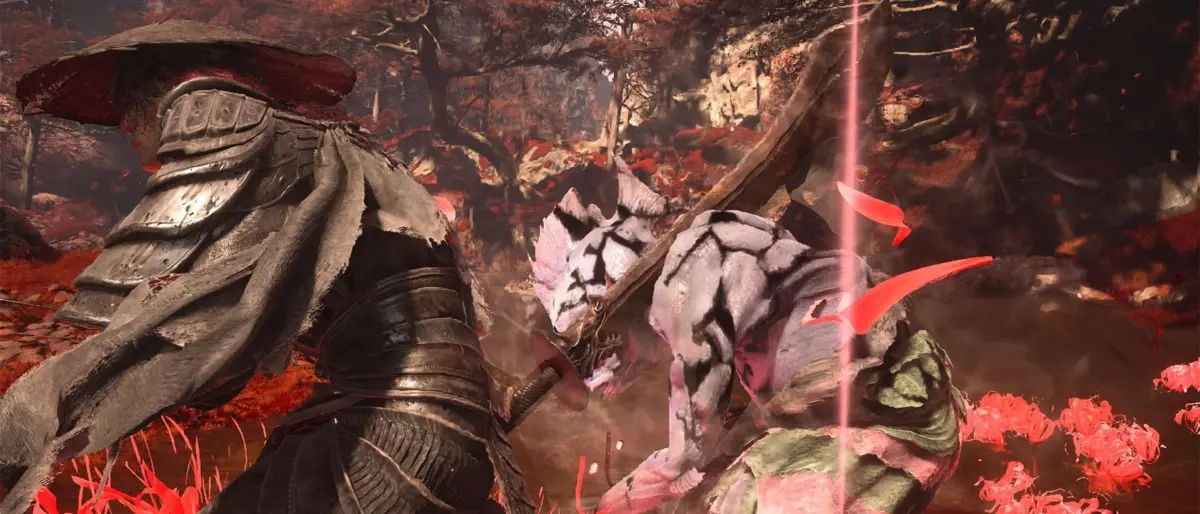
Phantom Blade Zero enters the increasingly crowded arena of action role-playing games with a distinct identity, striving to set itself apart from the growing wave of high-profile AAA titles originating from China. Developed and published by S-Game using Unreal Engine 5, this ambitious project represents a massive evolution for director Soulframe Liang, whose original vision began more than fifteen years ago with the indie title Rainblood: Town of Death. Tested on the PlayStation 5 Pro alongside its PC release, Phantom Blade Zero seeks to forge a unique subgenre that the developer terms "kungfupunk"—a hybrid aesthetic where traditional wuxia fantasy collides with modern industrial themes.
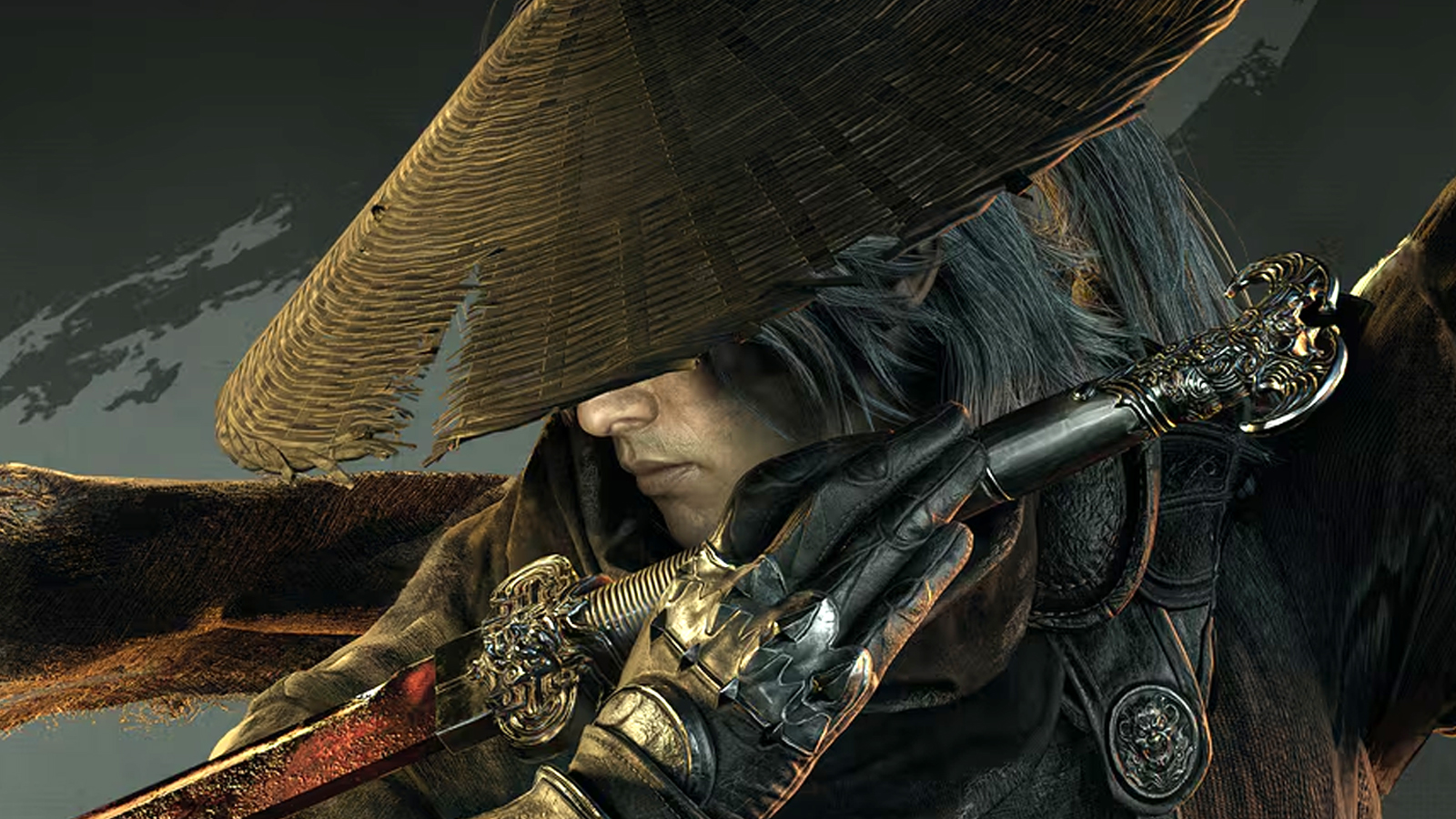
From its opening sequences, the game attempts to immediately fulfill the fantasy of playing a master martial artist. Players assume the role of Soul, an elite assassin belonging to an elusive organization known simply as the Order. Following a tragic and fateful duel, Soul is left with a severe condition that grants him precisely 66 days to live. Rather than stripping the protagonist of his abilities through a conventional Metroid-style reset, the narrative allows Soul to maintain his formidable martial prowess while his capabilities expand over the course of his journey.
Yet, while Phantom Blade Zero delivers a captivating visual presentation, intricate lore, and fluid motion-captured choreography, several design choices, pacing hurdles, and technical flaws prevent it from reaching true greatness.
Phantom Blade Zero Combat: Martial-Arts Mocap and 50+ Weapons
Combat sits squarely at the center of the Phantom Blade Zero experience, benefiting significantly from high-profile motion-capture work. S-Game collaborated closely with legendary Hong Kong martial arts icon Donnie Yen and his veteran stunt team to choreograph and record the game’s fighting movements. This partnership pays off in the fluid confidence of Soul’s moveset, capturing the kinetic kineticism reminiscent of classic martial arts cinema. Donnie Yen himself makes an appearance as an in-game character—though his presence remains somewhat understated, as he is largely confined behind a mask and located off the main narrative path.
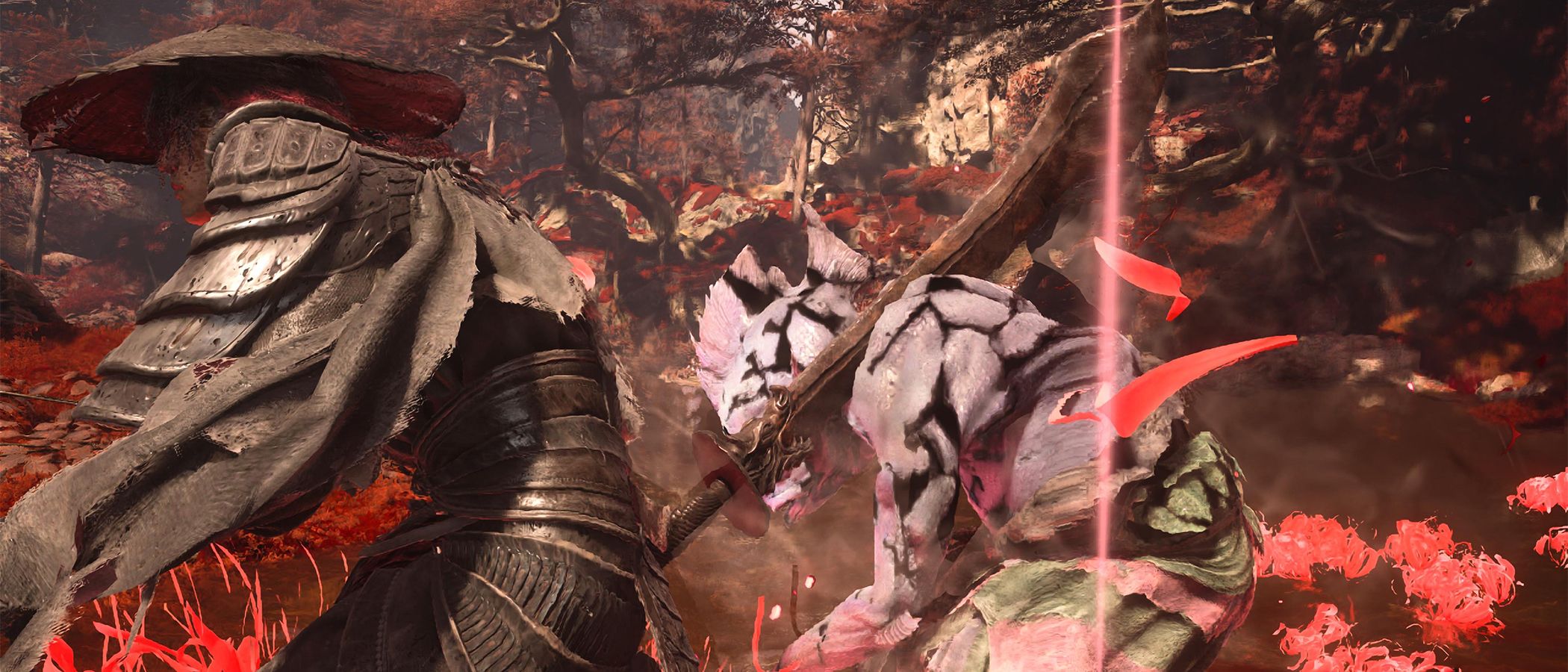
In practice, the mechanical foundation of combat relies on executing strings of light and heavy attacks. Despite the simplicity of basic combo inputs, the character’s fighting style dynamically shifts depending on the weapon equipped. The arsenal is vast, featuring more than 50 distinct weapons to discover and master. These range from the agile Jagged Steel, which inflicts bleeding damage over time, to the heavy Scarlet Wraithblade, a heavy weapon that leaves energy-draining red spider lilies across the battlefield. Other unique options include a sword that induces unpredictable movements modeled after drunken martial arts, though some players may find certain weapons feel more like novelties than essential tactical tools.
Because upgrade materials are finite, players are encouraged to specialize in a select group of weapons rather than spreading resources too thin. However, the game incorporates a smart incentive to actively cycle through equipment during encounters: switching weapons instantly refills the player’s Sha-Chi gauge. In the world of Phantom Blade Zero, Sha-Chi serves as the vital energy powering high-level martial arts maneuvers, functioning as a stamina bar required for guarding against incoming strikes and executing heavy offensive combos. By toggling weapons at opportune moments, players can deplete one gauge, instantly swap weapons, and sustain an unbroken offensive momentum, though a built-in cooldown timer prevents infinite exploitation of this mechanic.
Defensive play demands keen observation. Battles often move at a breakneck pace, requiring players to constantly monitor enemy animations for telegraphing cues. Flashing blue or red markers indicate incoming strikes that must be parried or dodged accordingly. Successfully reading these prompts rewards the player with cinematic finishing moves, offering a highly satisfying payoff after enduring relentless enemy flurries.
Exploration and Level Design
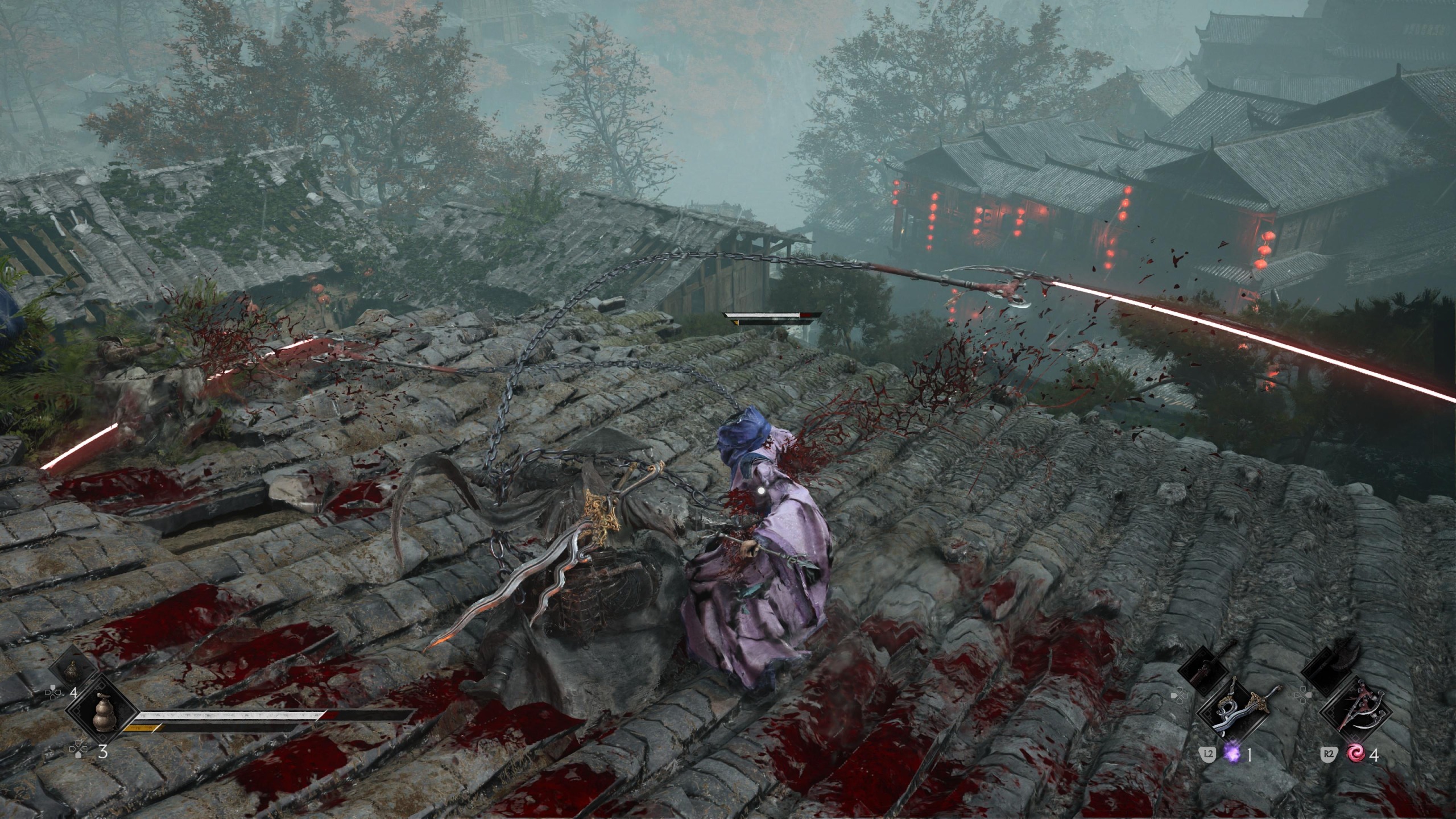
Beyond standard weaponry, Soul has access to specialized tools known as Phantom Edges. These auxiliary weapons have limited usages but can drastically shift the tide of combat when deployed strategically. Examples include a massive battleaxe capable of shattering heavy enemy shields and a chain sickle designed to slice through multiple surrounding foes at once.
Phantom Edges also double as environmental interaction tools, providing a light Metroidvania-style layer to the game’s exploration. The chain sickle, for instance, functions as a grappling hook to cross chasms or reach elevated points. Despite these structural ideas, the exploration mechanics often feel restrictive. The functional utility of Phantom Edges frequently reduces them to glorified keycards, where opening a newly accessible pathway leads to little more than a small, isolated room containing a single treasure chest. Furthermore, traversal options like running up sheer cliff faces, wall-running, or grappling are strictly context-sensitive, tethered directly to designated button prompts placed at fixed environmental points rather than offering freeform movement.
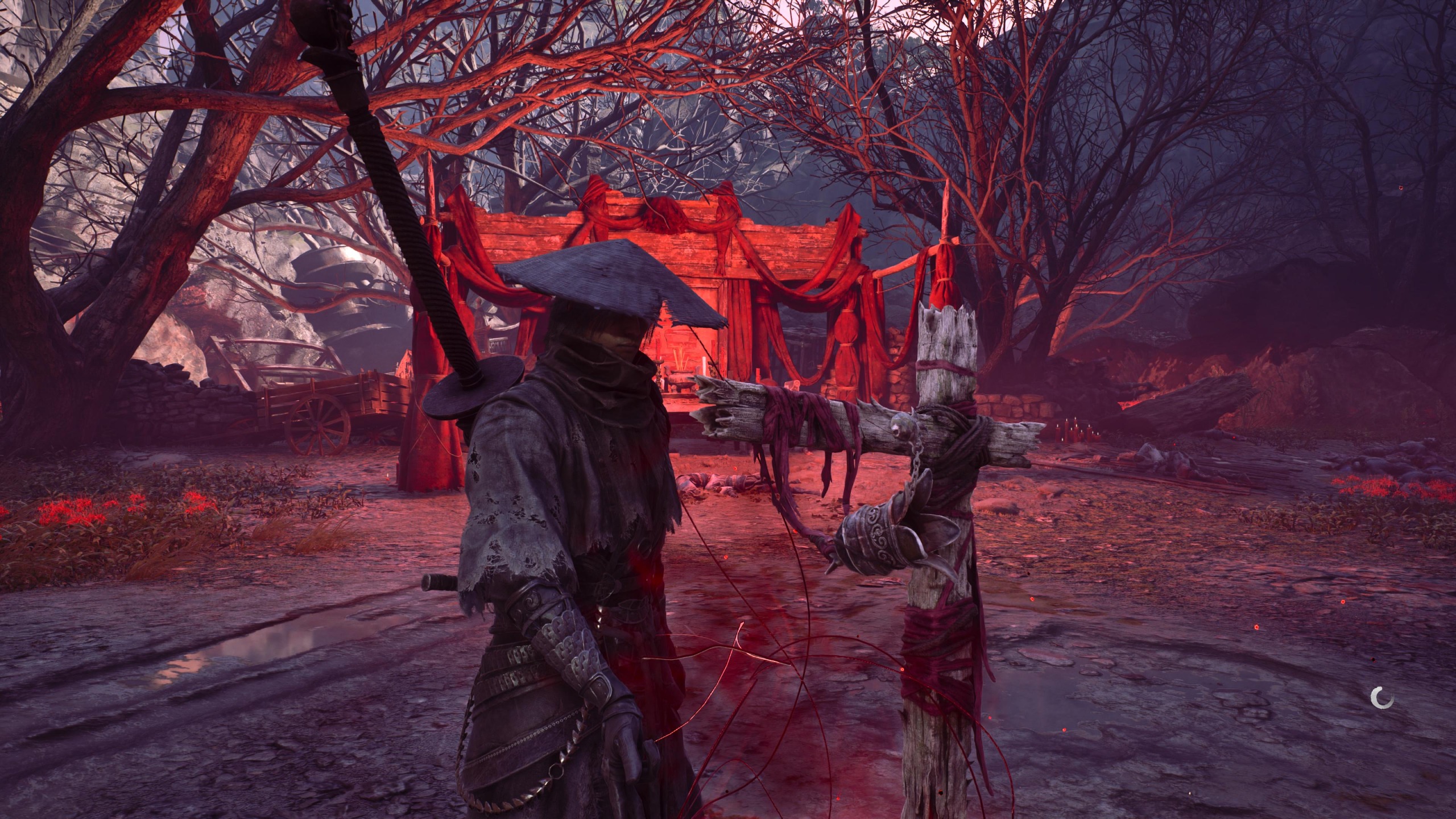
This rigid structure extends to the broader world design of the Wulin. Visually, the settings are diverse and visually striking, taking players from deep valley floors to soaring mountain peaks, as well as across a broad lake navigable by boat. Aesthetically, the game excels at embodying its "kungfupunk" philosophy, contrasting serene bamboo forests and ancient wuxia temples with harsh steel-factory architecture. The soundtrack mirrors this juxtaposition, pairing delicate pipa string arrangements with heavy electric guitar riffs.
Navigating this world, however, can prove frustrating. The visual map elegantly emulates a traditional Chinese ink wash painting, uncovering new regions as players activate checkpoints. Yet the physical environments are marred by frequent invisible walls and confusing geometry. Players regularly encounter arbitrary boundaries while trying to navigate toward quest markers, often forcing unintuitive, long-winded detours to reach locations that appear directly adjacent on the map. Simple actions like mantling over low ledges are frequently blocked without clear logical justification, undermining the fantasy of controlling an agile martial arts assassin.
Despite these navigational flaws, specific locations excel in scale and atmospheric depth. The central city of Pangzhen stands out as a focal point of the world. Rich with hidden lore, complex side quests, and memorable character interactions, Pangzhen offers a dense, layered environment reminiscent of the atmospheric urban design seen in Bloodborne‘s Yharnam.
Boss Fights and Difficulty
Questions surrounding whether Phantom Blade Zero belongs strictly to the "Soulslike" subgenre yield a nuanced answer. In many respects, S-Game diverges from standard Soulslike conventions. Restpoints do not respawn defeated street-level enemies, nor do players permanently lose their accumulated resources upon death.
However, the game adopts a rigid spike in difficulty whenever major boss encounters begin. Bosses hit with exceptional force, and players start the campaign with very limited healing items, which cannot be meaningfully upgraded until reaching the mid-way point of the story. To alleviate potential frustration, S-Game incorporates multiple difficulty settings alongside midway checkpoints for multi-phase boss fights. If a player dies during a boss’s second phase, they respawn directly at the start of that phase rather than having to repeat the opening fight. Accessories found throughout the world further assist in customizing challenge levels, offering traits that widen the timing windows required to pull off successful parries and dodges.
The primary issue affecting boss combat stems from enemy durability. Major bosses often feel excessively "spongy," possessing massive health pools that drag out encounters. Staggering an opponent—a mechanic designed to reward aggressive play—fails to yield a significant damage burst, as even heavy combos only chip away small increments of the boss’s overall health bar.
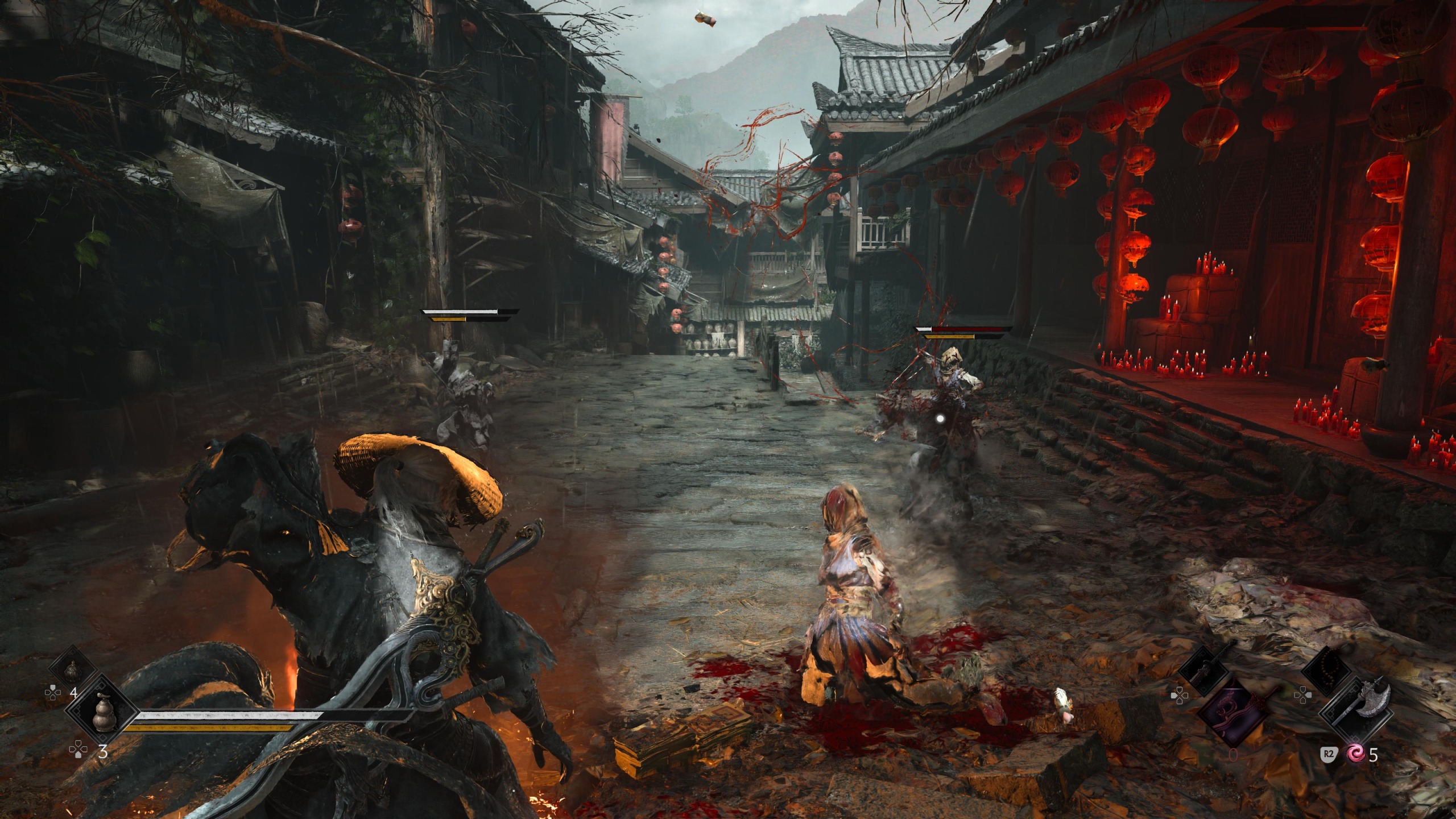
This prolonged friction creates additional systemic issues. Because combat encourages aggressive forward momentum, combo flurries frequently push bosses into edges, walls, and corner geometry. When this occurs, the game’s dynamic camera struggles to adapt, frequently clipping through walls or allowing environmental objects to completely obscure cinematic execution animations.
Phantom Blade Zero Performance on PS5 Pro
Evaluating Phantom Blade Zero on the PlayStation 5 Pro reveals notable technical inconsistencies, particularly throughout the second half of the campaign. Even when lowering graphical parameters by selecting Performance Mode and disabling ray tracing, performance degradation remains noticeable.
Audio mixing issues occasionally disrupt the narrative experience, causing dialogue levels to drop out or become severely overpowered by the background musical score. Visual bugs also appear in environmental rendering; certain large bodies of water fail to render screen-space or ray-traced reflections correctly, presenting instead as opaque, mirror-like surfaces or hollow graphical gaps in the terrain.
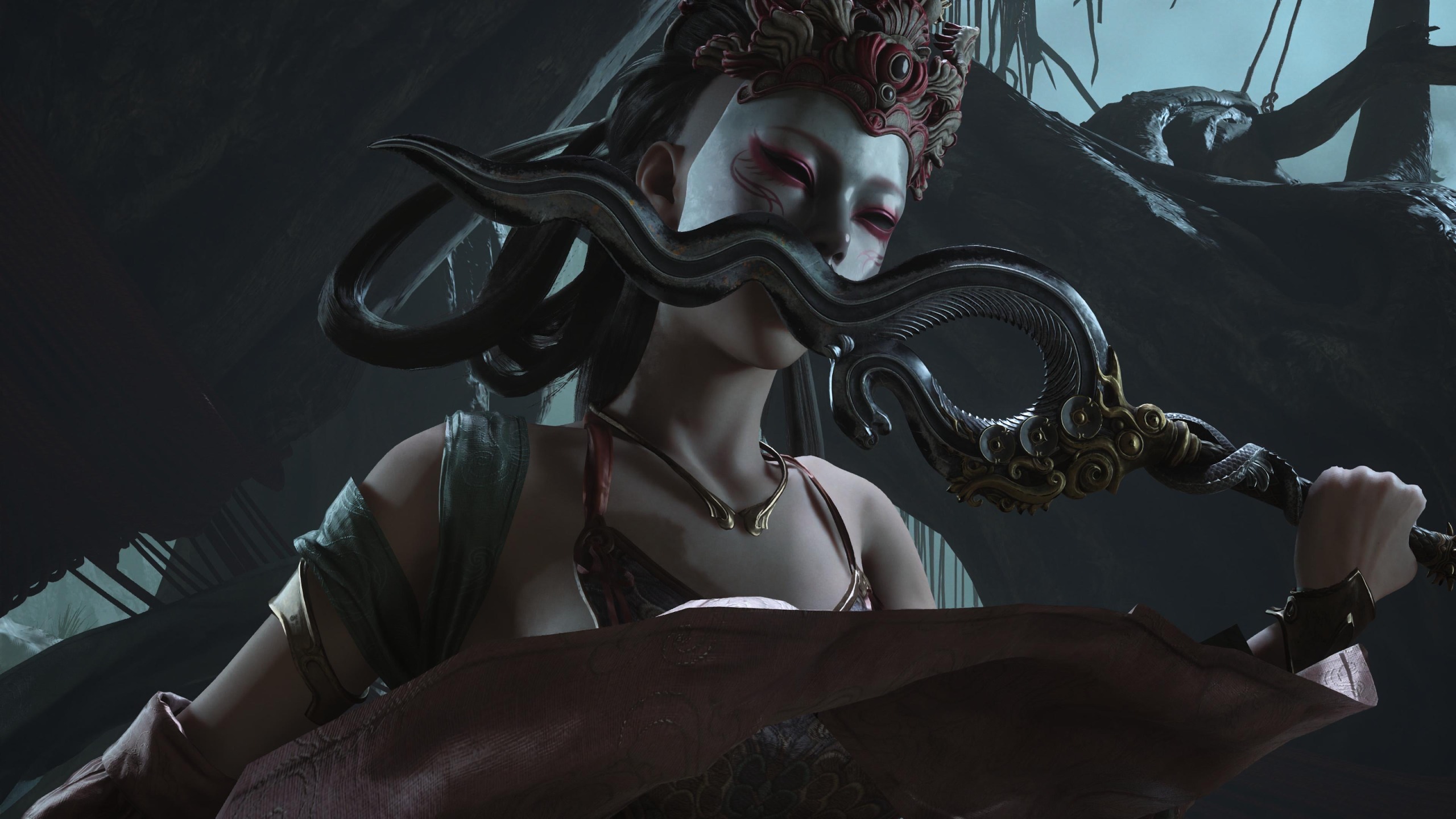
More concerning are the severe framerate drops encountered during intense combat sequences. In major boss encounters featuring heavy particle and visual effects, the framerate can drop dramatically, temporarily turning fast-paced fights into stuttering slideshows. While these stutters often coincide with invulnerability frames during locked attack animations, they significantly hamper the visual clarity and responsiveness expected of a high-speed action title running on upgraded console hardware.
S-Game deployed a post-launch title update intended to resolve many of these underlying performance issues, graphical bugs, and audio imbalances. However, because this optimization patch arrived after the completion of the review period, its specific impacts on framerate stability and rendering polish could not be independently re-evaluated.
Ultimately, Phantom Blade Zero presents a compelling vision grounded in deep cultural art styles, exceptional martial arts choreography, and an engaging world concept. While technical hiccups, restricted exploration, and spongy boss encounters prevent it from achieving absolute perfection, S-Game’s ambitious debut remains a memorable entry in the modern action-RPG landscape.