Forget grand economic fixes for a moment. If the government really wants to restore public confidence, it could start by tackling the daily irritations that make modern life so maddening. Enter the modest manifesto.
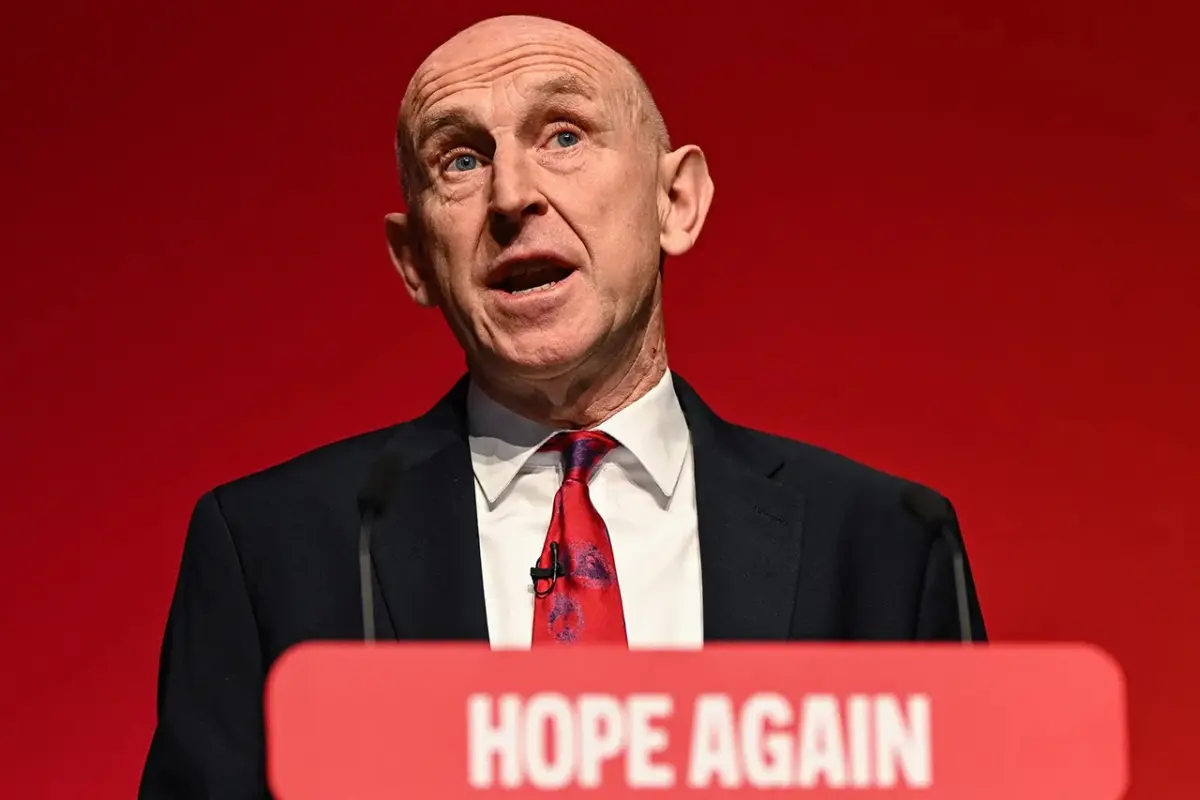
UK Chancellor John Healey is currently walking a fiscal tightrope ahead of a crunch budget this week. Tough choices, the public is repeatedly told, are the only way to manage ballooning national debt and arrest the steep decline in public services that has frayed the edges of daily life across the country.
Luckily, one already confirmed government policy offers a glimmer of hope that politics can occasionally bring people together over mild irritation. Specifically, the introduction of fines for antisocial behaviour targeting individuals blaring music too loudly from their phones in public, alongside a wider crackdown on littering, vaping, and threatening behaviour, hints at a shift toward tangible civic order.
This small bit of statecraft won’t solve the energy trilemma or reverse long-standing productivity pitfalls overnight, but it could salvage some much-needed consensus from the jaws—and bores—of national defeatism. Let’s call this the modest manifesto, or a practical nudge that everyday citizens can understand and genuinely get excited about amidst a sea of sweeping political promises that rarely touch the pavement.
The challenge facing the Treasury and the broader administration is immense. As debt piles up and markets grow increasingly spooked by the fiscal trajectory, policymakers are forced to balance macroeconomic stability with the immediate, visceral discontent felt by voters navigating broken public services and declining urban environments. Yet, while fiscal adjustments and spending caps dominate the headlines, the psychological wear and tear of modern existence often stems from smaller, unchecked social friction.
Talking Property
Take the housing market, for instance. House prices are exorbitant, supply remains severely limited, and wages have largely stagnated, making home ownership an unattainable dream for a growing generation of workers. While comprehensive housing reforms require years of planning, zoning overhauls, and massive capital investment, the government could easily begin with more immediate, localized sanity checks.
Why not start with punitive taxes on estate agents who creatively describe damp basements as "garden apartments" or windowless cupboards as "bedrooms"? Following that, a swift moratorium on the overuse of the term "up-and-coming" to describe chronically neglected, grotty neighbourhoods would save renters a great deal of false hope. This could be paired with a clampdown on marketing copywriters who misleadingly describe unscrubbed graffiti as "street art."
Tech Tax and Digital Fatigue
The frustrations of modern consumerism extend far beyond the property ladder into the digital realm. Chief among them is the ubiquitous digital gatekeeping that turns routine purchases into administrative hurdles. Customers shouldn’t need to register an online account, create a permanent profile, and consent to endless data harvesting just to buy a single everyday item. It is a toothbrush, after all, not a mortgage.
This digital exhaustion bleeds into other areas of daily friction. Consider the questionable practice of the pointless end-of-transaction "customer survey." Shoppers and service users are routinely prompted with the inevitable question: "How did we do today?" The honest answer, more often than not, is "Not well." This digital theatre should be met with a blanket ban, alongside a halt to endless password prompts and the alarming irony of automated computers endlessly verifying human identity online. When algorithms are tasked with proving that flesh-and-blood users are genuinely human, one has to ask whether this truly constitutes societal progress.
End Pissing Around
Urban life, too, has suffered from a steady erosion of basic civic amenities. Surely it is time that towns and cities recognized the fundamental need for taxi drivers, delivery workers, and the general public to find basic relief when navigating the urban landscape. The aggressive commercialization and privatization of public space has left many citizens with nowhere to go. Literally. A serious civic initiative to build pleasant, accessible public toilets—and actually pay municipal workers to keep them clean—would do more for urban dignity than many high-profile regeneration projects.
Questionable Practice and Modern Business Jargon
Corporate speak has similarly metastasized, infiltrating both commerce and public communications with empty theatrics. Take, for example, the corporate obsession with the future. Anyone claiming to "future-proof" a business, particularly technology vendors flogging unproven software solutions, should be legally or professionally compelled to explain in precise detail exactly what that future looks like—put in writing and submitted for public scrutiny at a later date. The contemporary tech industry often seems entirely incapable of predicting next Tuesday’s server outage, let alone anticipating structural shifts heading toward 2030.
This linguistic inflation extends to how we frame everyday inconveniences. There is an urgent need for a cultural reset to prevent people from framing ordinary, mundane activities in Herculean terms. Changing an internet service provider or waiting for a wardrobe delivery is not "a journey." Similarly, catching a delayed train, eating a mediocre lunch, or enduring a light drizzle in no way constitutes a "perfect storm."
Nowhere is this disconnect more acutely felt than in customer service. Modern consumers are increasingly met with digital walls rather than human help. Fines should be levied against corporations that systematically replace human customer-service teams with uncomprehending chatbots—frequently given cheery names like Alice—programmed to offer empty platitudes and insist that she "understands your frustration." She manifestly does not.
Over to you then, Mr Healey. Your work this week is undeniably important to the nation’s financial health. We understand your frustration as you balance the books. But here is some immediate feedback from the public square: perhaps modern politics needs fewer grand, sweeping gestures and far more practical fixes for the little indignities that leave ordinary people wondering if there is anyone actually in charge of daily life.