For the past decade, Jeroen Smeets and his renowned creative platform, The Jaunt, have unlocked doors to extraordinary global experiences, facilitating week-long international artists’ residencies in some of the most remote and geographically diverse corners of the Earth. Driven by the core philosophy that travel serves as a boundless catalyst for inspiration and community building, Smeets expanded the scope of the project in 2024 by introducing an intimate winter retreat. This seasonal gathering was designed to bring together a small group of contemporary creators to live and work in close quarters, framed by harsh winter weather that naturally fosters a rich environment for the cross-pollination of ideas, shared meals, collaborative storytelling, and rugged outdoor adventures.
For its third consecutive iteration, Winter Camp took on an entirely new geographical and cultural dimension through a collaborative partnership between Joy Machine and The Jaunt. Together, the organizers plucked four established contemporary artists from the reliably warm, sun-drenched climate of California and thrust them headfirst into the biting, snow-covered expanse of the American Midwest. For these creators, the journey meant experiencing a proper, unvarnished winter for the absolute first time in their lives, complete with sub-zero temperatures, vast frozen lakes, traditional sledding, spontaneous snowball fights, and a crisp, sublime ambient temperature of four degrees Fahrenheit.
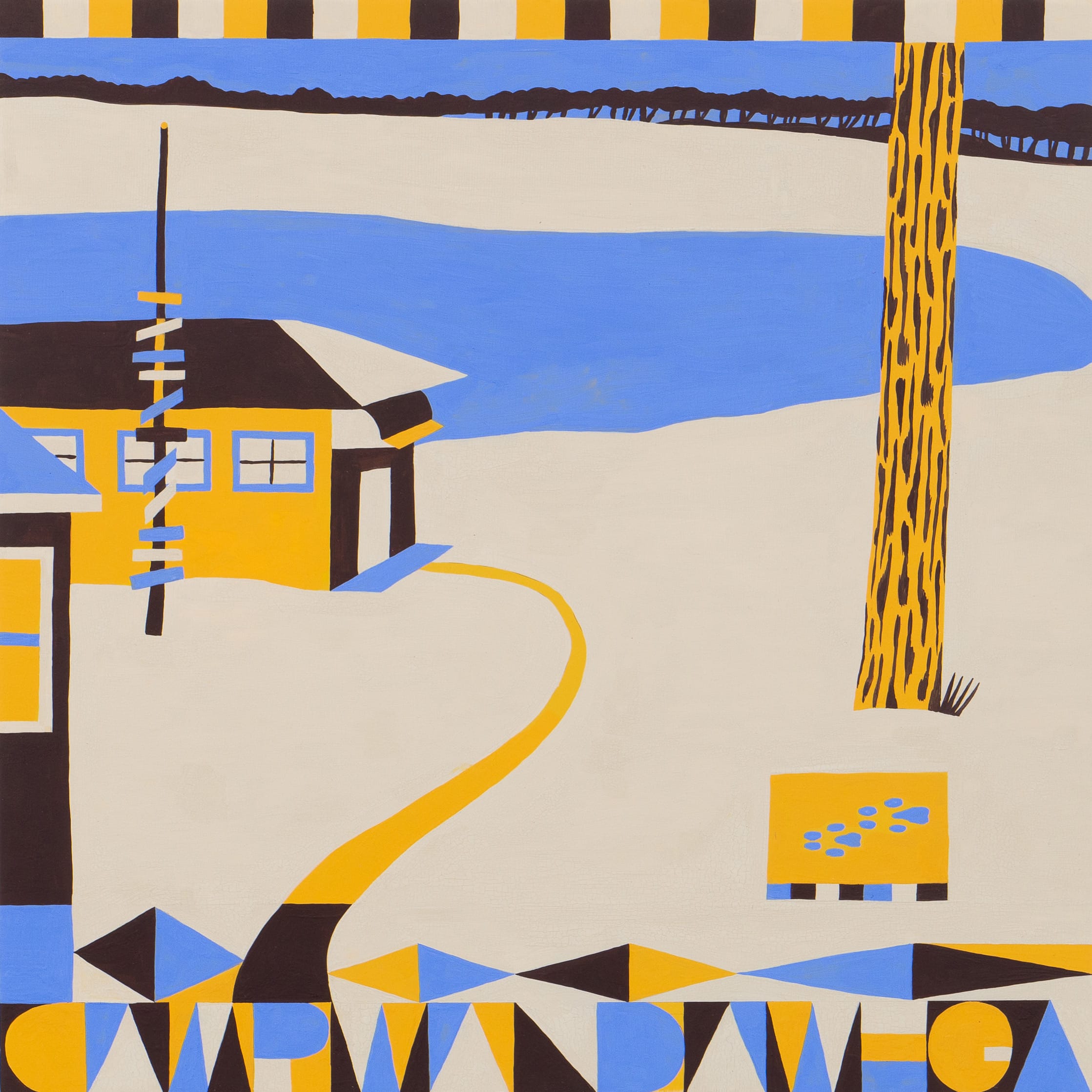
The destination for this artistic deep-freeze was the historic, deeply picturesque Camp Wandawega, situated just a short drive north of Chicago in Elkhorn, Wisconsin. The artists who made the intrepid journey north to brave the elements were Wyatt Hersey, Melissa Lakey, Esther Pearl Watson, and Anna Valdez. Over the course of five days, this creative quartet made themselves at home among the sprawling network of rustic lodges, communal camp kitchens, and vintage bunk houses, enduring the arctic magic of the grounds with nothing more than a few superficial touches of frostbite.
Steeped in a rich and colorful history dating back more than a century, the sprawling grounds of Camp Wandawega carry a distinct aura of vintage Americana. Originally operating as a clandestine Prohibition-era speakeasy and brothel during the turbulent 1920s, the property eventually transitioned into a traditional summer camp managed by the Latvian Catholic church. Today, it functions as a singular, highly curated retreat that retains all the quintessential charm, character, and physical hallmarks of a classic American sleepaway camp. It stands as a physical time capsule, evoking an era of endless outdoor communion, analog entertainment, and communal play that feels increasingly rare and desperately missed in today’s hyper-digitized modern age.
Encased in a thick, shimmering blanket of February ice, the artists spent their days exploring every frosted meadow, winding trail, and weathered outbuilding across the property on daily hikes, wrapped heavily in layers of warm clothing and nostalgic atmosphere. Amidst the freezing temperatures and snow-laden pines, the group quickly found their creative anchor inside a cozy, brightly painted attic storage room affectionately dubbed the Department of Objects. Also referred to by the shivering residents as "the warmest space we can reasonably be expected to work," this evocative attic space acts as an extraordinary, sprawling lending library filled to the brim with decades of cultural detritus.
The room is stacked high with crumbling vintage magazines, weathered fishing lures, endless bolts of plaid fabric, dusty forgotten hardbound books, collectible patches, and all manner of camp ephemera accumulated from generations past. Serving as a genuine, bottomless treasure trove of visual inspiration, this atmospheric archive became the primary studio space for the residency. Countless hours of intense painting, sketching, and observational drawing took place within its walls, directly channeling the rustic artifacts of the past into the contemporary works that now comprise a brand-new, highly anticipated exhibition.
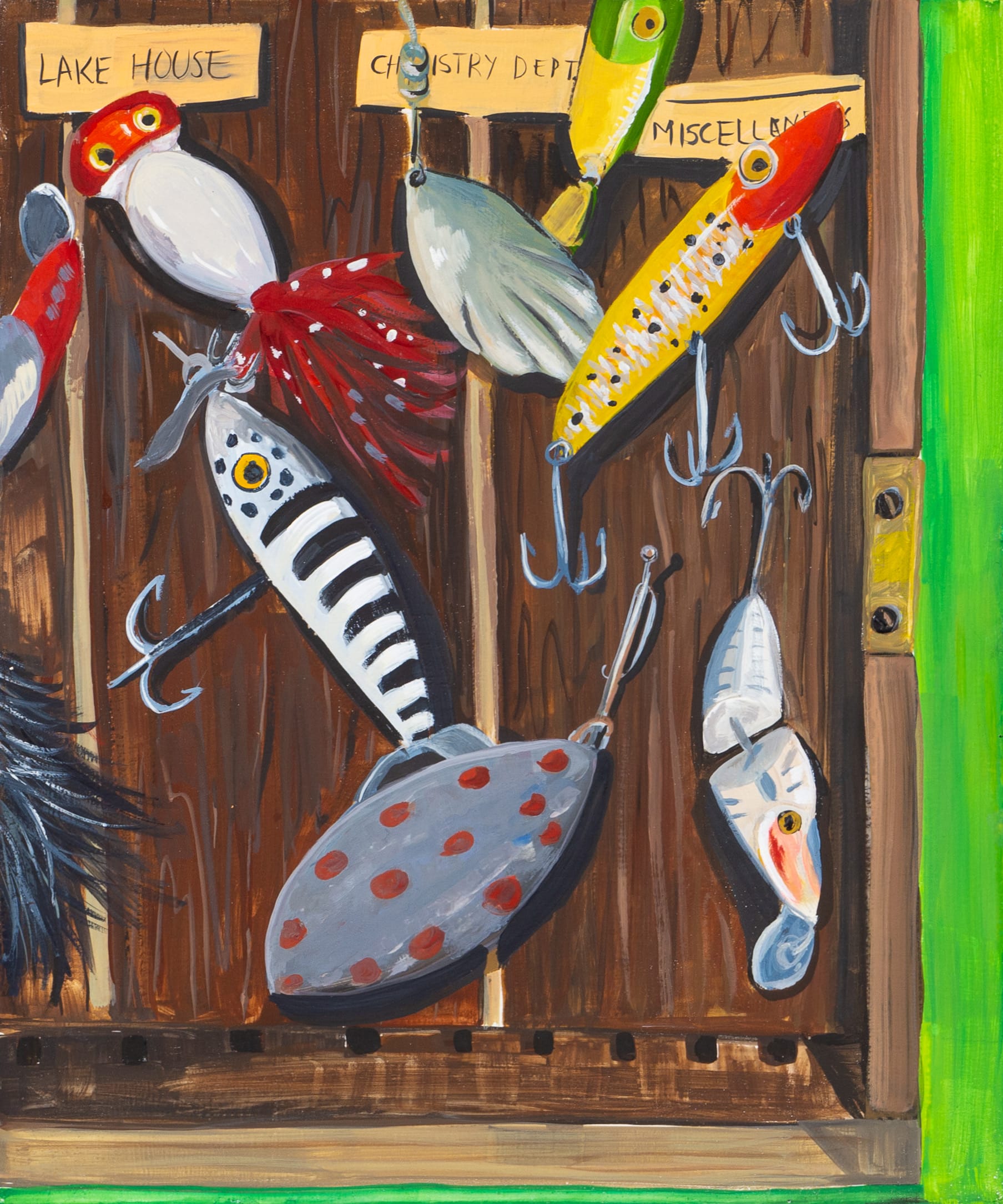
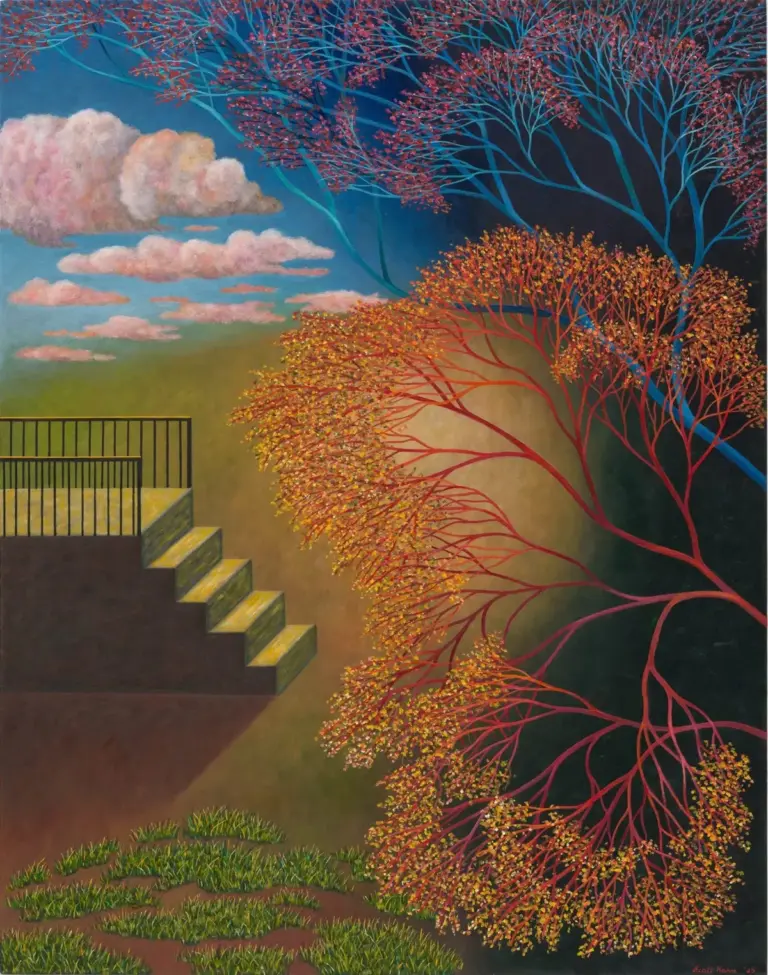
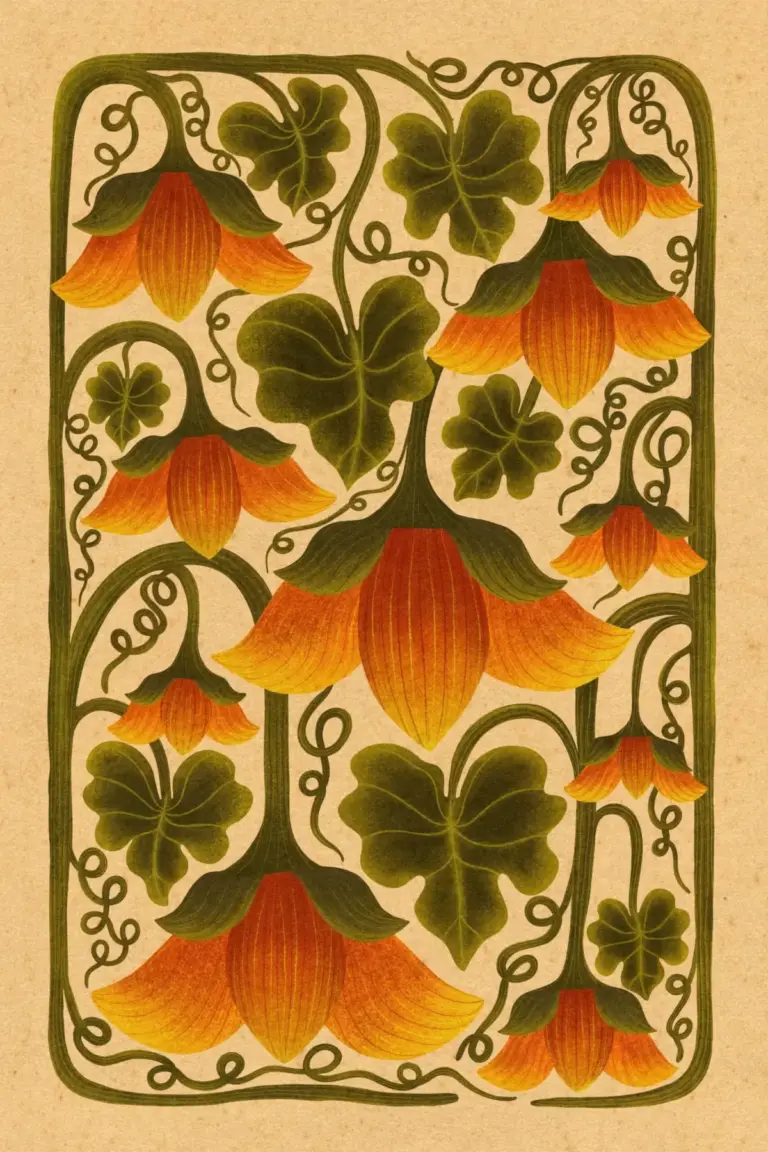
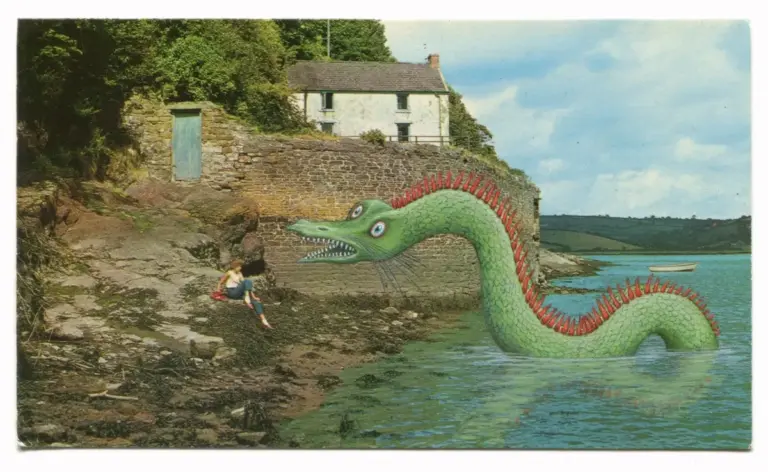
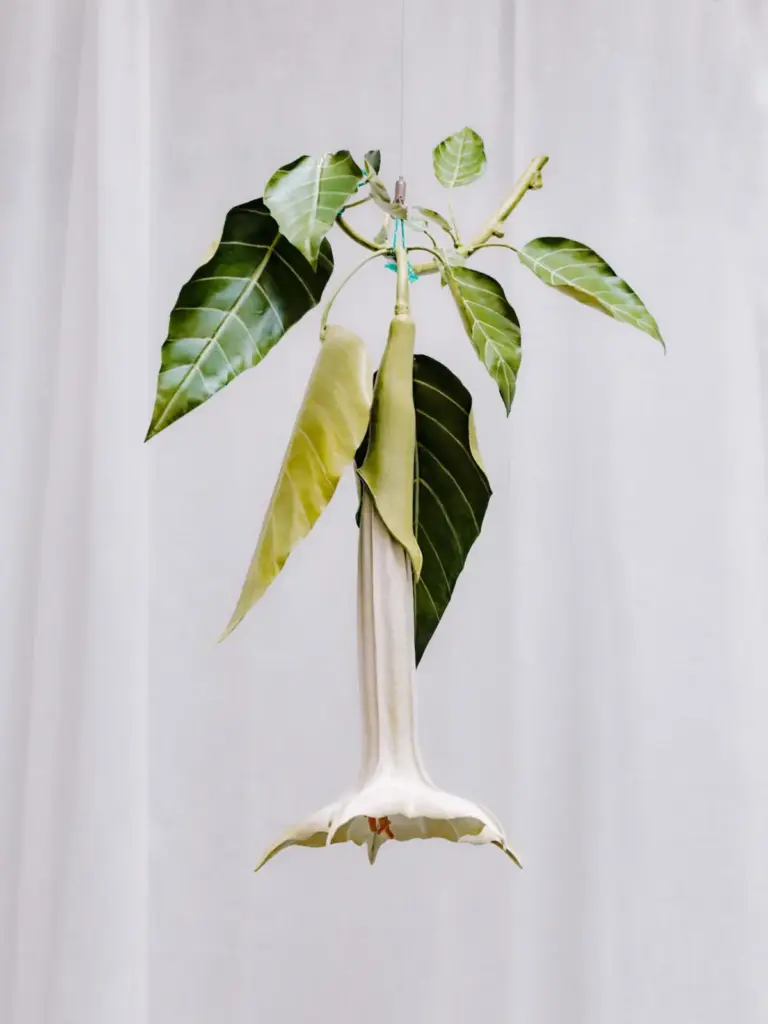
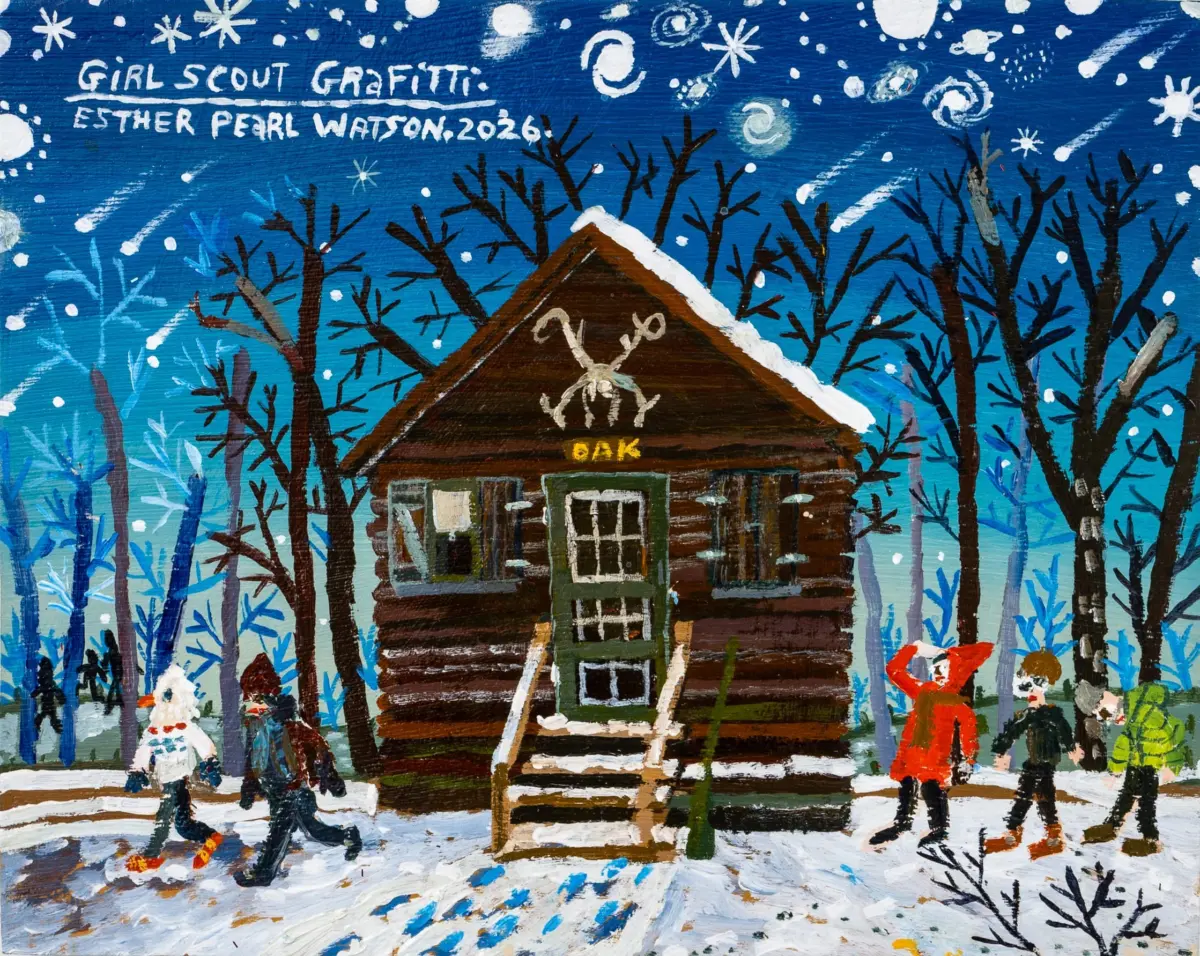
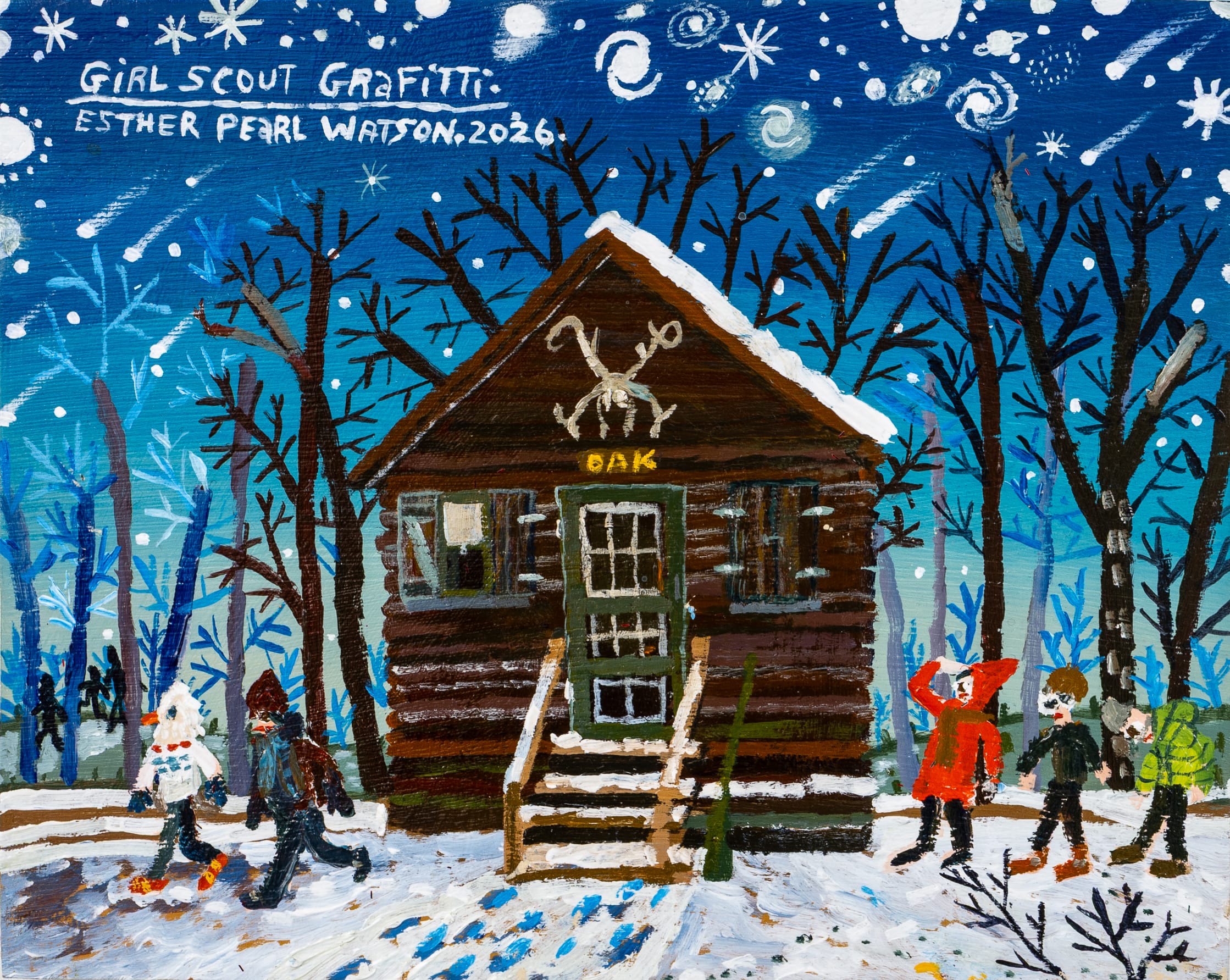
The fruits of this freezing Midwestern excursion have been gathered into a cohesive exhibition titled The Department of Objects, featuring the distinct perspectives of all four participating artists through various mediums like gouache and acrylic on wood panels. Art enthusiasts, collectors, and supporters eager to view the collection firsthand can RSVP for the official opening reception, scheduled for October 23 from 6 to 8 p.m., or sign up in advance for the exclusive collector preview. All four artists are slated to be present at the opening event to share stories of their unforgettable, sub-zero Wisconsin adventure.