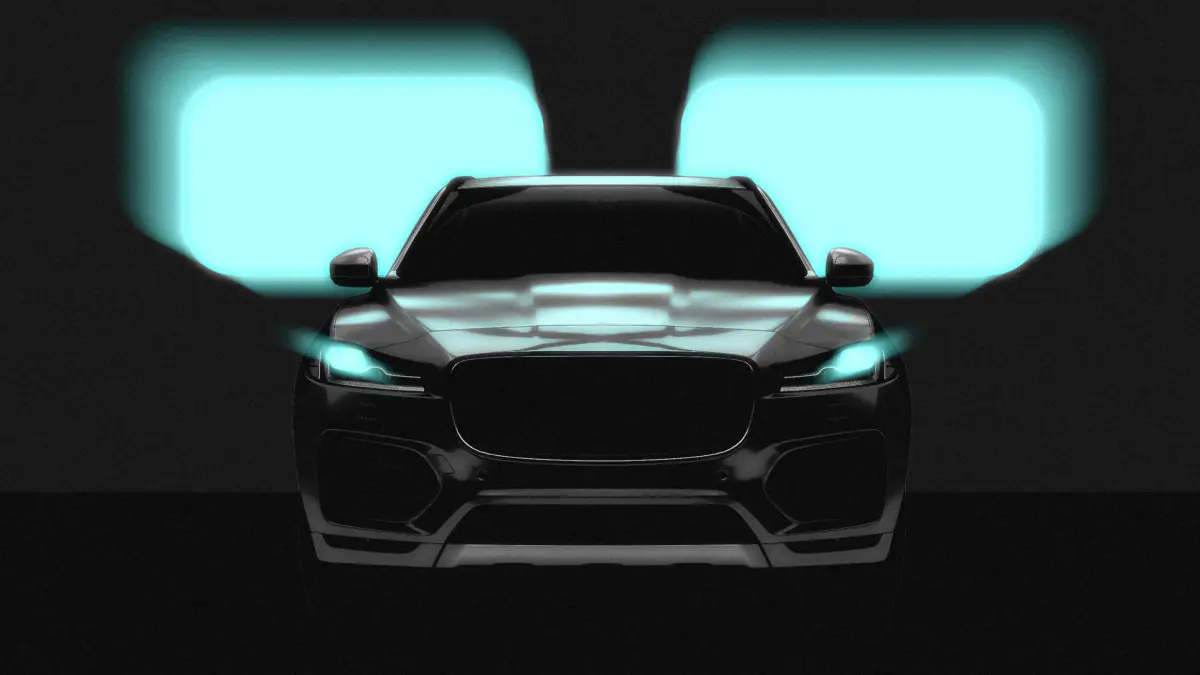
Robotaxis and other self-driving vehicles could soon be required to feature distinct cyan-colored exterior lights, a move designed to clearly signal to motorists, pedestrians, and law enforcement when a machine, rather than a human, is operating the vehicle.
The proposal to standardize a bright blue-green hue for automated driving system marker lamps was officially announced by the Department of Transportation’s National Highway Traffic Safety Administration (NHTSA) as part of a broader package of federal automated vehicle requirements. Under the agency’s newly outlined specifications, these specialized lights would offer an immediate, unambiguous visual cue on the road, distinguishing autonomous operations from standard human-driven traffic and emergency response vehicles.
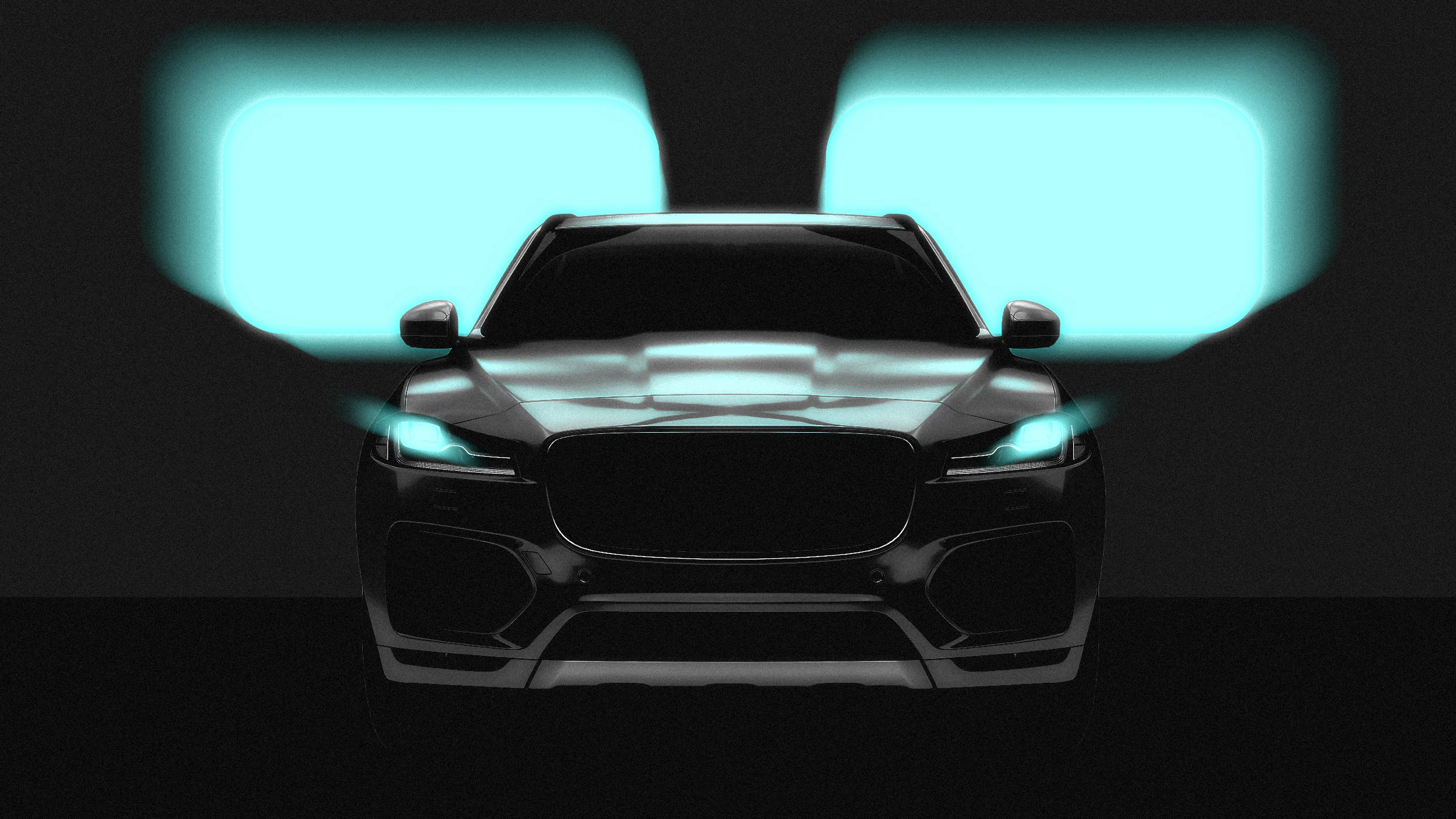
The selection of cyan is not arbitrary; it is the result of extensive industry collaboration and research. According to safety advocates and professional engineering organizations, the color was chosen primarily because it is not currently utilized for any other standard vehicular signaling purpose. Traditional vehicle lighting relies heavily on amber, red, and white, all of which carry specific legal and operational meanings—such as braking, signaling turns, or indicating reverse. Introducing a novel color ensures that the signal retains a singular, unmistakable purpose.
SAE International, a prominent aerospace and automotive professional association, played a critical role in recommending cyan for autonomous vehicles. The organization reached its conclusion after consulting broadly across the automotive ecosystem, surveying manufacturers, tier-one suppliers, independent research organizations, and human-factors experts regarding various potential light color options. Furthermore, NHTSA has ensured that the precise technical specifications for the proposed cyan hue are distinct enough to prevent any confusion with the specialized blue lights that individual states frequently reserve for law enforcement cruisers, snowplows, and towing services.
The formal proposal initiated a 30-day public comment period, inviting feedback from industry stakeholders, safety advocates, and the general public. Jonathan Morrison, the NHTSA administrator, emphasized the importance of the rulemaking in a public statement, noting that the initiative establishes clear performance standards for automated vehicle marker lamps. Morrison added that the regulation paves the way for safe innovation while establishing clear, predictable rules of the road for the rapidly expanding deployment of automated vehicles across American roadways.
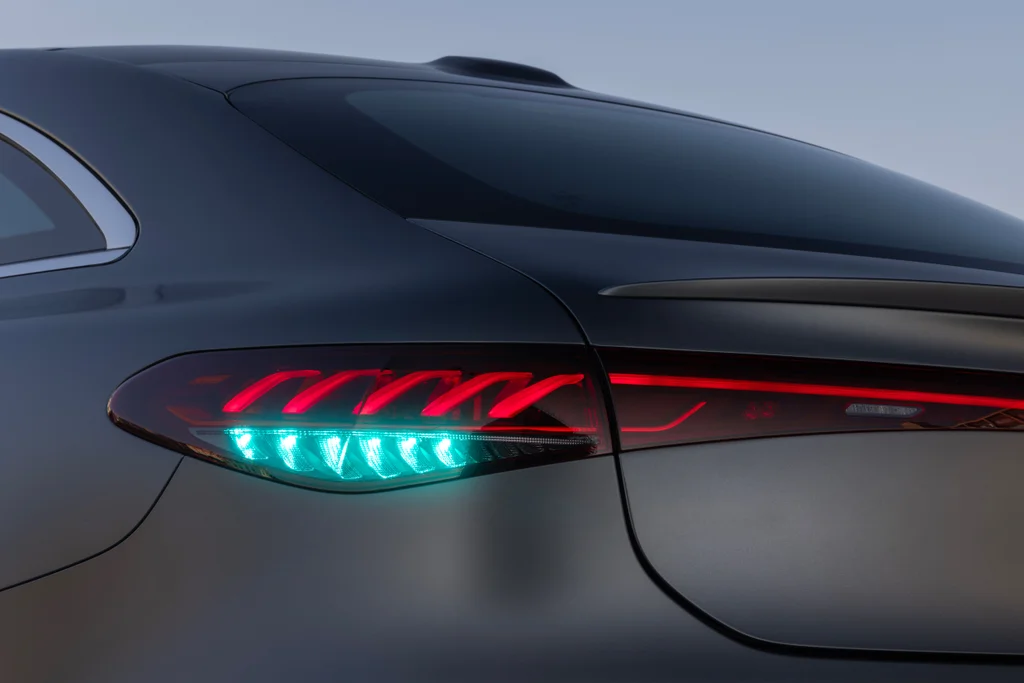
The push toward a standardized visual identifier builds upon real-world implementations already underway by pioneering automakers. Mercedes-Benz notably introduced turquoise lighting in 2023 on its flagship EQS sedan and S-Class models. These vehicles received regulatory permission that year in California and Nevada to utilize the specialized exterior lighting to indicate when the cars were actively operating under the automaker’s advanced "Drive Pilot" conditional automation mode.
Before rolling out the feature, Mercedes-Benz reported that it worked extensively with a cross-functional team of vehicle engineers, regulatory compliance managers, data protection officers, and ethics experts to select the optimal color. Subsequent testing demonstrated that teal was distinctly visible and easily distinguishable from standard ambient traffic lighting as well as emergency vehicle strobes, ensuring that surrounding drivers would not misinterpret the vehicle’s operational status.
Beyond pure functional safety and regulatory compliance, cyan offers a secondary advantage: it naturally aligns with the aesthetic language of modern technology. The bright blue-green hue is frequently employed in science fiction cinema to denote advanced computing and futuristic interfaces, famously appearing in films such as Disney’s 2010 feature Tron: Legacy.
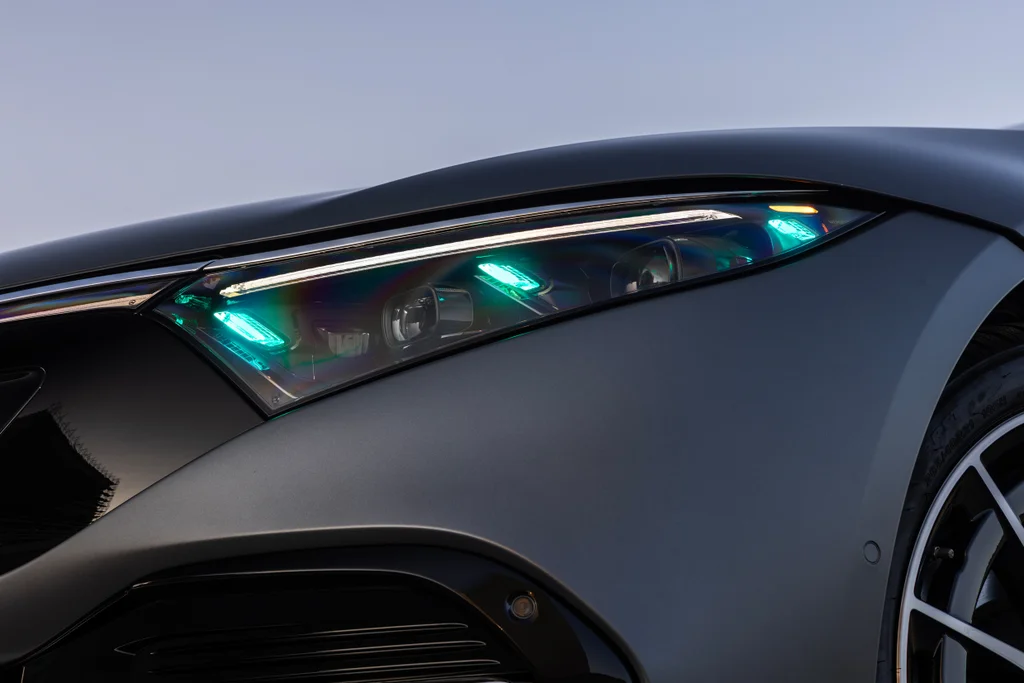
When motorists observe turquoise indicator lights glowing on the exterior mirrors, front fascia, and rear panels of a modern luxury vehicle, or spot cyan marker lamps illuminating the body of a specialized robotaxi, the visual instantly communicates technology and autonomy in action. For motorists living and commuting in metropolitan regions where autonomous vehicles are already undergoing extensive real-world road testing, the sight of these distinctive lights is quickly becoming a familiar part of the daily driving environment, signaling a transition toward a new era of transportation.