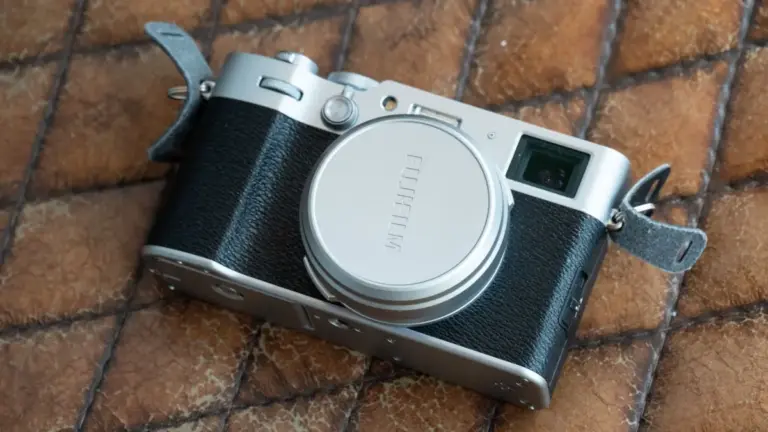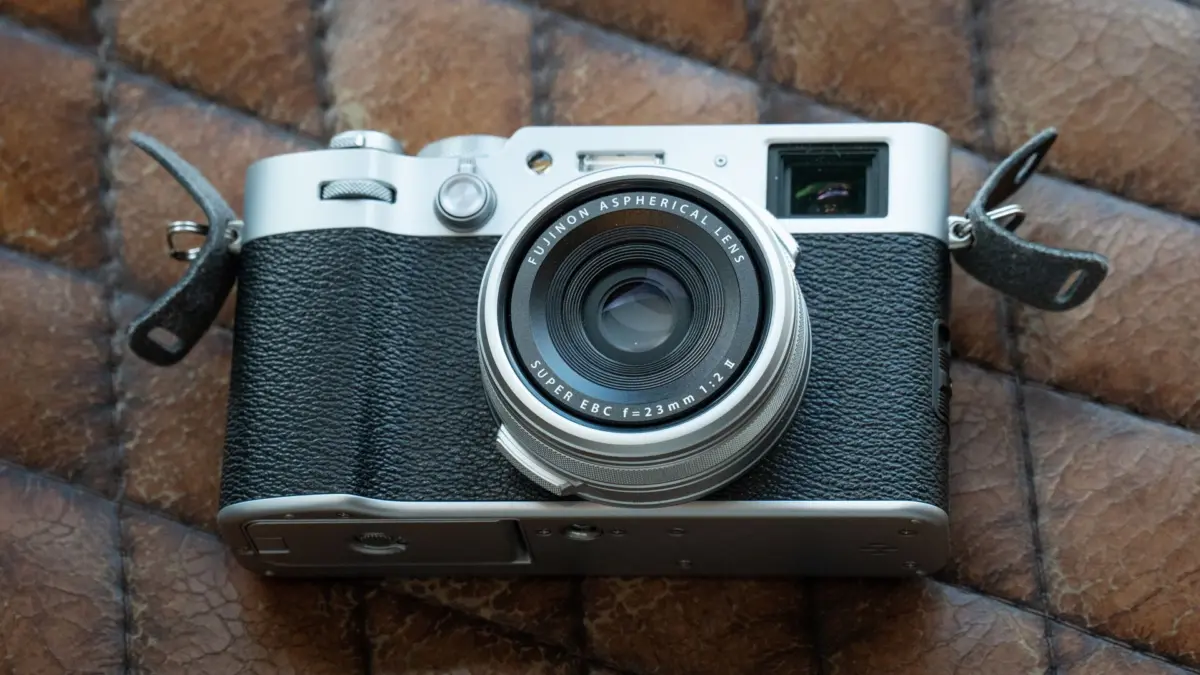
For photographers deeply embedded in the Fujifilm ecosystem, the appeal of the viral X100VI compact camera extends far beyond its heavily publicized supply shortages and compact form factor. While its small physical footprint and fixed-lens charm have made it a coveted accessory for street and travel shooters alike, one of its most compelling attributes lies hidden inside its retro-styled exterior: an unusual, highly specialized viewfinder that seamlessly bridges the gap between analog heritage and digital convenience.
The Fujifilm X100VI utilizes a sophisticated hybrid viewfinder design, allowing users to switch fluidly between a traditional optical viewfinder (OVF) and a modern electronic viewfinder (EVF). This dual-nature optical system, which first debuted with the very inception of the pioneering X100 series more than a decade ago, remains an iconic cornerstone of the lineup’s vintage aesthetic. Yet, despite its enduring popularity and practical advantages, this signature piece of engineering has rarely crossed over into Fujifilm’s broader interchangeable-lens mirrorless camera family.
For the most part, the hybrid viewfinder has been largely quarantined to a single distinct lineage: the X-Pro series. Cameras like the critically acclaimed X-Pro3 successfully incorporated the hybrid system into a body designed for swappable lenses, proving that the technology could transcend its fixed-lens origins. However, with the X-Pro3 now discontinued and relegated to the used market, photographers looking for an interchangeable-lens camera with the same optical-electronic hybrid capabilities currently find themselves facing a design vacuum.

To understand why this feature commands such fierce loyalty among certain photographers, it helps to examine the inherent strengths and weaknesses of both viewing technologies. Traditional optical viewfinders offer a pure, lag-free look at the world, allowing the photographer to see outside the strict framing of the lens and anticipate action entering the scene. Electronic viewfinders, meanwhile, revolutionized digital photography by offering real-time exposure previews, accurate white balance adjustments, and deep menu overlays, letting creators see precisely how the final image will look before pressing the shutter.
The Fujifilm hybrid design offers the best of both worlds by letting users toggle between the two modes, or even utilize an electronic rangefinder mode that projects a small EVF window directly into the corner of the optical viewfinder.
For many creators, the transition from legacy digital single-lens reflex cameras to mirrorless systems brought an immediate appreciation for the exposure accuracy of electronic viewfinders. Yet, specific photographic disciplines continue to expose the limitations of pure EVF systems. When working extensively with studio strokes or off-camera flash, for instance, electronic viewfinders can become an impediment. Because the camera’s exposure preview attempts to reflect the ambient light conditions in real-time, shooting in a dimly lit studio while exposing for a powerful flash burst results in a profoundly darkened, nearly unusable preview image on an EVF.
To bypass this frustrating blacked-out preview, photographers often have to dive into their menu settings to manually disable the exposure simulation feature. In those precise scenarios, the appeal of a traditional, bright optical viewfinder—where ambient illumination remains unaffected by camera settings—becomes glaringly obvious. The hybrid viewfinder solves this dilemma elegantly, offering the choice of a pure optical view when working with flash or fast-moving street environments, and an electronic view when nailing critical exposure and color balance is paramount.

Industry observers and camera technicians frequently point to several technical hurdles as the primary reasons the hybrid design has not proliferated across mainstream mirrorless bodies. Integrating a complex optical window alongside modern sensor technology and auto-focus mechanisms introduces significant engineering and calibration challenges. Furthermore, the rapid evolution of modern camera technology heavily relies on electronic viewfinders to power advanced computational features. Sophisticated capabilities such as real-time eye detection, complex subject-tracking autofocus algorithms, and high-speed continuous tracking require the continuous data feed of an EVF to function effectively.
Adapting those advanced digital overlays to align accurately with a mechanical optical frame across a wide variety of interchangeable focal lengths requires intricate glass optics and precise mechanical linkages. Doing so on a compact, fixed-lens camera like the X100 series is challenging enough; scaling that mechanism reliably across an entire lineup of diverse, weather-sealed, interchangeable-lens bodies represents a monumental design hurdle. Nevertheless, the existence of the X-Pro3 demonstrated that these engineering challenges are not insurmountable.
The desire for this specific viewing experience has only grown sharper amid broader industry shifts. The contemporary camera market has witnessed a notable resurgence in interest surrounding minimalist digital photography, including the rising popularity of screen-free compact cameras that rely exclusively on traditional optical viewfinders while actively omitting rear LCD screens to encourage a more mindful, distraction-free shooting process.
For photographers who prefer the tactile, film-like physical dials and classic handling of Fujifilm’s interchangeable-lens mirrorless bodies, the lack of a hybrid viewfinder option creates a persistent dilemma. While pairing a standard mirrorless body with a compact "pancake" lens can successfully mimic the portability of the X100 series, current alternatives within the lineup—such as the X-E series—fail to deliver that signature dual-nature viewfinder experience.

For now, photographers who prize the tactile immediacy of an optical frame alongside the precision of modern electronics are left weighing the premium prices of hard-to-find legacy models or making compromises in their daily kit. Whether Fujifilm will eventually revisit the concept for a future generation of interchangeable-lens cameras remains an open question, leaving the hybrid viewfinder as one of the most uniquely beloved yet sparingly deployed innovations in modern digital camera design.