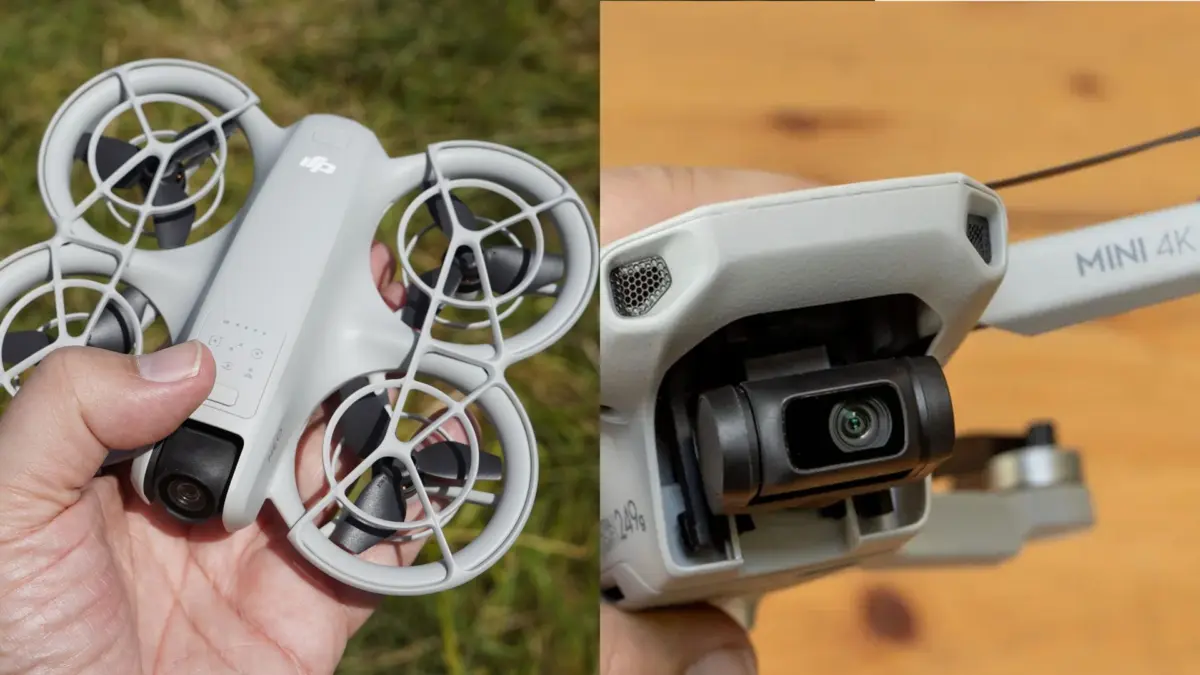
In an unexpected move that has delighted aerial photography enthusiasts and drone hobbyists alike, technology giant DJI has released a fresh wave of firmware updates for several older and previously discontinued drone models. The latest round of software patches includes updates for long-serving favorites such as the DJI Mini 3 Pro, the classic DJI Mini 2, and the Mavic Air 2, proving that the manufacturer has not entirely closed the chapter on legacy hardware.
The rollout comes as a welcome relief to owners who had assumed their devices had reached the end of their operational lifespans. With the company now several generations ahead—having introduced advanced iterations like the Mini 5 Pro—many in the consumer tech community believed older hardware would be quietly phased out without further support. Instead, DJI’s continued attention to these past-generation devices highlights a commitment to maintaining its extensive installed base, offering a reassuring signal to consumers navigating a shifting marketplace.

The decision carries particular significance for the American market, where strict regulatory pressures and import hurdles have complicated the availability of DJI’s newest hardware. With many of the company’s cutting-edge models facing administrative roadblocks at customs—driven in part by regulatory scrutiny surrounding advanced sensor technologies—domestic consumers have increasingly leaned toward reliable, tried-and-tested older models. By rolling out fresh software support, DJI ensures that users who rely on legacy drones can continue to operate their equipment safely and efficiently.
Among the notable recipients of the update is the DJI Mini 2, a device originally launched in 2020 that had gone more than three years without receiving a software update. In the fast-moving world of consumer electronics, a three-year gap typically signals the definitive end of a product’s lifecycle, comparable to using a smartphone from the same era for daily photography. Yet, despite its age, the Mini 2 remains a cornerstone of the sub-249g portable drone market. When it debuted, it redefined expectations by packing 4K video recording, RAW photo capabilities, and a reliable transmission range into an ultra-lightweight frame, establishing a benchmark that later paved the way for successors like the Mini 2 SE, the Mini 4K, and the Lito 1.
While the Mini 2’s 12-megapixel sensor and foundational features once represented the pinnacle of compact aerial imaging, DJI’s consumer lineup has since expanded dramatically. Today, the manufacturer’s sub-249g portfolio stretches all the way to the Mini 5 Pro, which boasts a sophisticated 50-megapixel camera, a significantly larger one-inch sensor, 4K slow-motion capabilities, advanced artificial intelligence subject-tracking, and sophisticated obstacle sensing and avoidance technology. Similarly, the Mavic Air 2 and the Air 2S—both of which have seen their last official firmware changes in recent years—have long since been superseded by newer platforms like the Air 3S and the flagship Mavic Pro series.
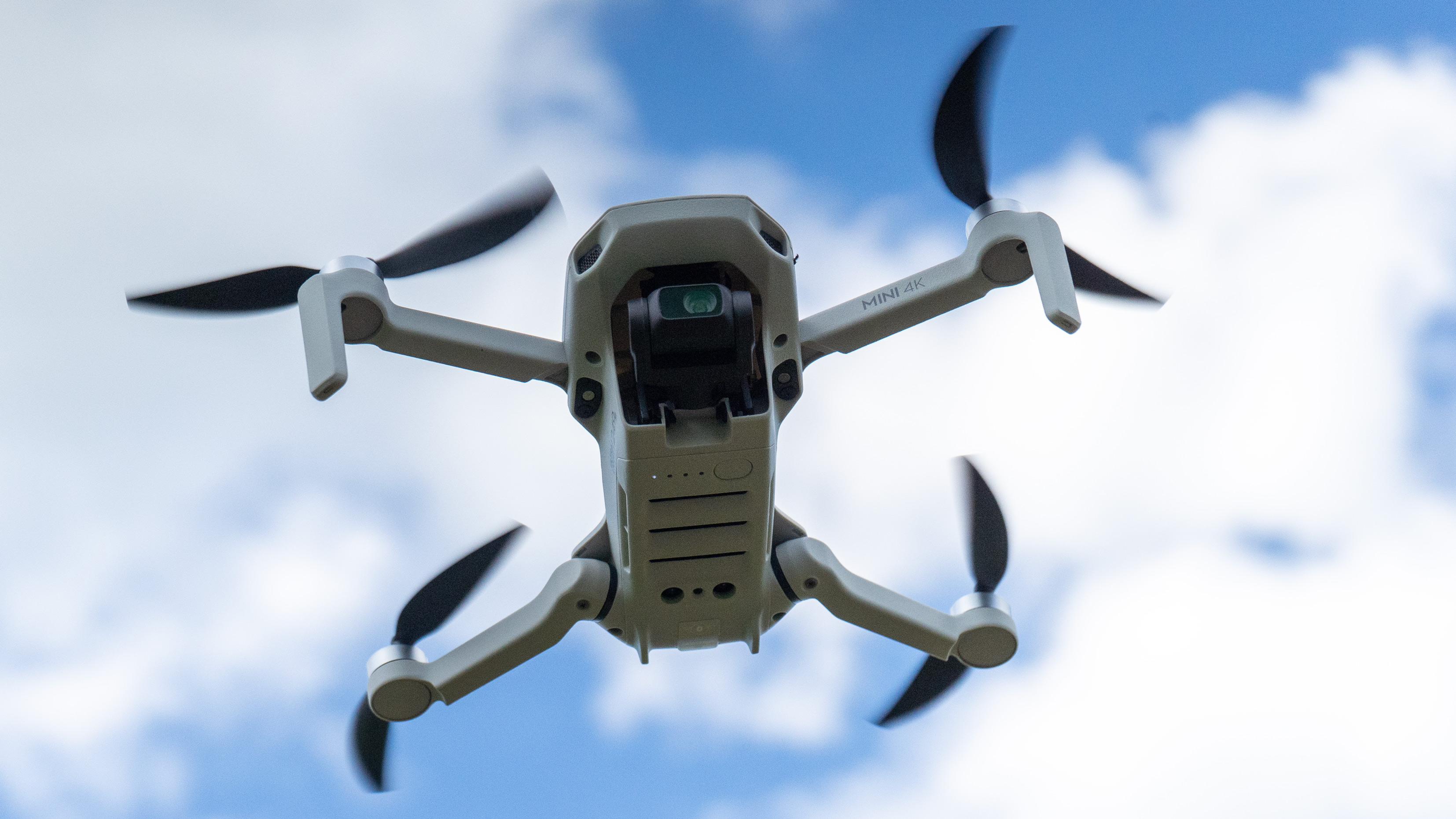
Industry analysts suggest that the sudden deployment of new firmware across these legacy devices likely stems from a dual necessity: addressing known software vulnerabilities and ensuring ongoing compatibility with rapidly evolving mobile operating systems. As Apple and Android regularly update their software environments, companion applications such as the DJI Fly app must also adapt, creating a cascading need to update underlying device firmware to maintain seamless communication between controllers, phones, and aircraft.
Beyond technical maintenance, the software refresh provides a substantial boost to the secondhand market. For buyers and sellers of used drones, official manufacturer support acts as a vote of confidence, preserving resale values and ensuring that older aircraft remain viable tools rather than obsolete electronics. With fresh firmware installed, confidence in purchasing a pre-owned DJI Mini 2 or Mavic Air 2 stays robust, reflected in steady demand and relatively high used market prices.
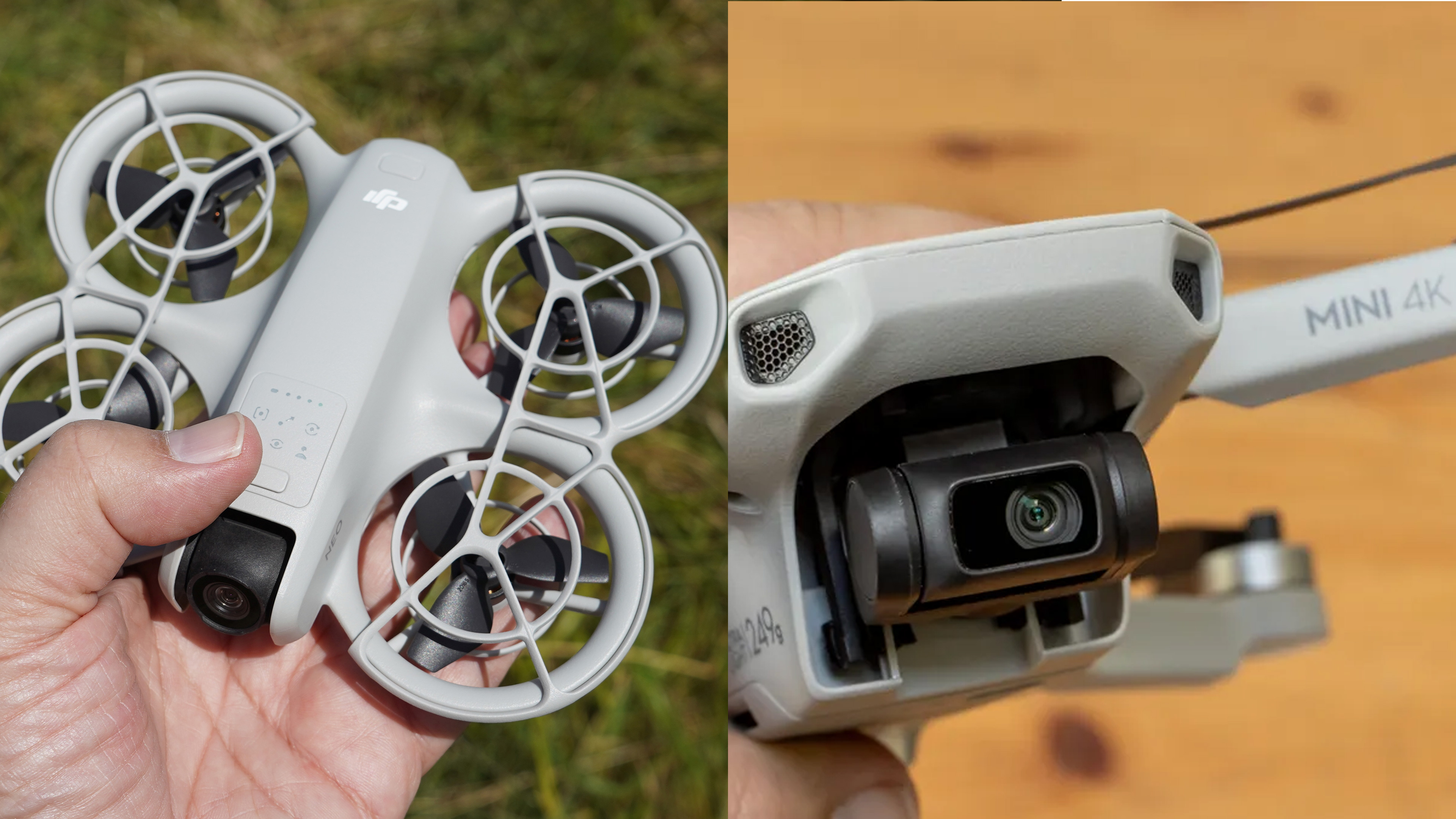
While DJI has not detailed exhaustive change logs for every legacy update—often categorizing the adjustments simply as fixes for "known issues"—the updates follow a familiar pattern of behind-the-scenes polish and stability improvements. Historically, the company has occasionally used firmware rollouts to introduce entirely new features to existing hardware, such as vertical video integration for newer models like the Neo. However, for older platforms, the primary focus remains on bug mitigation, system stability, and safeguarding app compatibility.
The update process itself is designed to be straightforward for users. Delivered automatically through the DJI Fly application, the installation requires only a few minutes before prompting a device restart. Experienced pilots recommend performing these updates in a controlled indoor environment with a stable internet connection, avoiding the common pitfall of attempting firmware installations out in the field where network drops can disrupt the process.
The recent software distribution is not restricted solely to older aircraft. DJI has simultaneously rolled out updates for its most advanced contemporary consumer offerings, including the Mini 5 Pro, the Air 3S, and the Mavic 4 Pro. Like their older counterparts, these high-end devices have received targeted patches aimed at resolving known software quirks, ensuring that performance remains optimized across the board. These updates have deployed globally, reaching users in regions facing strict regulatory scrutiny, including the United States, where advanced collision-avoidance systems and LiDAR sensors have faced heightened review by regulatory bodies such as the Federal Communications Commission.
In addition to aircraft updates, DJI has extended its maintenance cycle to hardware accessories, issuing recent software packages for several of the company’s remote controllers equipped with built-in screens, including the DJI RC, RC 2, and RC Pro 2.

For the broader community of aerial photographers, the continuation of support for discontinued models serves as a reminder of the enduring utility of well-engineered hardware. Even as rapid technological advancements introduce higher-resolution sensors, smarter obstacle avoidance, and more capable flight algorithms, the latest round of firmware ensures that pilots flying earlier generations of drones can continue capturing stable, reliable footage from the skies.