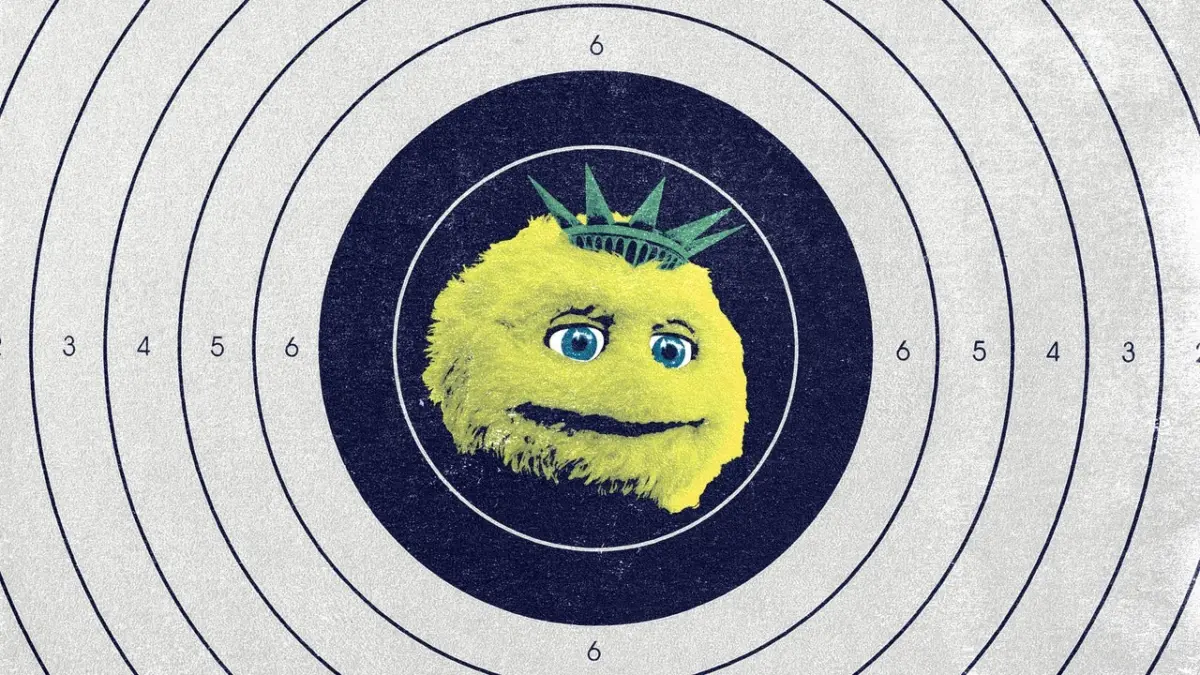
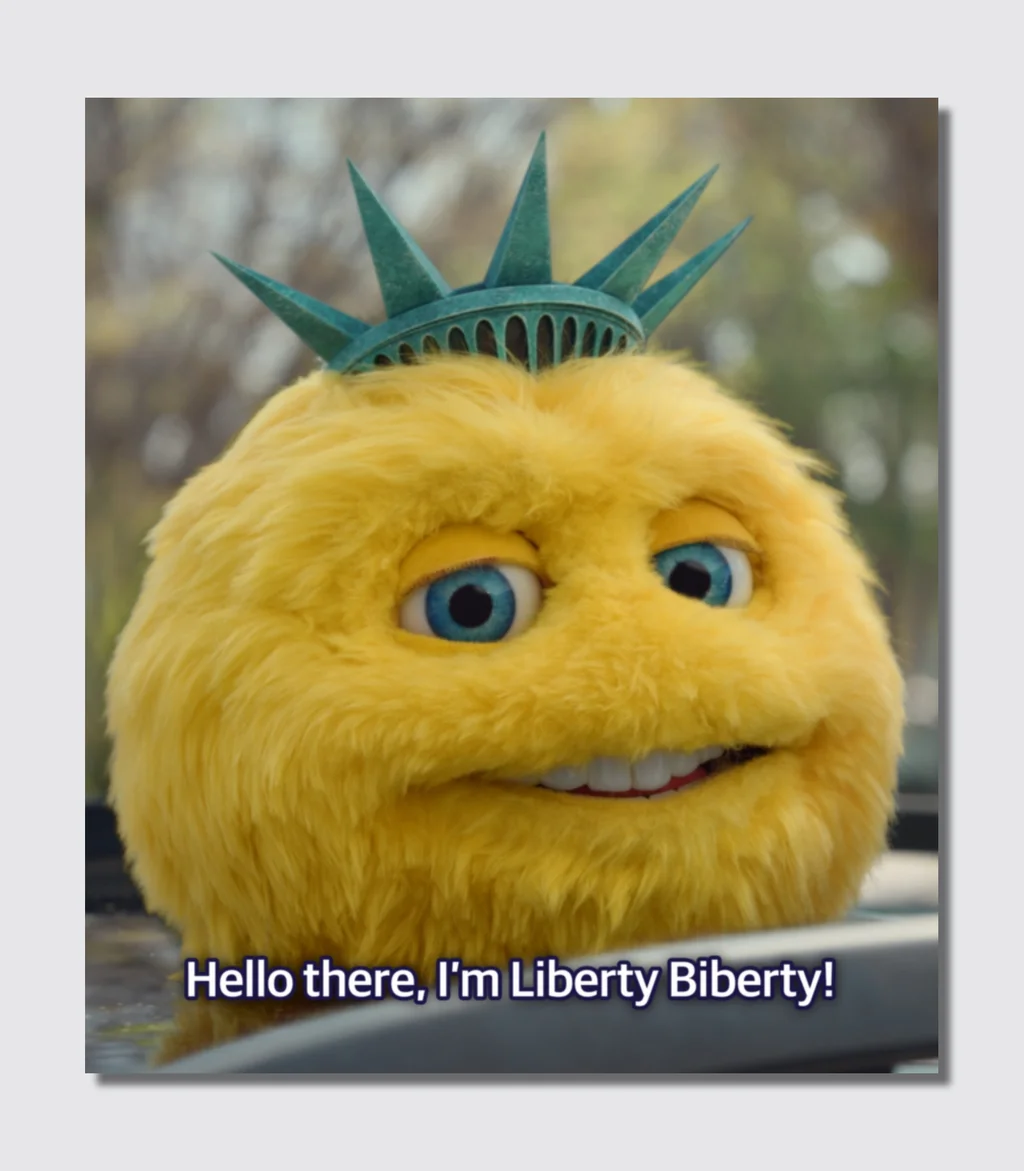
On a brisk autumn morning on October 25, the streets outside Liberty Mutual’s Boston headquarters transformed into a theater of corporate satire. A crowd of protestors gathered beneath the corporate windows, hoisting signs, chanting slogans through megaphones, and demanding the swift removal of the company’s newest marketing creation. Their explicit target was Liberty Biberty, a fluffy, yellow, orb-like mascot equipped with piercing blue eyes, uncannily human teeth, and a complete absence of a nose.
The demonstration featured an array of biting placards capturing the internet’s widespread disdain for the character. Signs read "May Biberty have no mercy," "Liberty from Biberty," and "If you give me Biberty, give me death." While these theatrical sentiments might seem extreme for an insurance promotional campaign, they represent only the physical manifestation of a digital backlash that has been actively brewing online for months.
Liberty Mutual officially unveiled Liberty Biberty in late July through a coordinated rollout featuring a series of six distinct commercials. Designed as a creature that is a little bit too obsessed with the intricacies of insurance, the character quickly mutated into the internet’s collective common enemy. Across social media platforms, users have targeted the mascot for what many perceive as a jarring combination of being generally unfunny and inherently unsettling.
Yet, despite the torrent of online mockery and the physical protest staged on the pavement in Boston, this unprecedented wave of negative attention is driving a massive volume of eyeballs toward Liberty Mutual. According to Jenna Lebel, the Chief Marketing Officer of U.S. retail markets at Liberty Mutual, the controversial mascot has proven to be a resounding success on paper thus far.
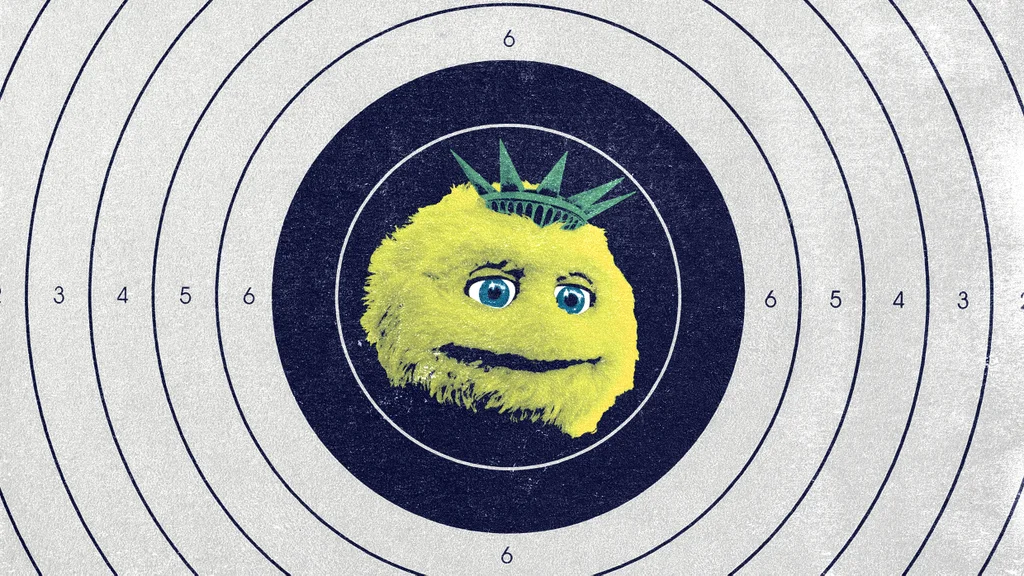
Corporate marketing strategies often operate under the philosophy that any engagement is good engagement, and leadership at the insurance giant appears to be leaning into this reality. While consumers across the digital landscape treat the mascot as a meme-worthy villain, corporate metrics tell a different story regarding brand visibility and audience penetration.
"We’ve been encouraged by the early results, including independent testing that shows Biberty performing above average on attention and brand attribution," Lebel explains, acknowledging the dual nature of the public’s response. At the same time, she notes that the company maintains a posture of active observation, stating that they are always listening to consumers and paying close attention to how everyday audiences engage with the broader brand ecosystem.
Why insurance companies need mascots
In the undeniably bland and crowded insurance industry, utilizing mascots has long been a common strategic tool for building brand affinity and cutting through the noise to stand out from competitors. Insurance providers deal in abstract, often unexciting financial products that consumers typically prefer not to think about until an emergency occurs. To bridge this gap, marketing departments frequently turn to memorable characters to humanize their corporations and foster a sense of familiarity.
Across the broader modern commercial landscape, mascots have experienced a massive resurgence. From major sports teams and traditional candy companies to high-profile initiatives in Big Tech, organizations across diverse sectors seem desperate to secure an anthropomorphic brand symbol that can capture public attention. In the insurance world, however, relying on quirky, memorable, and sometimes divisive characters is an established tradition rather than a new experiment.
For Liberty Mutual, the introduction of Liberty Biberty represents a high-stakes gamble in the ongoing battle for consumer attention. The central conundrum facing the company now is a classic modern marketing dilemma: What happens when a brand symbol becomes mega-famous, capturing hundreds of millions of views, but does so for all the wrong reasons?
The protest in Boston and the relentless stream of online ridicule highlight the thin line between effective brand disruption and alienating the very audience a company aims to win over. As the campaign continues to run and independent tests indicate high levels of brand attribution, Liberty Mutual must navigate the fallout of creating a mascot that people love to hate. Whether Liberty Biberty ultimately translates from viral infamy into long-term customer loyalty remains to be seen, but the character has undeniably secured a permanent, if controversial, place in the ongoing history of corporate advertising.