The global design landscape is experiencing a rich period of reflection, documentation, and critique, captured through a new wave of publications exploring everything from the cultural impact of a single chair to the architectural metamorphosis of major capital cities. Across South Korea, Australia, France, Mexico, Senegal, and beyond, publishers, editors, and creators are releasing works that examine how our built and designed environments shape contemporary life.

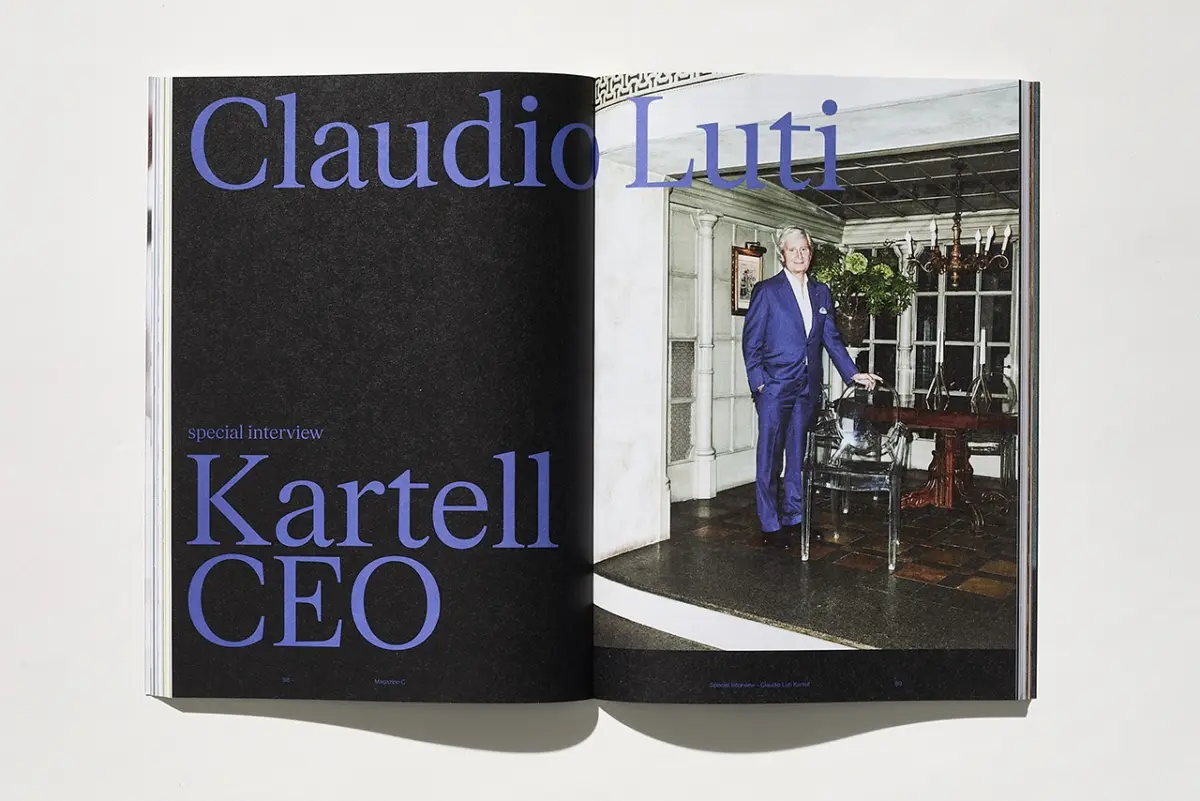
Among the standout releases is Magazine C from South Korea, created by the team behind the renowned brand-documentary publication Magazine B. Tailored specifically for furniture obsessives, this quarterly publication takes a deeply granular approach to design history, dedicating each edition to a single, iconic chair. Rather than treating furniture as mere utility, the magazine explores the people, the craft, and the rich stories behind legendary designs.

The publication kicked off its series by examining heavyweights of industrial and modern design, including Jean Prouvé’s Standard chair, Thonet’s No. 14, and the Louis Ghost chair by Philippe Starck. Compact and sleek, the physical object of the magazine itself carries a considered aesthetic, utilizing a limited palette of bright colors alongside crisp, premium photography. A familiar, neutral serif typeface, FK Roman Standard, adds a distinctive personality to the pages.

According to editor-in-chief Minjung Kim, typography plays a central role in establishing the magazine’s visual identity and editorial expression. By maintaining a unified and coherent graphic framework, the publication allows imagery of chairs and their surrounding architectural or domestic contexts to shine. Serving as a valuable contribution to design education, the magazine offers a surprisingly diverse mix of content, moving seamlessly from personal stories to lifestyle and architectural history to demonstrate that chairs can serve as a profound lens on contemporary life.

Shifting from individual pieces of furniture to the broader built environment, Sydney-based writer and curator Penny Craswell has released The New Sustainable House in Australia, functioning as a timely rallying call to action. The building industry remains one of the world’s greatest polluters, despite the fact that architects, designers, builders, and their clients now have access to more information, cutting-edge technology, and innovative materials than ever before. While the notion of designing with the environment in mind has circulated for decades, meaningful, industry-wide change has been notoriously slow.

To challenge the industry to think more critically about its environmental footprint and what is genuinely achievable, Craswell profiled 25 architect-designed homes from around the globe that stand out for their pioneering solutions. The curated selection includes diverse examples such as a single-storey mud-brick box built in the harsh Texas desert and an all-timber Swedish cabin completely free of petrochemicals. What unites these disparate projects is a shared ambition among architects and clients to minimize environmental harm without compromising on human comfort or aesthetic integrity. As Craswell notes, there is no single quick fix to sustainable architecture, but her new book provides an invaluable starting point for industry professionals and homeowners alike.

French design history also takes center stage in A Passion for Jean Prouvé: From Furniture to Architecture, a bilingual publication showcasing the works of the 20th-century French engineer, architect, and metal artisan. Drawn from the private collection of prominent gallerists Laurence and Patrick Seguin, the book is generously illustrated with archival photographs and previously unpublished drawings. It demonstrates how Prouvé was an ardent advocate for mass production and industrial manufacturing techniques long before they became standard practice.

The Seguins’ collection encompasses both lesser-known pieces, such as the 1939 Saint-Brévin table, and globally recognized icons like the Métropole chair and the 1930 Cité armchair. This extensive collection is divided between their Paris apartment and gallery space, and their estate in the south of France, where Prouvé’s modular, demountable houses are installed en plein air. According to the collectors, Prouvé’s enduring appeal lies in how his modernity prefigured many contemporary design approaches, creating a seamless and powerful dialogue between historical industrial furniture and contemporary art.

Exploring architectural traditions across the Atlantic, British publishing house Thames & Hudson has released Casa Mexicana, capturing the rich, sun-soaked concrete walls and warm wooden ceilings that define Mexico’s architectural heritage. Featuring photography by Edmund Sumner and text by London-based architecture journalist Jonathan Bell, the colourful monograph transports readers to 26 homes spread across the country. From tucked-away residences in the historic streets of Mexico City to dramatic beachside retreats in Puerto Escondido, the volume explores contemporary brutalism alongside natural textures like stone and wood that blend harmoniously into dense tropical greenery and rugged coastal landscapes.

Sumner’s photography balances sweeping vistas with intimate architectural details, while floor plans and technical drawings offer structural insight. Prominent architects such as Ludwig Godefroy and Mauricio Rocha feature prominently, illustrating the diverse ethos of Mexican design today. Whether inspiring daydreams of remote getaways or offering deep technical analysis of a dynamic architectural movement, the book serves as a vibrant visual journey into the nation’s built environment.

Urban preservation and the rapid pace of modernization form the core of Dakar, Métamorphoses d’une Capitale, a collaborative work by Senegalese authors Carole Diop and Xavier Ricou. Published by Éditions de l’Aube, the book addresses a pressing anxiety shared by many urban planners and residents: that growing cities risk losing their architectural soul when transformation happens too quickly and indiscriminately. Part portrait of the city, part manifesto for sensitive preservation, and part case study for urban planning across the African continent, the publication examines Dakar’s historical evolution from fishing villages inhabited by the Lebu people to its official founding in 1857, through the colonial era and post-independence expansion.

Using illuminating photography and cartographic evidence, the authors trace the layers of the past embedded within the modern capital. The book offers a rare opportunity to study Dakar’s modernist, neo-Sudanese, and art deco treasures, alongside the unique masterpieces of asymmetrical parallelism that helped define the city’s visual identity. The volume concludes with a comprehensive inventory cataloging 450 significant buildings, serving as both an architectural record and a defense of a heritage currently under threat.

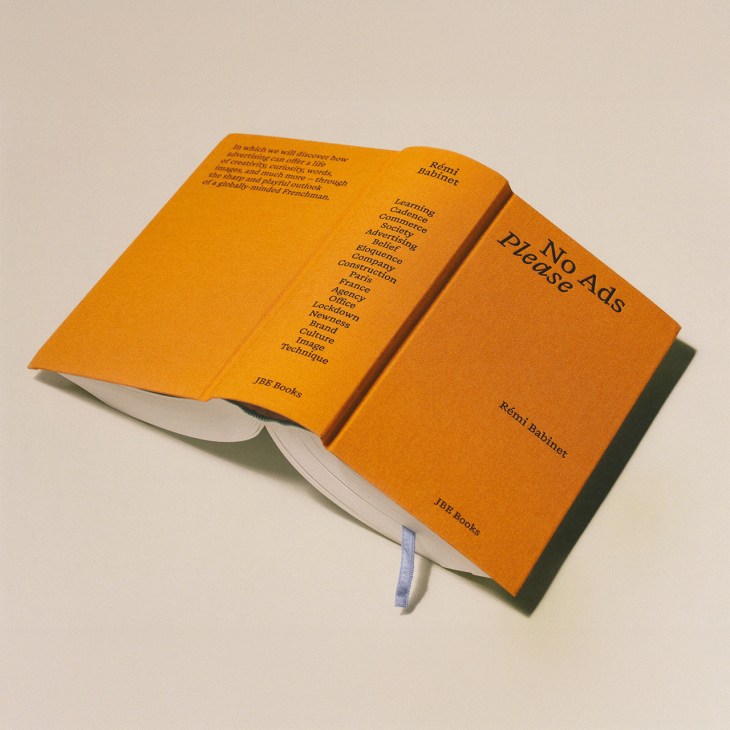
In the realm of commercial creativity, French creative director Rémi Babinet has drawn on three decades of leadership at BETC—an agency behind campaigns for global clients like Michelin and Evian—to pen No Ads Please: Advertising Stories from the Founder of the World’s Most Creative Agency. Packed with behind-the-scenes campaign stories and personal reflections, the book serves as a broader manifesto arguing that advertising holds cultural value far beyond the confines of the corporate marketing bubble.

Babinet emphasizes the importance of simplicity in a modern media landscape where consumers are constantly overwhelmed by content. He notes that clarity not only satisfies aesthetic preferences but provides a distinct strategic advantage in capturing public attention. Furthermore, he underscores that genuine creativity begins with listening rather than speaking—tuning in carefully to consumers, broader social trends, everyday culture, and human life.

Continuing the exploration of design spaces and domestic objects, The Monocle Book of Designers on Sofas invites readers into the private homes of 50 international designers and architects. Rather than viewing the sofa as just a living room staple, the publication investigates how these professionals select or design their own seating, with choices that often reflect their overarching design philosophies. Featuring thoughtful essays, original photography, and an illustrated guide covering 100 iconic settees over 125 years of design history, the book offers a comfortable and intimate look at how creative minds unwind.
Rounding out this wave of design publications is Bars Vol 01, the latest release from Sydney-based publisher Softer Volumes. The book brings together more than 50 watering holes from around the globe that treat their interior architecture and atmospheric design with as much dedication as their cocktail menus. Among the publication’s standout selections are Sydney’s Bar Besuto, an intimate Japanese whisky bar housing more than 150 rare bottles; Berlin’s Anima, a pared-back, riverside space curated for unhurried evenings; and Lisbon’s The Kissaten, a listening bar that bridges traditional Japanese audio-bar culture with contemporary Portuguese hospitality.