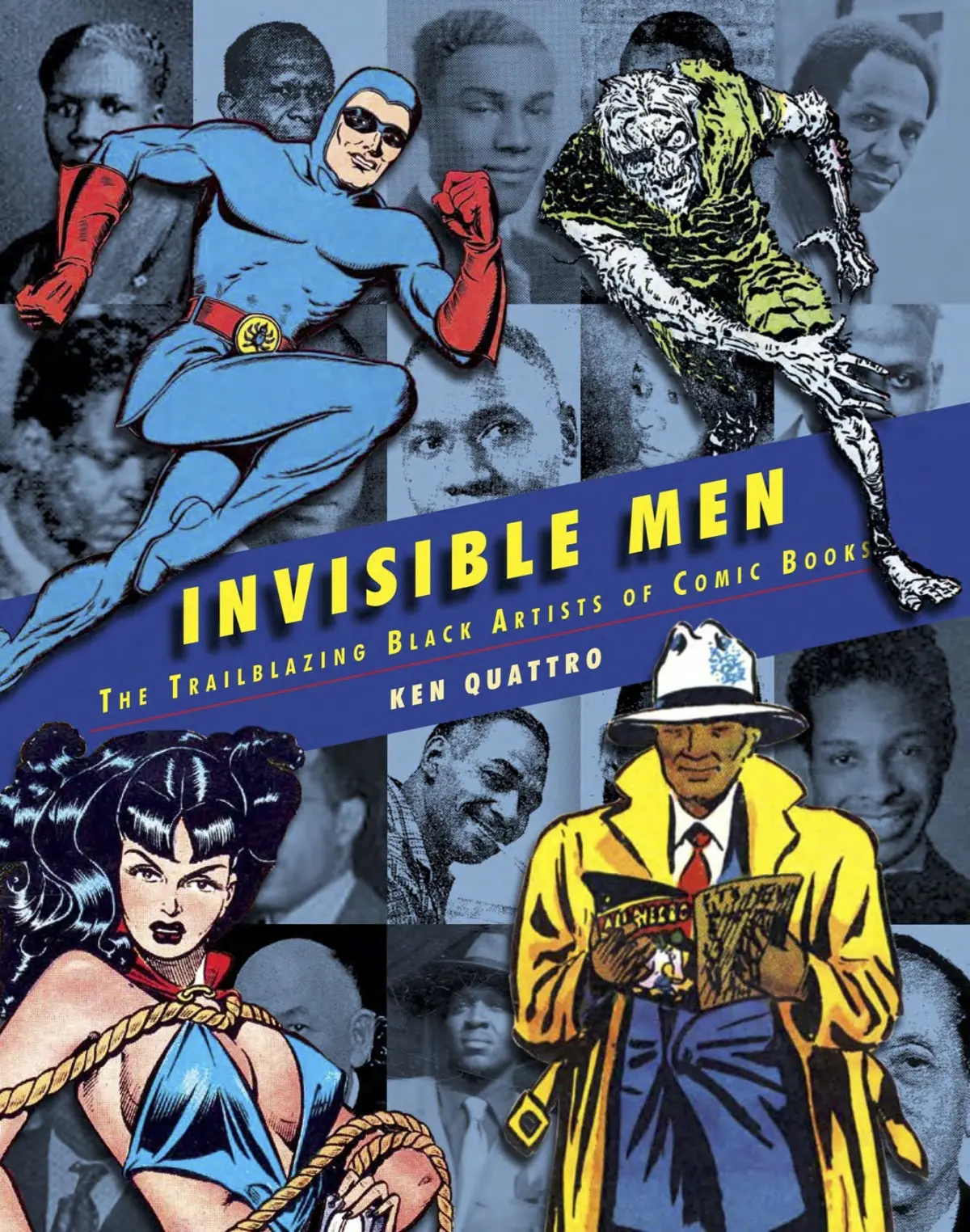
The Golden Age of comic books, spanning approximately from 1938 to 1956, is widely celebrated as a foundational era for the medium. During these decades, many iconic characters that continue to fight crime and capture imaginations today were brought to life by a generation of talented illustrators. While historians, journalists, and avid collectors have meticulously documented the art, narratives, and creators of this prolific period, a significant group of contributors has remained largely unrecognized. Author and researcher Ken Quattro has set out to correct this historical omission, introducing readers to these overlooked figures in his debut book, Invisible Men: The Trailblazing Black Artists of Comic Books, published by Yoe Books, an imprint of IDW.
Borrowing thematic elements and pluralizing the title from Ralph Ellison’s iconic 1952 novel about race, class, and identity, Invisible Man, Quattro has spent more than 15 years unearthing the forgotten stories and contributions of 18 pioneering Black comic book artists from the Golden Age. Quattro’s journey into this hidden history began serendipitously with a brief conversation about legendary Black comic artist Matt Baker. That initial exchange sent the trained journalist and short-form author down a deep investigative path, resulting in a comprehensive historical recovery project that brings long-overdue recognition to creators who worked in the shadows of the industry for the better part of a century.

During the height of the Golden Age, the comic book industry operated at a frantic pace to satisfy soaring consumer demand. To keep up with publishers requiring massive quantities of fresh content, the industry relied heavily on operations known as "comic shops." These establishments functioned much like assembly lines or factories. Publishers would contract these shops to produce complete comic books, and the shops, in turn, hired scores of freelance artists to generate pages at breakneck speeds.
As Quattro explains, the production schedule was punishing and relentless. Comics were selling in massive quantities, and publishers needed constant streams of content to fill their titles. Comic shops would bring in artists, place them at drawing tables in shared rooms, and demand the completion of a full 64-page comic book within a span of just two days.
However, systemic racial segregation and discrimination shaped the working conditions for Black artists within this ecosystem. While these creators were vital to the production process, they were typically excluded from working alongside their white peers inside the central comic shops. Instead, they were required to complete their contributions from their own homes.
This barrier meant that Black artists rarely secured direct assignments by walking into publishing houses independently. By routing their labor through intermediary comic shops, they were able to receive work and take their assignments home to complete in isolation. This structural separation played a major role in keeping their identities obscured from the broader public and subsequent generations of comic book historians.
The background of these pioneering creators often defies conventional assumptions about the industry at the time. While some artists were self-taught talents who honed their craft through sheer dedication, a surprising number of them possessed formal, classical training in the fine arts. Quattro notes that this juxtaposition often surprises modern audiences, highlighting a society where these individuals were recognized as accomplished masters of fine art in one sphere, yet treated as nearly inconsequential in another.
A prominent example of this dual reality is Elton Fox. Born in Baltimore in 1909, Fox earned his fine arts degree from Syracuse University in 1931 before entering the commercial art world. Similarly, E.C. Stoner, the talented illustrator behind the adventures of the Blue Beetle, received classical training at the prestigious Académie Julian in Paris, France. Another standout figure highlighted in Quattro’s research is Alvin Hollingsworth, whose sophisticated work represents a rare and successful bridge between commercial comic book illustration and the fine art world, with both his comic pages and his paintings remaining highly sought after by collectors today.
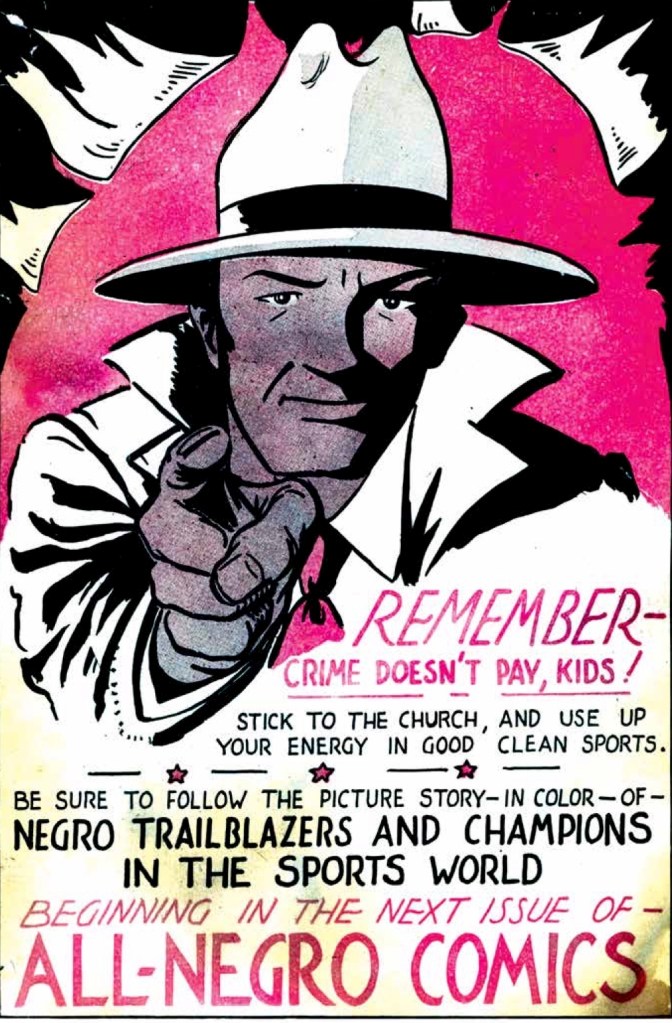
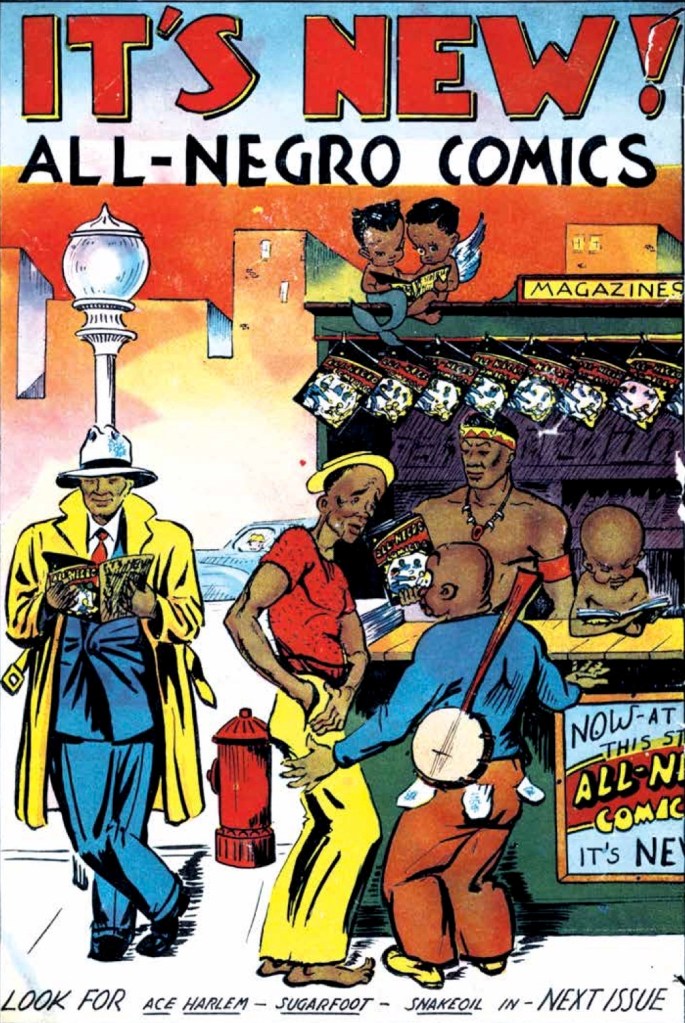
The broader business landscape of the industry was almost entirely owned and operated by white executives. A rare exception to this industry norm emerged in 1947 with the launch of All-Negro Comics, a groundbreaking publication founded by journalist, artist, and entrepreneur Orrin Cromwell Evans. Designed to showcase Black stories created by Black talent, the publication held immense promise but faced severe systemic hurdles. As Quattro details, the publication’s lifespan was cut short by institutional discrimination; when Evans attempted to secure materials for the second issue, white paper suppliers refused to sell him paper. Today, surviving original copies of the single-issue run of All-Negro Comics are treated as priceless artifacts, commanding tens of thousands of dollars among collectors regardless of their condition.
Quattro’s research also reexamines long-held historical milestones, including the common misconception that the first Black comic book superhero debuted with Marvel’s Black Panther in 1969. In Invisible Men, Quattro points to earlier milestones, such as the creation of "Voodah" by Matt Baker for Crown Comics in 1945. The character’s complex publishing history offers a stark illustration of the era’s racial limitations: while Voodah was depicted as Black within the interior story pages, publishers altered his appearance on the covers, coloring him white to ensure Southern distributors would permit the comic on newsstands, as displaying a Black character in a positive, heroic light on a cover was commercially untenable in many regions at the time.
While these trailblazing creators may never become household names to the general public, Quattro argues that they rightfully belong in the pantheon of Golden Age legends alongside their white contemporaries. Among them is Ezra Clyde Jackson, whose artistic legacy is carried forward by his daughter, a current U.S. Congressperson. Another remarkable figure is Owen Middleton, who built a successful career in comic books after completing a life sentence in prison. The roster also includes Orrin C. Evans, whose foundational publishing efforts paved the way for future generations, and E.C. Stoner, a central figure of the Harlem Renaissance whose artistic vision shaped the pages of the patriotic "Nazi-punching" Blue Beetle.
Invisible Men: The Trailblazing Black Artists of Comic Books is available through major retailers, including Amazon, though Quattro encourages enthusiasts to support independent retailers by purchasing the book at local comic book shops—and perhaps picking up a few historical titles featuring the work of Black artists along the way. Readers interested in learning more about Ken Quattro’s ongoing historical investigations and "Comics Detective" work can visit his official website at comicsdetective.com.