Navigating the used camera market is widely considered one of the smartest strategies for photographers working with a tight budget. By shopping for pre-owned equipment, enthusiasts can secure high-end features, robust build qualities, and capable sensors at a fraction of their original retail cost. Among the vintage options frequently recommended for hobbyists seeking a blend of classic aesthetics and modern utility is the 2018 Fujifilm X-T100. Boasting a retro-inspired chassis, intuitive physical dials, and Fujifilm’s celebrated suite of film simulations, the camera remains an appealing proposition for street shooters and casual creators alike.
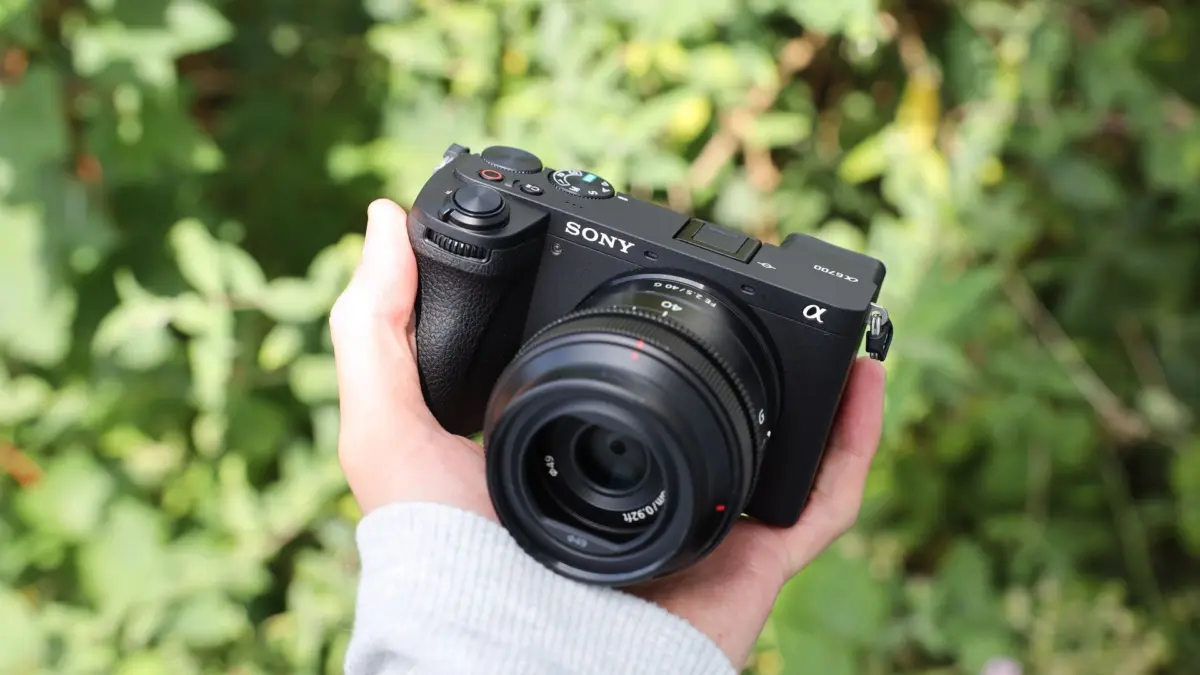
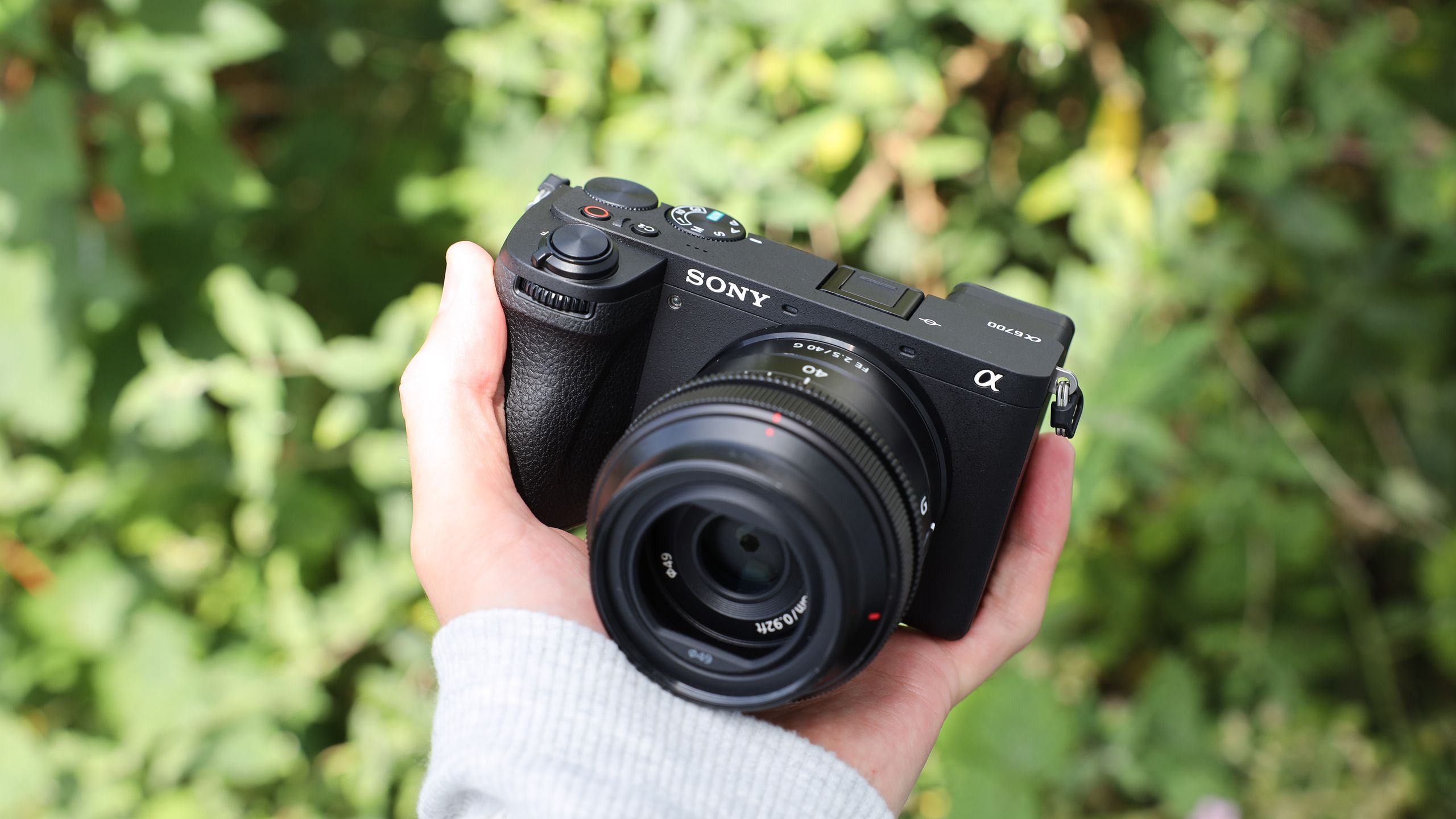
However, a closer examination of current pre-owned pricing reveals a compelling alternative that often commands a nearly identical price tag on the used market: Sony’s enduring A6000 series, specifically models like the Sony A6100.
While the Fujifilm X-T100 features a respectable 24-megapixel CMOS sensor—matching the baseline resolution found across the Sony A6000 lineup—and benefits from a sturdy aluminum top plate that gives it a premium feel, it ultimately falls short in critical performance categories. When weighing the practical realities of capturing both still photography and video content, Sony’s APS-C mirrorless cameras present a far more reliable and versatile tool for everyday shooters, and not simply due to brand preference. The decisive advantages lie in two fundamental areas: autofocus tracking performance and video recording capabilities.
Autofocus Performance and Sensor Coverage
In the realm of still photography, the most significant divergence between these competing systems centers on autofocus technology. The Sony A6100 and its stablemates incorporate advanced autofocus frameworks supported by extensive sensor coverage and intelligent tracking features.
Sony’s specialized BIONZ X processing engine drives these systems, calculating subject tracking and exposure adjustments at up to 60 times per second. This rapid computational capability is underpinned by dense phase-detection autofocus arrays. Even the earliest iteration in the lineup, the original Sony A6000 released in 2014, features phase-detection points covering nearly the entire sensor area, easily outclassing the Fujifilm X-T100’s more centralized, 91-point hybrid autofocus system.
The performance gap widens further when examining newer models within Sony’s mid-tier lineup. Devices such as the Sony A6100 and the Sony A6400, both introduced in 2019, integrate sophisticated AI-driven autofocus algorithms capable of locking onto and tracking a subject’s eyes with remarkable tenacity, even during erratic or fast-paced motion. By contrast, the Fujifilm X-T100 relies on a less advanced face-detection autofocus implementation. This older system is notably more prone to losing its target if a subject briefly turns away, blinks, or moves quickly across the frame.

While it is entirely possible to capture sharp, beautiful images with the Fujifilm X-T100 under controlled conditions, photographers are statistically far more likely to consistently achieve tack-sharp focus with a Sony A6000-series body, particularly when stepping up to models equipped with real-time tracking algorithms.
Video Capabilities and Handling Differences
Beyond still photography, video performance marks another major dividing line between these vintage rivals. It is worth noting that the Fujifilm X-T100 holds a physical design advantage in one specific area: its three-way tilting touchscreen offers greater flexibility for various shooting angles than the screens found on most legacy A6000 models, excluding the much newer and more expensive Sony A6700 released in 2023. While recent high-end Sony bodies have adopted fully articulated vari-angle LCDs, earlier generations in the A6000 family feature more basic up-and-down tilting displays.
Nevertheless, when evaluating actual recording specifications and performance, Sony emerges as the clearly superior choice for multimedia creators. Sony pioneered accessible high-resolution recording in this class as early as 2016 with the introduction of 4K Ultra HD video at 30 frames per second and Full HD 1080p at 120 frames per second on the A6300. Although the Fujifilm X-T100 arrived two years later in 2018 with 4K capabilities, its implementation was severely restricted, capped at a stutter-prone 15 frames per second that rendered high-resolution video largely impractical for moving subjects.

Furthermore, Sony has consistently refined the video toolsets across its APS-C ecosystem. Later models in the A6000 lineage comfortably support smooth high-frame-rate options such as Full HD 1080p at 120fps for dramatic slow-motion footage, whereas the Fujifilm X-T100 is limited to standard frame rates of 24, 50, and 60fps in 1080p.
With pre-owned examples of the Fujifilm X-T100 regularly trading at price points comparable to a used Sony A6100, the performance calculus becomes difficult to ignore. For photographers and videographers operating on a strict budget, Sony’s superior autofocus reliability, comprehensive sensor coverage, and robust video specifications provide a compelling reason to choose a Sony APS-C mirrorless camera over Fujifilm’s retro entry-level offering.