For years, navigating the sunscreen aisle with sensitive, acne-prone, or easily irritated skin felt like an exercise in compromise. Historically, individuals whose skin was prone to breakouts, redness, or allergic reactions were funneled almost exclusively toward heavy mineral formulas or specialized non-toxic products. While these traditional physical blocks—typically featuring zinc oxide and titanium dioxide—offered a safe harbor away from irritating chemical filters, they often came with frustrating trade-offs. Thick textures, difficult blending processes, and the dreaded chalky white cast made daily application feel like a chore rather than a seamless part of a skincare routine.
Today, however, the playing field for sun protection has widened considerably. The beauty and pharmaceutical industries have taken significant strides forward, introducing a new generation of lightweight, gentle chemical formulations alongside innovative K-beauty options designed to pamper and protect reactive complexions simultaneously.
According to skincare experts, the overall landscape of sunscreens tailored for sensitive skin has advanced dramatically on multiple fronts. Marisa Garshick, MD, a board-certified dermatologist practicing in Manhattan and New Jersey, notes that modern products are improving rapidly in both efficacy and cosmetic elegance. Newer mineral formulations have been engineered to be exceptionally lightweight, allowing them to absorb easily into the skin while drastically reducing the likelihood of leaving behind an unsightly white cast.
At the same time, chemical sunscreen users with sensitive skin now have broader horizons thanks to regulatory shifts. The recent FDA approval of the advanced SPF filter bemotrizinol—commonly referred to as BEMT—has opened up fresh possibilities for individuals who historically could not tolerate traditional chemical UV absorbers.
Unlike older chemical filters that have drawn scrutiny for potential skin reactivity, BEMT offers a distinct profile for sensitive complexions. Dr. Garshick points out that BEMT is a significantly larger molecule, meaning it features limited systemic or skin absorption. This characteristic helps lower the potential risk of skin irritation. Furthermore, this synthetic organic UV filter boasts high photostability, meaning it may not require the addition of auxiliary stabilizing chemicals that frequently trigger adverse reactions in sensitive skin types.
Beyond individual filters, the entire philosophy behind crafting daily sun protection has shifted. Modern sunscreens are no longer engineered solely for an occasional afternoon at the beach or a day lounging by the pool; instead, they are formulated with daily, year-round use in mind. Formulators are increasingly infusing these products with skincare-grade ingredients traditionally found in serums and moisturizers. By incorporating deeply hydrating components like hyaluronic acid and glycerin, alongside calming agents such as niacinamide, today’s sunscreens actively work to minimize dryness and barrier disruption. The result is a category of products that is far more enjoyable to apply, encouraging consistent daily wear that dermatologists and beauty editors alike trust to keep UV damage, breakouts, and redness at bay.
Vogue’s Favorite Sunscreens for Sensitive Skin
The current market reflects this evolution, featuring a curated selection of standout products designed to meet diverse preferences and skin requirements. Among the top-tier recommendations recognized by dermatological experts and editors is the EltaMD UV Clear Sunscreen, widely celebrated as a reliable favorite for everyday protection.
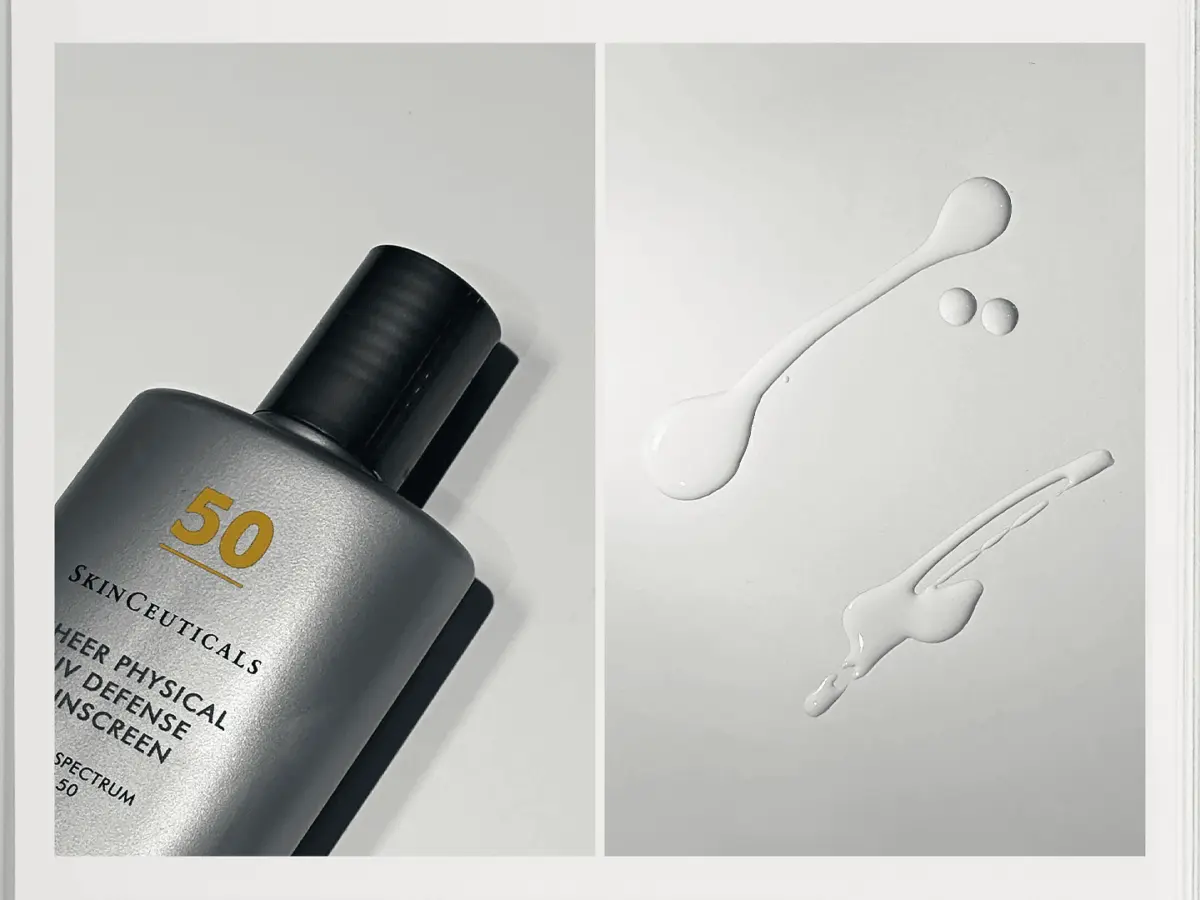
For those who prefer a traditional physical barrier with a luxurious finish, SkinCeuticals Physical Fusion UV Defense stands out as a premier mineral option, offering broad-spectrum defense paired with a lightweight, universally flattering tint that enhances the complexion without causing congestion.
Meanwhile, brands capitalizing on the newest filtering technology have captured significant attention. The La Roche-Posay Anthelios UVDefense Sunscreen SPF 50 with BEMT highlights the advantages of the newly approved filter, delivering high-level protection in a weightless texture tailored for reactive skin. For budget-conscious consumers seeking drugstore accessibility without compromising on skin safety, the Neutrogena Ultra Sheer Face Liquid Mineral Sunscreen provides a fluid, non-greasy mineral alternative that sits comfortably under daily makeup.
Outdoor enthusiasts and active individuals often turn to formulas like the Dune Mineral Melt Sunscreen, which combines robust outdoor defense with a skin-brightening finish that melts seamlessly into the face and body. The international influence of K-beauty continues to shape the sensitive skin category as well, with products like the Haruharu Wonder Black Rice Pure Mineral Relief Daily Sunscreen offering gentle, soothing physical protection enriched with nourishing botanical extracts.
For those prioritizing intense moisture, the Round Lab Birch Juice Moisturizing UVLock Spectrum 45 Sunscreen delivers a refreshing hydration boost reminiscent of a lightweight serum, ensuring that dry and sensitive skin remains plump and supple throughout the day. Meanwhile, formulations like the Krave Beauty Beet The Sun SPF 40 PA+++ introduce powerful antioxidant support to neutralize environmental stressors, and the Avene Mineral Sunscreen Multi-Defense Fluid SPF 50+ anchors its formulation in thermal spring water properties designed specifically to soothe and comfort the most delicate and easily inflamed complexions.
Everything You Need to Know
Understanding how to choose and apply sunscreen when dealing with sensitive skin involves navigating several key dermatological considerations. When examining the fundamental choice between chemical and mineral formulas, medical professionals generally advise leaning toward physical blockers. Dr. Greenfield explains that mineral sunscreens contain no chemicals that frequently cause irritation and allergic reactions in the skin. Because minerals sit physically on top of the skin rather than absorbing into the lower layers, they provide broad-spectrum coverage against all wavelengths of UVA and UVB light while actively avoiding common skin reactions and rashes.
Expanding on this perspective, Dr. Obioha-Lolagne advises individuals to look specifically for mineral sunscreens containing zinc oxide and/or titanium dioxide as active ingredients. The primary reason is that individuals with sensitive skin are statistically more likely to experience allergic reactions to the active chemical ingredients found in conventional sunscreens than to the physical minerals utilized in barrier formulas.
When evaluating what to look for on a product label, dermatologists emphasize several critical factors. Dr. King notes that for sensitive skin, mineral formulas often include beneficial humectants and non-comedogenic emollients in their base matrices, which help maintain skin moisture levels while preventing pore congestion. In terms of strength, Dr. Greenfield recommends selecting an SPF of 30 or higher for facial application to ensure adequate broad-spectrum protection.
Protection, however, should never come at the expense of skin hydration. Dr. Obioha-Lolagne recommends searching for moisturizing ingredients such as ceramides, squalane, and hyaluronic acid to enhance skin hydration and prevent the chalky, white-cast finish historically associated with mineral products.
For those whose primary skin concern is breakouts, Dr. King notes that sunscreen-related blemishes typically stem from one of two factors: the occlusion of pores by comedogenic materials or a sensitivity reaction to chemical UV-blocking agents. It is important to remember that breakouts can be triggered by any ingredient within the formulation, not just the active UV filters. Additional emollients, added fragrances, preservatives, or other auxiliary components can also provoke negative responses. Consequently, consumers should look for the term “non-comedogenic” on the label, noting that both zinc oxide and titanium dioxide are naturally non-comedogenic.
Dr. King also issues a warning regarding expiration dates. Sunscreens that have passed their expiration date, or formulas whose active ingredients have been compromised by exposure to direct sunlight and high temperatures, can break down chemically. This degradation renders the product ineffective at blocking UV rays while simultaneously increasing the likelihood of skin irritation.
Regarding texture, Dr. Greenfield advises selecting products that feel light and breathable to avoid clogging pores or triggering breakouts, while still maintaining enough substance to stay firmly on the skin without easily rubbing off. Lotions, creams, and traditional face creams are generally preferred over aerosol sprays, which run the risk of creating uneven coverage and leaving unprotected gaps on the face.
Addressing a common question regarding whether sensitive skin types should wear sunscreen daily, experts offer an unequivocal affirmation. Dr. Greenfield emphasizes that while occasional body sun exposure is manageable, unprotected UV radiation on the delicate facial skin inevitably accelerates aging, causes unwanted discoloration, and alters skin texture. Therefore, daily facial sunscreen application is recommended rain or shine, 365 days a year.
Regarding the debate over high SPF numbers, Dr. Shambam clarifies that the numerical SPF value is rarely the primary culprit behind sensitive skin flare-ups. Instead, reactivity is usually driven by aggressive chemical agents, active additives, or specific fragrance components. While utilizing an SPF 50 sunscreen is entirely safe and well-tolerated, the practical difference in UV protection between an SPF 30 and an SPF 50 is minimal—blocking roughly 95 to 97 percent of UV rays, respectively. For the most sensitive or reactive skin types, success lies in reading ingredient labels carefully and selecting products explicitly formulated for sensitive complexions.
Finally, for individuals dealing with diagnosed sun allergies, dermatologists point to physical barriers as the gold standard. Dr. Shambam notes that zinc oxide and titanium dioxide-based sunscreens remain the most effective options for preventing allergic reactions when spending time outdoors. However, when sun exposure is unavoidable and skin reactivity is severe, medical experts continue to recommend pairing mineral sunscreens with protective physical measures, such as UPF clothing, wide-brimmed hats, and protective umbrellas, to ensure comprehensive safety.