For centuries, humanity has looked up at the night sky and projected familiar shapes onto the vast, glowing expanses of the cosmos. From constellations resembling mythological heroes to interstellar clouds mirroring familiar fauna, pareidolia has long bridged the gap between human imagination and astronomical reality. Now, a collaborative effort by NASA’s premier space observatories has brought forth a celestial portrait so strikingly feline that its informal moniker is virtually undeniable: the Cat’s Head Nebula.
Recently, NASA released a breathtaking collection of new photographs focusing on a dynamic star-forming region embedded within the larger Carina Nebula. Situated approximately 7,500 light-years away from Earth, this stellar nursery has become the subject of intensive observation by both the Hubble Space Telescope and the James Webb Space Telescope. By combining the unique capabilities of these two revolutionary observatories, scientists have been granted an unprecedented, multi-wavelength view of the nebula, yielding a vibrant spectrum of colors and invaluable scientific insights into the complex mechanics of how stars are born.
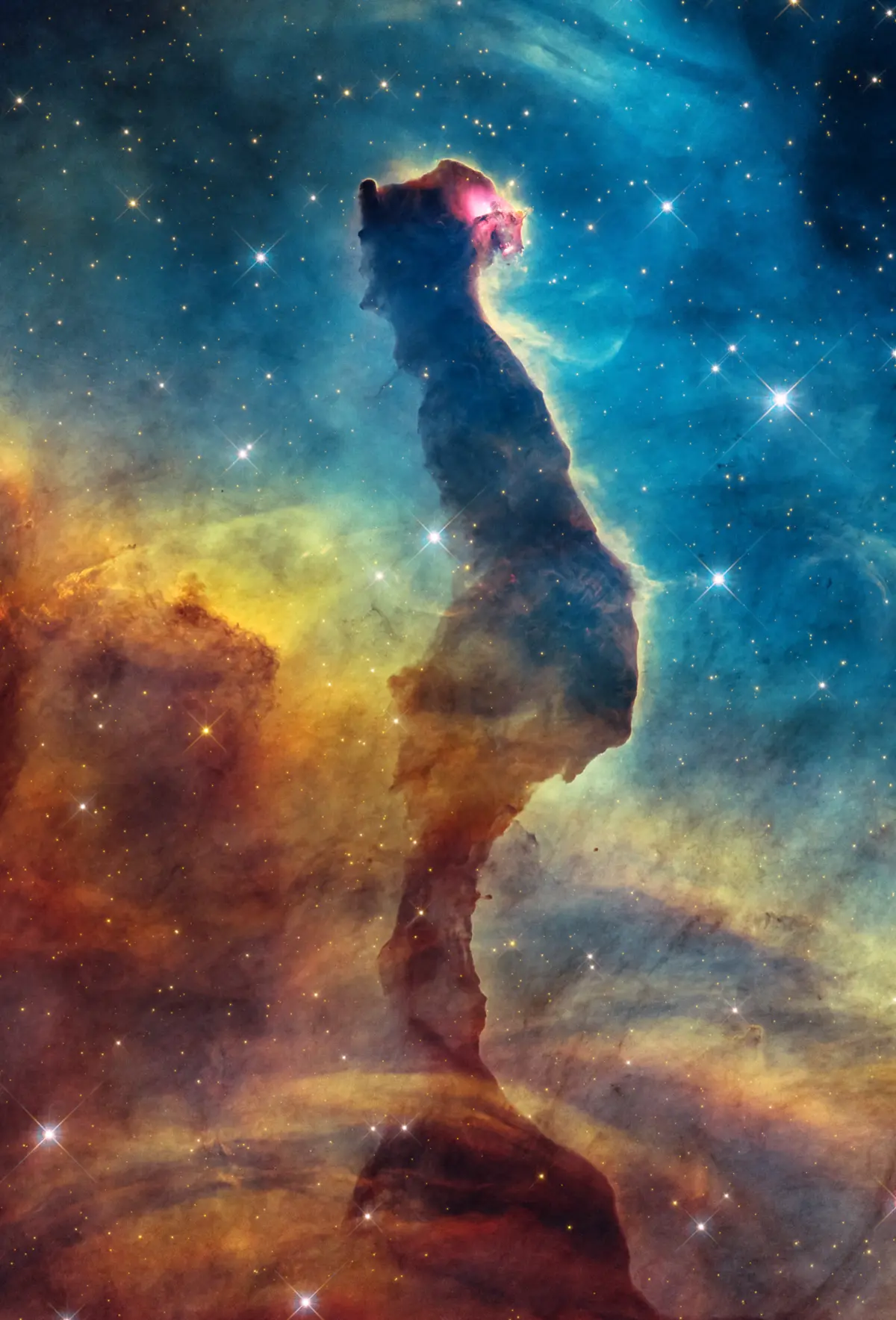
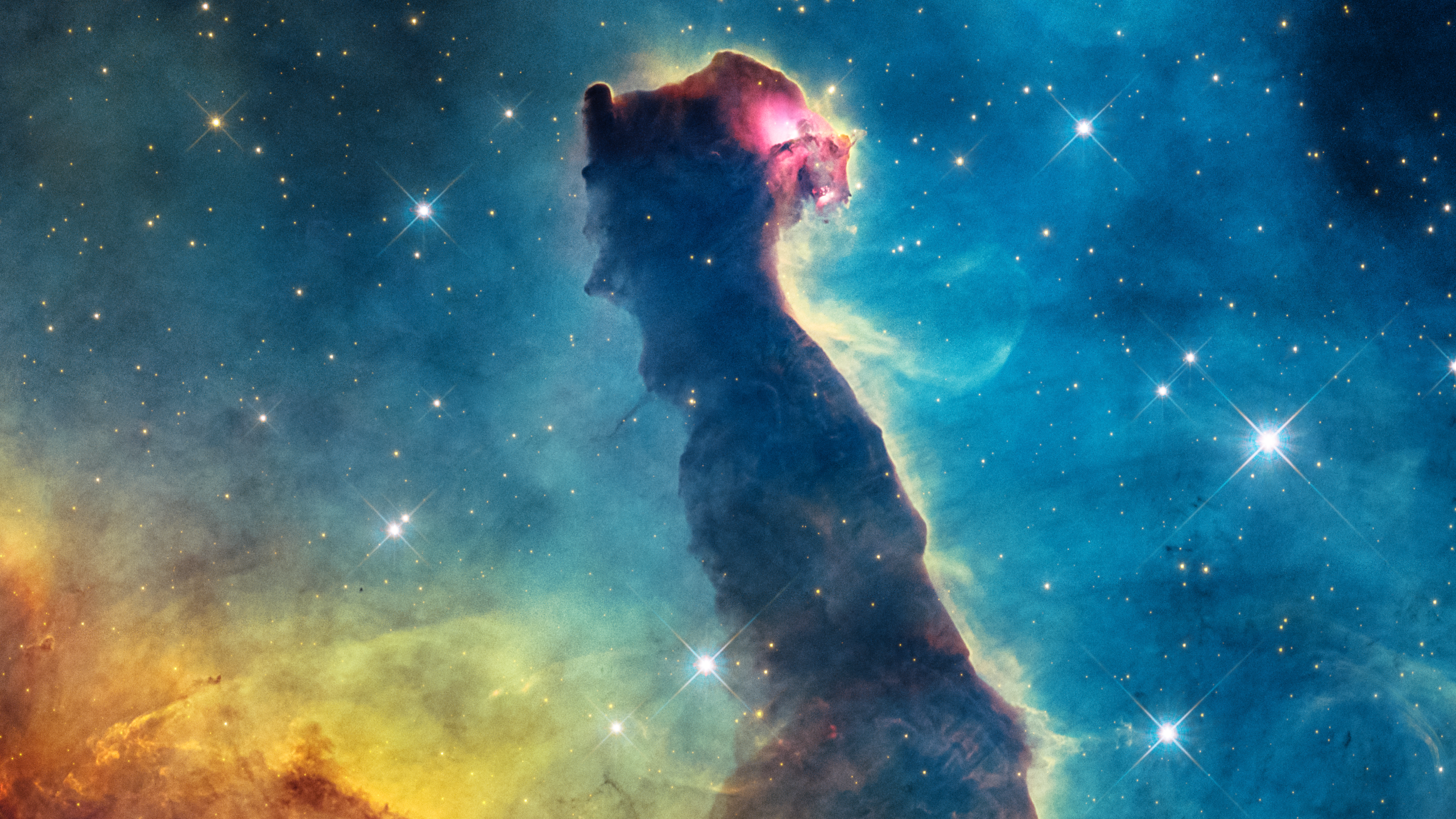
The region earns its whimsical "Cat’s Head" designation from its distinctive morphology, which traces the outline of a seated cat. Most captivating within this cosmic portrait is a glowing red feature that serves as the creature’s "eye." According to researchers, this luminous focal point is likely a very young star that remains heavily shrouded in the thick cocoon of cosmic dust and gas from which it is actively forming.
A Transient Cosmic Masterpiece
While the feline likeness is undeniably delightful to astronomers and amateur skygazers alike, the Carina Nebula’s current appearance is fleeting. Because light from this distant region requires 7,500 years to traverse the vacuum of space and reach our instruments on Earth, the images captured by NASA actually depict the nebula as it appeared millennia ago. Moreover, astronomers emphasize that the cat-like shape is an entirely temporary stage in the region’s evolutionary timeline. As the dynamic processes of star formation continue to unfold, the intense radiation and stellar winds generated by newborn stars will eventually disperse the surrounding gas and dust, completely altering the structure and dissolving the ghostly silhouette into the broader expanse of space.
The remarkable depth and clarity of the new imagery are the direct result of utilizing different types of cameras and filters aboard NASA’s spacecraft. Each instrument captures distinct wavelengths of light, translating invisible electromagnetic radiation into visual data that not only produces stunning imagery but also equips researchers with critical diagnostic tools.
Hubble’s Visible-Light Perspective
The rainbow-colored photograph captured by the Hubble Space Telescope showcases the region primarily in visible light. This vivid palette is not merely an aesthetic choice, but a physical representation of the complex chemical and thermal interactions occurring as new stars ignite within the gas clouds.
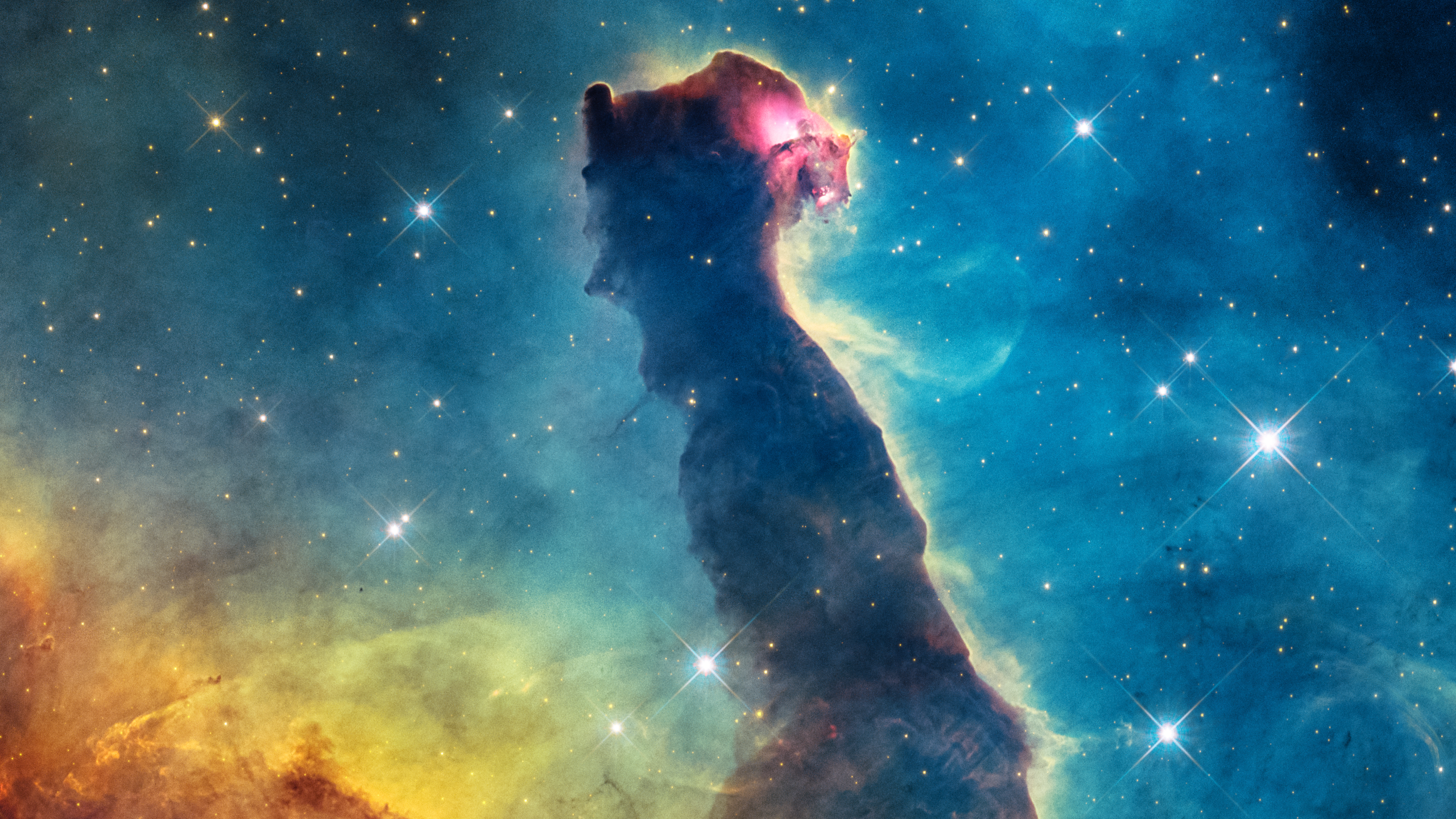
As NASA explains in technical documentation accompanying the release, Hubble’s specialized filters are engineered to record scattered starlight alongside specific emissions originating from ionized chemical elements such as oxygen, hydrogen, and sulfur. The dazzling variations in color across the frame are driven by differences in gas excitation levels, the absorption and scattering of light by microscopic dust grains, and the intense illumination provided by massive nearby stars. These variations allow astrophysicists to map the density, temperature, and movement of the gas within the stellar nursery, shedding light on the environmental pressures that either encourage or inhibit star creation.
Peering Through the Dust with James Webb
While Hubble excels at capturing visible light, the James Webb Space Telescope brings an entirely different set of observational powers to the table. By utilizing its advanced near-infrared and mid-infrared capabilities, Webb can peer past the dense, opaque veils of cosmic dust that typically block visible wavelengths, revealing the hidden architecture operating deep within and behind the nebula’s dusty pillars.
Images captured by the James Webb Space Telescope in the near-infrared spectrum strip away the obscuring haze to expose intricate structures hidden deep inside the pillar, along with a vast background field of distant galaxies that remain entirely invisible to optical telescopes. In these near-infrared views, the glowing eye of the cat transforms into a brilliant yellow-orange orb, further reinforcing the hypothesis that a massive infant star is actively developing within the dense pocket of material.
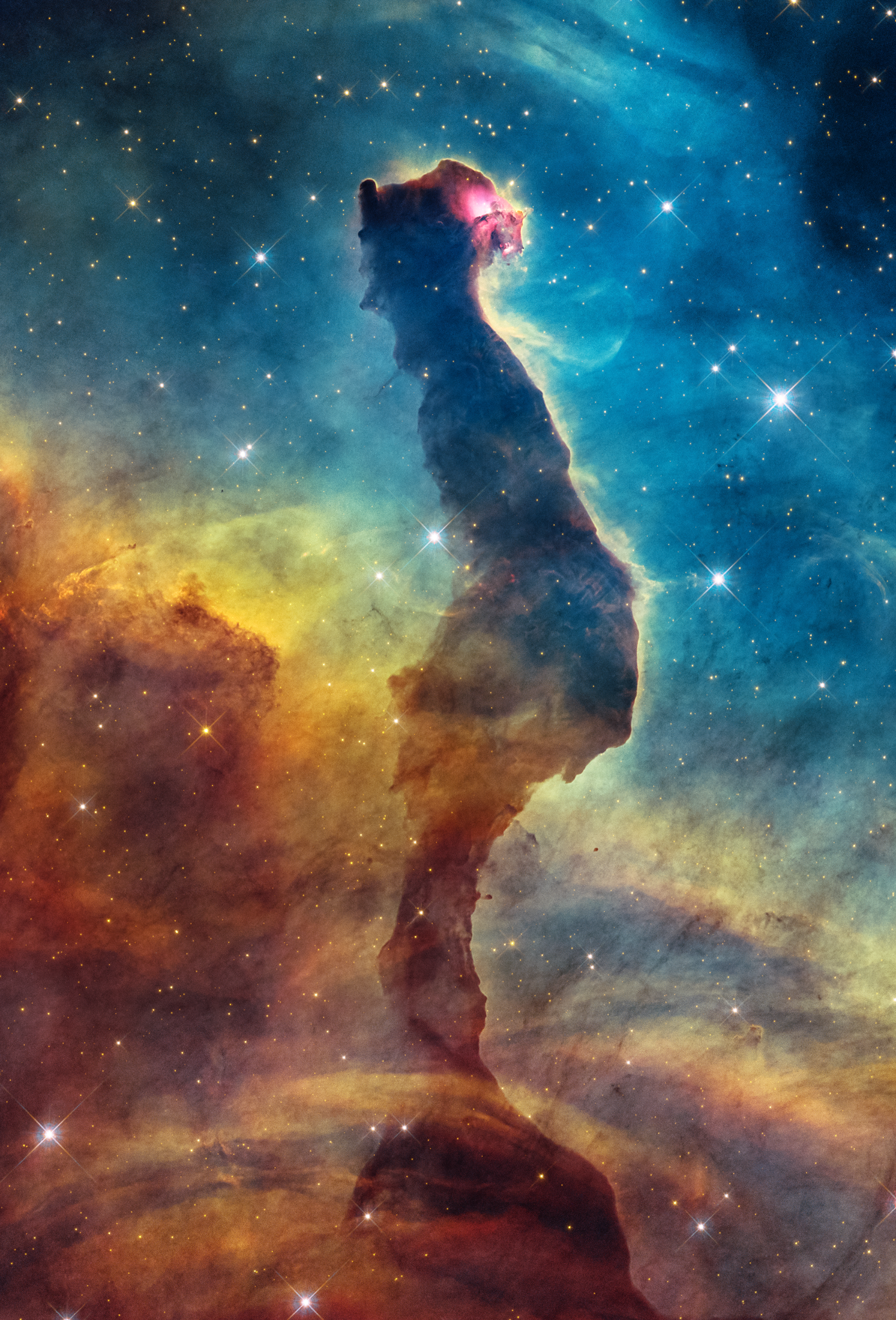
Further analysis utilizing Webb’s mid-infrared camera drills down even deeper into the region’s thermal dynamics. This mid-infrared perspective traces the subtle emissions originating from warm dust particles and complex carbon-based molecules that have been energized and excited by the harsh ultraviolet starlight permeating the Carina Nebula. The resulting data highlights the delicate boundaries where stellar radiation meets cold molecular gas, providing researchers with a clearer picture of the feedback loops that regulate star formation on a galactic scale.
By synthesizing the visual-light clarity of Hubble with the infrared penetration of the James Webb Space Telescope, the astronomical community continues to refine its understanding of how stellar systems are born, evolve, and ultimately reshape their local environments. While the Cat’s Head Nebula offers a whimsical reminder of humanity’s enduring tendency to find familiar forms in the stars, the underlying data captured by these missions represents a profound leap forward in modern astrophysics.