The creative pitching ecosystem continues to face intense scrutiny as industry leaders examine the hidden tolls of agency competitions. In the latest installment of his ongoing editorial series for Stash Magazine, Nerdo Executive Creative Director Claus Cibils turns his critical lens toward a perspective that is rarely questioned: the winner’s side of the equation.
Published on Friday, October 30, 2026, Part 23 of the "We Love Pitching" series—subtitled The Cost of Doing It Wrong — Part II: Worth the Fight—challenges the industry to look beyond the celebratory confetti and examine whether current pitching practices truly reward creativity or merely test an agency’s endurance.
The Cost of Doing It Wrong — Part II: Worth the Fight
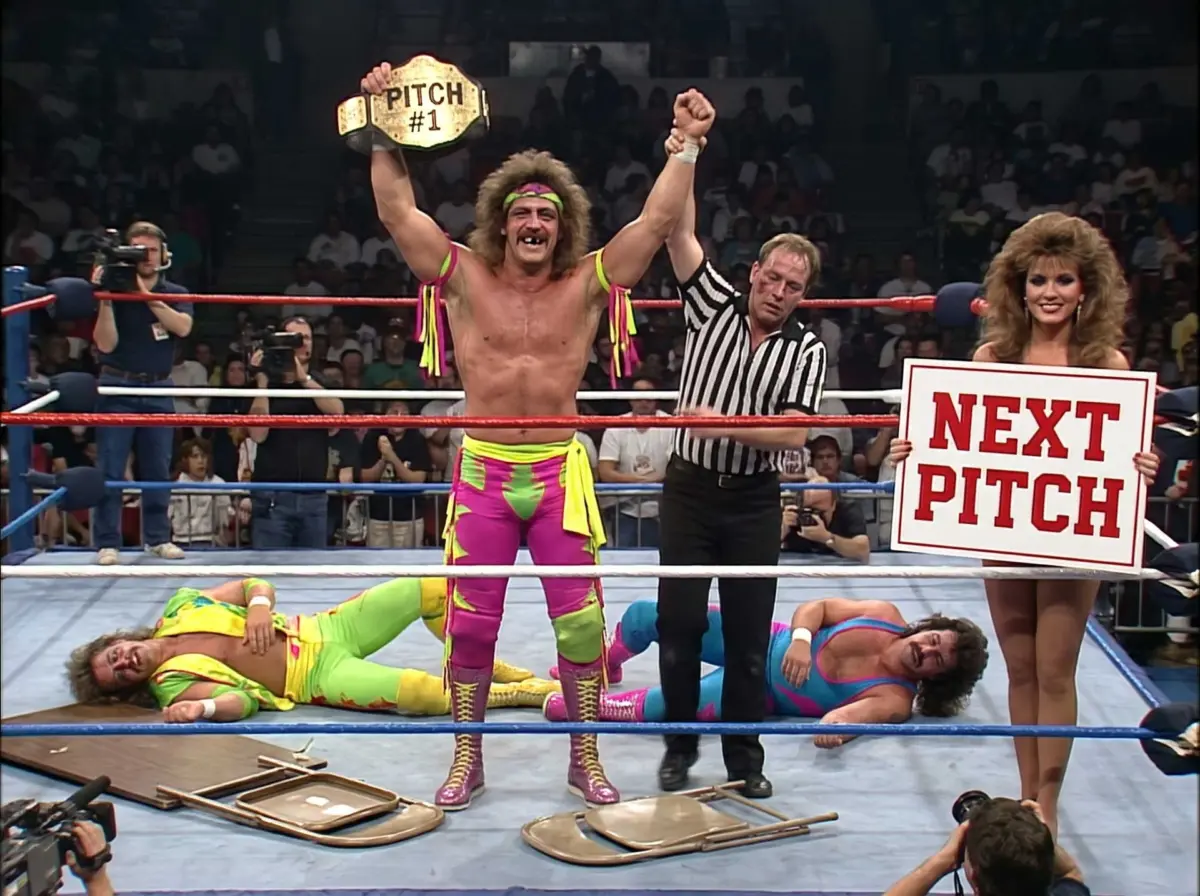
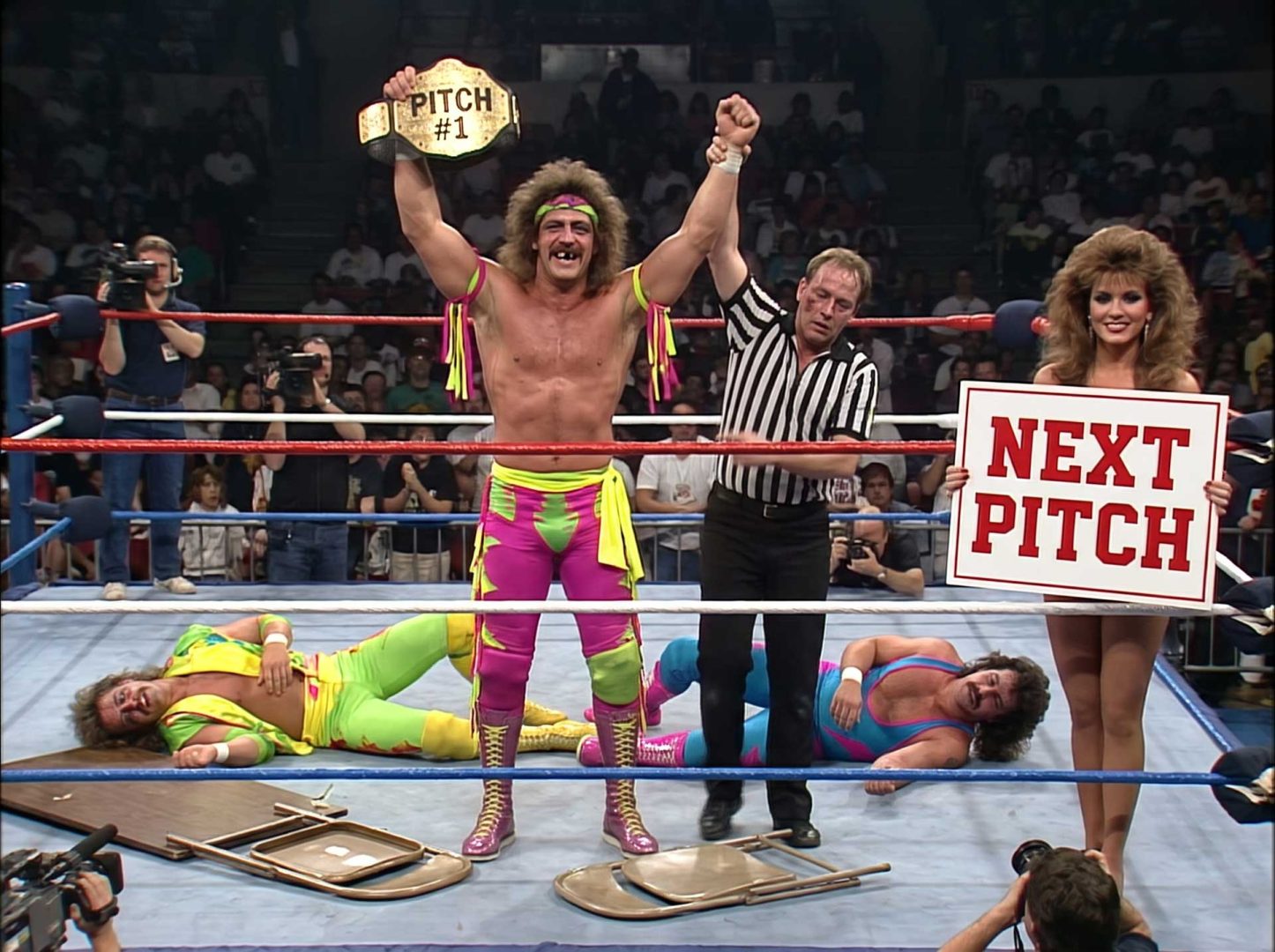
The moment an email arrives announcing that a proposal has been selected, the internal team chat instantly lights up with celebratory GIFs and confetti emojis. From the outside looking in, the grueling pitch process suddenly appears to have been an unmitigated success for the agency fortunate enough to secure the account. Yet, even for the team carrying home the metaphorical trophy, Cibils argues that a much deeper and more uncomfortable question needs to be asked: What did it actually take to get to the finish line?

Beneath the surface of a successful agency win lies a web of systemic inefficiencies. Industry professionals must confront whether the process was genuinely well-managed, or if it merely rewarded stamina over inspired thinking. Furthermore, questions remain regarding whether clients receive genuinely diverse, risk-taking creative ideas to choose from, or if they are simply presented with beautifully polished variations of safe concepts that safely align with what the room already expects.
The most uncomfortable reality of the creative pitching ecosystem is how easily agencies and studios recreate the very conditions they so frequently complain about. An agency might spend agonizing weeks trying to extract clear answers from a client while competing fiercely for a new account. Yet, the moment that same agency wins the business and subsequently needs to hire a specialized studio or director, it frequently repeats the cycle. Armed with firsthand knowledge of what it wished had been different during its own pitch, the agency faces a choice: it can actively improve the next competition, or it can pass along the exact same uncertainty wrapped in a tight deadline.
Accountability in the pitching process is rarely distributed evenly. Certain decisions rightfully belong to clients, while others rest in the hands of agencies. However, the studios and independent directors invited to compete often possess the power—and perhaps the responsibility—to challenge what they are being asked to deliver. Because power within the industry is inherently uneven, responsibility must be shared accordingly. If companies are going to ask creative professionals to invest substantial time and resources into a competitive proposal, they must be equally prepared to invest their own time and respect into the process.

Reforming the Competitive Landscape
Addressing systemic waste requires a fundamental shift in how creative projects are sourced and evaluated. When an agency or brand requests reels from twenty different studios, it raises a practical and ethical question: How many of those submissions are genuinely being reviewed with the care they deserve? If a team can realistically and seriously consider only six or eight studios, Cibils suggests taking a much closer look at a smaller pool from the start, rather than collecting twenty separate reels that teams barely have the bandwidth to watch. Narrowing the initial field to three strong finalists allows decision-makers to engage with the contenders on a meaningful level.
Moreover, the industry would benefit immensely from expanding its horizons beyond the same small circle of familiar names. Introducing fresh perspectives and inviting new studios into the competitive fold is precisely what makes the pitching process valuable to brands in the first place.
When three finalists are chosen to move forward, the relationship between client and competitor should not enter a vacuum until presentation day. Having three independent creative teams heavily investing their resources into a brief that only one will ultimately win creates unnecessary financial and emotional strain. If fundamental questions about the project remain unanswered during this phase, the client risks paying for guesswork three times over.

Bringing decision-makers into direct, active conversations while ideas are still fluid can transform the dynamic entirely. When a client clearly explains their core priorities, an agency can identify a more effective route forward, and a director can constructively challenge existing creative references. An hour of genuine, transparent dialogue can turn three elaborate, isolated guesses into three distinct, well-informed ideas worth serious comparison. This approach yields tangible benefits for all parties involved: clients receive superior creative choices, agencies develop thinking they can confidently defend, and independent studios and directors can dedicate their talent to exploring actual possibilities rather than trying to read the client’s mind.
True operational efficiency in creative production is not about cutting corners; it is about making better use of everyone’s time, financial capital, talent, and resources to produce stronger creative work and better-informed business decisions. Achieving this standard occasionally requires more upfront preparation, deeper collaboration, and fair compensation—along with intellectual property protection—whenever substantial original work is requested. These resources are not meant to artificially inflate the process; they exist to elevate the competition itself.
While the final outcome of any individual pitch can never be guaranteed, the conditions under which creative professionals compete are entirely within the industry’s control. The fundamental problem is not the financial or creative investment required to pitch, but rather how the industry has allowed the pitching process to operate largely unchecked, continuing to feed a broken system while abandoning the demand for better stewardship of everyone’s effort.
The ongoing "We Love Pitching" initiative serves as a persistent reminder that changing the game is entirely possible, provided the industry is willing to reevaluate how it plays.