If someone were to ask for the foundational pillars that have allowed a decades-long relationship to endure every twist, turn, and unexpected detour along life’s highway, the answer might traditionally involve a mixture of deep affection, a shared and resilient sense of humour, a mutual appreciation for ice cream, and a well-mixed margarita. Yet, any realistic assessment must eventually acknowledge a far more utilitarian truth: left entirely to her own devices, one half of this partnership would struggle immensely simply to operate a standard household toaster.
Modern technology remains a source of endless and baffling frustration. Left alone in the domestic sphere for a span of a week, normal life swiftly regresses into something resembling an Elizabethan era of domesticity. Sustenance is derived exclusively from a rotation of refrigerated leftovers, largely because the sophisticated food-ordering applications required to summon a hot meal reside exclusively on a partner’s smartphone. In moments of particularly acute exasperation, when the modern television media landscape presents an impenetrable labyrinth of streaming services and remote-control inputs that defy every logical request, a fleeting wish arises for something delightfully archaic—perhaps a grand harpsichord capable of producing a straightforward, reliable tune without requiring a firmware update or an internet connection.
The partner in this domestic equation, by contrast, enjoys an active and enthusiastic affair with modern technology. At social gatherings and dinner parties, the stark reality quickly sets in that invitations are rarely extended purely on the strength of glittering wit or sparkling conversation. Instead, hosts have often quietly factored in the urgent necessity of having an on-call IT specialist available to rewire a recalcitrant Sonos sound system or troubleshoot a misbehaving home network.
This delicate domestic ecosystem was thrown into sharp relief when the tech-savvy half of the household had the sheer temerity to travel to Los Angeles for business precisely as a shiny new iPhone arrived for setup. This manoeuvre—one that most weaning infants could theoretically complete unaided—immediately proved to be a formidable psychological hurdle.
The author’s approach to cybersecurity and password management has historically been casual and haphazard at best. Passwords are written down in an erratic fashion, occasionally deposited into a designated phone application meant to safely store the few credentials that have actually been committed to memory. The partner, meanwhile, maintains an encyclopedic directory of every digital key, including those belonging to others, and usually steps in with cheerful benevolence to supply the forgotten magic code when memory fails.
However, a week of solo navigation across digital platforms quickly revealed that there is a strict, finite limit to how many times an absent partner can be telephoned during high-level international briefings. A transatlantic interruption prompted a somewhat testy response from the other end of the line. Inquired as to whether the matter was genuinely urgent or could wait for a callback, an assurance was hastily given that the situation was not only pressing but potentially critical. A meeting was temporarily suspended, and an anxious voice asked what could possibly be wrong.
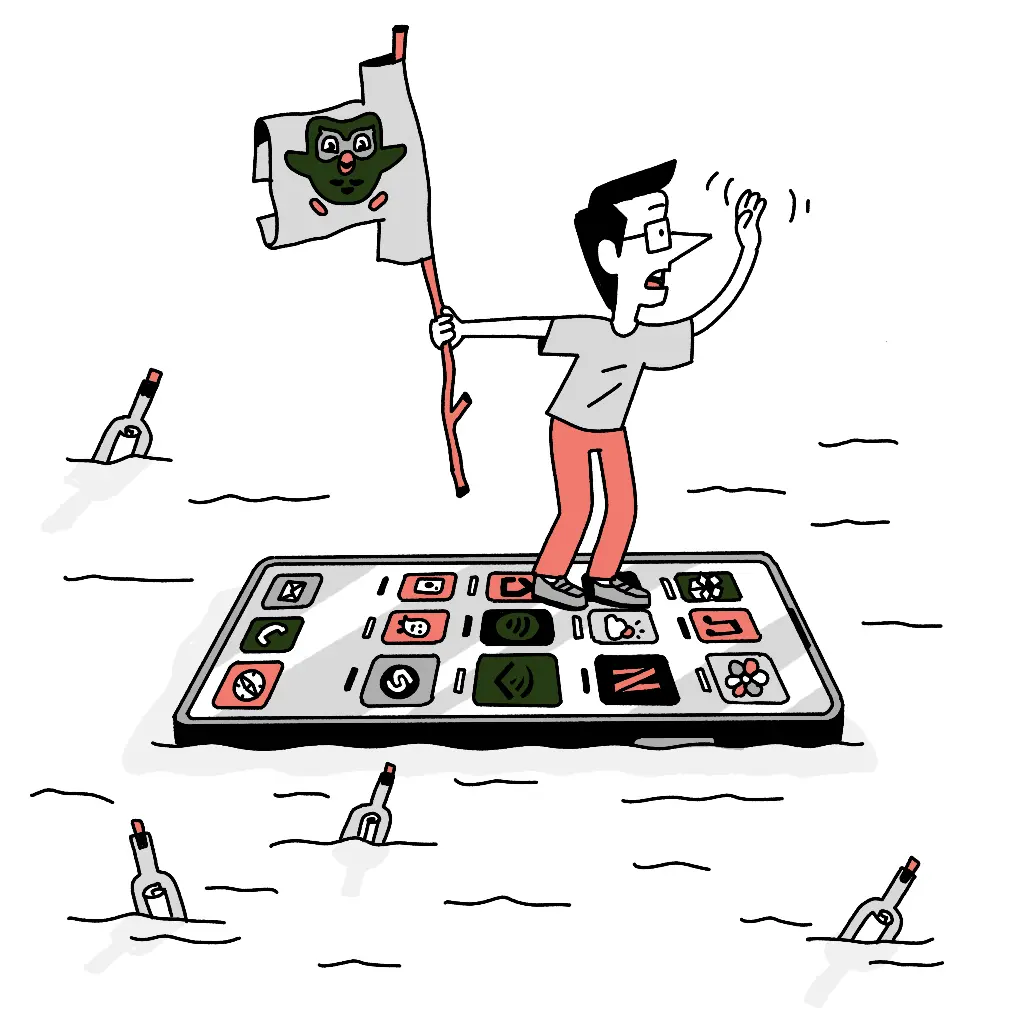
The crisis, it transpired, was entirely existential: the password for Duolingo had vanished completely from memory, raising the terrifying specter of breaking a hard-won 2,800-day language-learning streak.
Beyond the linguistic anxieties, other domestic comfort variables had been left entirely in the hands of the absent expert, despite the punishing time zone difference. Chief among these was a high-tech mattress cover, insisted upon by the technologically inclined partner, which possessed the dual capability of heating or cooling each individual side of the bed to vastly different temperatures. This feature catered to a fundamental biological divergence: one partner prefers a sweltering sleeping environment, while the other leans definitively toward the cooler end of the spectrum.
Although the application controlling this thermal wizardry had ostensibly been installed on both phones, the necessary password had never been handed over, regardless of any future claims to the contrary. Consequently, upon sliding beneath a duvet that had somehow heated up to a degree sufficient to smoke a kipper, a desperate call had to be placed across oceans once again, drawing the enterprise perilously close to prompting a consultation with a Los Angeles divorce lawyer.
Other unexpected digital anomalies had to be managed with stoic resilience. A mysterious alteration to notification settings meant that an entire week spent navigating London resulted in a relentless barrage of special offers from UAE-based delivery and taxi service Careem, thoughtfully apprising the user of flash sales on bananas and Nada Greek yoghurt. With perhaps an uncanny algorithmic intuition regarding the stark sparseness of the domestic refrigerator, even a UK train ticketing application felt compelled to inquire whether a burger delivery was urgently required.
Determined to assert a degree of personal autonomy, an evening was dedicated to the prospect of culling some of the long-neglected applications that had dutifully transferred over to the newly acquired phone. Yet, despite months or years of absolute disuse, an odd sense of sentimental attachment prevented the outright erasure of their digital tiles. There remained the endearing Gojek application, a nostalgic reminder of the days spent navigating Jakarta’s wildly traffic-knotted streets on the back of motorcycle taxis. Obliterating such a memory felt genuinely heartless. Likewise, the SPTH application, required for entering Spain during the strictures of the coronavirus pandemic, remained firmly in place as a tangible artifact of recent history. Ultimately, every single application was granted a reprieve and stayed put.
Credit card applications proved significantly less forgiving. One institution demanded immediate re-verification of the account, insisting upon the upload of one of three specific documents as proof of identity: a deed poll, a marriage certificate, or a divorce certificate. The financial institution might just as easily have requested the Dead Sea Scrolls or the original Magna Carta. A call placed to the customer service hotline clarified that while a divorce certificate might theoretically be procured, it would remain physically inaccessible until the other half of the household returned from California.
Amidst these administrative roadblocks, a massive migration of personal photographs—all 78,580 of them—had transferred from the old device to the new one with effortless, frictionless speed. Viewing this colossal gallery presented an inviting opportunity for housekeeping. Surely, the digital archive could be streamlined by swiftly deleting obvious duplicates and poorly framed shots. After an intensive hour of curation, the total number of photographs had been successfully reduced from 78,580 down to 78,572.
By this juncture, a profound sense of smug accomplishment had set in. A handful of minor technological loose ends remained for the resident expert to untangle upon finally arriving home from the airport, but the worst of the digital storm had been weathered. With the search bar on eBay finally cleared of frantic inquiries for seventeenth-century keyboard instruments, a confident return to the twenty-first century loomed large on the horizon for the upcoming weekend.