The relationship between architecture, culture, and the nocturnal spaces of European nightlife has long remained a fluid, constantly shifting domain. For Italian photographer Giovanna Silva, entering this world began as an unexpected assignment for the 2014 Venice Architecture Biennale, where the Monditalia section commissioned a comprehensive project examining the architecture of Italian nightlife. At the time, Silva admits, the subject was completely unfamiliar to her. Yet, this initial detachment ultimately provided her with a unique perspective—one that required careful observation, restraint, and an analytical eye toward spaces built purely for escapism, performance, and community.
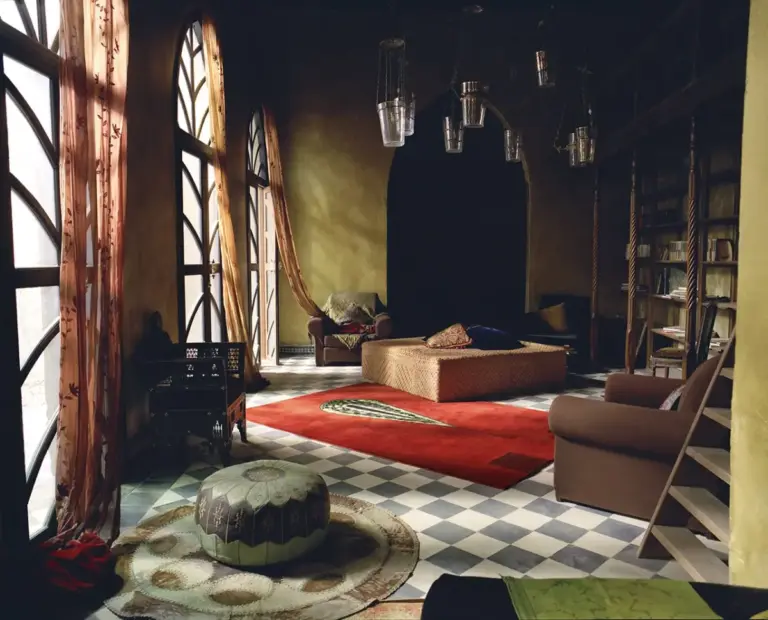
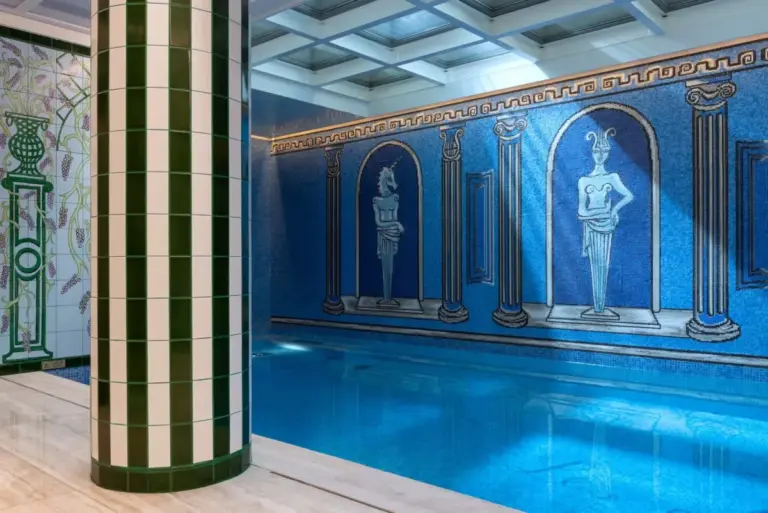
What started as an exhibition contribution for the Venice Biennale eventually evolved into a substantive publication titled NIGHTSWIMMING: Discotheques from the 1960s to the Present. Through her lens, Silva documents not only the physical structures of historic and contemporary discotheques but also the ephemeral nature of spaces that constantly adapt to shifting musical trends, rapid advancements in lighting and sound technology, and the ever-changing demands of fashion.
Documenting the Architecture of the Night
When Silva and her collaborators first approached the project, they realized that understanding the subject required diving into existing literature. Because discotheques undergo frequent physical transformations to stay relevant, archival books served as a primary window into spaces that might no longer exist or look entirely different today. These publications introduced Silva to the broader cast of characters who shape the nocturnal landscape—critics, architects, DJs, art directors, and club owners—whom she describes aptly as the "night swimmers."
Following her exploration of Italy, the research expanded to four major European cultural capitals: Berlin, London, Paris, and Barcelona. Selecting locations within these metropolises proved to be a challenging curation process. While the Biennale presentation demanded exhaustive research, the book required a more selective approach. Silva focused on clubs that held profound social and musical significance while offering compelling architectural qualities.
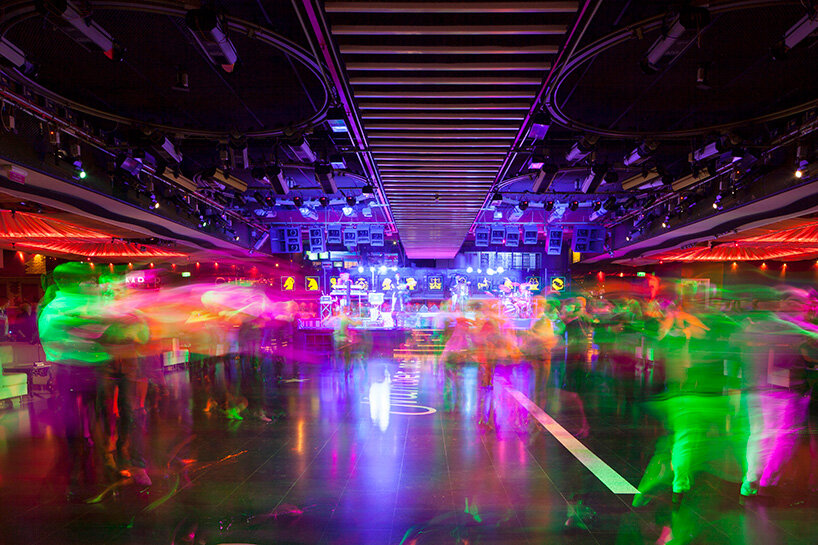
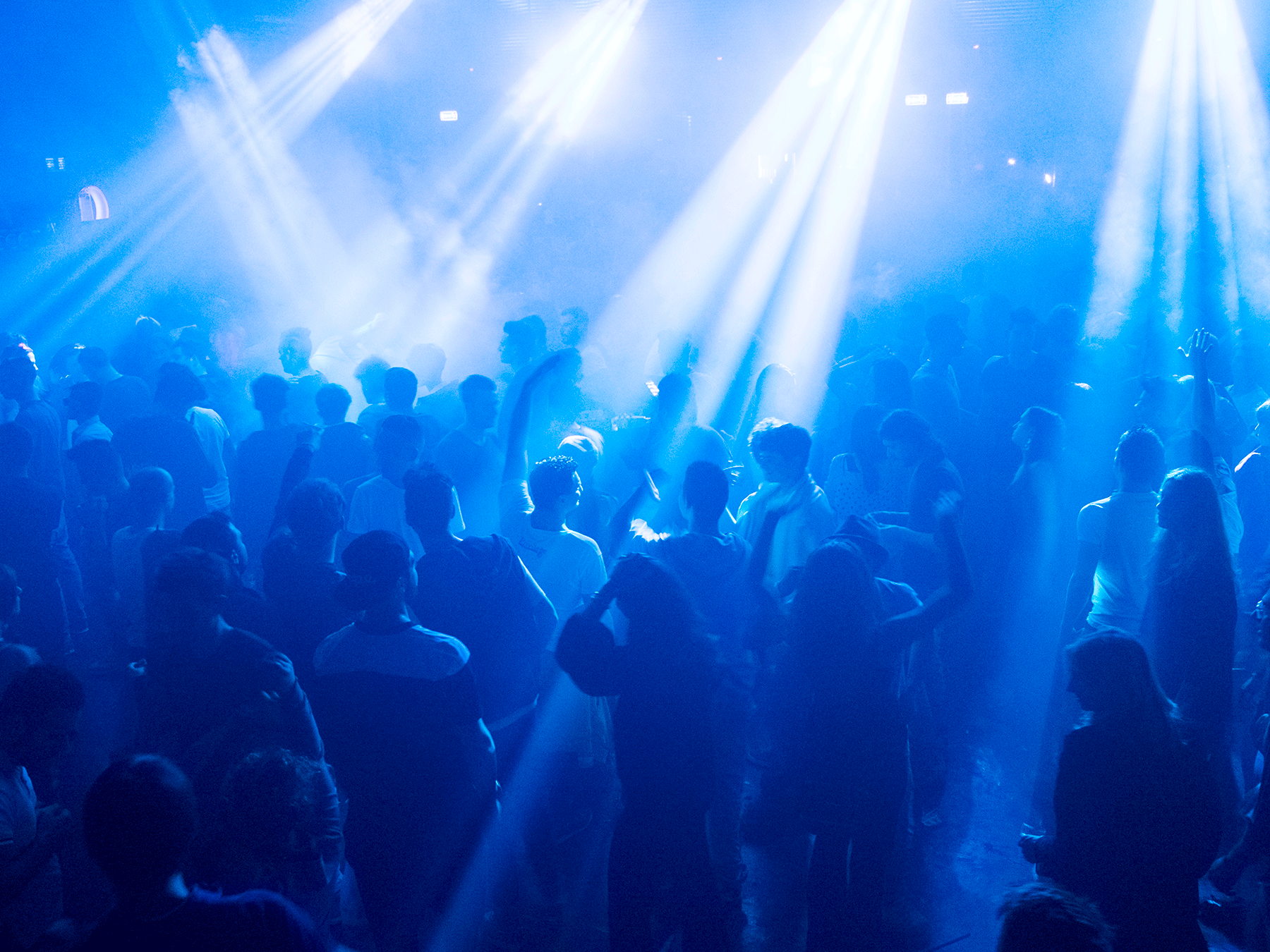
Her photographs capture a distinct modern perception of the night. Today, the boundaries of nightlife have broadened significantly, with non-traditional spaces—structures never originally intended to function as discotheques—frequently occupied and temporarily transformed into party locations. Silva views this phenomenon as a modern legalization and evolution of the rave culture that first emerged during the 1990s. By capturing these venues both empty and packed with crowds, her imagery highlights how human presence and movement can temporarily erase or redefine the very concept of physical space.
The Sensory Markers of Club Culture: Smell and Light
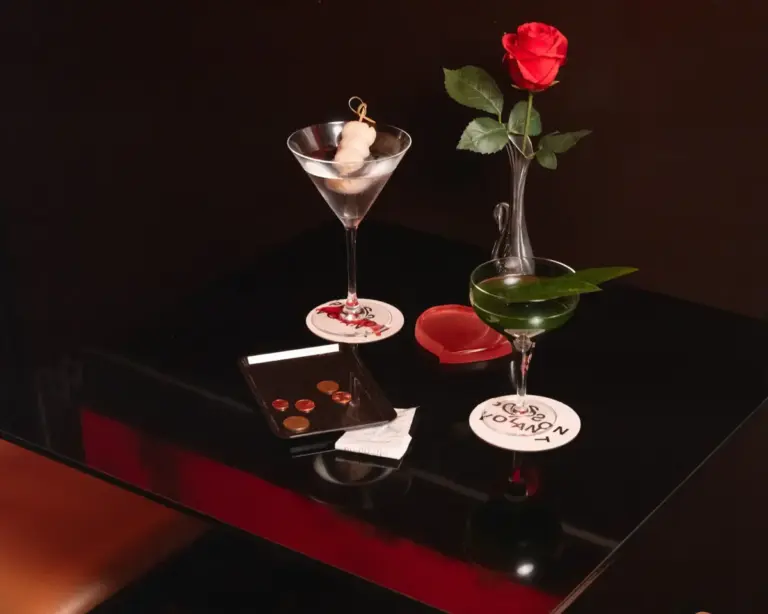
Stepping into a club during daylight hours—when most of Silva’s architectural photography took place—reveals sensory constants that define the nightlife experience even in the absence of crowds. The first element to strike the photographer upon entering these dormant venues was invariably the smell. Described as a universal constant and a sort of architectural madeleine, this distinct aroma remains a mysterious blend of lingering cleaning detergents, human presence, and the faint trace of smoke. Silva notes that she is still determining whether this scent is purely the result of rigorous morning maintenance or if it represents the authentic, enduring smell of the night itself.
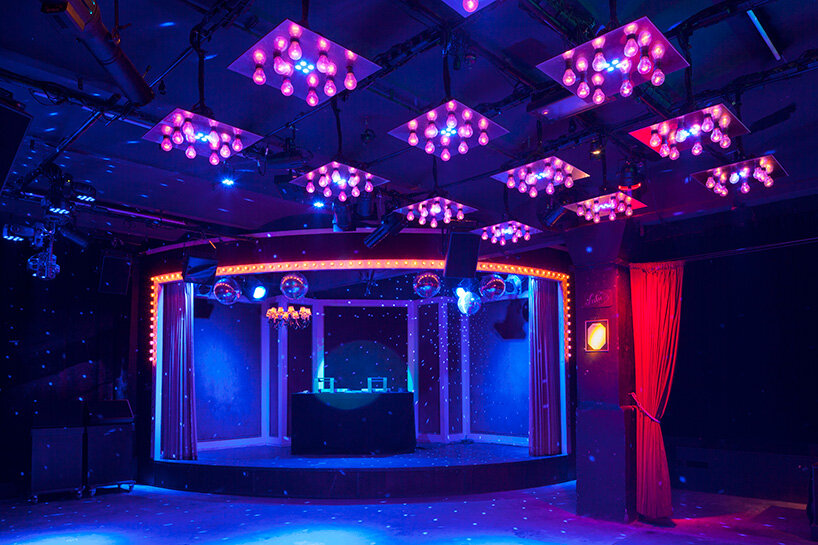
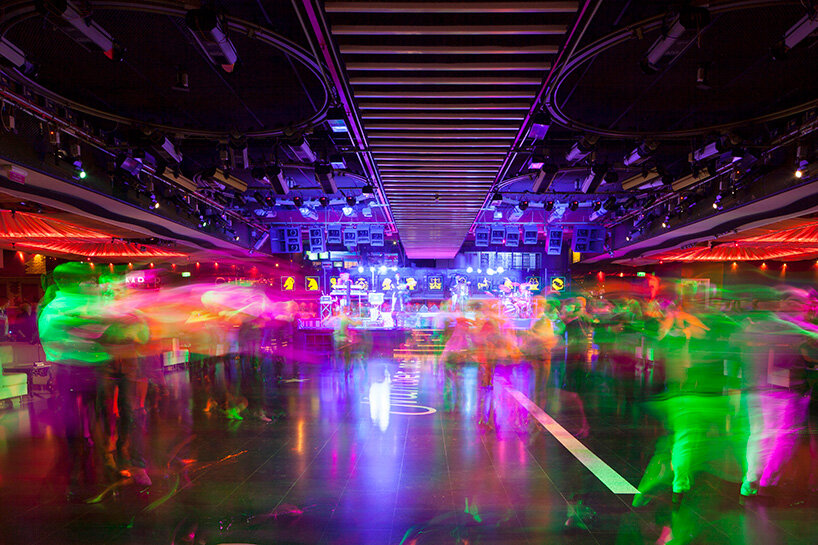
Beyond smell, the defining element of any discotheque is light. Silva recalls being told that discotheques resemble older women who should never be seen without their makeup. She found this metaphor entirely accurate, noting how lighting serves as the primary illusionist in these environments, capable of utterly transforming a room at the simple flick of a switch. While nightclubs rely on intricate, dynamic lighting systems to disorient and mesmerize during operating hours, Silva also documented spaces under harsh, clinical white light. This stark illumination strips away the theatrical veil, exposing the raw architectural bones of rooms usually concealed in darkness and shadow.
Over the course of the project, something that began as a detached academic assignment transformed into a deeply familiar landscape. Silva credits this transition to the many individuals within the nightlife community who took the time to explain the complex social ecosystem of the night to an outsider.
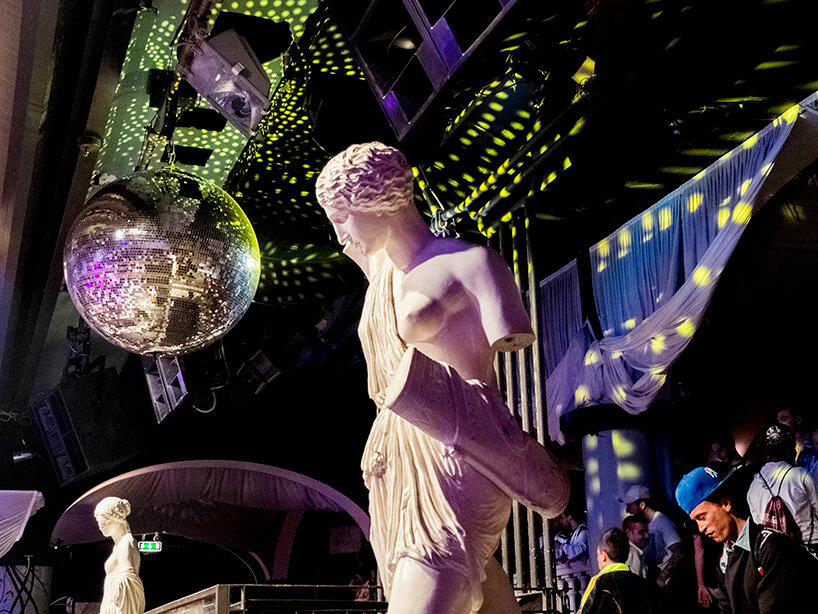
A Multifaceted Artistic Practice
Born in Milan in 1980, Giovanna Silva maintains a diverse artistic and editorial practice based in her home city. Her career in architectural publishing and photo editing includes regular contributions to Domus between 2005 and 2007, followed by a tenure as the photo editor of Abitare from 2007 to 2011. Her extensive bibliography encompasses numerous photographic monographs and travel-based publications exploring urban environments, conflict zones, and architectural landscapes around the globe, published through prominent houses like Mousse Publishing, Nero Editions, Bruno, Art Paper Editions, Motto Books, and Hatje Cantz.
In addition to her photographic work, Silva is deeply involved in independent publishing and education. She is the founder of Humboldt Books and San Rocco Magazine, and she shares her expertise with students as a faculty member at NABA in Milan and ISIA in Urbino. Her work has been showcased in major cultural institutions, including the MACRO in Rome, the Fondazione Bevilacqua la Masa in Venice, the Triennale in Milan, and the American Academy in Rome.
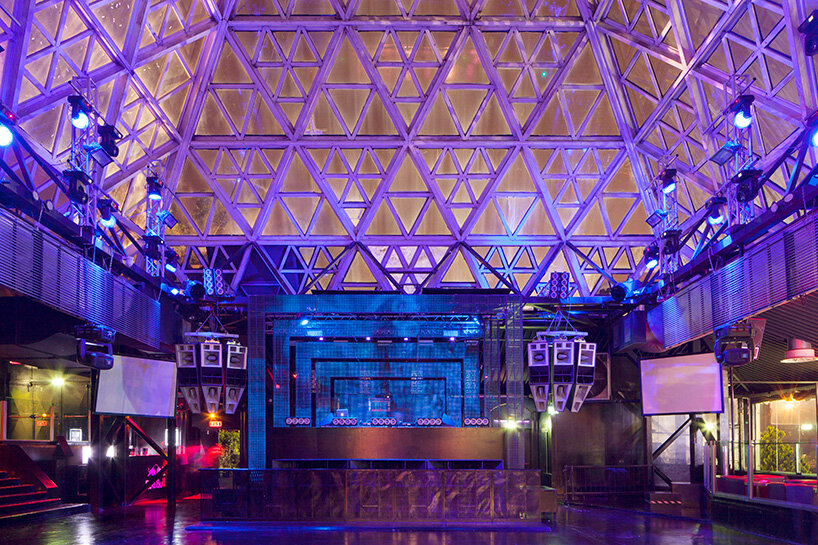
Silva’s NIGHTSWIMMING essay forms a part of designboom’s SPECTATOR AND SPECTACLE chapter, a thematic series presented in partnership with SolidNature that examines how wonder is constructed and how mystery can be restored to an increasingly measured world. By shifting the perspective of onlookers into active participants, projects within this chapter aim to alter everyday perceptions and disrupt standard routines across architecture, design, art, and technology.