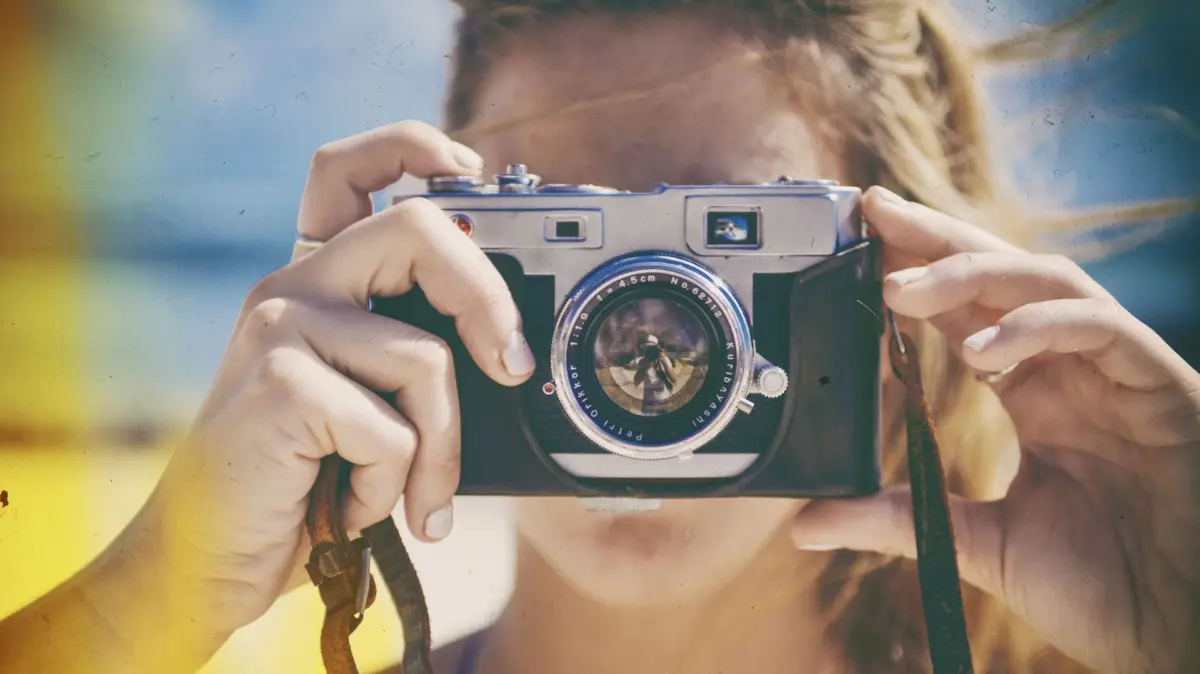
A new study has revealed that an overwhelming 7 in 10 Europeans actively print their photographs or transform their digital images into memorable physical keepsakes, highlighting a persistent human desire for tangible connections to their memories in an increasingly digital world.
The comprehensive survey, commissioned by the prominent ecommerce platform AgfaPhoto, gathered insights from 4,000 respondents spread across four major European nations: Germany, France, the United Kingdom, and Italy. Among the key findings, the data indicates a striking generational skew, with the figure climbing to 8 in 10 respondents among the 18-to-35-year-old demographic who choose to bring their digital captures into the physical realm.
While industry analysts and consumer researchers frequently emphasize that photography surveys must be interpreted with a healthy degree of skepticism—given that individuals with a pre-existing passion for photography are naturally far more likely to engage with such questionnaires—the breadth of the new data offers compelling food for thought. It strongly suggests that even for a generation of digital natives accustomed to the frictionless convenience of one-click cloud storage and instant smartphone sharing, the enduring appeal of holding a physical photograph in one’s hands has not been entirely replaced.
When examining the motivations behind this printing habit among the 18-to-35-year-old cohort, the survey uncovered distinct cultural and aesthetic drivers. Half of the young respondents who print their photos stated they do so because they want their pictures to carry a distinct retro or vintage aesthetic. Meanwhile, 40 percent reported printing their images specifically for sharing and displaying at family occasions and social gatherings.
However, industry observers and broader cultural research suggest that this apparent resurgence of physical printing and analog photography extends far beyond a simple desire to recreate the vintage aesthetics popularized by platforms like Instagram.
Discussing the shifting psychological relationship people have with their images, industry experts point toward a deeper cultural fatigue with digital saturation. Hillary Grigonis, a U.S. editor covering the photography space, recently spoke with a Fujifilm executive who noted that, for a growing segment of the population, analog photography is fundamentally about stepping away from a culture of validation based strictly on "likes and comments" driven by social media algorithms. Instead, photography is returning to a more personal, intimate medium.
Despite this strong affection for physical prints, AgfaPhoto’s newly released findings do not suggest that younger Europeans are turning their backs on digital technology altogether. On the contrary, the survey indicates that 35 percent of respondents still rely primarily on a smartphone as their main camera device, demonstrating a hybrid approach where digital capture tools are seamlessly paired with physical output methods.
Naturally, questions remain regarding the precise demographic makeup of the sample group. Does this survey truly represent the broader European population at large, or does it primarily capture the habits of individuals who already possess a vested interest in photography? Many industry commentators lean toward the latter conclusion, noting that self-selected survey respondents often skew toward enthusiasts.
Nevertheless, among the active photographic communities within the surveyed countries, the core sentiment resonates strongly with industry professionals. Julien Lelarge, the marketing director at GT Company—an official AgfaPhoto brand licensee—articulated this perspective by pointing out a clear, widespread "desire to give certain memories special meaning and to make them tangible."
As the conversation around modern photography continues to evolve, balancing the instantaneous nature of digital capture with the deliberate, thoughtful process of physical creation, brands and consumers alike are navigating a shifting landscape. At present, AgfaPhoto has not publicly released the complete underlying survey dataset, nor have they clarified the exact statistical methodology utilized to gather the responses across the four European territories.
For those looking to explore the analog side of the medium further, industry experts and equipment reviewers continue to evaluate the market, with specialists like analog expert Seb Oakley providing ongoing insights into the best film cameras available for enthusiasts seeking to embrace traditional photographic processes.