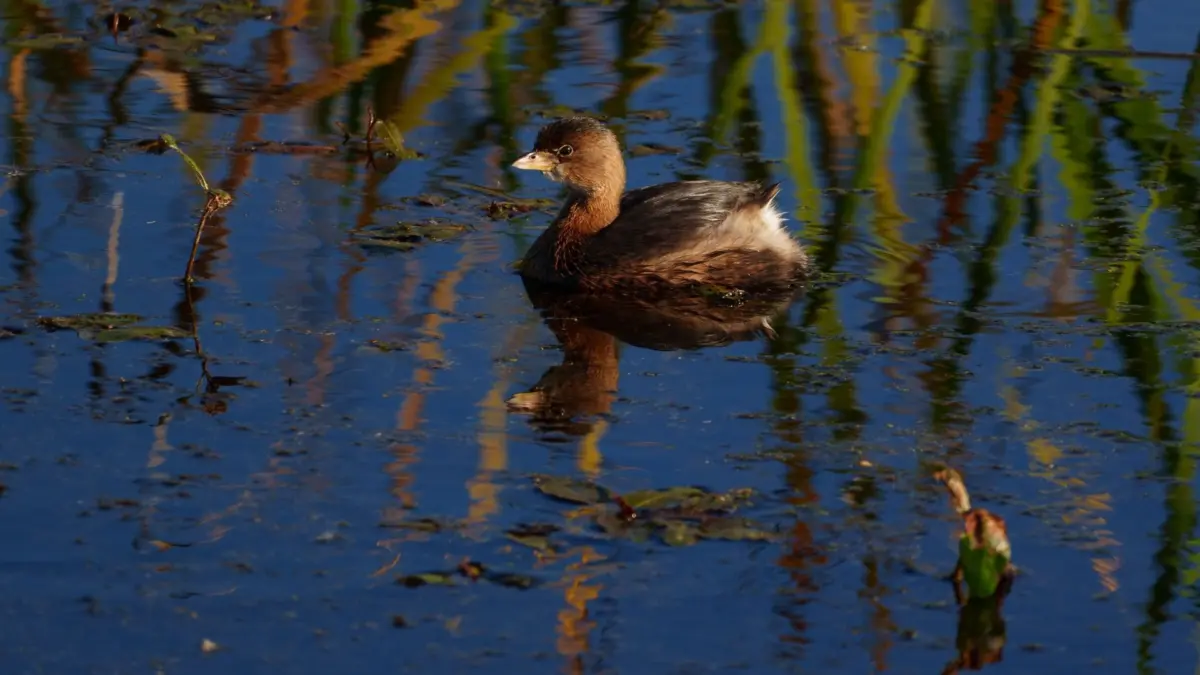
For many nature enthusiasts, wildlife photography is defined by patience, endurance, and—more often than not—a staggering amount of heavy gear. Traditional setups featuring high-end full-frame bodies and massive super-telephoto glass can easily tip the scales at five to ten pounds or more, making long hikes a grueling physical challenge. For photographers who prefer exploring trails and covering miles on foot rather than sitting motionless in a hidden blind, carrying such a burdensome payload can quickly turn a peaceful day in nature into an exhausting endurance test.
Inspired by the release of the Sony RX10 V bridge camera, professional camera reviewer Hillary K. Grigonis set out to investigate whether it is possible to assemble a truly lightweight, hikeable mirrorless wildlife kit that weighs under three pounds (1.3 kilograms) without sacrificing the creative flexibility of interchangeable lenses.
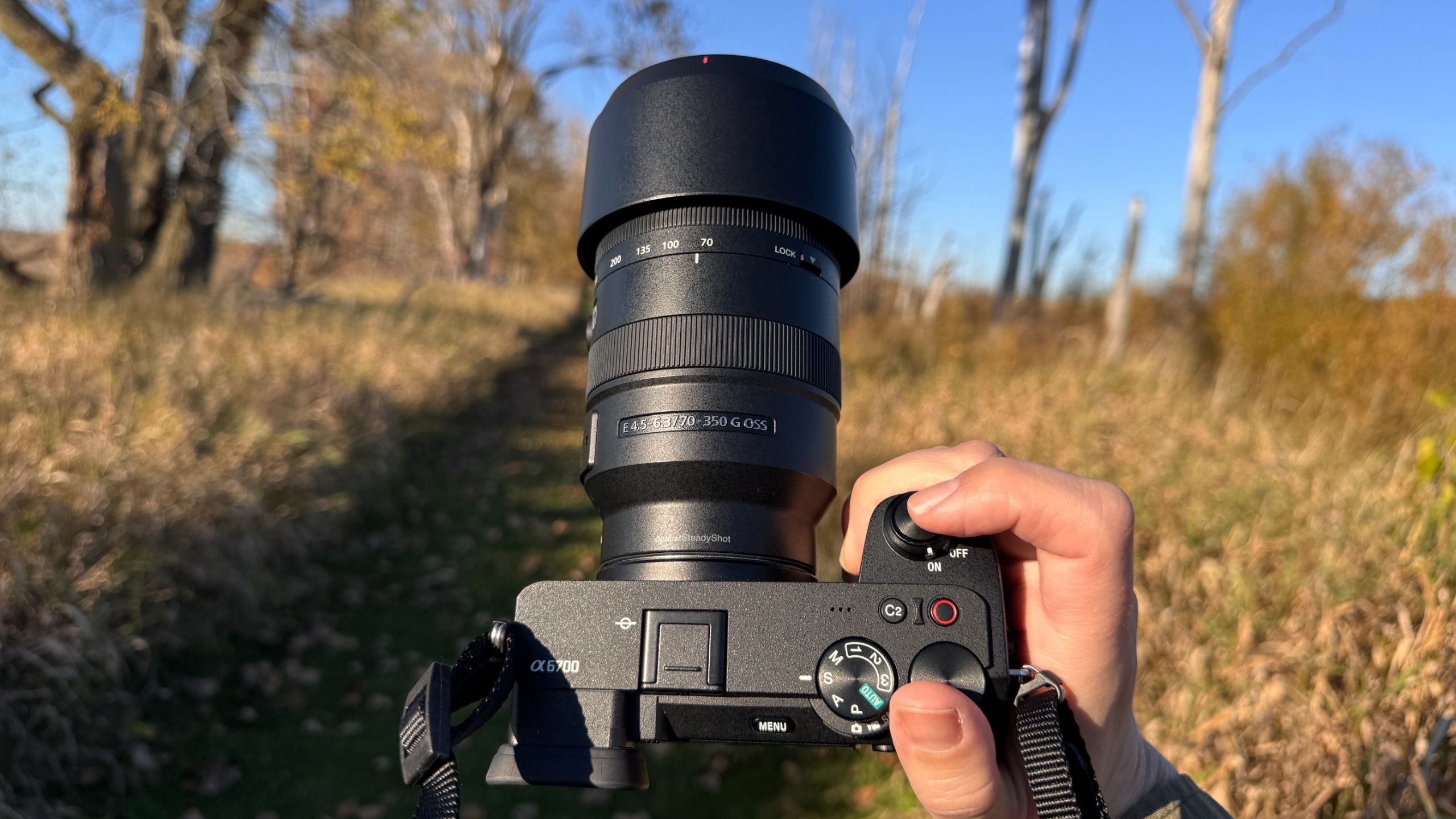
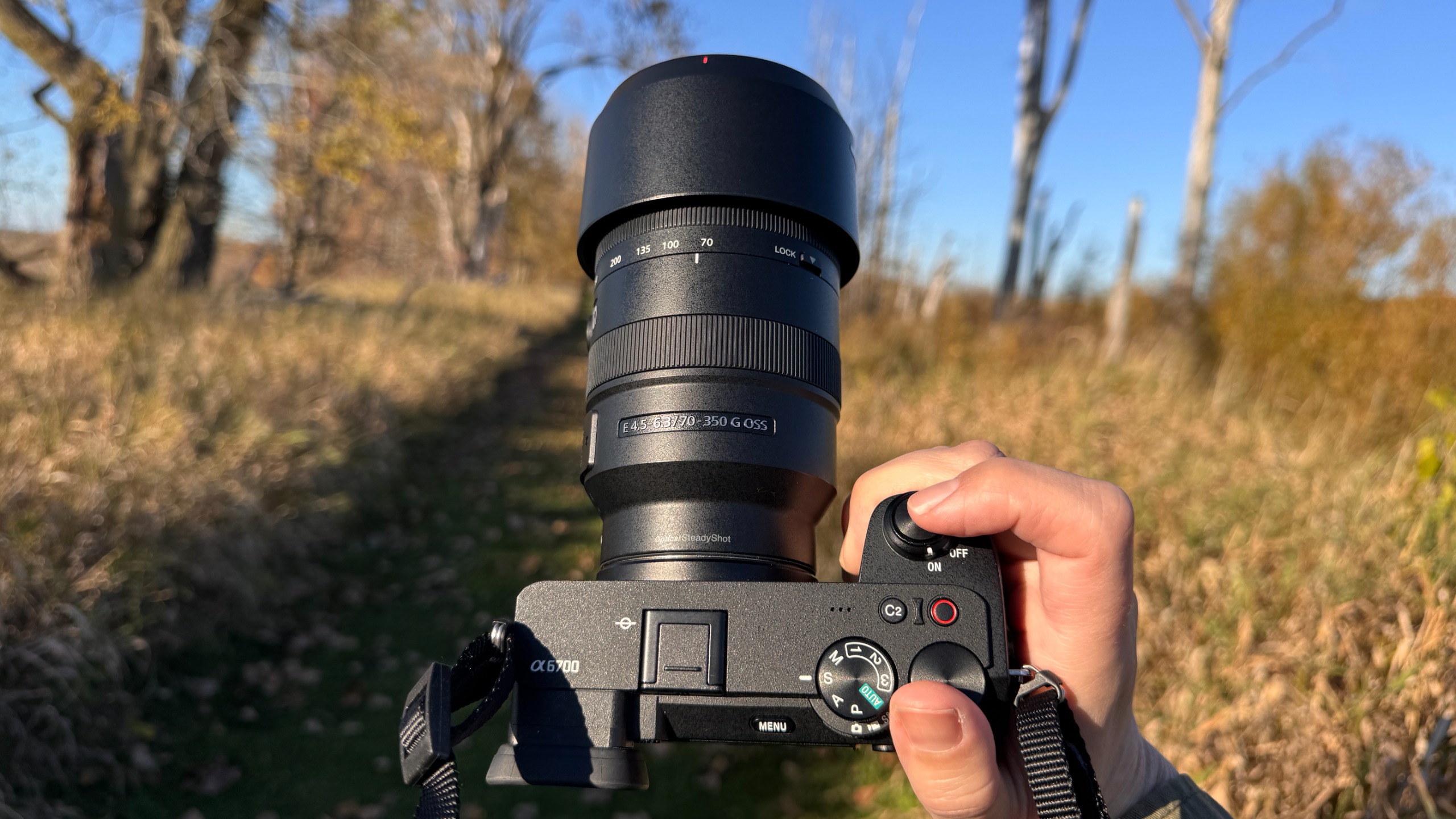
To put this hypothesis to the test, Grigonis paired the crop-sensor Sony A6700 mirrorless camera with the Sony E 70-350mm f/4.5-6.3 G OSS telephoto zoom lens. Taking the compact combination out to a local wildlife refuge on a crisp fall afternoon, the results proved that a scaled-down system can deliver impressive performance for photographers on the move.
A Featherweight Setup for the Active Photographer
Weighing in at a combined total of just over 36 ounces—approximately 2.25 pounds or 1 kilogram—the pairing of the Sony A6700 and the 70-350mm lens offers a remarkably portable system. This minimal footprint fundamentally changes the dynamics of a wildlife photography excursion, allowing the photographer to traverse rough terrain and changing landscapes with ease.
During the field test, Grigonis walked nearly 2.5 miles (4 kilometers) along refuge trails during an autumn afternoon. The lightweight nature of the equipment made the journey effortless, noting that the only real constraint on the distance covered was the rapidly fading autumn daylight rather than physical fatigue.
Professional camera reviewers frequently test high-end, premium gear that can be cost-prohibitive for average enthusiasts. Top-tier telephoto lenses—such as specialized 600mm primes—can cost as much as a used car and feel like carrying an extra limb into the field. Transitioning from a massive 600mm optic to a compact zoom lens that tops out at 350mm requires a shift in perspective. However, because the Sony A6700 utilizes an APS-C crop sensor, the focal length is effectively multiplied by a factor of 1.5. This means the 70-350mm lens yields a full-frame equivalent field of view of 105-525mm. Considering the accessible price point of the equipment and its minimal weight, that level of telephoto reach is a compelling compromise for hikers and mobile shooters.
Adapting Technique to Compact Equipment
Shooting with a shorter maximum focal length inevitably means that wildlife will appear smaller in the frame, requiring the photographer to adapt. While out on the trails, Grigonis occasionally wished for a bit more reach—a familiar feeling for any photographer who prefers active tracking over waiting patiently in a stationary blind.
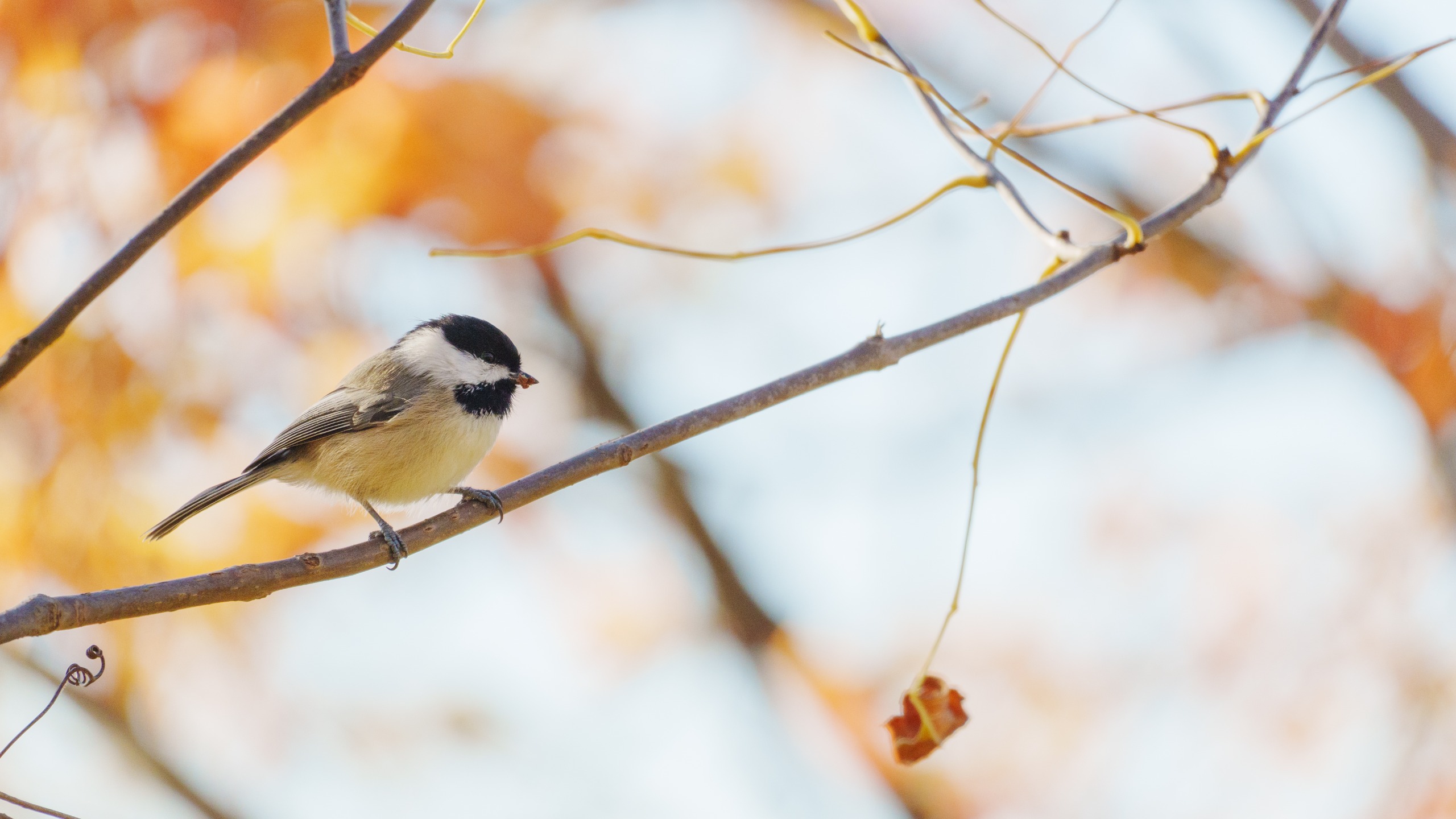
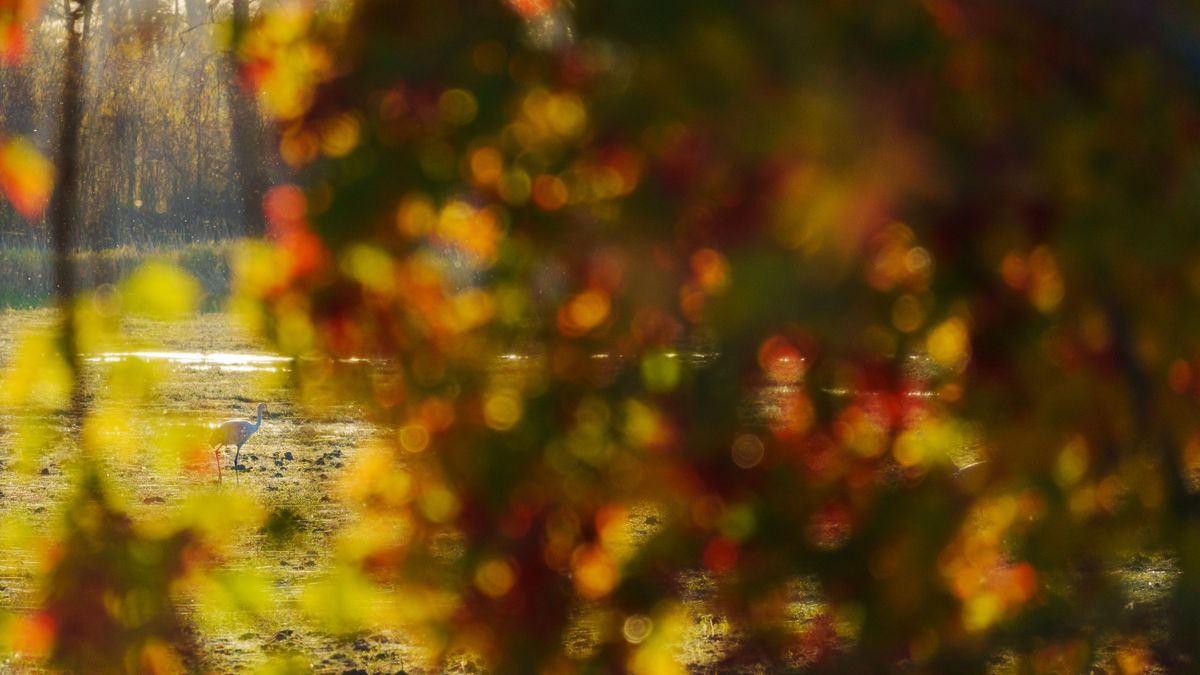
Working with a more compact telephoto setup demands a different approach to field craft. When subjects cannot be approached as closely, the focus naturally shifts from tight, isolated character portraits to broader environmental images. By incorporating the vibrant colors of the changing autumn foliage, the kit successfully captured distant but plentiful migrating sandhill cranes within their natural seasonal habitats.
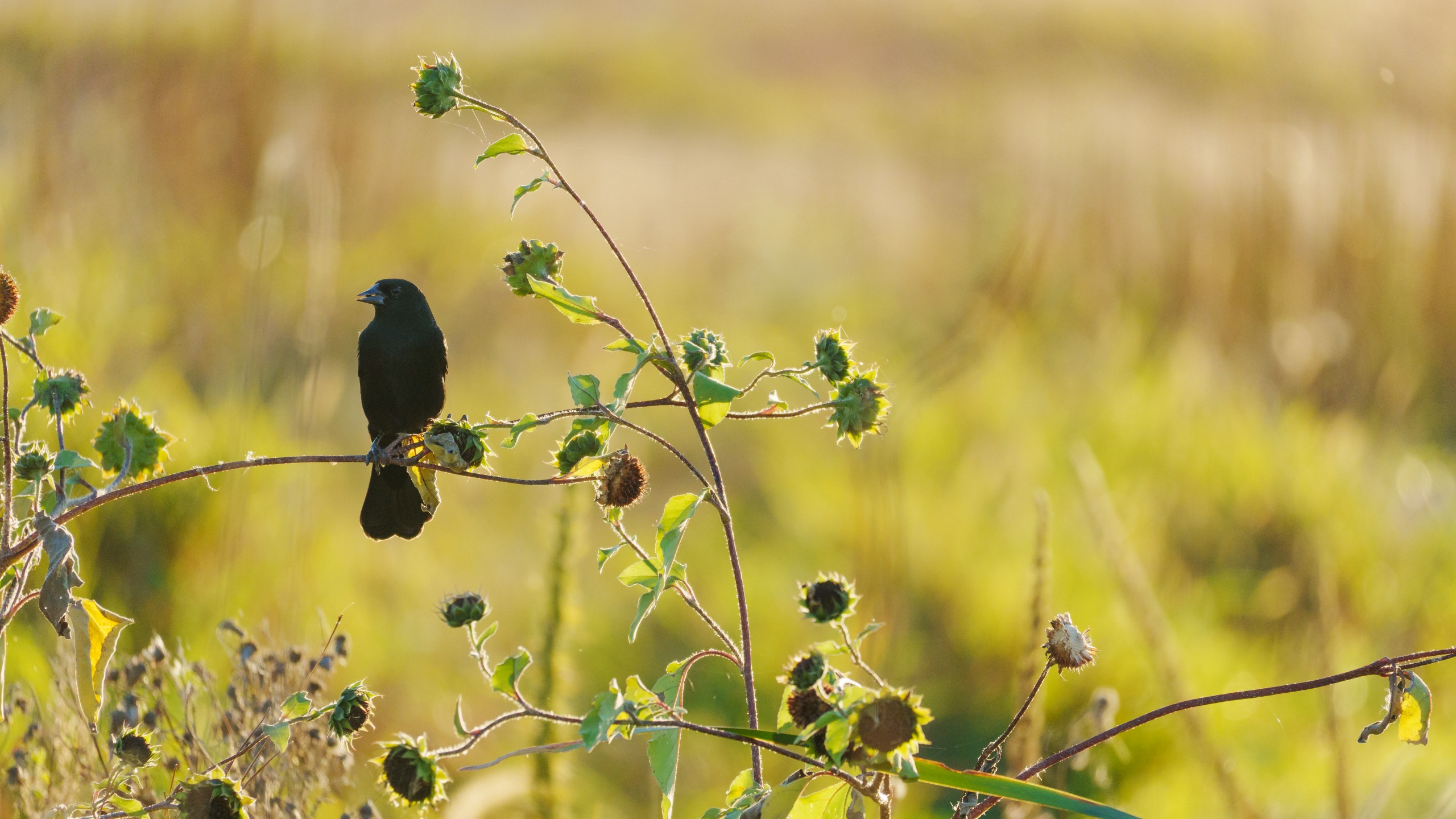
Similarly, redwing blackbirds spotted along the marshlands provided ample opportunities for field testing. Even without the extreme magnification of a heavy super-telephoto setup, the lens and camera combination allowed the photographer to capture sharp frames of birds plucking seeds from fading seasonal flora against soft, natural backgrounds.
Weighing the Compromises of Crop Sensors
While the lightweight configuration proved exceptional for mobility, field testing also highlighted the inherent differences between compact crop-sensor setups and heavier full-frame systems. When utilizing larger professional bodies like the Sony A7 V alongside dedicated heavy-duty glass—such as the FE 200-600mm f/5.6-6.3 G OSS or Sony’s newer compact 400mm f/4.5 and 600mm f/6.3 prime lenses—the advantages of a larger sensor become apparent in challenging lighting conditions.
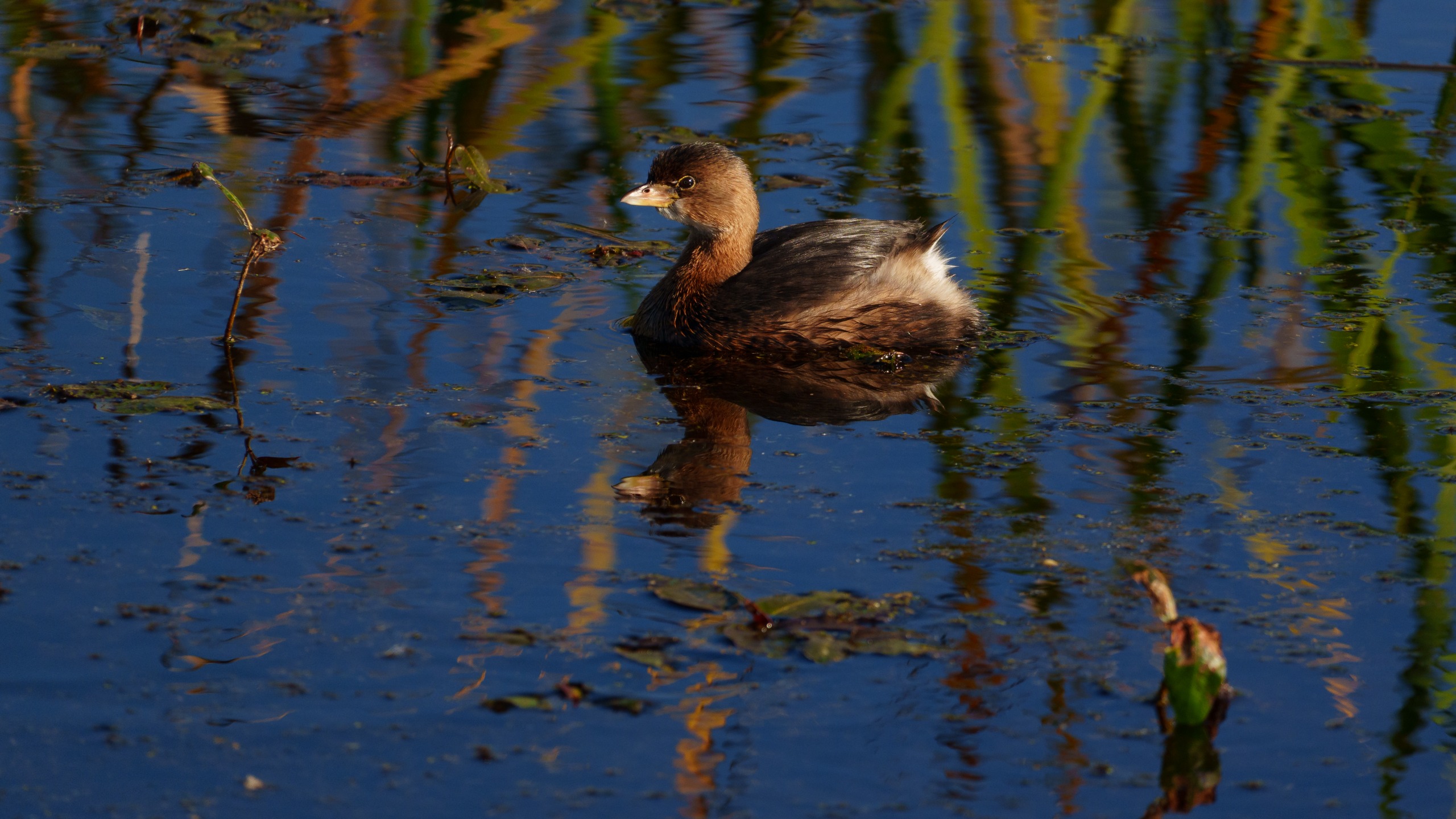
Full-frame sensors generally manage image noise better at fast shutter speeds, a critical factor when shooting fast-moving wildlife in dim light or when aggressively cropping into an image afterward to compensate for lower reach. The physics of smaller sensors mean that heavy cropping on the A6700 files can occasionally reveal more noise than one might experience with a more expensive, full-frame equivalent setup.
Evolution of Budget and Lightweight Wildlife Gear
The recent field test builds on previous explorations into affordable nature photography equipment. Earlier experiments involving budget-friendly camera bodies from major manufacturers—including earlier iterations like the Sony A6400—demonstrated just how far entry-level and mid-range mirrorless technology has progressed since the early days of digital single-lens reflex cameras, when early crop-sensor DSLRs struggled with sluggish frame rates of around three frames per second.
Despite the impressive capabilities of older budget bodies, models like the A6400 rely on earlier generations of animal eye-detection autofocus systems. Upgrading to the modern Sony A6700 introduces significantly more advanced subject-tracking capabilities, bridging the technological gap between consumer-tier bodies and professional flagship cameras.
Ultimately, the combination of the Sony A6700 and the FE 70-350mm lens successfully delivered a highly portable, responsive, and capable kit for wildlife photography on foot. For photographers prioritizing mobility and freedom of movement over absolute pixel-peeping perfection, the setup proves that capturing compelling images of nature does not require breaking your back or your bank account.