Ever since Olympus released its pioneering mirrorless camera back in 2009, the photographic community has frequently debated whether the company would eventually venture into full-frame territory. Seventeen years later, operating under its modern identity as OM System, the brand has firmly put those persistent rumors to rest, reaffirming its unwavering commitment to the Micro Four Thirds format.
Despite the subject of moving to a larger sensor size arising repeatedly over the years, company executives have made it clear that their vision lies firmly elsewhere. The idea of transitioning to a full-frame sensor platform is a topic that has naturally surfaced from time to time within industry circles, only to fade away as the company evaluates its core philosophy and engineering goals.
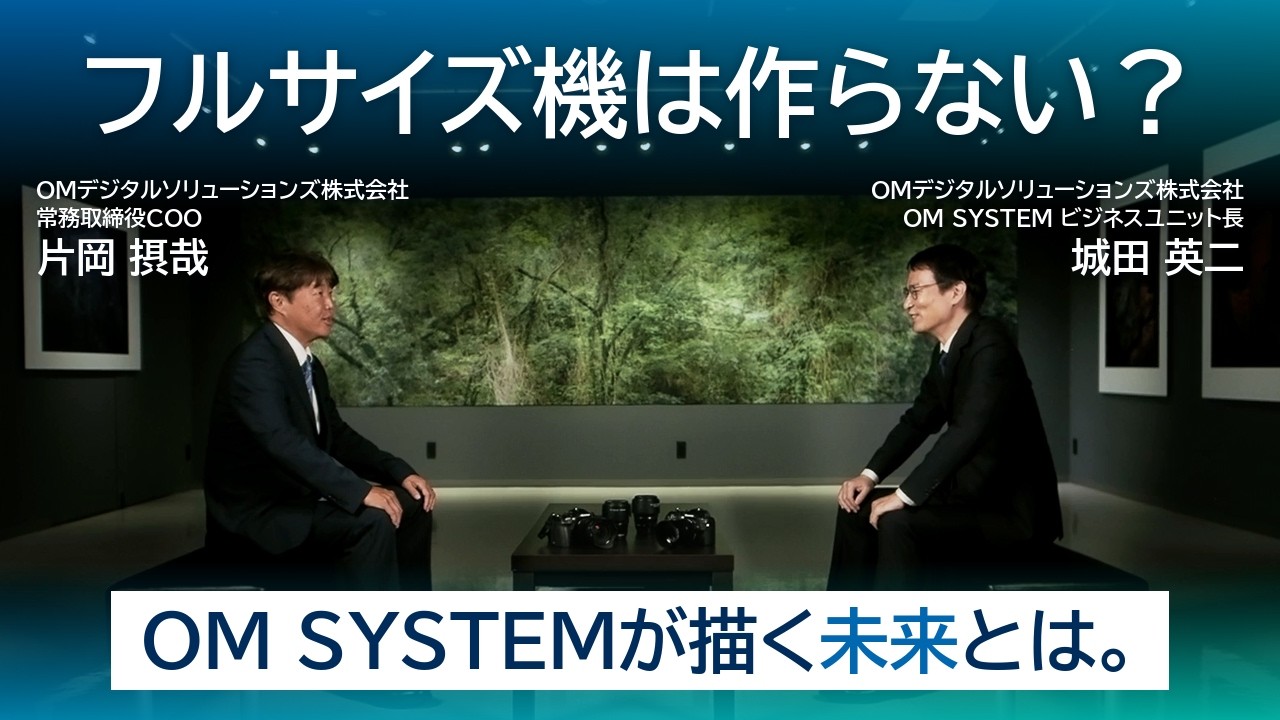
Eiji Shirota, head of OM System’s Business Unit, addressed the speculation directly in a recent video published on the company’s official Japanese YouTube channel. He outlined the brand’s clear and singular trajectory, emphasizing that the engineering team remains dedicated to the specific advantages offered by the Micro Four Thirds standard.
"I have a clear vision of the value I want to deliver through the Micro Four Thirds system—a value that can only be realized because it is Micro Four Thirds," Shirota explained. "I have certainly considered what it might look like to move to full-frame, but I never reached the conclusion that we should shift gears and pursue that."
Shirota acknowledged that a technical disparity in ultimate image quality will always exist between smaller sensors and larger full-frame systems. However, he argued that this gap largely becomes redundant once a camera achieves a level of performance that satisfies the practical demands of its users.
"While it’s true that the gap with full-frame systems won’t disappear—they will never be identical—once you reach a level of image quality that satisfies the users, that gap effectively ceases to matter," Shirota noted. "We are often asked which one is ‘better.’ But it’s not a matter of ‘good’ or ‘bad.’ Instead, we focus on which system is better suited to the specific situation the user is in."
According to the company, the choice between formats should be driven by practical utility rather than raw sensor size specifications. For instance, if mobility and overall portability are the primary considerations, Micro Four Thirds stands out as the optimal choice. Conversely, if a photographer’s specific goal is to capture the absolute highest possible resolution in a controlled environment, full-frame alternatives may hold an advantage. With the growing number of photographers adopting the Micro Four Thirds ecosystem, company leadership believes it is essential to provide distinct choices tailored to specialized needs.
Furthermore, OM System’s executive leadership maintains that the format has not yet reached its technological limits. Substantial advancements in processing power and optical design continue to unlock higher levels of image quality from the compact footprint.
Setsuya Kataoka, OM’s executive director and COO, echoed these sentiments by reflecting on the early days of the format’s development. "To be honest, back when I first started working with the Micro Four Thirds system, I did briefly consider expanding into full-frame or APS-C as a potential future direction," Kataoka recalled.
However, a pivotal conversation with a senior colleague shifted his perspective permanently. When Kataoka brought up the possibility of exploring alternative formats, his colleague challenged him with a fundamental question: Before wondering what might happen with other formats, had he truly pushed the Micro Four Thirds system to its absolute limit? The senior colleague argued that suggesting alternative formats before fully exploring the potential of the current one was simply not the right approach.
Over the subsequent decade and a half, Kataoka and his team remained intensely focused on surpassing expectations within the Micro Four Thirds framework. This dedication led to engineering solutions designed to address historical bottlenecks, such as the implementation of specialized features like High Res Shot modes. These innovations were specifically developed for users who love the portability of the system but occasionally require significantly higher output resolution. As a result, many of the traditional deal-breakers that once discouraged photographers from adopting the format have largely been resolved.
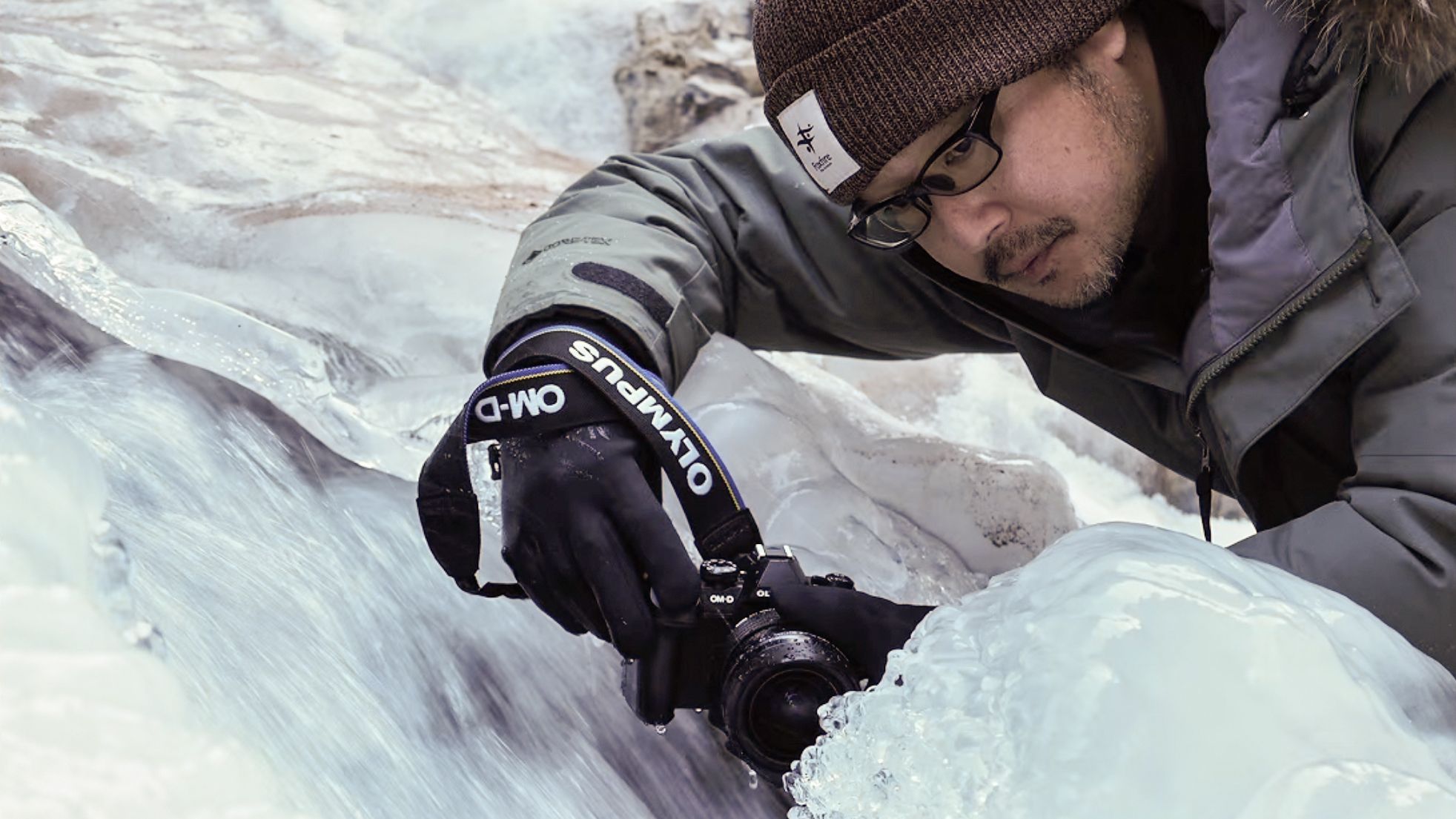
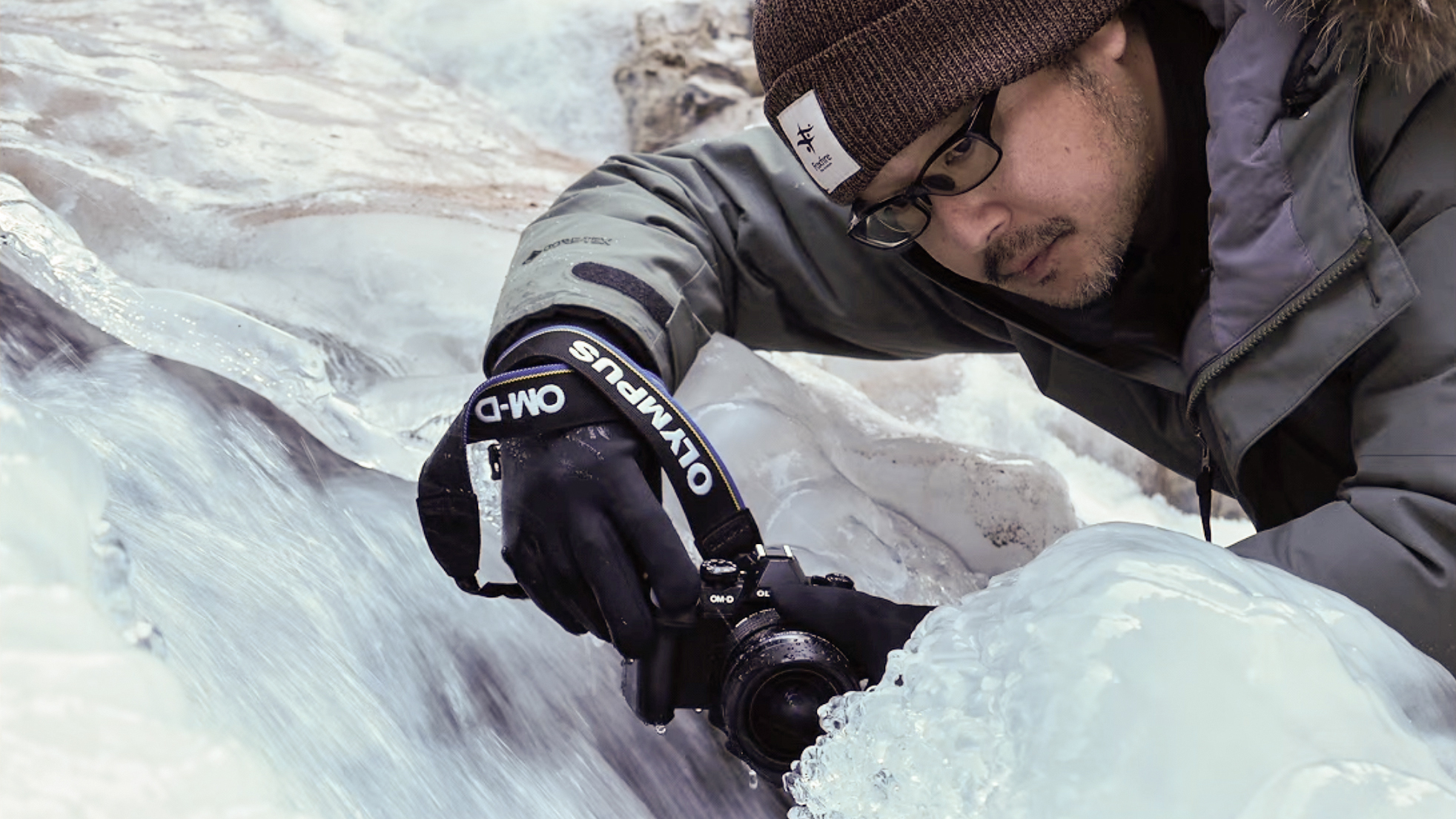
Beyond traditional metrics of image resolution, OM System emphasizes that its cameras offer unique physical properties that matter deeply to working professionals. Durability in extreme weather and harsh environments remains a cornerstone of the brand’s engineering philosophy.

"Our equipment’s dustproof, splashproof, and low-temperature resistant capabilities are key," Shirota stated, highlighting the real-world scenarios faced by adventure and wildlife photographers. "For instance, a shot that looks like an ordinary landscape might actually have been taken at -40 degrees. Or consider a photograph of a snake—captured after a three-day trek through the Amazon wilderness, using only our camera system. The story behind the image—the fact that our system enables photographers to reach such remote locations and capture these shots—is, I believe, a crucial part of the value we provide."
To illustrate this point, Shirota shared the experiences of renowned Japanese photographer Tetsuro Shimizu, who utilized OM System equipment under punishing conditions in Mongolia. Shimizu spent days traveling on horseback across remote terrain, camping along the route, and carrying all necessary daily provisions and photographic gear exclusively via pack animals. In such demanding environments, the compact nature and lightweight profile of the equipment are not merely convenient features—they are absolute prerequisites for success. If a camera system is excessively large or heavy, transporting it deep into the wilderness becomes logistically impossible.
"When he told me about shooting in conditions like sandstorms or temperatures of -40 degrees, I felt a sense of relief—and almost wanted to praise the camera itself for making it back in one piece," Shirota said. "It’s truly impressive that our system can fulfill a photographer’s desire to go to such extreme places and create their work."

Ultimately, the brand’s ongoing commitment serves as a reminder to the broader photographic community that a camera’s true capability extends far beyond the pixel count of its sensor. For OM System, the future remains squarely anchored in the flexibility, resilience, and distinct advantages of the Micro Four Thirds standard.