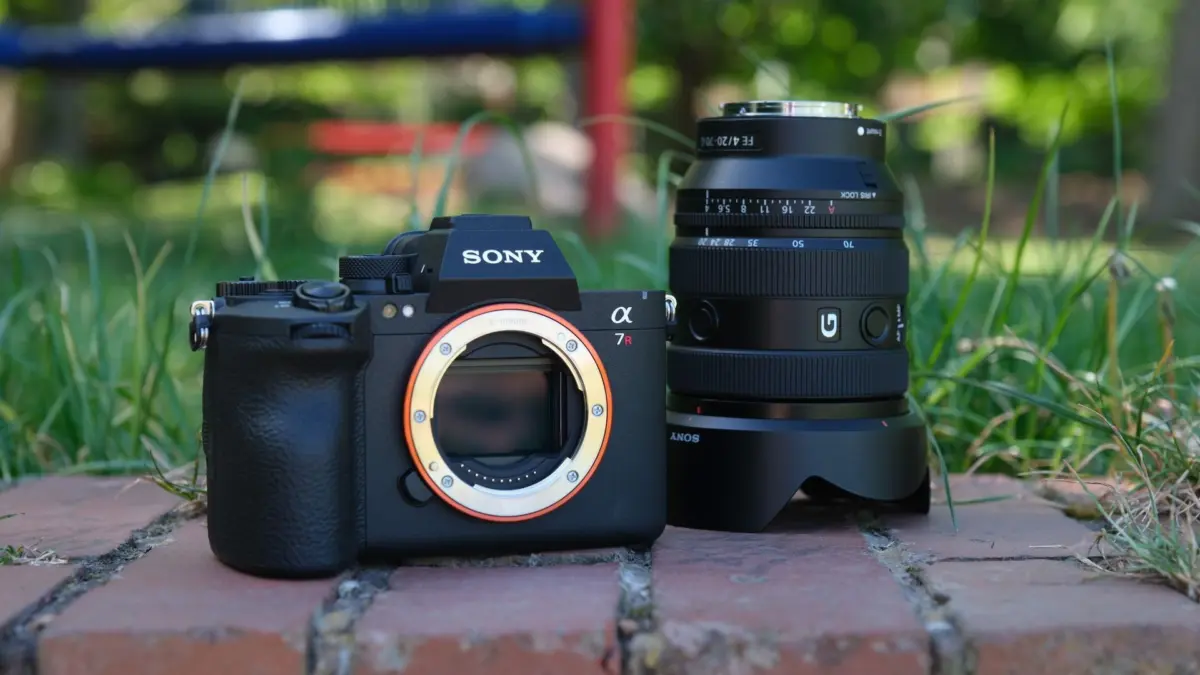
From the rolling updates of the mainstream A7 series to the high-resolution power of the A7R VI, Sony’s latest generation of camera releases has delivered a familiar pattern: an ever-expanding list of advanced features coupled with a progressively higher price point. However, this intentional corporate pivot toward the high-end market is far from accidental. According to Sony’s financial disclosures and executive commentary, this strategy is playing a vital role in helping the electronics giant weather challenging market conditions, most notably an industry-wide, AI-driven memory shortage.
In Sony’s second-quarter financial reports, raw sales figures for digital cameras experienced a noticeable dip, reflecting broader economic headwinds and a slowdown in key international territories. Yet, despite a 7.9 percent drop in imaging sales, the company’s technology segment managed to post a 3.2 percent increase in operating income. This financial divergence underscores a deliberate strategic shift in Sony’s product launches, prioritizing high-margin, high-capability equipment over sheer unit volume.
During the earnings presentation, Lin Tao, Chief Financial Officer for Sony Group Corporation, shed light on the mechanics behind these resilient financial results. "Although conditions remained challenging in the Imaging business this quarter, primarily due to a slowdown in the Chinese market, we minimized the impact of increased memory costs and lower unit sales on earnings by expanding market share, led by new products, and by accelerating the shift toward high-value-added products," Tao explained.
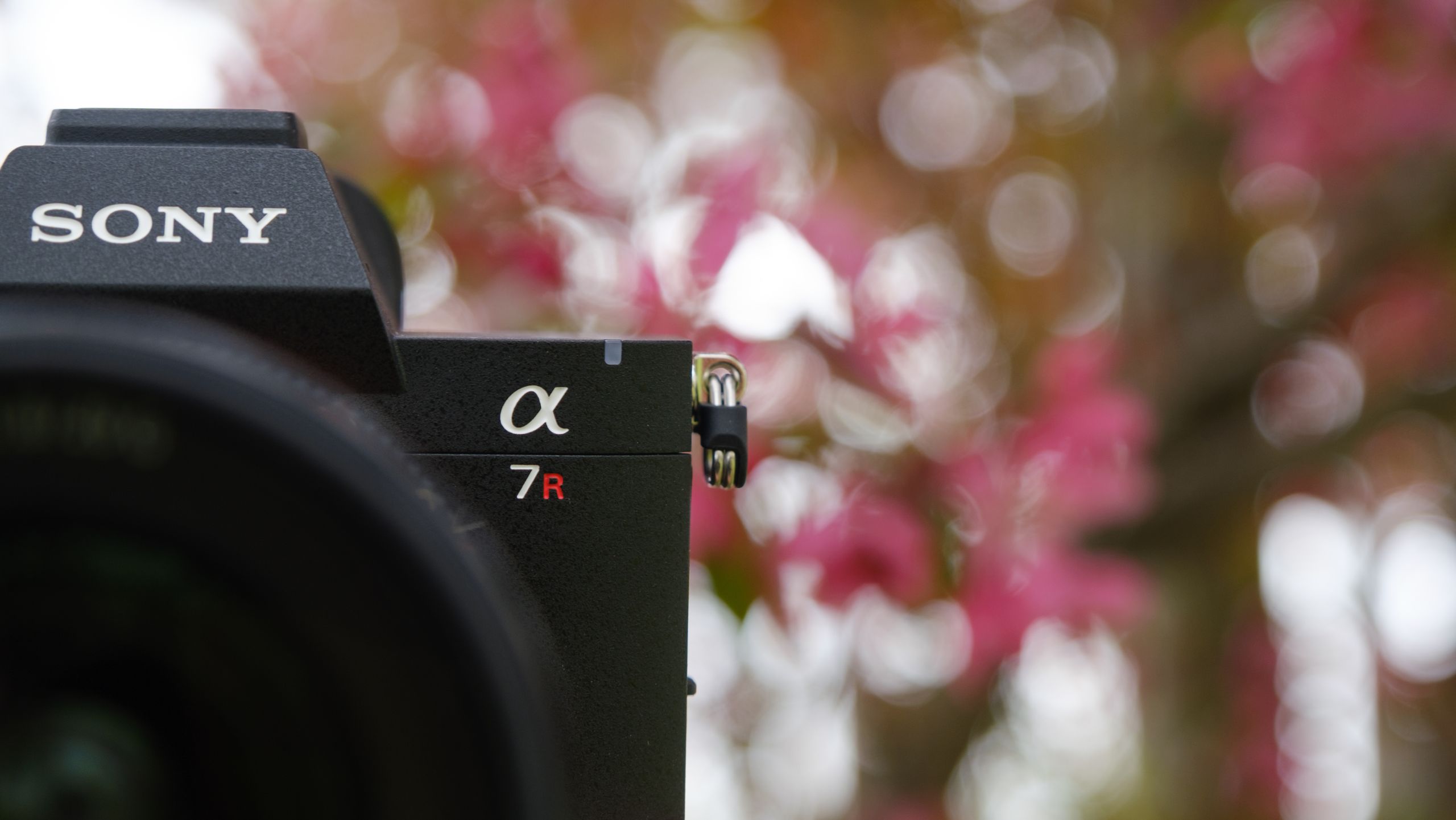
There is a significant amount of nuance packed into that strategic rationale. Like virtually every major manufacturer in the consumer electronics and photography sectors, Sony is currently wrestling with rising component expenses, particularly the inflated cost of memory chips driven by intense global demand from artificial intelligence infrastructure. Yet, these macroeconomic headwinds have only resulted in a minor dent to Sony’s bottom line. The cushioning effect is a direct result of the company’s dual-pronged approach: aggressively introducing cutting-edge flagship gear while simultaneously letting older, proven professional models trickle down into more accessible price brackets over time.
Navigating Market Shifts and Pricing Strategies
A clear example of this long-term lifecycle strategy can be observed in the handling of the famous Sony A7 III. Released back in 2018, the full-frame mirrorless camera has managed to remain commercially viable and widely available as an entry-level or budget-conscious option, even as the core A7 lineup has advanced through successive generations up to the recent A7 V. Rather than diverting massive capital into dedicated, low-cost entry-level product lines with slim profit margins, Sony prefers to let its high-end professional tools gracefully age into more affordable tiers.
Nevertheless, newer hardware introductions are commanding steeper initial investments than their predecessors. The Sony A7R VI, which stands as arguably the company’s most significant hardware rollout, debuted at a substantially higher price point than the A7R V did upon its initial release, marking an approximate price gap of $600, £500, AU$1,500, or CA$700 depending on the regional market. This upward pricing trend is similarly visible in other recent catalog additions, including the flagship A7 V and the specialized RX10 V bridge camera, both of which launched above the historical price baselines of the models they replaced.
Despite these elevated retail prices, consumer demand has proven remarkably robust. Cameras like the Sony A7 V have consistently claimed top spots on global best-seller lists for months at a time. According to industry data and reports from organizations like the Camera & Imaging Products Association (CIPA), traditional mirrorless cameras have faced a general market slump across various Japanese manufacturers. By focusing intensely on high-end offerings, Sony has managed to offset these lower unit sales volumes while absorbing the painful spikes in memory acquisition costs.
Expanding Ecosystems and Addressing Production Hurdles
Beyond traditional still photography, Sony’s market share expansion has been heavily supported by its growing footprint in professional video production. The company’s specialized cinema camera lineup has generated massive enthusiasm among independent filmmakers and Hollywood studios alike. Models such as the Sony FX5 proved so overwhelmingly popular upon their commercial rollout that initial online orders were immediately pushed into backorder status, with customer queues stretching out within the first 24 hours of availability.
At the same time, this strategic focus on high-value products raises questions regarding the future cadence of Sony’s APS-C sensor ecosystem. APS-C mirrorless cameras historically experience longer intervals between successive hardware generations compared to their full-frame counterparts. For instance, the company’s most advanced dedicated stills camera featuring an APS-C sensor, the A6700, was introduced in 2023, while the more affordable A6400 dates back to 2019. Video-focused creator models like the ZV-E10 II arrived in 2024, following the original ZV-E10 in 2021. For Sony, a three-to-four-year product cycle for crop-sensor bodies is a standard operational rhythm rather than an anomaly.

Inside Sony’s semiconductor and sensor-manufacturing division, the broader economic pressures have also left an imprint. Growth within the sensor-making sector contracted by roughly 20 percent during the second quarter, primarily propelled by the same escalating costs and tight availability of memory components. Company executives noted that while the budget and mid-range smartphone image sensor markets experienced a significant contraction, the impact on high-end mobile and specialized sensor tiers remained minimal.
Operations at Sony’s critical manufacturing hubs have also faced extraordinary logistical tests. During the same financial period, company leadership confirmed that its primary semiconductor production facilities had completely recovered from the devastating earthquake that struck Kumamoto, Japan. The temporary suspension of factory operations, combined with the subsequent structural repairs and supply chain restoration efforts, cost the corporation approximately 16 billion yen—translating to roughly $101 million, £75 million, AU$145 million, or CA$141 million in financial impact.
By maintaining a steady pipeline of premier imaging technology, managing product life cycles to capture multiple consumer tiers, and doubling down on high-margin professional segments, Sony continues to navigate a volatile global electronics market.