As artificial intelligence continues to dominate technology headlines, digital product creators increasingly find themselves navigating a dense web of marketing hype, speculative promises, and existential anxiety. In response to widespread weariness over how machine learning is presented to web professionals, Smashing Magazine has announced a virtual conference dedicated to examining the practical, real-world role of artificial intelligence within design systems and modern web development workflows. Scheduled to take place online on December 1, the event aims to move beyond polarized debates and offer grounded, actionable insights for designers, front-end engineers, and digital product stakeholders.
The announcement comes at a pivotal moment for the technology industry, where sentiment around automated tooling has become distinctly divided. Across design departments and engineering teams, a sense of artificial intelligence fatigue has set in. Much of this exhaustion stems not from the underlying technology itself, but from the overwhelming volume of noise generated at opposite ends of the hype spectrum. On one side, speculative narratives proclaim the immediate obsolescence of traditional design and coding crafts; on the other, defensive skepticism dismisses machine learning entirely. What remains under-examined in mainstream tech discourse is a calm, contextualized evaluation of where these emerging tools actually fit into daily production pipelines and how they can be harnessed to enhance professional craft rather than dismantle it.
Addressing this gap in understanding requires an approach focused on practical application rather than sensational claims. While broad discussions frequently center on automated asset generation or speculative code synthesis, digital product teams require clear demonstrations of how machine learning utilities function alongside established practices. The goal of the upcoming conference is to evaluate artificial intelligence as a practical assistant—one that can streamline repetitive tasks, improve documentation clarity, and support system maintenance without sacrificing human oversight or technical rigor.
Smashing Magazine’s decision to host a dedicated virtual gathering on this topic aligns with its long-standing reputation within the web development community. For years, the publication and its associated event series have earned a track record for scrutinizing industry shifts with careful, empirical evaluation. Whether addressing responsive web design, complex CSS architectures, web performance, or accessibility standards, the organization has consistently prioritized practical utility over passing trends. By applying this same pragmatic philosophy to artificial intelligence, the upcoming conference seeks to strip away commercial buzzwords and evaluate new tools through the lens of actual production environments.
The December 1 event focuses specifically on design systems, a domain that represents one of the most critical intersections of contemporary web design and software engineering. Design systems serve as the structural backbone for modern digital products, standardizing design tokens, user interface components, accessibility rules, and brand guidelines across complex organizational ecosystems. Because design systems bridge the gap between visual design, system architecture, and front-end implementation, they provide an ideal testing ground for evaluating automated assistance. Integrating smart tooling into design systems requires strict precision, as automated outputs must align with rigid design tokens, component APIs, and documentation guidelines.
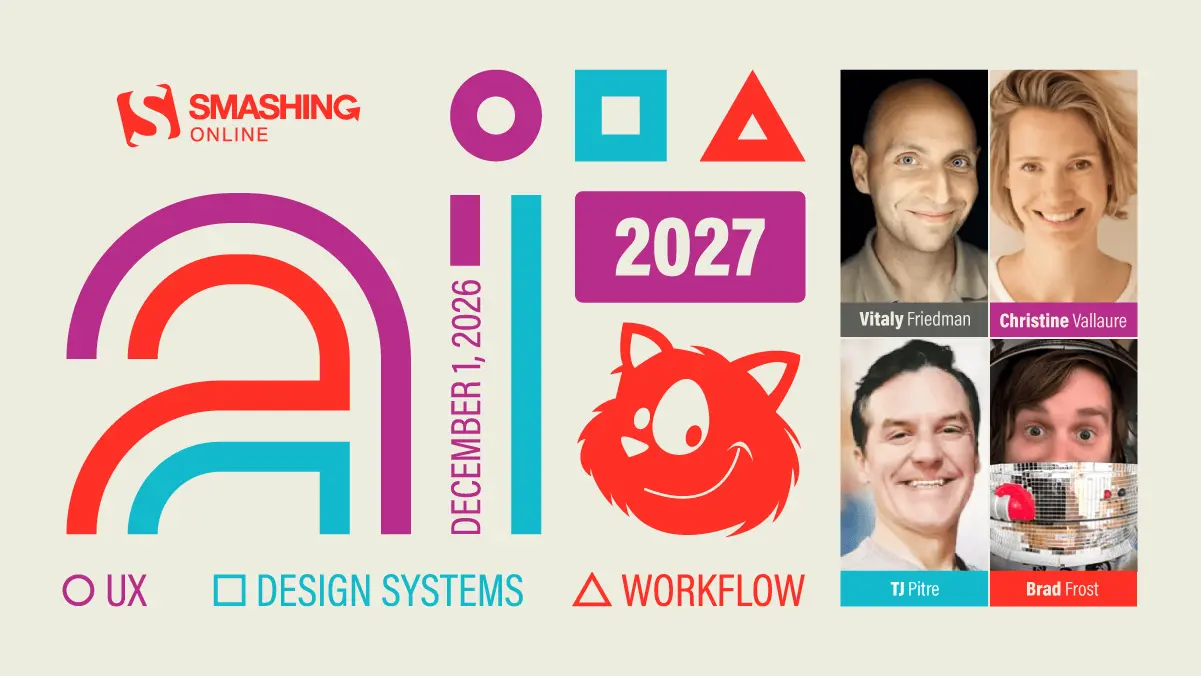
To explore these dynamics, the online conference has assembled a panel of recognized practitioners known for their deep expertise in design systems and web architecture. The roster of featured speakers includes Brad Frost, Christine Vallaure, Vitaly Friedman, and TJ Pitre. Each speaker brings a wealth of hands-on experience in building, maintaining, and scaling digital design infrastructure across small teams and enterprise environments alike.
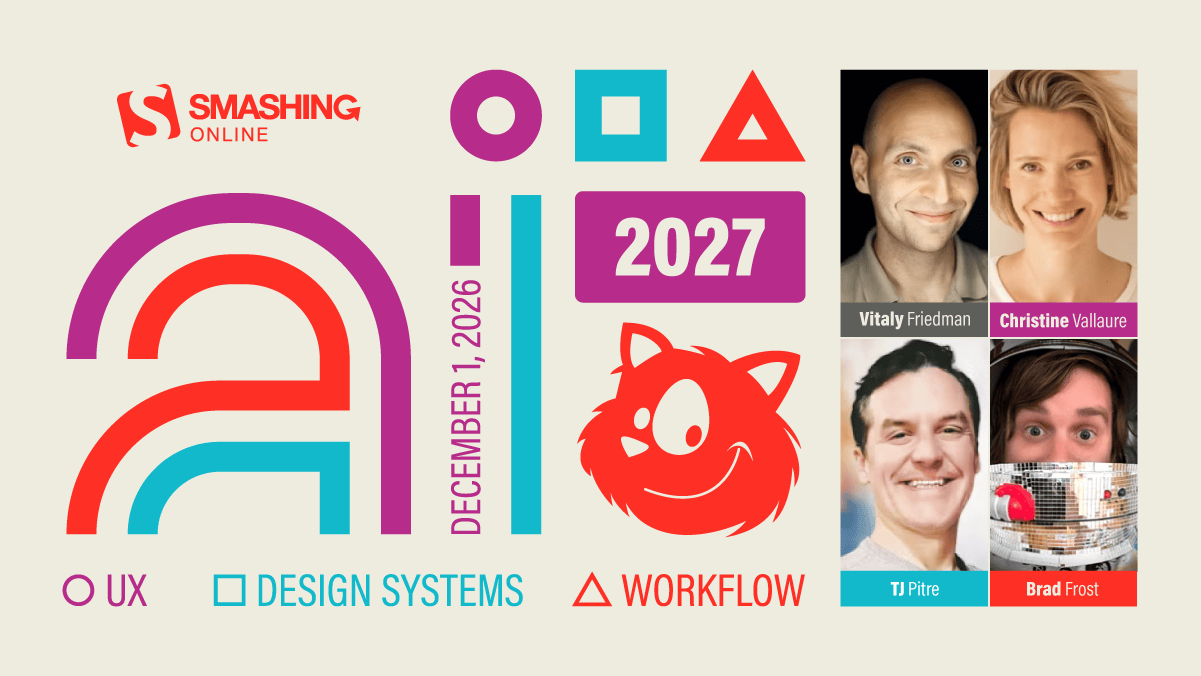
Brad Frost, widely recognized for creating the atomic design methodology, has spent years advocating for structured, modular approaches to user interface design and front-end engineering. His involvement underscores the event’s commitment to evaluating new technologies through the lens of established architectural principles. Similarly, Christine Vallaure, Vitaly Friedman, and TJ Pitre bring extensive experience in user interface design, design system documentation, front-end implementation, and practical workflow optimization. Rather than delivering high-level theoretical overviews, the presenters are set to focus on live, practical demonstrations that show precisely how machine learning workflows translate to day-to-day work.
This emphasis on showing real-world application rather than merely telling audiences about potential capabilities is central to the conference’s format. Web professionals operating in current product environments need clear examples of implementation, risk management, and quality control. The sessions are structured to provide insights tailored to a diverse audience across the product creation lifecycle. For visual and interaction designers, the event will examine how intelligent tooling can assist in component generation, variant management, and layout iteration while maintaining design fidelity. For front-end developers, presentations will address how automated utilities can support component translation, testing, and token management within modern code repositories. For product owners and organizational stakeholders, the discussions will offer clarity on how to evaluate new tooling investments without falling prey to vendors’ inflated productivity promises.
By bringing together professionals from across these distinct disciplines, the event seeks to foster a shared understanding of how design systems can evolve alongside automated tools. In many organizations, communication gaps between design teams and engineering departments create friction when introducing new software practices. Examining artificial intelligence within the context of shared design systems highlights how these tools can serve as connective tissue between visual design specifications and front-end code bases, ultimately improving cross-functional collaboration.
Logistically, the event has been designed to be accessible to a global audience of web creators through an interactive, live virtual format. Registration for the December 1 online conference is priced at €50, reflecting an accessible entry point for individual freelancers, agency teams, and enterprise practitioners looking to stay informed on modern workflow shifts.
In addition to standard registration, a special partnership between Smashing and CSS-Tricks offers community members dedicated access incentives. Readers registering for the event can apply the specialized promotional code AITRICKSCSS during checkout to receive a discount on their ticket purchase. Furthermore, as part of an effort to foster direct community engagement and discussion, organizers have provided two complimentary passes to be awarded to the first two readers who leave comments on the announcement post on CSS-Tricks, provided they register using a valid email address.
As the tech industry continues to process the rapid evolution of automated software utilities, events that focus on practical application offer a necessary counterweight to speculative noise. By centering the conversation on design systems and bringing together experienced practitioners who understand the nuances of the craft, the upcoming Smashing AI conference aims to provide digital product creators with the clarity needed to navigate technological change thoughtfully, responsibly, and effectively.