As the contemporary art world continues to reevaluate and celebrate the profound contributions of visionary creators
who operated outside traditional coastal epicenters, attention is turning toward the extraordinary legacy of Aminah Brenda Lynn Robinson. Known for her deeply tactile, immersive, and richly layered works that bridge the personal and the universal, Robinson remains a towering figure in American mixed-media art. Later this month, art enthusiasts in New York City will have a rare opportunity to experience her masterful storytelling firsthand when Fort Gansevoort, in collaboration with the Columbus Museum of Art, opens a major new exhibition titled Beaded and Bound.
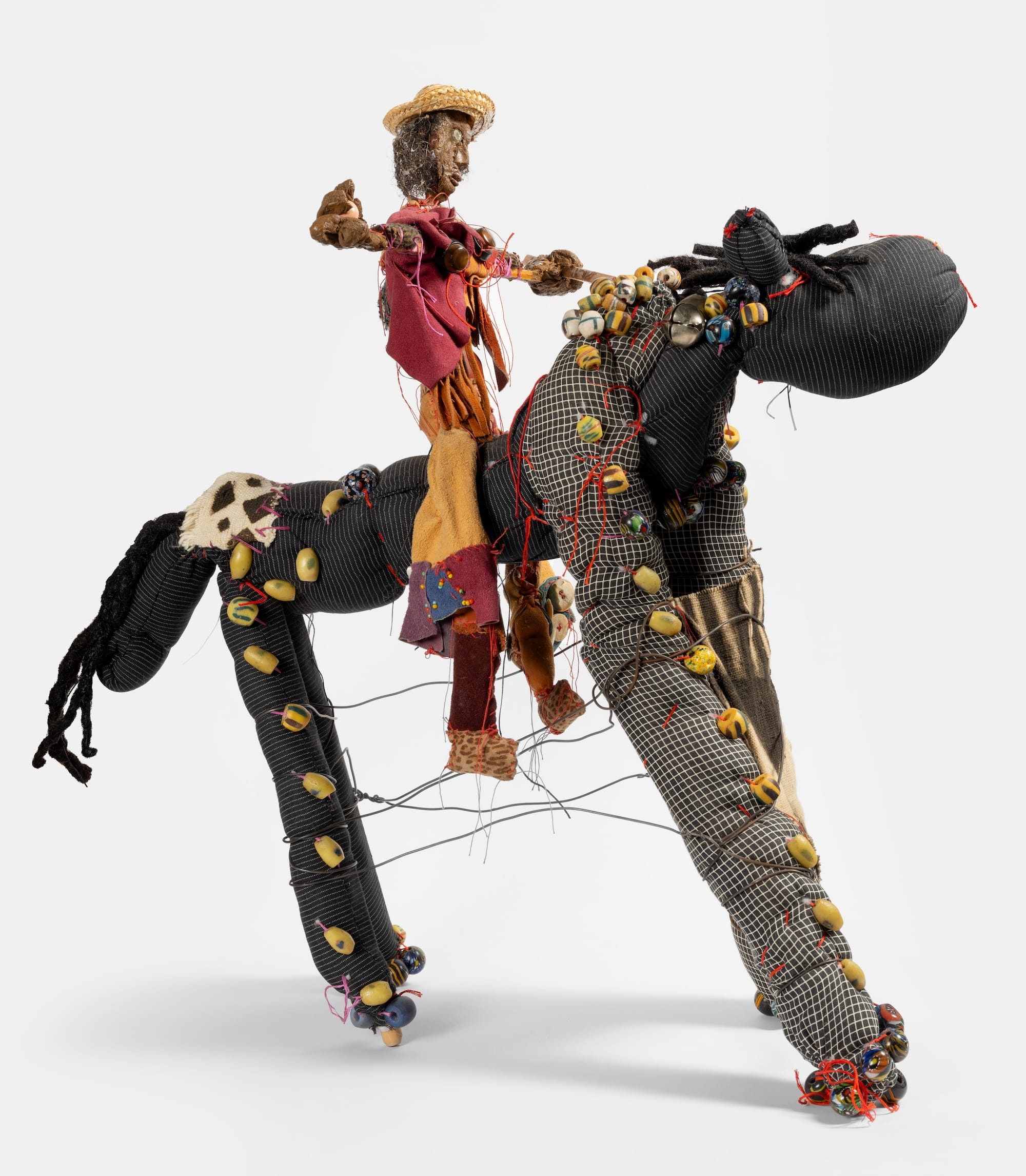
Running from November 19 through January 16, the forthcoming exhibition brings together 25 compelling works by the late artist, whose career spanned several decades before her passing in 2015. Spanning a diverse collection of embellished textiles, sculptural dolls, and mixed-media artist books, Beaded and Bound offers a comprehensive look into Robinson’s unique creative universe. The showcase features a dynamic interplay of embroidery, appliqué, writing, painting, and drawing. According to representatives at Fort Gansevoort, the selected pieces reveal an artist who expertly wove personal memories, familial histories, and local narratives into richly tactile, sometimes peculiar, and always moving works that remain vibrantly alive with the histories and enduring spirit of the African diaspora.
Born in 1940, Robinson’s life story was intimately connected to the fabric of Columbus, Ohio. When she entered the world, her family relocated to the city’s brand-new Poindexter Village. Dedicated by President Franklin D. Roosevelt in 1940, Poindexter Village stood as one of the very first federally funded public housing estates of its kind designed specifically to support African American families, serving as a vital incubator for community, culture, and resilience. The profound impact of this historic neighborhood and the community that inhabited it would echo through Robinson’s art for the rest of her life. Recognizing its historical significance, plans are currently underway for a new museum slated to honor the rich legacy of Poindexter Village by 2028.
Aside from a brief stint in Boise, Idaho, during her marriage to a serviceman in the U.S. Air Force, Robinson spent the vast majority of her life rooted in Columbus. It was there that she initially pursued her formal artistic education in college, laying the groundwork for a multidisciplinary practice that would continually defy traditional categorization. The 1970s marked a crucial period of growth and expansion in her creative journey. During this decade, she worked actively for the city’s recreation and parks department, often taking on the role of a community workshop facilitator. This hands-on engagement with people cemented her lifelong belief in art as a communal, shared experience.
A pivotal moment in her life and artistic identity occurred in 1979 during a study trip to Egypt. While traveling abroad, a holy man bestowed upon her the name “Aminah.” She embraced the name deeply, legally adopting it and preferring to go by Aminah Brenda Lynn Robinson for the remainder of her life and career. Not long after this transformative journey, in the early 1980s, she stepped into the public sphere by exhibiting her intricate artwork for the first time, immediately capturing the attention of those attuned to innovative vernacular practices.
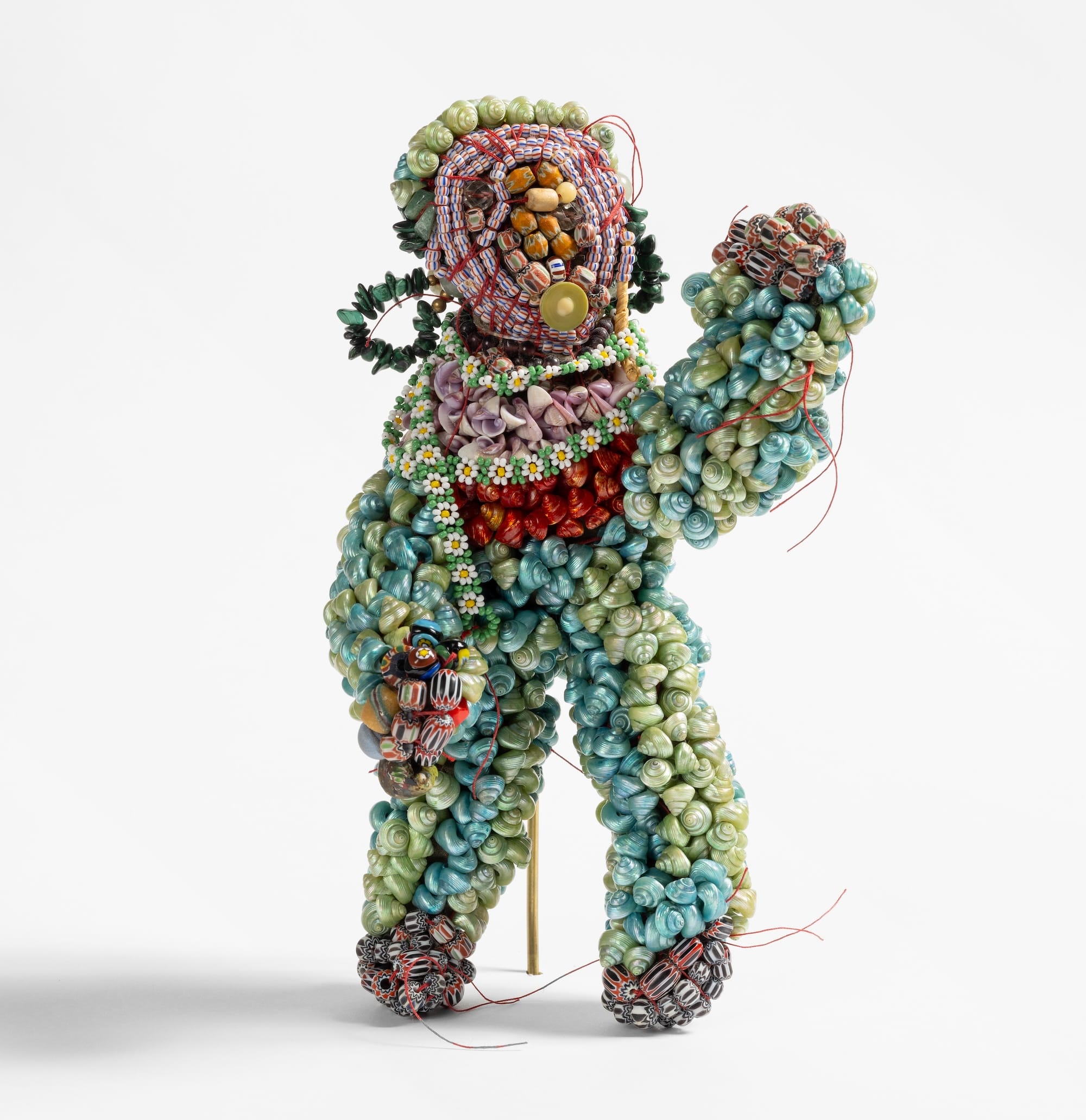
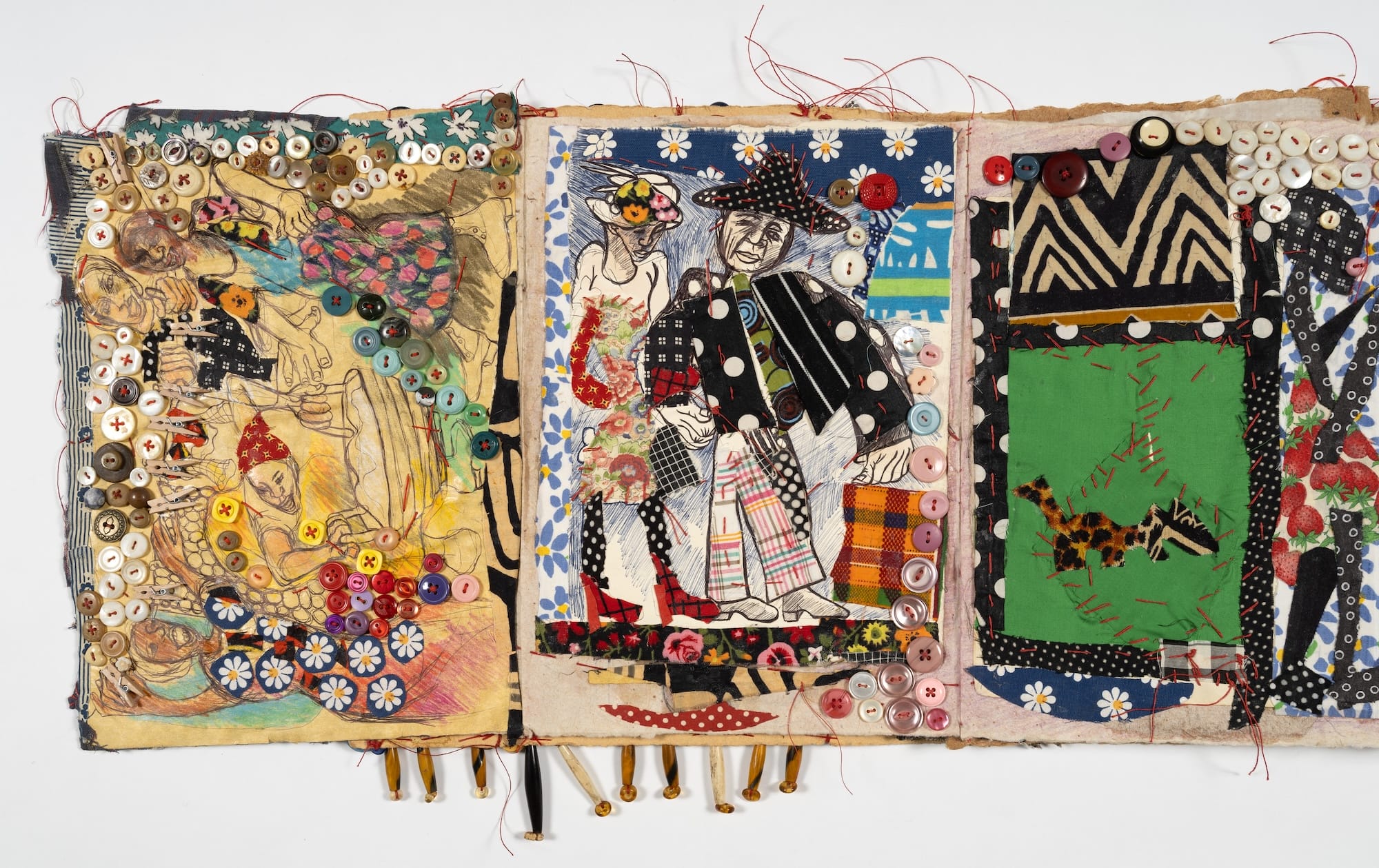
Central to Robinson’s artistic methodology was an unyielding passion for storytelling, matched by an experimental, stream-of-consciousness approach to material and form. She famously coined the term “RagGonNon” to describe the sculptural reliefs and complex narratives built into her books. Rather than viewing her books as static objects meant to be preserved behind glass, Robinson conceived of them as interactive, constantly evolving entities. She intended for them to remain open to interpretation in much the same way that literature evokes entirely different emotional landscapes and mental images for different readers. She approached her deeply personal visual narratives with this same fluid, literary sensibility.
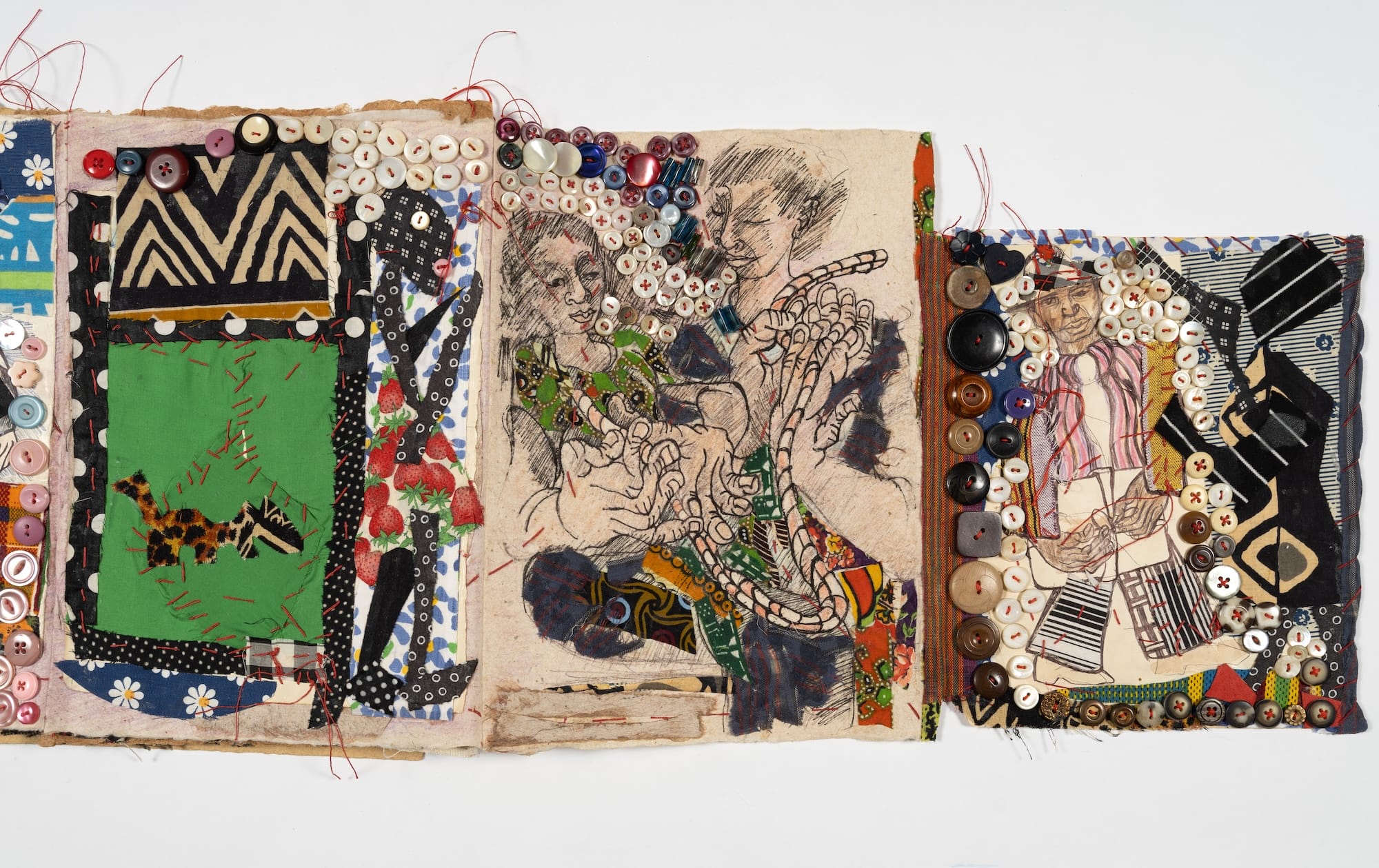
To construct these tactile marvels, Robinson developed a signature visual vocabulary through the inventive combination of everyday and organic materials. She frequently assembled disparate found objects such as shells, buttons, beads, bells, and pieces of hair. More remarkably, however, she concocted her own distinctive structural substances. Most notably, Robinson utilized a dense, textured mixture she referred to as “hogmawg,” which consisted of clay, leaves, twigs, mud, lime, animal grease, and glue. This unconventional recipe was not a random experiment; it was a traditional craft process she learned directly from her father, who had also introduced her to the fundamentals of bookmaking during her childhood. Meanwhile, her mother passed down the intricate skills of sewing and needlework, fusing domestic craft traditions with fine art ambitions.
Robinson’s artistic community in Columbus also played a profound role in shaping her vision. She forged a particularly fruitful creative and spiritual connection with fellow Columbus artist Elijah Pierce, whom she cherished as both a spiritual mentor and a close friend. Remembering their bond, Robinson once noted that Pierce was a great person, a great artist, and a man who walked with absolute integrity, passing on an immense amount of wisdom to her. Their mutual admiration transcended professional boundaries, rooted simply in a genuine comfort and deep artistic alignment.
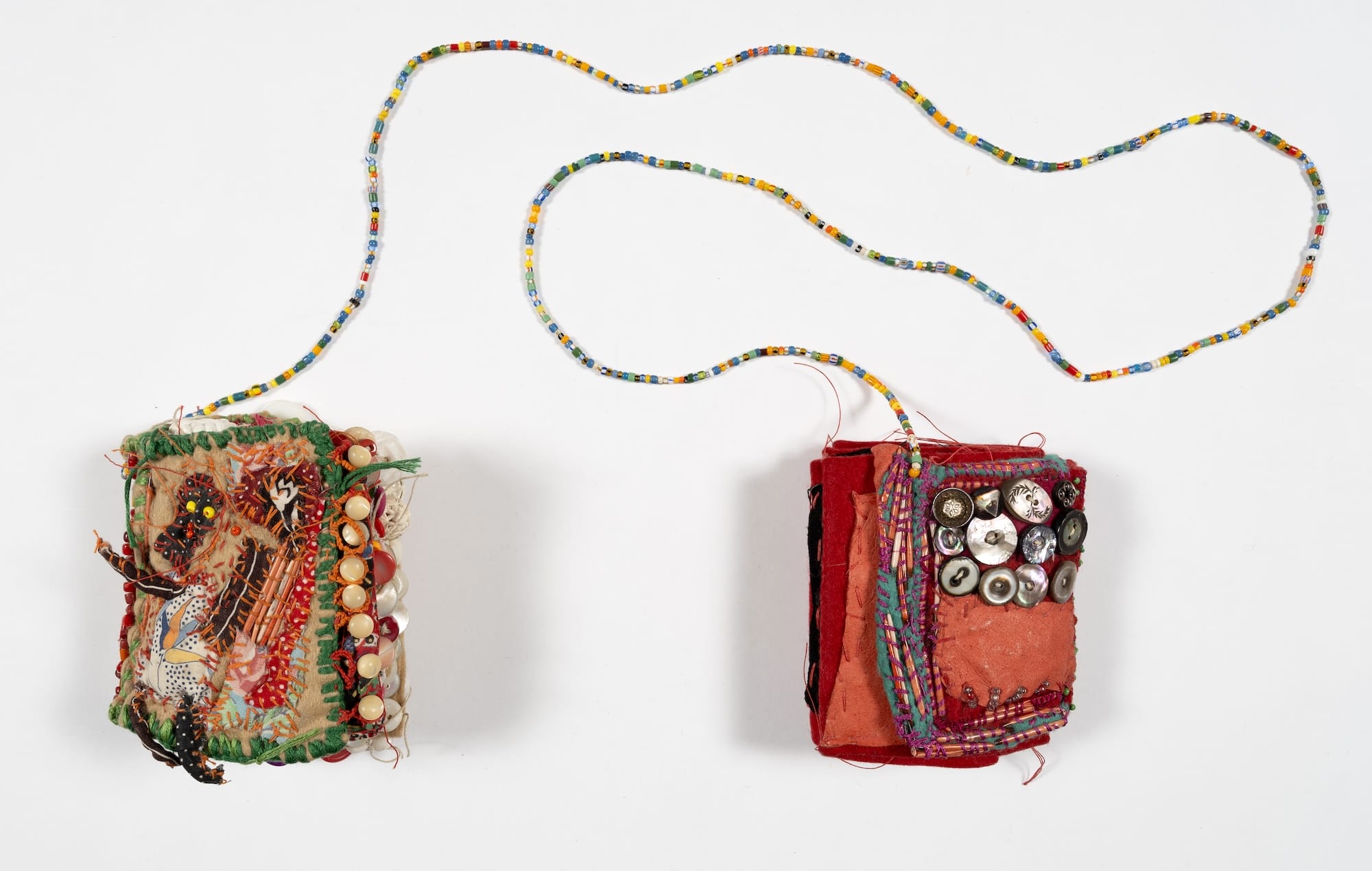
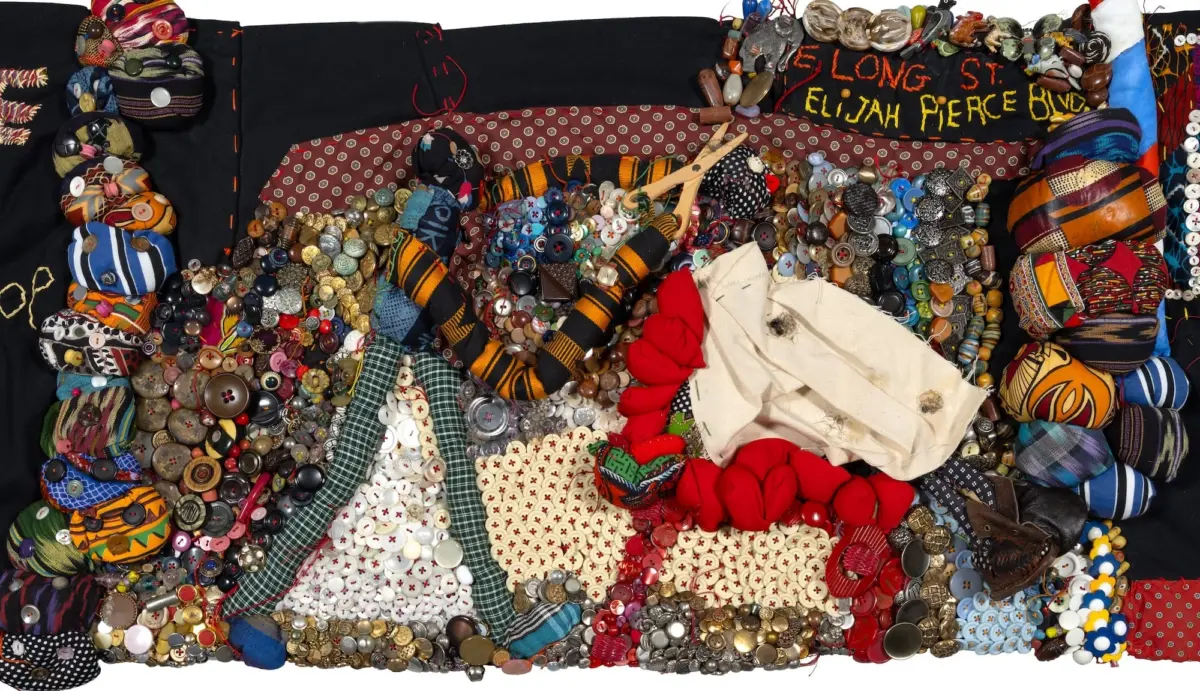
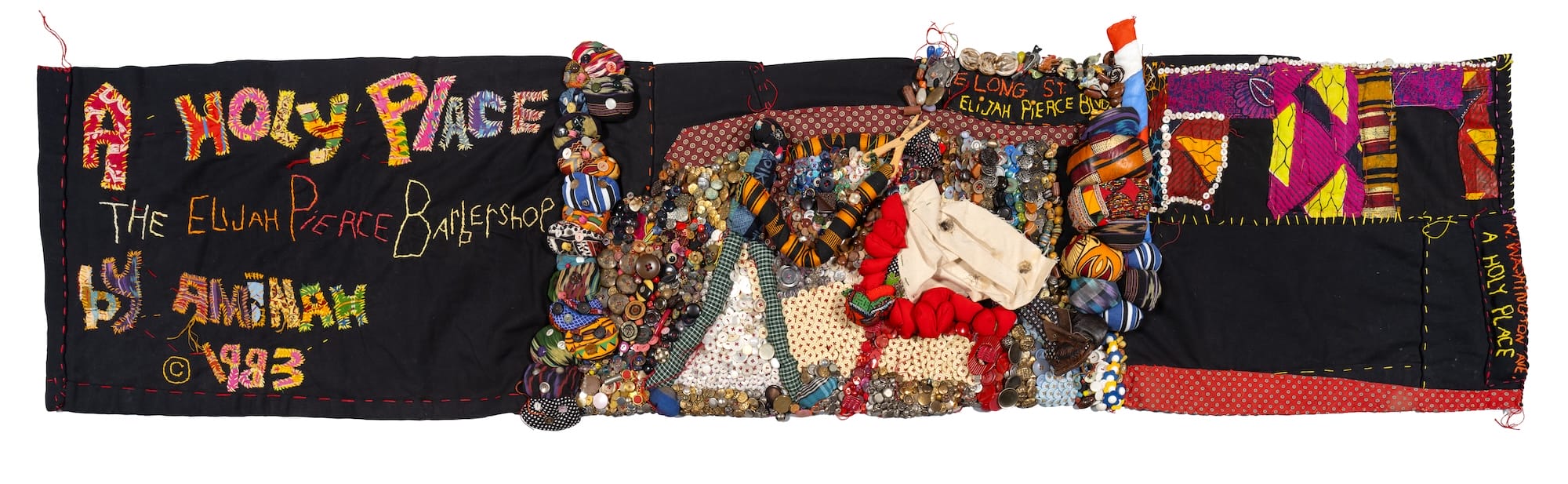
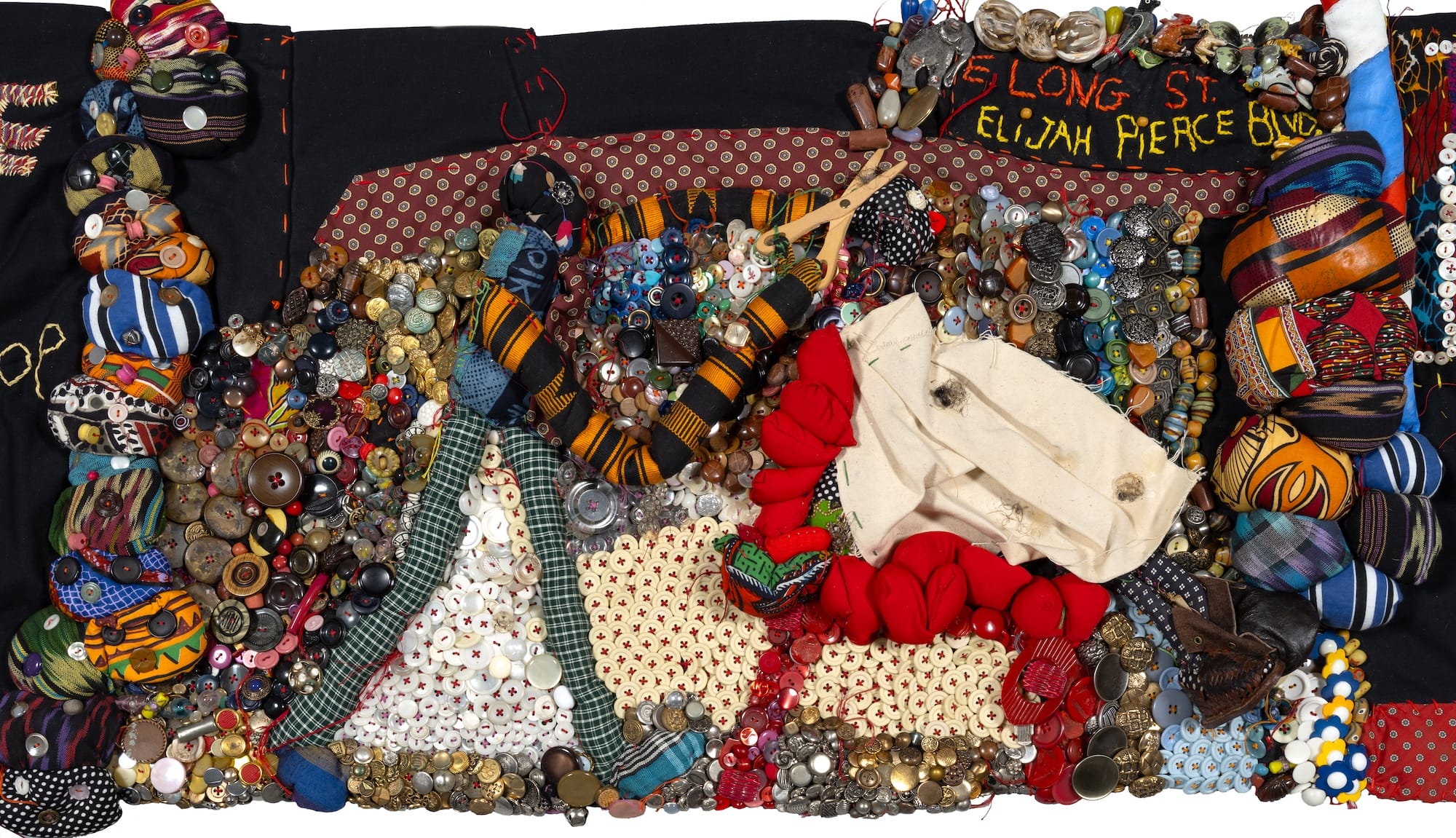
This spirit of connection and community reverence pulses through many of the works featured in the upcoming New York exhibition. Through textural, whimsical narratives, Robinson’s books and dolls manage to be simultaneously deeply autobiographical and universally resonant. For instance, the striking piece titled A Holy Place: The Elijah Pierce Barbershop (1983) directly depicts her friend and mentor within his place of work. Composed of buttons, beads, wood, found objects, hair, thread, and fabric, the work serves as a tender nod to a meaningful personal relationship while simultaneously celebrating the neighborhood barbershop more broadly as a sacred space of social connection, storytelling, and joy within African American communities.
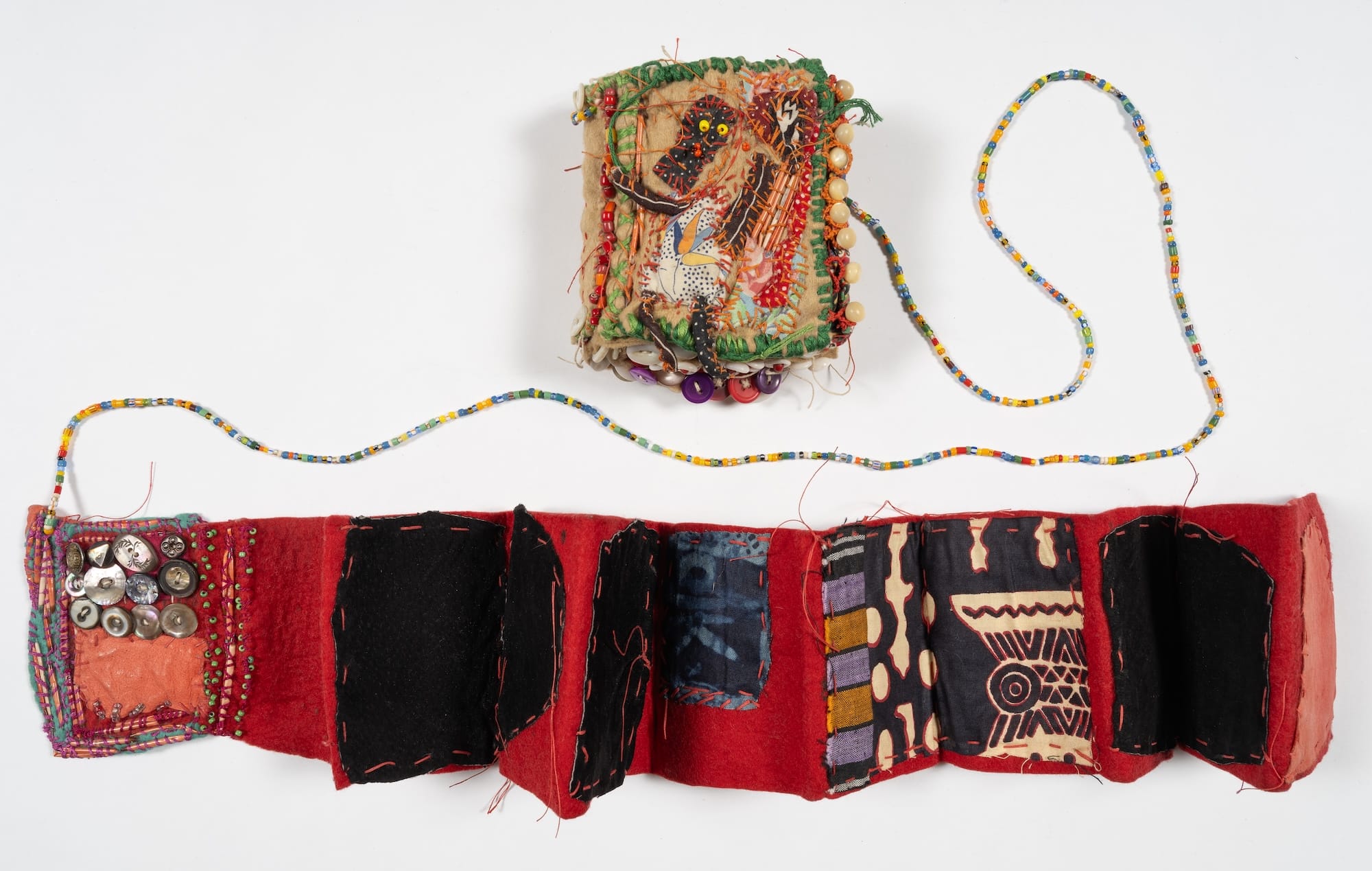
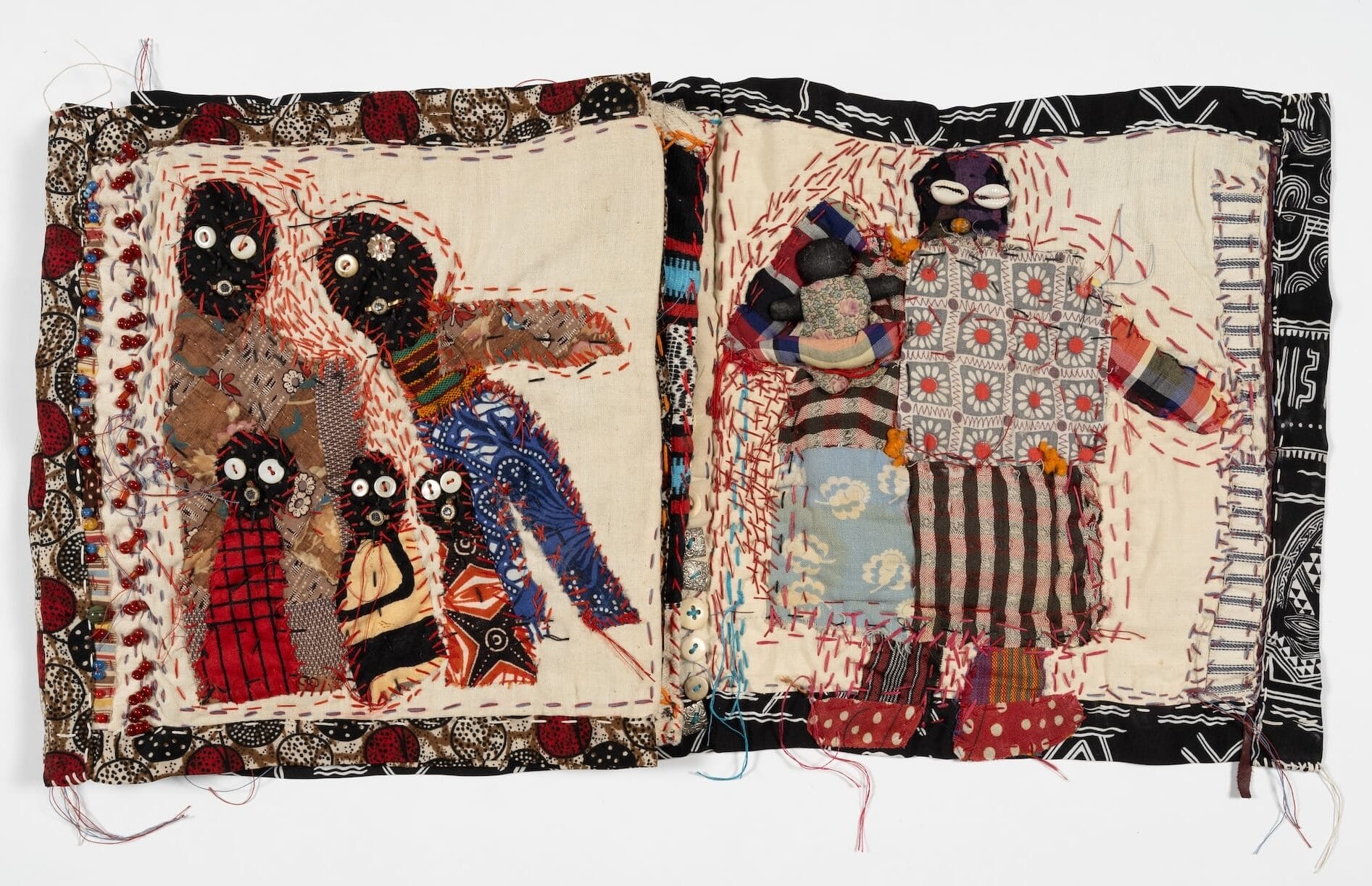
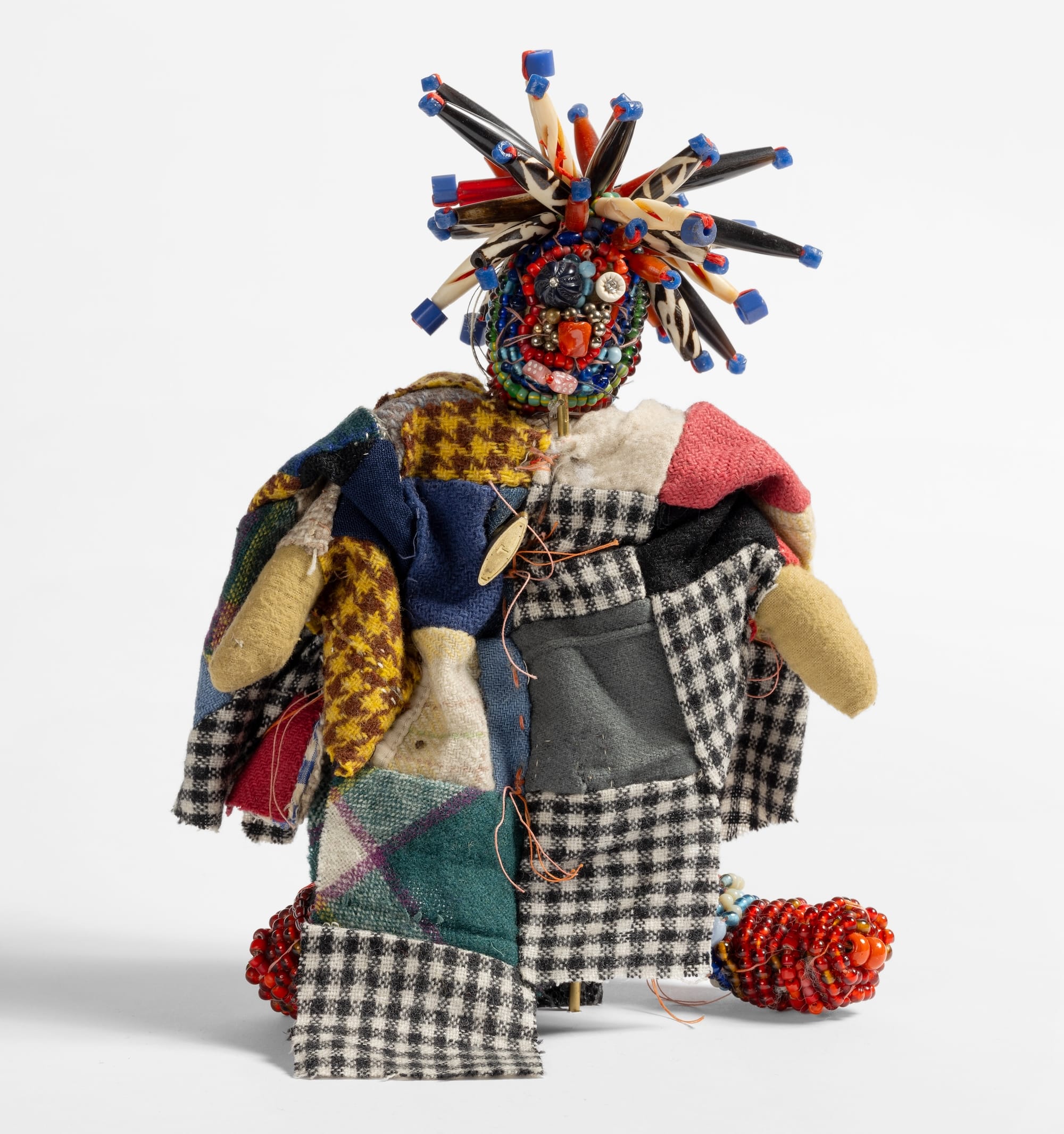
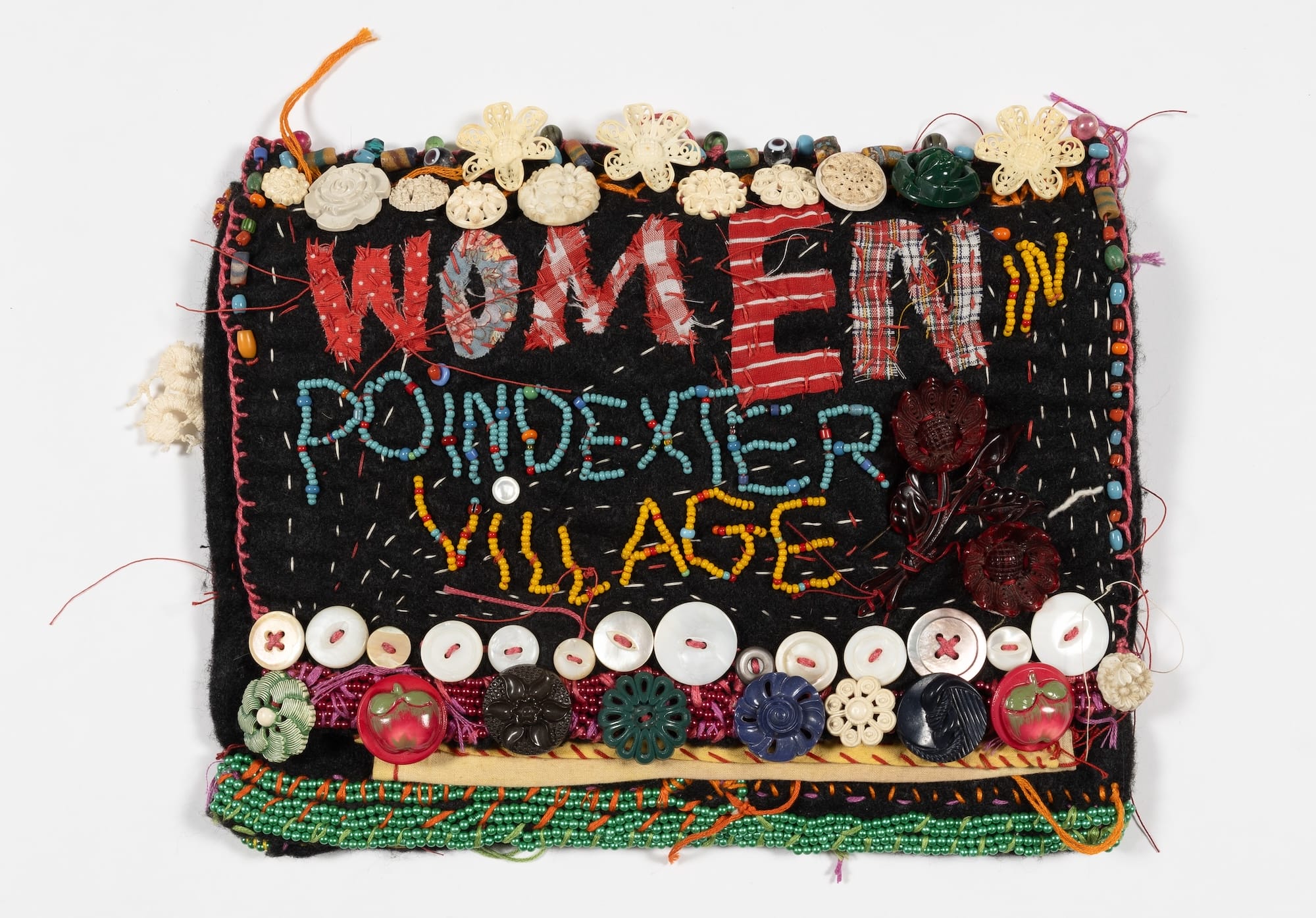
Similarly, pieces like Women in Poindexter Village, Button Beaded Book (1989) draw heavily upon the memories of her neighbors and fellow residents on the historic housing estate. Within the meticulously crafted pages of this button-beaded book, Robinson even tucked a special, intimate tribute dedicated to her mother. Other highlights in the exhibition, such as the Button Beaded Doll with Music Box and Poncho (c. 1988) and Early Life: Themba-A Life of Grace and Hope (c. 1996), further demonstrate her unmatched ability to infuse hard materials like wood and metal with the soft, emotional warmth of fabric, thread, and hand-worked paper.
As Fort Gansevoort prepares to open Beaded and Bound, viewers in New York will have a rare and timely chance to immerse themselves in the handcrafted worlds created by an artist who dedicated her existence to preserving the dignity, struggles, and triumphs of everyday people. The exhibition promises to be a moving testament to an unyielding creative spirit whose handmade chronicles continue to speak volumes across generations. The exhibition runs from November 19 through January 16.